


General Insurance Blogs, Articles & Updates by - Magma Insurance
Have us call you
- RENEW YOUR POLICY
- BUY NEW POLICY

GENERAL INSURANCE BLOG

If you’re not confident in completing the 8 track on a two-wheeler, this guide is for you
Cleaning a driving test to obtain a two wheeler licence seems complicated, and the application procedure for a rider’s permit often dissuades many people from learning how to drive a two-wheeler. Balancing, control, awareness, and judgement are parameters evaluated during the practical assessment.
One of the most commonly feared parts of the test is manoeuvring the 8-track. It is the perfect test of all the criteria mentioned and requires excellent balance and coordination. Additionally, steering ability and break application are also checked in the test.
If making an 8-curve on your two-wheeler intimidates you, here are some simplified steps to ensure perfect results each time!
1. Pre-ride check:
Before starting, ensure your two-wheeler is fuelled and has appropriately functioning brakes and indicators. It is also necessary to practise with your helmet on to prepare yourself for the actual test, where it is compulsory to ride with your helmet on. Before starting, we recommend warming up by doing short laps in an open area to ensure you are correctly seated and find the right balance.
2. Initial right curve:
Usually, making an 8 begins by taking a right turn to form a quarter of the 8. You do not need to use the indicators in this section, so just focus on steering. Ride slowly up the arc and proceed towards the mid-point by following the lane markings to aid proper steering.
3. Prevent understeering:
The second quarter or the arc of the 8 can be easily manoeuvred by ensuring you do not understeer. Understeering occurs when the handlebar is turned at an angle less than the desired angle. Again, follow the markings to get a better judgement of the angle of steering. Maintain your momentum and balance while making the turn.
4. Reverse S-shaped curve:
After crossing one-half of the track, instead of sticking to the inner edge, slowly shift to the outer boundary of the curve to complete the reverse S arc. You might steer at a wider angle than required at this stage, resulting in your bike crossing the track boundary. This causes a failure in the test. So, be careful and ensure you have a strong grip on the handlebar.
5. Final curve before exiting:
The final curve is the easiest since it requires central positioning and basic balance before exiting the track by turning on your left indicator.
All you need to do is ensure coordination between the clutch, gear shifting, and accelerator while completing the 8-track. Remove the fear from your head, and understand that it is all about balance! Take a deep breath and get through.
Additional tips to make manoeuvring effortless.
For a rider with experience, the steps mentioned above may seem excessively detailed, but a beginner may require additional inputs to follow the same. Keeping these in mind can help prevent mistakes and make it easier to steer through continuous curves.
● Shift your weight slightly as you steer your bike to maintain your balance
● Do not go extremely slow, as it makes balancing difficult
● Ensure that you do not shift your handlebar to either end
● Keep your body relaxed and elbows at right angles to distribute weight evenly.
Beginners often question the need to learn how to make an 8-curve on their two-wheelers perfectly. Although such opportunities are rarely faced on the roads, they prepare one for sharp turns, immediate application of indicators, balance, and coordinated judgements. These skills are fundamental requirements of a good rider and prepare one for all terrains and roads. Before you begin practising your figure 8 manoeuvre skills, consider purchasing two wheeler insurance India which covers any accidents and allied costs you may face.
Click HERE to buy the best two wheeler insurance India.
Disclaimer: The information provided above is for illustrative purposes only. To get more details, please refer to policy wordings and prospectus before purchasing a policy.

Know whether oversleeping can be bad for your health
We all follow different sleeping patterns and habits. Some people like to sleep more, while some tend to avoid sleeping at all. Many fall asleep the moment their head hits the pillow, whereas others struggle to get any sleep throughout the night.
Inconsistent sleeping patterns can be hazardous to health. It disintegrates the whole sleep cycle and leads to various health problems. Sleeping too little or too much can be problematic in their ways. But how is oversleeping a bad habit? How can it affect your health negatively?
There are several reasons why oversleeping is bad for your health and can lead to severe problems. These problems can affect your health adversely. You must always have a health insurance policy handy to deal with unexpected medical expenses. Also, ensure that you take care of your health insurance policy renewal to enjoy the seamless benefits without interruptions.
Let's look at various things related to oversleeping.
How much sleep is adequate?
The amount of sleep you should get throughout the day varies for different people. If you're unwell or tired, you will require more sleep. If you are young, you're likely to fall asleep faster due to increased physical activity.
It is recommended to get over 7-9 hours of sleep at night. Any sleep above this can result in oversleeping. The various ill effects of oversleeping are mentioned below.
● Diabetes:
If you sleep more than the designated time at night, you are likely to be on the verge of developing diabetes. Oversleeping puts one at risk of a spike in sugar content in the body. Even not sleeping enough can lead to the same problems.
● Back pains:
Research has shown that oversleeping can be one of the causes of back pain due to disoriented sleep positions for long hours. It is recommended to perform certain exercises to help you deal with such back pain and, most importantly, avoid oversleeping.
● Obesity:
Oversleeping can cause weight gain drastically. If you sleep more than 9-10 hours, you'll likely develop obesity over five to six years. The reason is that your body goes into relaxation mode while sleeping. Lack of physical activity reduces the BMR, impacts digestion, and results in fat accumulation.
● Depression:
Not just physical ailments, but oversleeping can also lead to mental health issues. People who sleep more than usual are likely depressed. While oversleeping, one decreases their chance of recovering from depression.
● Headaches:
If you're prone to headaches and migraines, oversleeping can worsen it. Whenever one sleeps more during the weekends, it can disrupt their sleep cycle. Irregular sleep patterns can lead to persistent headaches. This is because it fidgets with the neurotransmitters like serotonin in the brain.
● Heart disease:
A lot of research has been conducted to validate that oversleeping can lead to increased heart disease. It puts you at risk of developing cardiovascular disease due to a sedentary lifestyle and lethargy. Oversleeping causes obesity which in turn puts pressure on the heart.
● Impaired fertility:
Women who oversleep can find it difficult to conceive. It is also the same for women who sleep less than the given time. It can affect their cycle badly and disrupt the hormone levels in the body.
● Death risk:
It is alarming to note that oversleeping can lead to an increased risk of death. It can also be directly linked to the risk of developing a stroke.
Everyone should sleep only 7-8 hours throughout the day. It is best to avoid napping during the day to sleep better at night. One should also maintain a good diet and exercise to keep themselves fit and energised. Prioritise your health, practise mindfulness, develop a sound sleep routine, and invest in health insurance to keep away your worries. You should also complete your health policy renewal on time to avoid problems later.
Click HERE to get your health insurance policy renewal done.
Disclaimer: The information provided above is for illustrative purposes only. To get more details, please refer to policy wordings and prospectus before purchasing a policy.

Five home remedies to deal with insomnia
People with insomnia do not get enough sleep, and most of the days do not wake up feeling refreshed. The cause of sleep deprivation varies among individuals. Sleep deprivation is associated with various issues like weariness, difficulties focusing, mood fluctuations, and poor job performance. However, most cases of insomnia are caused by stress, an unpleasant experience, or abnormalities in the sleep cycle. Severe insomnia can only be cured via treatment. However, short-term insomnia is manageable.
If you have trouble falling asleep after retiring for the day, no matter how weary you are, here are some home cures you may try.
1. Yoga:
Yoga is considered a proven method to improve sleep quality and boost mental well-being. It also helps reduce stress, enhance physical performance, and increase concentration.
Remember to choose a style that emphasises moving meditation or breath work over strenuous physical motions. Slow, controlled motions help you to maintain your attention and concentration. Practicing the poses before going to bed might help you relax and unwind.
2. Meditation with awareness:
Mindfulness has been shown to improve well-being by lowering stress, building tolerance, enhancing good mood, and even strengthening immunity. It also has a positive influence on one’s sleep quality and schedule.
There are many free and commercial mindfulness videos, applications, and podcasts accessible online. People who want to experience mindfulness may decide to take a class, join a local weekly workshop, or visit a retreat.
3. Magnesium:
The magnesium generally produced in our bodies also aids in promoting a balanced sleep-wake cycle. Taking a daily magnesium supplement may help patients sleep better and for more extended periods. Consuming magnesium-rich meals, particularly in the evening, may aid in inducing better sleeping patterns.
4. Lavender oil:
For years and years, people have used this essential oil as a natural medicine to enhance sleep and produce feelings of relaxation. Lavender oil may be used as a pillow spray, patch, massage oil, or aromatic diffuser to help sleep. Lavender promotes sleep onset, healthy sleeping habits, and sleep patterns.
5. Practice sleep hygiene:
In its most basic form, sleep hygiene outlines a person’s nighttime habits and activities.
Individuals may improve their sleep hygiene by doing the following:
● Avoid computers, laptops, mobile phones, and televisions at least an hour before night
● Making the bedroom dark with muted lights, thick drapes, and blinds, or wearing earplugs and eye masks
● Avoid liquor, tobacco, and caffeinated drinks in the evening
● Maintaining a regular bedtime pattern that involves sleeping at the same time each night and waking up at the same time each morning
● Abstaining from eating large meals for dinner
● Take a hot shower or bath before going to bed
As per the studies carried out, insomnia is a frequent disorder with up to one-third of individuals suffering from it at some age. There are numerous cures and practices that a person who has insomnia might attempt to enhance their sleep. However, these home remedies will only work for people with minor insomnia.
We recommend consulting with a doctor for anyone going through chronic insomnia. Also, almost every health insurance covers the medical treatment for this disorder. Remember to get your health insurance policy renewal on time to avoid the last-minute hassle and avoid the lapsing of your current plan.
Click HERE to get a health insurance policy renewal.
Disclaimer: The information provided above is for illustrative purposes only. To get more details, please refer to policy wordings and prospectus before purchasing a policy.

How careful inspection can help you avoid falling for these age-old insurance traps
Insurance policies, including non-general and general insurance plans, have gained popularity among Indians. While the increased penetration rate is a welcome change, protecting policyholders against potential fraud becomes essential. Insurance companies are taking adequate measures to spread awareness and educate potential policy buyers about possible crimes that involve fake policies, fraudulent insurance agents, mis-sold policies, etc.
This blog informs you about insurance traps you might be prone to and helps you elude them.
1. False alerts: reviving expired policies –
One of the many ways scammers trap innocent people is by calling them about policies that lapsed a while back due to payment failure. These dormant policies are then illegally accessed by telemarketers, who call up policyholders, informing them of good news. According to them, policyholders can now get a bonus on their policy, but you can only access it with a fee. They may also try to sell new policies. You can easily avoid this trap by being vigilant and reading the fine print of your policy.
To prevent scams and fraud, IRDAI is also regulating the insurance sector by digitalising it. An e-Insurance Account is a digital portfolio of all your non-general and general insurance plans, which helps keep track of policy tenures, switch, or buy policies at a single click without any hassle.
2. A guaranteed return providing investment sans market volatility –
The lack of financial literacy is mainly to blame for this misconception. As the uninformed public continues to hear of the short-term successes of a small section of well-informed investors who do due diligence before making their financial decisions, they crave similar results without putting in as much effort.
Taking advantage of the situation, insurance agents often pitch general insurance plans as alternatives to conservative investments like a fixed deposit and promise high returns. While the money put towards any insurance policy is a better investment than letting it sit idle, such claims are not backed by proof and must be avoided.
3. Getting pitched insurance policies as a tax-saving investment –
Tax planning is usually seen as a dreadful task that most individuals undertake only when essential. Therefore, some folks jump at it when the most effective sales pitch comes in, saying that an additional insurance policy would give you tax cuts (because of 80C) and would be a suitable investment. The tax-saving months before March are when these fraudulent pitches are made, and people need to determine whether the investment is necessary in the first place.
As the insurance sector evolves, insurers must make policyholders aware of the role of general insurance plans as a protective cover rather than a mode of investment to minimise your tax burden.
Your overall financial and tax planning for the following period should be done at the beginning of the current financial year. It is crucial to consider all factors, including your current investments, non-general and general insurance plans you might have taken, your kid’s school fees, and other expenses. Start early, and you won’t be in a hurry to reach the deadline, so you can read the fine print on all the documents and do apt research before signing on anything.
Click HERE to learn more about general insurance plans.
Disclaimer: The information provided above is for illustrative purposes only. To get more details, please refer to policy wordings and prospectus before purchasing a policy.

Is comprehensive car insurance truly exhaustive? Here's the complete guide
A car has the capacity for durable and comfortable rides, ensures safety, and is a significant investment. All this has given cars an upper hand over all the other vehicles.
Although buying a car can be easy if you have enough money, it is not always the only thing. With a car, there are a ton of other responsibilities. One is getting your vehicle covered and ensuring the car insurance renewal is done on time.
There are multiple options available for car insurance online and offline. This can leave you to require more clarifications. One such option lies in the comprehensive car insurance that covers almost every damage that might trouble your car. From man-made problems to natural disasters, you'll get compensation for all the damages. However, this insurance might cost you more money than usual. Is it worth to have comprehensive car insurance, or is it just exhaustive? Let's find out!
What is comprehensive car insurance?
Comprehensive car insurance is not mandatory insurance by law, but most people prefer to buy it. It is because it comes with many benefits that set it apart from the other options.
Comprehensive car insurance will cover own damage (OD) as well as third-party damages. It covers all damages due to natural calamities, accidents, theft, man-made issues, and even fire. Natural calamities like floods, cyclones, and earthquakes are covered. Acts like vandalism and riots are listed under man-made issues.
What are the benefits of comprehensive car insurance in India?
1. Complete coverage:
This insurance type is the only one that offers complete coverage to a car, including its total or partial loss due to own damage and third-party damages. It also compensates for the death or disability of the owner-driver, third party, or property damage.
2. Best returns on investment:
Comprehensive insurance eliminates the need to buy separate policies to cover own damage and third-party damages. All the benefits can be obtained from a single policy, including the personal accident cover. This helps in saving money and offers the best ROI.
3. Liberty to add optional covers:
You can purchase additional covers like zero-depreciation, no-claim bonus, tyre protection, engine protection, breakdown assistance cover, etc. This makes your base policy stronger.
4. Cashless benefits:
Yes! You may enjoy cashless benefits while claiming your comprehensive car insurance when you get your car repaired or serviced in a network garage. You don't have to pay even a single penny for the damages!
You may have understood what comprehensive car insurance is all about. But, did you imagine to whom this insurance type would benefit the most?
1. The city drivers:
Cities signify constant traffic jams, chaos on roads, and persistent risks of accidents due to overcrowded roads and indiscipline traffic situations. Metropolitan residents must buy this policy to provide all-round protection to their cars.
2. The adventurers:
If you love to plan road trips and explore places frequently, this insurance can do wonders for you during emergencies with its road assistance cover.
3. New owners:
If you have bought a new car, the first step should be buying comprehensive coverage to improve the longevity of your new asset.
4. Premium and luxury car owners:
If you own premium and expensive car, having this insurance in your investment portfolio can be fruitful.
5. Obsessed with your car:
Even a small dent or scratch on the car panics you. Then you must opt for comprehensive coverage to calm your nerves and stay stress-free regarding compensation for any damage to your car.
You should keep various pointers in mind while buying comprehensive car insurance in India. Owning an asset is a crucial responsibility and ensuring its safety is paramount. Comprehensive car insurance has seamless benefits that make it a reliable investment option and less exhaustive compared to its counterparts. Regardless of the policy you buy, get the car insurance renewal done on time to avoid your policy from lapsing.
Click HERE to get your car insurance renewal done on time.
Disclaimer: The information provided above is for illustrative purposes only. To get more details, please refer to policy wordings and prospectus before purchasing a policy.

Practise these habits to improve your cognitive skills
We have all heard the famous proverb, "a sound mind lives in a sound body". Both are integral parts that should be taken care of to lead a healthy life. In this blog, we will discuss some methods to sharpen your brain and polish your cognitive skills.
You can call your brain the control centre of your system since it processes all you see, hear, touch and think. Your brain perceives different sensations, sounds, images, etc., and conveys the signal to your whole body, signalling it to respond accordingly. Incredibly, this process happens within a matter of seconds.
It is crucial to take extra care of your brain's health and mental wellbeing. Dietary and lifestyle changes help combat cognitive-related issues such as mental health problems, anxiety and depression and help in enhancing creativity.
Here's how you can sharpen your cognitive abilities.
1. Relieve stress:
Develop a habit of taking walks daily and breathing in the fresh air. Other relaxing activities can include getting a massage, reading, meditation, etc. These activities help release the tension and stress from your body and lower your cortisol levels which tend to affect the memory sections of your brain.
2. Sleep well:
Sleeping at least eight hours a day is crucial to maintaining a sound mind. Quality sleep helps your mind commit things to memory and improve your brain's retention capacity.
3. Play:
Include games like crossword, sudoku, and puzzles in your daily schedule. These games intensify the usage of brain functions, thus helping in improving your reasoning and retention abilities.
4. Doodling:
Recent research has proven that doodling and colouring activate your brain's reasoning and problem-solving region. These activities enhance the blood supply to the prefrontal cortex and strengthen your mind's analytical and attention capabilities.
5. Dark chocolate:
Dark chocolate has been proven good for your physical and mental health. Studies have found that it contains flavanol, a substance that boosts your brain's memory retention, functioning, and processing abilities.
6. Reduce sugar consumption:
Consumption of carbohydrates and a sugar-rich diet can slow down your brain as your body takes time and energy to break down these substances. Consuming too much sugar also leads to depression and heart diseases, thus risking your physical and mental health.
7. Exercise:
Research has shown that lifting weights help in improving cognitive abilities. People who lift weights tend to increase their spatial memory. It helps in memorising the environments one is in at any given moment. Spatial memory enables you to remember layouts of a room or how you arrange things in your space. People who achieve their physical goals by walking strengthen their verbal memory.
These are some techniques that can help improve your cognitive skills. Apart from the above tips, you may even practise mindfulness by indulging yourself in daily yoga and meditation sessions. Yoga and meditation These healthy practices can keep your brain active and impact your productivity.
A wise option would be to protect your and your loved ones' health against unprecedented circumstances. To stay monetarily stress-free in health emergencies, explore multiple options and purchase the best health insurance policy in India.
Click HERE to know more about how you can buy the best health insurance policy in India.
Disclaimer: The information provided above is for illustrative purposes only. To get more details, please refer to policy wordings and prospectus before purchasing a policy.

Here’s how smart helmets are set to change the riding experience
Helmets are protective headgear that can save your life in case you fall from a running two-wheeler or collide with another vehicle. Also, wearing a helmet while riding a two-wheeler is compulsory under Section 129 of the Motor Vehicles Act, 1988.
Imagine if a helmet can detect drunk driving, location tracking, navigation, a hands-free device, and several other functions other than just protecting your head during a ride. Yes, this is all possible with the advent of intelligent helmets.
This article tells how smart helmets are set to change your riding experience.
1. Detecting a helmet:
Many two-wheeler riders do not wear a helmet intentionally. Also, some may forget to wear it while leaving home or the office. This can be dangerous to their lives in case they meet with an accident on their way. Smart helmets are equipped with Force Sensing Sensor (FSR) that detects whether the rider is wearing a helmet. It senses actual human touch. If it does not detect it, you will not be able to turn on the ignition of your two-wheeler.
2. Alcohol sensor:
Smart helmets can also be fitted with a gas sensor that can identify the alcohol content from your breath. It can be placed right in front of your mouth, detect if you are drunk, and prevent your vehicle from starting. This can be very helpful in avoiding an accident due to drunken driving.
3. Accident detection:
Smart helmets can detect accidents and alert a phone number by sending a message. It makes use of accelerometers and vibration sensors for this purpose. A free-fall sensing unit can detect when the two-wheeler falls freely and is not in control. Similarly, a vibration sensor senses signals and pressure and sends a message to the registered mobile number. This can be life-saving in times of an accident as the receiver of the message can instantly rush to the accident spot or alert friends, police, and an ambulance to reach the spot.
4. Over-speeding and rash driving alert:
Smart helmets can also alert you if you are riding above the speed limit fed into it or are driving rashly. Such alerts warn you to reduce your speed and drive carefully.
5. Bluetooth connectivity:
Smart helmets can be connected to your bike and mobile phone via Bluetooth. This can allow you to make calls or answer them safely while riding your two-wheeler.
6. Navigation, location tracking, and recording:
Smart helmets come equipped with a GPS device that can accurately tell the rider’s location. This can be useful in times of emergency or theft of your two-wheeler. Also, they can help in navigation while you are riding your two-wheeler.
You can also install hi-tech cameras on your smart helmets. They can record and store all the details of your rides, such as speed, distance covered, time taken, etc. This can be very helpful for bikers and racers.
Smart helmets are a world in itself, with numerous options for adding or removing applications and additional devices per rider needs. They can completely change how you have been riding your two-wheelers. They help to make your rides much safer and technologically advanced than a regular conventional helmet.
Why just rely upon a smart helmet to alert and protect you in case of an accident? Choose from a wide variety of 2 wheeler insurance online after comparing them thoroughly. Protect yourself from any sort of financial losses that you may suffer due to an accident or theft of your two-wheeler.
Click HERE to buy 2 wheeler insurance online.
Disclaimer: The information provided above is for illustrative purposes only. To get more details, please refer to policy wordings and prospectus before purchasing a policy.

If driving in reverse scares you, here’s what you need to know
Reverse driving and parallel parking are two things that most people are scared of. Parallel parking takes some practice and extreme caution. The same goes for driving in reverse. Expertise in these driving techniques helps in becoming a skilled driver.
If driving in reverse scares you, here's what you need to know. This blog answers all your questions and more information on driving in reverse gear to understand how you can gain confidence over your anxious mindset about these driving techniques. So, without any further delay, let's get started.
1. It is not a big deal:
Many expert drivers get confused and anxious while driving in reverse. Due to nervous feelings, they might even mess things up and land in collisions. Therefore, it is vital to make yourself comfortable and relaxed in your position to get an accurate view of the traffic and the path you need to reverse.
You can place your foot on the brake and for your confidence, turn around to ensure you get a clear view of the pathway. Ensure that you keep your seatbelt intact and ask the passengers to fasten their seatbelts properly.
2. It is time for the reverse gear:
After positioning your seat, fastening your seatbelt, and adjusting your mirrors to get a clear rear and front view, you need to shift your gear to the state in which it indicates R, i.e., reverse gear.
After performing this entire process, you can slowly put your foot on the accelerator pedal and put slight pressure, just enough for your car to move, avoiding the risk of any collisions. Slowly release the clutch after putting your foot on the pedal. Drive the vehicle in reverse at a carefully vigilant speed, and park your car right where you want it to be.
3. Mirrors at the right angle:
You must always ensure that you keep looking in the passenger side mirror to be aware of any other vehicles or objects in the surrounding area, especially when driving in reverse gear. This will avoid any risk of collisions or accidents with things that might come your way. Mirrors even help you get a better view and understanding of available space to park your car correctly.
Some other tips to take care of while you are driving in reverse include placing your right hand on the steering's upper portion to gain optimum grip, going reverse in a straight line, stopping the car at the desired position slowly to avoid any jerking, doing a complete 360-degree check before you begin to reverse in a particular location, etc. Make optimum use of a rear parking camera that will assist you in observing the obstacles and parking your car precisely.
We hope this blog will help you drive in reverse more comfortably than before and help you alleviate your stress. Always wear your seatbelt while driving to ensure safety. And while we are talking about safety, understand the importance of purchasing car insurance to safeguard your car from financial distress due to damages. Therefore, to stay on top of your insurance coverage and continue to enjoy the privileges, you need to make sure that you take care of your car insurance renewal.
Click HERE to learn more about car insurance renewal and the tips you need to know when you pay your premiums.
Disclaimer: The information provided above is for illustrative purposes only. To get more details, please refer to policy wordings and prospectus before purchasing a policy.
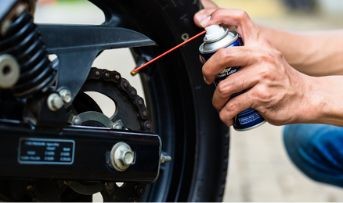
Here are some tips for maintaining your bike’s drive chain to ensure its longevity
A bike drive chain consists of interconnected oval loops made of metal, forming a roller chain. The teeth of a sprocket gear mesh with the holes in the links of the chain. The mechanical force from the engine puts the bike chain in motion, which causes the bike's wheels to rotate. Hence, a bike's drive chain is an important part and must be handled properly.
A drive chain is usually the dirtiest part of our bike. It is oiled and greased, catching loads of dust and mud from the roads. Here are some tips for maintaining your bike's drive chain to ensure longevity.
1. Periodic cleaning:
Regular cleaning keeps it free from dirt build-up, rust, and breakage. You should regularly check your drive chain by lifting the rear wheel of your bike off the ground and manually rotating the drive chain. You should check every chain link and use a firm brush to clean them.
If you hear squeaking sounds from the chain while riding your bike, it is time for relubrication. Also, you should check for tight links that are not bending easily. Clean them properly and lubricate them to ensure their free movement. It will also prevent rust build-up.
2. Lubricant quality:
Always use a good quality lubricant to ensure its longevity. It should be specifically made for a bike's drive chain and should not be just any lubricant.
Dirt and mud damage the drive chain. The lubricant should be such that it should minimise the accumulation of dust and grime on the drive chain. Also, it should be long-lasting as the drive chain will wear down and get damaged if the lubricant is less or missing.
3. Do not over-lubricate:
Over-lubrication is harmful to the drive chain. It will attract more dust, mud, and concrete from the roads and damage the drive chain. To ensure smooth operation, you should always wipe off excess lubricants with a rag.
4. Thorough cleaning of the drive chain:
In case you ride your bike through muddy roads frequently or use it on rough terrains such as a mountain, you should remove the chain completely when it becomes excessively dirty. You can remove it yourself or seek the help of a mechanic.
Use a good quality chain solvent available in the market and soak your chain in it for the prescribed time. Then scrub hard to remove the dirty grime from the chain links. The solvent will do its job, and your chain will become clean and grime-free. Relubricate your drive chain once completely dry, and put it back in the bike.
5. Stretched chains:
Sometimes your bike's drive chain seems to stretch and become loose. This is because of normal wear and tear of the chain with usage. A loose drive chain cannot provide a good grip for the movement of the wheels and may even slip from its cog.
Check for a loose drive chain regularly, and get it fixed as soon as you find one. Ignoring it may cause further damage to the drive chain, and you will have to replace it.
The drive chain of your bike is a very important part of its smooth running. You must take good care of the chain to keep it in its best shape. Clean it regularly and keep it sufficiently lubricated to ensure its longevity.
Buying a good bike insurance policy for your bike is another important thing that you need to do to ensure a glitch-free ride. Buy bike insurance online after comparing it with the policies of several companies. You can do this from the comfort of your home or office without physically visiting any insurance company. Go for the best bike insurance policy as per your specific needs and enjoy complete protection, security, and peace of mind.
Click HERE to buy bike insurance online.
Disclaimer: The information provided above is for illustrative purposes only. To get more details, please refer to policy wordings and prospectus before purchasing a policy.

Tips for finding a short circuit in your car's system
An automobile comprises interconnected mechanical elements and complicated electrical wiring technologies. While we may enjoy contemporary comforts such as stereos, interior lighting, and even hologram speedometer readings as long as the electrical systems function correctly, all systems and components come to a standstill on account of short circuits.
A short circuit is a wiring fault because of a loose or defective wire that shunts electricity between courses before it hits its target. Although the signs of a short circuit are similar to those of an open circuit, the diagnosis is somewhat different. A short circuit may happen in various ways, and it's not always straightforward to locate and fix.
However, to understand how to discover a short circuit, we must first grasp how a perfectly working circuit operates. So here are a few tips for locating a short circuit in your car.
1. Make a map of your vehicle's circuit:
Remove the wire harness from your vehicle and turn to your Early Warning Device (EWD) to start diagnosing the circuit. Identify the various cables and circuits you're inspecting so you know where to go next. Wire colours should match the colours specified in the EWD. However, this may differ based on where you obtained your EWD.
2. Examine any exposed wiring:
One may also save time and effort by inspecting any exposed wires first. You may find a damaged or chafed wire that you can immediately begin mending. However, since most automobiles' wiring is tightly wrapped, you'll almost certainly need to try a few boards to figure out where the issue is.
3. Inspect all wires for faults:
If you feel a specific wire causes the problem, you may detach its connection at either the sensing or loading ends. Check your test indicator to see if it fades out or your multimeter to check if it stops buzzing. Next, you may remove your car's panelling and inspect the wires to see if you can pinpoint the problem.
4. Testing the 5V circuit:
In case the short is a 5-volt circuit, the Engine Control Module utilises it to regulate the gearbox and engine. You may unplug the battery first, then the ECM. It'll also enable you to identify electrical oscillations and approximately pinpoint the location of the short circuit.
5. One-by-one assess all the fuses:
Check the fuses and look for any easy, quick short circuits. Take a fuse at random and attach your testing indicator to its socket terminals. If a current is detected, the test LED will light up. If the test light does not ignite, it may suggest that electricity is not flowing to that fuse. This indicates that the damaged wire is along that route.
Knowing how to detect a short circuit may save you a lot of time and money while ensuring that your car is safe and perfectly operational. While it might be time-consuming, utilising the approach mentioned above should provide you with the knowledge you need to detect and fix any short circuit in your vehicle.
However, if you still face difficulty identifying the origin of the short circuit, visit the nearest garage. It is ideal to have your vehicle backed by insurance for even minor expenses like these. Search for the best car insurance in India and get yours right away to cover your vehicle against damages caused due to unexpected short circuits.
Find the best car insurance India for your vehicle HERE .
Disclaimer: The information provided above is for illustrative purposes only. To get more details, please refer to policy wordings and prospectus before purchasing a policy.
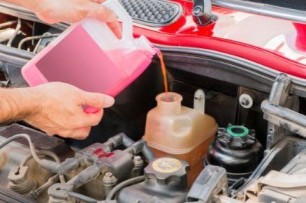
Top car care tips during the summer season
Be it the summer season, winters, or heavy monsoon, you need to take care of a few things to ensure your car's proper functioning and longevity. While external servicing and maintenance of your car are crucial, some particular factors ensure that your vehicle is up and running.
The summer season brings in good weather. But the drastic temperature rise can harm your car. In this space, we will discuss tips for caring for your vehicle during the summer season to keep it in good condition.
1. Cooling your engine:
Engines getting heated due to high temperatures are one of the significant causes of car breakdowns in summers. You can cool off the engine by using cooling systems in your car as recommended by the manufacturer.
2. Coolant refill:
To keep your cooling system in excellent working condition, make sure to refill the coolant according to the overflow status. According to most manufacturers, the cooling liquid mixture usually contains a fifty-fifty water to coolant ratio.
3. Inspect your car:
Some parts of your car are susceptible to heat damage and may deteriorate in high temperatures. Examine your vehicle, and replace any wear and tear or other damages as soon as possible. Also, keep an eye on the coolant leakages due to fuel expansion in summers.
4. Tyres:
Take a close look at your tyres. If they appear to be more inflated than required, get them checked. It's necessary to regularly monitor the air pressure levels in your tyres during the summers.
Failing to do so might risk a tyre blowout which can be a considerable safety risk, especially if you're on the road, examine your car tyres for signs of wear and tear and replace them if you find any damages.
5. Corrosion:
Once your vehicle reaches a specific limit, it is recommended to check your ignition system. The electrodes might corrode or wear out, so replacing the spark plugs is the solution to combat any ignition issues.
6. Air conditioning:
Examine the air conditioning of your car, especially in the summer season. Any defects leading to the disruption of the air conditioner can cause massive discomfort during your travels in such rising temperatures. Also, ensure that you inspect the compressor clutch while checking the air conditioning system.
7. Wipers:
The wipers of your car play an integral role while you're driving. They clear the windshield, making it easier to see while you drive. Replacing the wipers for the summer season with new ones would prepare you for the storms or rainy downpours midseason.
These were a few expert car care tips you will need to take care of your vehicle during the summer season. Apart from these tips, consider protecting your car against unprecedented circumstances. Emergencies like road accidents or damages to different parts of your vehicle can lead to heavy monetary expenses. To avoid paying a massive sum of money in such unforeseeable situations, you can explore various options and purchase car insurance online in India.
Click HERE to know more about how you can get car insurance online in India.
Disclaimer: The information provided above is for illustrative purposes only. To get more details, please refer to policy wordings and prospectus before purchasing a policy.

Here are the best tips for administering first aid for burns
First-aid tips and techniques have been a part of our educational curriculum since junior school. We all have learned the first-hand treatments one must do when there is a manageable injury or burn on our or someone else’s body. However, with time and as the level of injuries and diseases evolved, our knowledge about first aid falls short in terms of adequacy in the healing process.
Moreover, burns can happen anytime, primarily if operating around heavy machinery, fire, or in the kitchen. And it requires a lot of time to heal with proper care, ointments and medications, and extra precautions.
But what are some of the best ways to take care of these burns? What items should you include in your first aid kit to help you or someone else? Are there different degrees of burns, and which type of burns can first aid easily?
In this space, we’ll clarify all your doubts regarding first aid for burns. Let’s get started.
1. Minor or major:
A burn usually indicates tissue damage when the skin comes in contact with high flames, boiling water, sunburn/radiation, chemicals with corrosive properties, etc. Before starting the burn treatment, it is advised that you determine the degree of the burn to alter your treatment accordingly and determine whether immediate medical attention is needed.
A major burn occurs when the diameter of the burnt area is more than three inches, resulting in brown, black, and white patches with a dry and leather-like texture of the skin. In case of a minor burn, blisters appear on the burnt area, usually less than three inches in diameter. You will experience pain and inflammation, which might cause redness and soreness on the burnt site.
2. What you should NOT do:
Before we tell you the first aid tips you should follow, you need to be aware of the contamination of the sensitive and burnt part of the skin. Avoid using home remedies like butter, ice, water, etc., and immediately do not take any medications or remedies without consultation.
3. Must know first aid tips:
Remove jewellery items like rings, bangles, etc., from the burnt area. Cooling off the burn is essential. You can gently use cold water on the burnt portion and wet compresses to help with the inflammation and lower the pain. If you see any blisters, do not remove or poke them, as they protect the area from infection. If you see a blister pop, gently clean it with a disinfectant solution and cover it with an antibiotic cream. To ensure that the affected area does not dry out, use skin-friendly and chemical-free moisturisers. Aloe vera is a good option in such cases. Use sterile gauze and tapes to bandage the burn, but ensure that you do not tighten the grip of the bandage. Keeping it loose will prevent excessive pressure and alleviate pain.
You can take any doctor-recommended painkillers if the pain gets unbearable and causes too much discomfort. Avoid heavy tasks involving the burnt area, and avoid using fluffy cotton as tiny threads of cotton might stick to the burn risking the chance of an infection.
We hope you found the blog helpful. You must take care of your body and be extra cautious about your health to lead an extraordinary life. But sometimes, your efforts might fall short in unfortunate circumstances. To alleviate the monetary stress of such times, you must purchase the best personal accident insurance India which will provide you and your family with a reliable layer of financial protection.
Click HERE to learn more about the benefits of buying the best personal accident insurance India.
Disclaimer: The information provided above is for illustrative purposes only. To get more details, please refer to policy wordings and prospectus before purchasing a policy.

Group personal accident insurance is all you need to protect yourself against the financial distress of disabilities
Human resources are the greatest asset for any company. A good workforce can make or break a company. Companies often offer group personal accident insurance to protect their workforce from the loss of income from any kind of accident and related disability or death. The employees feel protected against financial uncertainties of work-related hazards with such insurance. It benefits employees working in heavy industries with dangerous machinery and surroundings.
Group personal accident insurance India is an effective way for employers to attract and retain talent. As an employee, it offers protection against the financial distress of disabilities and supplements your existing insurance covers. Let us know more about it.
1. Coverage:
Group personal accident insurance provides comprehensive coverage to an entire group against accidental disability and even death. Policies are customisable according to the number of people in the group and their specific needs. Hence, you can be reassured if your group is too large or small. Such policies provide discounts on a higher number of members in the group.
● Permanent total disability – Insurance companies will pay you the total sum insured in case of permanent total disability such as loss of leg, limb, eyesight, etc.
● Permanent partial disability –You are eligible to get up to 50% of the total sum insured in case of permanent partial disability, such as loss of one foot, loss of hearing, damage to eyesight, etc.
● Temporary total disability – You will get a certain percentage of the total sum insured in case of temporary total disability from an accident, depending upon your policy terms and conditions.
● Medical care – The policy will also cover your medical expenses, even if you are admitted for one day in a daycare treatment. Moreover, it will also cover your cost of OPD treatment, physiotherapy sessions, and ambulance transportation.
● Education – Some policies also come with an education add-on cover. The insurance company will take care of the education expenses of up to two dependent children in case of the insured person's death.
2. Need and importance:
Several industries require their employees to work on heavy machinery and risky surroundings, including the iron and steel industry, automobiles, pharmaceuticals, etc. A work-related accident can cause temporary or permanent disability, causing a financial crisis and a lot of trouble for the employees and their families.
So, if you are an industry employee, group personal accident insurance India covers you against such unfortunate accidents. It takes care of the hefty hospital bills for your treatment up to the limit of the policy amount. It also provides financial assistance to the nominee in case of the policy holder's demise.
Therefore, such a policy will give you peace of mind and protect you against the monetary distress of disability or death, allowing you to work stress-free with greater efficiency. It also helps build trust with your employer and strengthens professional ties for a long time.
3. Exclusions:
Group personal accident insurance India does not cover pre-existing diseases when purchasing the policy, self-inflicted injuries such as a suicide attempt, mental disorders, non-accidental medical treatments, hospitalisation due to substance abuse, criminal activities, or war. Ensure to read the terms and conditions of the policy to know more about the details. You may contact your employer or the insurance company if you've any queries regarding your coverage.
Group personal accident insurance India offers coverage that regular health insurance policy does not provide and also compensates the nominee with a lump sum payment in the unfortunate event of disability or death due to an accident. This can be a great financial support to your dependent family members.
Choose the best personal accident insurance India to provide complete coverage, support, and protection during the time of need.
Click HERE to buy personal accident insurance India policy.
Disclaimer: The information provided above is for illustrative purposes only. To get more details, please refer to policy wordings and prospectus before purchasing a policy.

Here are a few tips for skincare in older adults
Even if you've taken exceptional care of your skin throughout the years, it still ages. The youthful flush eventually disappears and the indications of ageing, such as brown spots, wrinkles, more frequent bruises, and dryness, start to be evident.
Your skin can convey your mood and show how healthy or unhealthy you are. As you age, taking care of your crucial outer self is important. For elders, here are some skincare suggestions.
Why does your skin alter as you age?
Skin changes brought on by ageing are typical and include a combination of the following:
● Allergies
● Weather
● Genetics
● Nutrition
● UV exposure
● Smoking is, among other things
The most harmful of these to the skin is continuous and direct exposure to the sun. According to research, among the people having skin illnesses, nearly 80% had one or more skin conditions requiring treatment or medical attention.
If you're an older adult, here are a few best skin care tips for you to enjoy a youthful and glowing skin.
1. Frequently moisturise your skin:
Emollients and fatty acids are combined in the best moisturisers to resemble the skin's natural lipids. Choosing an occlusive moisturiser can help you to build a barrier that will trap moisture in your skin and reduce water loss.
TIP: Always rub face moisturiser in upward strokes, never down. Apply a high-quality moisturiser to the skin after a bath to lock in moisture.
2. Wash gently:
With limited natural oil production, mature skin is extremely dry. Cleanse gently to prevent further drying out. It's okay to wash once per day. Use gentle cleaners as opposed to harsh soaps and alcohol-based products.
TIP: When washing, use warm water rather than hot and limit the number of baths or showers you take. If you enjoy unwinding in the tub, stay away from bath oils because they make the tub slippery and increase the chance of falling.
3. Eat right for gorgeous skin:
The saying "you are what you eat" has never been more accurate if you want skin that glows. Our skin's health is significantly influenced by our diet, which should be balanced and high in nutrients, vitamins, antioxidants, and necessary minerals. Include berries, melons, avocados, walnuts, oily seafood like salmon, and green vegetables. These items are a part of a healthy diet that can support maintaining healthy skin as you age.
4. Do maintain a simple, consistent routine:
Dermatologists advise simplifying skincare regimens. Irritation can result from excessive scrubbing, exfoliating, and product use.
TIP: As a general rule, use sunscreen, a cleanser, and a moisturiser, as these are the only three items that will make a consistent visible difference.
5. Avoid the sun:
This is the most crucial thing you can do for your skin! Dermatologists advise you to shield yourself from the sun's damaging rays.
● To protect your face and any other exposed skin, use a broad-spectrum, water-resistant sunscreen with an SPF of 30 or higher.
● When spending time outdoors, look for cover because the sun's rays are most intense between 10 a.m. and 3 p.m.
6. Drink water to rehydrate:
Never undervalue the importance of water or the benefits that staying hydrated may have on your skin and general well-being. Drinking water can give you radiant and clear skin.
Inner beauty begins with the skin. No matter how much money you spend on anti-aging therapies, poor health can manifest in your skin's appearance. Keep up a healthy lifestyle, and pursue your passions. After all, ageing is a natural process that includes wrinkles, fine lines, and age spots. Be proud to wear them!
Enjoy your retirement life with wholesome meals, daily and different exercise groups, and regular health and wellness events. Also, invest in the best health insurance in India for parents to secure your finances from uncapped medical expenses due to ageing.
Click HERE to buy the best health insurance in India for parents.
Disclaimer: The information provided above is for illustrative purposes only. To get more details, please refer to policy wordings and prospectus before purchasing a policy.
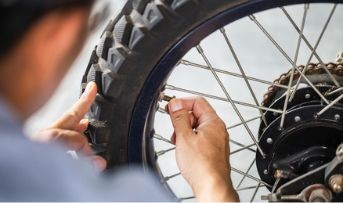
Get your tyres checked if you hear screeches regularly
The engine is often considered a two-wheeler's most crucial component. However, an experienced motorcyclist would tell you that well-maintained tyres are equally essential for a safe and enjoyable bike ride.
The various squeaks, screeches, and rumbles can tell you about a tyre's health. Since your contact with the road is made via tyres, they have a crucial role in defining your riding experience. Taking optimum care of your bike's tyres ensures longevity and a smooth ride. Buy 2 wheeler insurance online and get your bike serviced regularly to maintain your bike's safety.
Do tyres always make noise?
You cannot completely eliminate noise from your tyres. The rubber will make noise as it rolls against any surface. Natural rubber friction against the road will be the source of most of the noise your tyres make. Also, air flow through the moving tyre treads further increases the noise.
On the road, the sounds made by various tyre brands and products vary slightly. The sounds your tyres generate have a language, but translating them takes practice.
Let's now understand different screeches and how to care for them.
1. Squealing tyres:
The possibility of tyre squealing exists, especially while making sharp turns. You can hear this frequently in parking lots. Your front tyres may be underinflated if they appear to be making this squealing noise. You should check their pressure even if the tyres don't appear underinflated.
2. Squeaking tyres:
You need to pay immediate attention if your tyre makes a squeaking noise. Compared to a screech, it's riskier. The front tyres typically exhibit uneven tread wear, which a screech can indicate. You may feel some pulling to the left or right. Go to the tyre shop right away to have your wheels balanced, aligned, and tyres checked.
3. Grinding tyres:
The time to be afraid has come if you hear your wheels grinding. The most likely reason is your brakes' failure due to worn drums or pads. Get your two-wheeler inspected right away, wherever you are.
4. Rumbling and vibrating tyres:
Your tyres may rattle and tremble on some road surfaces, particularly ribbed ones. A worn wheel bearing may be indicated by rumbling and vibration from your tyres, especially if the noise gets louder as you go faster. It is a significant cause for worry since the wheel bearing holds the wheel in place.
Whether you are turning swiftly or braking hard to halt quickly, screeching tyres are to be expected. Low tread depth may be the issue, which you can resolve by taking your 2-wheeler to a tyre shop.
Dealing with unidentifiable sounds:
Sometimes you instinctively know something isn't right after riding on a pair of tyres for a while. When you hear a noise, you might not be able to place it in a certain category or even identify it, but you get the impression that it doesn't sound right. This might even happen if you stumble over a pothole. Other reasons might be the low tyre pressure, the tread may have worn down, or your bike's wheel may have fallen out of alignment.
Remember to pay attention to tyre sounds. Take a conservative approach if you are unsure of what it signifies. Check the two-wheeler and the tyres. Safety is the utmost priority for any rider on the road. The easiest way to prevent mishaps is to pay attention to your bike, regularly get it serviced, and purchase 2 wheeler insurance online as a prudent safety cover.
Click HERE to buy 2 wheeler insurance online.
Disclaimer: The information provided above is for illustrative purposes only. To get more details, please refer to policy wordings and prospectus before purchasing a policy.

Here are a few home remedies to treat psoriasis
Your body is a temple, and you must take care of it to ensure your physical, mental, and emotional well-being. However, certain conditions can take longer to cure, and their development or progression varies from person to person. One such condition is psoriasis.
If you are new to this term, let us explain psoriasis. It is a disease of the skin, which manifests itself by creating a rash with itchy and scaly spots and patches, usually on the elbows, knees, scalp, and trunk of your body. This inflammation in the skin caused by psoriasis is an autoimmune condition, and there is no single method to treat it. As every instance of psoriasis differs from the next, the treatment prescribed by dermatologists also differs.
This blog will shed more light on these treatments and the few home remedies to treat psoriasis.
1. Aloe vera to the rescue:
Aloe vera is believed to be very beneficial for managing your psoriasis and calming the inflammation of your skin. And the best part? It is readily available and hassle-free if you want to grow aloe vera in your home premises organically. If you are using aloe-vera infused creams, it is medically recommended that you use the ones with 0.5% aloe vera and apply it three times a day to treat the discolouration, rash, itching, and scales on your skin.
2. Warm water to cleanse:
Who doesn't like warm water baths? The soothing water at the right temperature falls on your skin, relaxing your body. But there is a disclaimer! You must strictly avoid "hot" water. It might not be helpful with the inflammation of the skin due to your psoriasis condition. Warm water is advised. You can add mineral oil, Epsom salt, or olive oil to help with the rashes and itchiness.
But you must be careful about specific things to avoid triggering or worsening your symptoms. Some instructions include: showering once a day, a maximum of fifteen-minute bath, using a soft, moisturising soap bar, patting dry, and applying a skin-friendly moisturiser post-shower.
3. The household's favourite – turmeric:
Every Indian household's favourite ingredient for cooking or home remedies is turmeric. There have been many studies on the usage of turmeric and its benefits which have suggested fruitful results in using this age-old home remedy in Indian culture. Turmeric has anti-inflammatory abilities, which help rid psoriasis.
4. Omega-3 is essential:
Omega-3 is an essential component that helps to strengthen your body's immunity, prevents heart diseases, reduces the chances of stroke, acts as protection against cancer, and much more. The omega-3 fatty acids are believed to lower the inflammation levels of the skin in your body.
Other ways to help you manage your psoriasis include keeping your stress levels in check by meditating, journaling, aromatherapy, anxiety management (therapy), etc. It is also advised to monitor your body weight and control it if necessary. Living with psoriasis compromises your immune system, which makes you prone to other health issues. Therefore, maintaining a moderate body weight is essential.
It's high time that we all understand the significance of our health, especially after the pandemic. While you try your best to stay in optimal health, you must be ready for any health crisis that might come without warning. Therefore, you must get online health insurance to avoid such unforeseeable situations. Explore your options and purchase the best online health insurance that caters to your needs.
Click HERE to learn more about online health insurance.
Disclaimer: The information provided above is for illustrative purposes only. To get more details, please refer to policy wordings and prospectus before purchasing a policy.

Complete guide to become a professional driver
Driving a car can be one of the most joyous and liberating feelings in the world. Cruising through the roads, being in control and manoeuvring your vehicle is sure to give you a sense of euphoria. While many of us master the art of driving effortlessly within a short period, others might take a considerable amount. The important thing to remember is that developing driving skills is a matter of experience.
In this article, we will discuss a few ways to develop your driving abilities and become a skilled driver.
1. Understanding how your car works:
An expert driver should be able to manoeuvre every car. But as a start, before you can take your vehicle out, understand its mechanisms and how it responds to adverse weather conditions. This will help you manage your car better if presented with any circumstance that you have had no prior experience with.
2. Configure the mirrors:
Mirrors should perform their intended functions. Knowing what mirror angle works best for you is crucial. Set your mirrors so that the sides of the chassis are not visible anymore. Upon setting up the mirrors the right way, you can reduce the blind spots significantly.
3. Turn signals:
Many people often neglect to use the indicators. However, it is vital to understand that the turn signals are not for you. They alert other people behind or around you about your next move. Warning others will help reduce accidents or crashes on the road.
4. Keep a margin:
This might seem futile when you are traversing through slow-moving and congested traffic. However, leaving a margin between your vehicle and the vehicle ahead is necessary when you are driving fast on an empty road. This helps avoid potential crashes in case of a sudden brake by the person ahead of you. A thumb rule to follow is the 10-second rule. Keep a checkpoint for reference and note the time the vehicle ahead of you passes this point. Ensure that your vehicle follows with a gap of 10 seconds.
5. Be responsible towards others:
When talking about good driving skills, one of the most neglected factors is the responsibility towards others. Being empathetic towards others on the road is the trademark of a good driver. Unnecessary honking, not adhering to speed limits, not warning the other drivers, etc., can lead to agitation and even accidents. Being calm during such situations can go a long way.
6. Practice night driving:
Traversing through night traffic can be challenging the first few times. Instead of taking your car at night during heavy traffic hours, start practising on relatively empty roads to get comfortable with the headlights from the opposite vehicles. Understand the rules of alerting fellow drivers during the night and stick to them.
These are a few ways in which you can improve your driving skills. Being confident and practising adds to your experience and makes you a better driver. As a beginner, handling a 3000-pound motor can seem daunting. Keep in mind that being intimidated is entirely normal. Start with open grounds and slowly make your way into heavy traffic roads.
Another thing to consider is that sometimes, accidents might happen due to the negligence of fellow drivers or some unexpected situations. To help you rest easy, consider buying motor and personal accident insurance. Personal accident insurance covers all the expenses you will face in case of an accident and compensates for your losses.
Click HERE to know more about personal accident insurance India.
Disclaimer: The information provided above is for illustrative purposes only. To get more details, please refer to policy wordings and prospectus before purchasing a policy.

Best tips to overcome your driving test nerves
While buying a car is hectic and time-consuming, learning how to drive a vehicle is a different ball game. We all know that Indian roads are chaotic, and sadly, the strict implementation of traffic rules is lacking. People are ignorant of the traffic rules. The high number of vehicles on the road makes it difficult for the traffic police to control the cars and catch the ones breaking the regulations, thus encouraging the environment of neglect. New learners find it challenging to navigate the roads under such conditions and risk a massive chance of landing in or creating an accident or collision with other vehicles, poles, and bumpers if they are not extremely vigilant.
Considering the above reasons, it is imperative for any potential learner or driver must pass a driving test with good scores or grades to show their understanding and make them eligible for driving on the road.
This driving test examines a candidate based on a written and practical test. Both these tests are focused on your knowledge of the traffic rules and road conditions, situational risks and solutions to avoid any accidents, and a practical display of your driving skills catering to the tasks given by your examiner. This driving test is extensive and essential, which is why many test takers get nervous before the test.
Are you someone who gets the pre-exam jitters that makes you anxious about the upcoming test and interview? Well, do not worry. This blog has the best tips to overcome your driving test nerves. Here are a few tips to get you started.
1. Confidence is key:
It would be best if you assured yourself that you are ready. You have studied well for the test and practised your driving skills enough times to be confident that you will pass your test with flying colours. You need to be satisfied that you will not be able to take this test until and unless your driving instructor thinks you are ready. So, if you are applying for this examination, you must avoid hyping up the test and magnifying its importance to make yourself anxious. This test will examine your skills in something you have done many times already.
2. Do not tell everyone:
Avoid telling everyone that you are about to take your driving test. Keeping it a secret will help you avoid the millions of tips and techniques people will say to you, and various negative reviews you might come across will make you more nervous and break your confidence. Losing confidence is not something you can risk. So, avoid revealing your test dates and take the pressure off.
3. Never skip your meals:
Skipping your food and having anxiety about your performance on the test is not a favourable combination. It might make you weak or cause a panic attack, which will eventually force your examiner to declare you unfit for the test, and you might have to reapply and go through the hassle again. Therefore, have a light meal, like some fruits, salad, or something which is fulfilling and energetic and does not make you drowsy.
Some other tips to overcome your driving test nerves include:
● Using the washroom before you go in for the test
● Washing your face lightly to wean off the pressure
● Chatting with your driving instructor to create a normal atmosphere
● Not consuming caffeine for a couple of days before the test
● Consider the actual test to be a mock examination
● Carry a jacket in case the exam hall gets cold
● Avoid too much revising on the day of the test
● Arrive at the test centre well in advance to give yourself some time to calm down and understand the procedure of the test
These are some of the best tips to overcome your driving test nerves. Follow them righteously, and you will pass the test with ease. And while we talk about driving tests, we should discuss the necessity of purchasing car insurance too. After getting your driving licence, car insurance is the next essential document you need to drive a car legally. Compare new car insurance rates and consider other factors before buying a policy.
Click HERE to learn more about comparing new car insurance rates.
Disclaimer: The information provided above is for illustrative purposes only. To get more details, please refer to policy wordings and prospectus before purchasing a policy.

Follow these steps if you're concerned about the authenticity of your bike insurance
Hundreds of options are available for your bike insurance, both online and offline. You must have encountered tempting advertisements promising you the lowest premium with complete coverage for your bike. Also, we frequently receive calls from insurance companies or their agents with lucrative offers for buying our bike insurance from them.
But wait a moment. Are all these offers authentic? Will they provide you with complete protection, safety, and quick claim disbursal in the unfortunate event of your bike accident? You need to follow these steps if you have the slightest doubts and are concerned about the authenticity of your bike insurance.
1. Check with IRDAI:
The first step for checking the authenticity of your bike insurance is to check the website of IRDAI (Insurance Regulatory and Development Authority of India) and search for your insurance company. The insurance company will probably be a fraud if its name is not on the IRDAI website.
2. Go for a brand:
Always choose a bike insurance policy of a reputed company or brand. An insurance company that is well-known and reputed in the market is less likely to cheat and issue a policy with false claims and promises. Also, the chances of a fake policy from such companies are almost zero.
We often buy a bike insurance policy on the advice of an insurance agent or by getting influenced by some advertisement. You should first call the customer care of such companies and verify the policy details being sold to you. Also, you may visit the nearest branch of the company and verify the details there. Check whether the policy contains the same IDV (Insured Declared Value) and all the add-ons promised earlier to you. Buy the bike insurance policy only after you are certain about its genuineness.
3. Premium receipt and other details:
A genuine bike insurance policy will always issue a receipt for the premium paid by you. Also, the policy document will contain all the details, such as your name, policy tenure, terms and conditions of insurance coverage, etc.
To ensure the authenticity of your bike insurance, always insist on a hard copy of your premium receipt. Review your policy document thoroughly and ensure it contains all the required details.
4. Mode of premium payment:
A bike insurance company will give you several options to pay your bike insurance premium. You can pay it online through its website or issue a cheque in the insurance company's name and hand it over to the insurance company’s office or your insurance agent.
If your insurance company or agent is insisting only on cash payment or payment by cheque/bank transfer in the name of a person, it should be a red flag for you. The insurance company or the agent in between might not be genuine and authentic.
5. Verification link:
Insurance companies nowadays validate a bike insurance policy on their official portal at the time of issue. You can check the authenticity of your bike insurance policy by checking whether this link redirects you to the official website of the insurance company or not. This is especially important if you buy your policy from a 3rd party vendor.
The digitalisation of insurance services has contributed greatly to the progress and development of the insurance industry. However, fraudsters find new ways to dupe you while selling you a bike insurance policy. You need to be vigilant to protect your hard-earned money. Always verify the authenticity of your new bike insurance policy and its details before paying for it.
Bike insurance is compulsory under the law, and you must buy it from one source or another. Visit the nearest branch office of bike insurance companies, or go through their offerings in detail on their website. Call their customer care and confirm the details. Buy a good bike insurance policy that is genuine and does what it promises to do.
Click HERE to buy reliable bike insurance for your valuable two-wheeled asset.
Disclaimer: The information provided above is for illustrative purposes only. To get more details, please refer to policy wordings and prospectus before purchasing a policy.

These are the six best destinations to enjoy paragliding
Every one of us has once had a dream of flying. As kids, we have looked at birds and planes and wished for the ability to fly. Today, we have various ways to live this dream. Different adventure sports like sky diving, hang gliding, and paragliding have created opportunities where people can enjoy a safe yet thrilling experience of being in the air.
India proudly displays unique landforms, making it one of the most enjoyable places for such activities. Paragliders have referred to paragliding as one the most unforgettable experiences of their lives. Being up in the air and away from the ground is sure to be one of the most humbling experiences of your life.
Today we will look at a few places in India that offer this experience.
1. Bir Billing, Himachal Pradesh:
Situated near Kangra Valley, Bir is a beautiful village in Himachal Pradesh. It has over 11 paragliding options, giving it the name of the 'Paragliding capital of India'. Bir promises you the spectacular views of lush green mountains and the beautiful sunsets that paint the sky in all shades of orange.
2. Panchgani, Maharashtra:
Panchgani is a small hill station in Maharashtra that offers training as well as flying for all paragliding enthusiasts. The landscapes of Bilar, Khinger, and Tapola are arguably one of the best locations for flying. The best time to visit Panchgani is between November and February.
3. Arambol, Goa:
Goa is famous for its beaches, food, and party life. But Arambol promises priceless views of the Arabian Sea and beautiful arrays of palm trees. Choose the evenings for your paragliding adventure to watch the sunset while you sail over the blue waters reflecting its golden shine.
4. Nandi Hills, Karnataka:
Situated close to Bangalore, Nandi is the perfect place for adrenaline junkies, as many tourists choose it for camping, trekking, and paragliding. People here are mostly seen enjoying paragliding in the day and camping at night.
5. Gangtok, Sikkim:
The land of magic, monasteries, and mountains, Gangtok is a must-visit for anyone who wants to combine adventure and spirituality on their trip. Paragliding in Gangtok promises you a bird's eye view of the unexplored places in Sikkim and a beautiful view of the mighty Kanchenjunga.
6. Shillong, Meghalaya:
The Scotland of the east, Shillong, has a wide variety of flora and fauna. Paragliding here is sure to be a cathartic experience. Shillong is a canvas of dense, lush forests and beautiful waterfalls. Visit during the summer months to ensure the magnificent view that this palace has to offer.
These are a few of the best places in India that offer you a safe and fun paragliding experience. Over the years, adventure sports have become more prevalent in India. While well-trained and licensed professionals are always there to guide you through the process, invest a fair amount of time researching the best paragliders in the area to ensure maximum safety. Add to this a personal accident insurance policy to help you evade any expense that you might incur in case of an accident.
Click HERE to know more about personal accident insurance policy.
Disclaimer: The information provided above is for illustrative purposes only. To get more details, please refer to policy wordings and prospectus before purchasing a policy.

Best hacks for home buyers to purchase their dream home at the best price
Purchasing a home is a long, chaotic and hectic process. In addition to the budget, multiple other things come into consideration when you plan to buy a house. With several financial and real estate scams happening around, it becomes challenging to be decisive about purchasing a house. Several apps, real estate agencies, and brokers claim to help you find your dream space.
But how would you know if you are being scammed under the name of getting the best deal worked out “especially for you” or if you are getting the best price for your house? Do not worry. This blog lists the best hacks for home buyers to make them aware of what they need to know beforehand and purchase their dream home at the best price.
1. Talk to your bank:
There is a certain urge to move into your dream place. But before you get the ball rolling on your shifting, make sure that you communicate with your bank about getting a pre-approved loan. The bank must be ready to grant you the loan at a certain set rate. In addition, getting pre-approved from the bank also acts as a symbol of trust and confirmation for the agents and house sellers on your house deal.
2. Dig a little deep:
When you are looking into properties that are available for sale, be it a new construction or an old one, always investigate thoroughly. You should seek information on the reasons why the property is on sale.
And if the agent or the seller is in a hurry to sell the house, more often than you might predict, it could be a potential red flag which should lead you to dig a little deeper and see if you are willing to purchase that particular house or property. Only make your offer after you have all the details.
3. Be smart about your offers:
While low-balling on the prices is practised in our culture, it might get risky if the market on your property or potential dream home is competitive. You might lose the opportunity to negotiate further on your offer. So, gather some information on the comparable bids, do little calculations and come up with the best price in your first shot at the proposal.
4. Keep an eye out for the inspection:
You must be very vigilant about the inspection results when the home inspector comes and checks out the place. If your deal has been finalised and accepted and your home inspector finds any issue which can cause discomfort in the future, you need to get in touch with the seller as soon as possible.
Have a polite discussion with the agent or the seller to bear the repair charges or negotiate the price again to bring it down a little, keeping in mind the damages (this would be a wiser decision).
Some other tips include offering a quicker final decision/closing, negotiating respectfully, discussing the amenities in detail, and making yourself ready to compromise a little. These tips will prove handy to you when you go out looking for your future home.
We hope the blog was helpful and gave you the information you wanted. While we are on the subject of buying homes, it is essential that you also look into the home insurance option in advance to avoid the hassle of piling things up for the end. Purchasing the best home insurance policy in India will help you protect your home and your family from unfortunate circumstances and avoid monetary stress during such times of distress.
Click HERE to learn more about how you can buy the best home insurance policy in India.
Disclaimer: The information provided above is for illustrative purposes only. To get more details, please refer to policy wordings and prospectus before purchasing a policy.

Best tips to clean the seat belts of the car
A significant issue prevailing in the minds of drivers and car commuters while driving on the roads is their safety. You should drive safely to avoid the chance of any mishap, as it is rightly said that precaution is better than cure. Wearing seat belts while driving is crucial to lessen the impact of accidents if ever you meet with one. Cars today have mandatory regulations and systems about wearing your seat belts. Many vehicles have alert signs and sounds that do not stop until the driver and the co-passenger have put on their seat belts.
Different types of people might sit in your car. Sometimes, kids might wipe their hands or gnaw on the seat belts, getting them dirty. The dirt and dust might affect the material, and they could begin to smell or have developing infectious germs.
Do you want to clean your seatbelts but find it complex and confusing to figure out how and what ingredients to use? Don't worry. This blog discusses some of the best tips to clean your car's seat belts.
1. Separate the parts:
To clean the seat belts properly, calmly separate the parts without damaging them. You can remove the buckles and other buttons using a screwdriver. Separating the components makes it easier to access the stains or dirty areas and work to make them clean.
2. Pull:
It would be best to pull out the seat belt entirely until it becomes stiff and cannot be pulled anymore. This will ensure a thorough inspection and cleaning.
3. Clip it up:
You can use clamps or paper clips to ensure that the seat belt does not retract back. This helps in easier accessibility during the cleaning process. You can place the clamp near the reel (where the rest of the seatbelt part is stored).
4. Inspect for corrosion:
The steel portions of the seat belt can rust over time. You can use steel wool to polish the steel buckle of the seatbelt.
5. Identify the dirtiest spots:
Use a degreaser and spray it to identify the stains on the seatbelts. After identifying the spots, you can clean them softly, avoiding the risks of damaging the material of the belts.
6. Materials you should use:
Do not use sharp objects for a light dusting of the seatbelts. It may damage the materials causing the seat belts to wear out. Microfiber cloths are your best option for dusting or wiping the seat belts after a proper cleanup using water and detergent.
7. Recommended ingredients for thorough cleaning:
Make a water mixture with distilled vinegar and dish soap (liquid). Vinegar has antibacterial properties and eliminates foul odour. Dish soap cleans the stains and spots gently of the seat belt. The mixture prevents the possibility of bacteria and moulds.
8. Dry the belts:
Let the belt dry before letting it retract back into the reel. If the belt stays wet, it can cause fungus development on the material, leading to infection, bad smells, etc. Leave the car open and let the seat belts dry.
You can use a brush with tiny stiff bristles to remove the stains and sweat spots that require deep cleaning for removal.
Along with cleaning the seat belts and maintaining other parts of your car, a wise option would be to be prepared for unprecedented circumstances. While you can control the cleaning and maintenance process, the possibilities of mishaps are not under anyone's control.
It is wise to stay monetarily stress-free by exploring your options and purchasing car insurance India. Car insurance is a wise investment that can guarantee you healthy returns during emergencies. Understand your requirements and accordingly browse and choose a plan offering the best benefits with a reasonable premium.
Click HERE to know more about how you can buy car insurance India.
Disclaimer: The information provided above is for illustrative purposes only. To get more details, please refer to policy wordings and prospectus before purchasing a policy.
A detailed guide on how plumbing works at home
When we say “water is life”, it is more a reality than a necessity. A day without running water in the pipelines of our house can be torturous, as we will not be able to take baths, use the washrooms or cook. This is where our home’s plumbing system plays a crucial role.
A plumbing system in any house is usually very complex. It is beneath the floors or hidden behind the walls. Hence, any fault associated with it cannot be repaired easily without damaging the walls or the floor. Therefore, it is vital to understand the plumbing network and how it works at home.
Main components:
The main components of the plumbing system are supply, drainage, and venting. These components help to separate the potable water from the wastewater. This ensures that we get fresh water for personal consumption while the wastewater is thrown away through the drainage system.
Modus operandi:
The water supply system in our home works with the help of water pressure. Good water pressure is essential for the free and uninterrupted flow of water in all taps and showers in our home. Pressure carries the water from the tank or source of supply to the kitchen, bathroom, or wherever we need it. The water supply system functions with the help of pipes, valves, faucets, and plumbing fittings.
The drainage system works by using gravitational force. The drainage pipes are downward sloping to direct the wastewater to the sewage line or the septic tank. This ensures that the wastewater does not flow back out of the drain and spoil your home.
Vents in the plumbing system are as important as the water supply and drainage systems. We can usually see these vents emerging from the roof of our house. They emit air into the drainage pipes, so the sewage gases do not mix in the drains. This air ensures that the traps in the drains do not open, and the entire plumbing system does not get contaminated and malfunction.
Hot water:
Getting hot water through your taps adds an extra step in the journey of the cold water. The cold water first flows to the electric geyser or natural gas water heater. If you plan to install the geyser in or near your bathroom, it involves laying off a few extra pipes through which cold water will reach the geyser, and hot water will flow back to the taps, faucets, or the kitchen.
However, if you plan to install a bigger water heater on your terrace, such as a solar-panel-enabled water heater, you must plan the plumbing system properly. It will involve a complex network of pipes that will take the cold water to the heating system and distribute it back into your home.
Supply shut-offs:
Nowadays, homes are equipped with individual supply shut-offs for freshwater in every bathroom, kitchen, or balconies and washing area. We need to simply shut off the respective valve where we are planning repair work. All individuals at home should also be aware of the main shut-off valve so that anyone can restrict the water supply to the entire house in case of any emergency or malfunction.
We only realise the importance of a good plumbing system at home when it malfunctions and needs repair. As we use this system hundreds of times daily, we must ensure it is top-quality.
Similarly, we need to ensure a good home insurance policy that takes care of our house and well-being by protecting it against damages arising from theft, fire, earthquakes, etc. We accept the importance of a home insurance policy only when the actual damage occurs. So why wait for such instances? Go for the best home insurance in India and keep your worries aside.
Click HERE to buy the best home insurance in India.
Disclaimer: The information provided above is for illustrative purposes only. To get more details, please refer to policy wordings and prospectus before purchasing a policy.

Let's understand the possible reasons for brake failures in cars
Failure of brakes can be a terrifying experience for drivers and have life-threatening consequences. According to statistics, a significant number of road accidents occur due to failed brakes. But how can you avoid such mishaps?
Apart from getting your car checked and serviced periodically, one way you can save it from landing in such grave situations is by being aware of the signs of brake failure.
This blog will discuss the possible reasons for brake failure in cars.
1. Brake cylinder:
A damaged or rusted brake cylinder is one of the leading causes of brake failure in cars. The brake cylinder's function is to compress the fluid. It consists of a fluid reservoir, which has a connected steel tube. There are higher chances of fluid leakage in the rusted pipe or the cylinder. This leakage can lead to brake failure.
2. Brake pad:
Brake fade is the term used for overheating of the brake pads. The overheating is caused due to excessive usage of the brake pads forcing them to become hard or fragile. Due to this, brake pads lessen their grip around the rotor or the disk, resulting in the car covering a certain distance before coming to a full halt when you press the brakes.
3. Overloading:
Overloading your vehicle can reduce the power of the brakes and potentially damage the braking system. You need to ensure that you follow the manufacturer's loading capacity to avoid the malfunction of the car's brakes.
4. Proper replacement:
Many people ignore the importance of changing the brake pads after some time. Brake pads can wear out due to excessive usage and lose their grip causing the brakes to fail. To avoid any risks, you must replace the brake pads and get the brake system thoroughly examined by a mechanic.
5. Moisture:
Moisture in the brake fluid can potentially damage the braking system. When the car runs, the liquid temperature rises, and the moisture (water droplets) becomes steam. The steam upon transmission can cause a brake system failure. Therefore, it is recommended to change your brake fluid after a certain period as instructed in the car manual.
6. Brake booster:
A brake booster magnifies the force you put on the pedal to push it. The failure of the brake booster can significantly lessen the maximum amount of power you need to slow down or halt your car.
7. Auto parts:
Using bad quality auto parts in your car is one of the worst decisions you can make. Their poor quality makes them unreliable and can lead to the failure of the brake system.
Other reasons which could lead to brake failure in cars could be damaged brake hoses, driving roughly through mud or water, issues with rotor disks, improper lubrication, etc.
Some other signs that indicate a brake failure:
• Issues with the brake pedal
• Dark brake fluid
• The braking system warning light is on
• The vehicle takes longer to halt
• Burning smell
• The car moves to one side when brakes are applied
• Grinding noises
That's a wrap on the discussion about some reasons for brake failure in cars. We all have understood the importance of keeping the vehicle in good condition. Unexpected brake failures can be a nightmare and lead to adverse consequences. It would be wise to undertake all the above possible reasons with severity and periodically examine your car's braking system.
Another way to safeguard your car against damages and accidents is by investing in car insurance. Review various plans and select the car insurance offering maximum coverage to your vehicle.
Click HERE to know more about best car insurance policy.
Disclaimer: The information provided above is for illustrative purposes only. To get more details, please refer to policy wordings and prospectus before purchasing a policy.

Before you buy your car, here’s all you need to know about ex-showroom and on-road prices
You have saved money for a long time to be able to finally buy your dream car and bring it home. It is a special feeling to give whatever it takes to turn your dream into a reality. However, you should know the various aspects of car buying in India. Before you consider buying a car, you need to understand the difference between the ex-showroom price and the on-road price.
If you don't know what these two terms mean, this article will help you. You will be familiarised with everything that can determine your car's price and help you consider all these parameters before you invest money in a car.
*pro-tip
You should always buy new car insurance for your car to keep it secure and take care of the expenses against any unforeseen accidents.
What is the Ex-showroom price?
The ex-showroom price is a price tag posted on various vehicles like cars or bikes in the showroom. It does not include road taxes, RTO registration, insurance, etc.
To understand the price at the ex-showroom, you need to know that:
● The ex-showroom price is the price you see being advertised on television, the internet, and on the car manufacturer’s website and brochures.
● You need to pay the additional amount for road tax, the registration fee for RTO, and insurance before you own a car. If you do not, you can be charged with a variety of penalties or challans in India.
● The price displayed as the ex-showroom price includes GST, ex-factory cost, and profit margins.
What is the On-road price?
The on-road price of a vehicle refers to the total price you pay to start driving the vehicle on the road. Simply buying the vehicle from the showroom is not enough. You must pay for several other things if you legally want to drive your car in India.
Some important things to consider under the on-road price are:
● It includes a variety of prices like ex-showroom price, registration fee, road tax, and insurance policy, among others.
● If you need any new accessories, they will also be added to your final bill with applicable taxes.
Difference between On-Road and Ex-Showroom price:
1. The ex-showroom price is the price tag excluding other factors like tax, insurance, and registration fee. The on-road price uses all the additional charges: life insurance policy, road tax, registration fee of RTO, and so on.
2. The ex-showroom price does not justify the final price of your car. You need to pay a lot of additional costs. On the other hand, the on-road price is the final price of a vehicle. You need not pay additional costs.
This gives you enough insight into how the car is priced at the showrooms. The price you see on the internet is clickbait to lure you into buying the car. You should be fully aware of the on-road price of a car before you buy it. This will help you analyse your budget better and prevent you from going overboard with your decision. You should also buy new car insurance that gives the best insurance coverage against any mishaps.
Click HERE to buy new car insurance to safeguard your valuable asset.
Disclaimer: The information provided above is for illustrative purposes only. To get more details, please refer to policy wordings and prospectus before purchasing a policy.

Six tips for choosing the right auto repair shop
Owning an automobile is one of the most rewarding things in life. Going on long road trips, midnight drives, or simply commuting between your office and home, having your own vehicle is sure to make you happy. But like everything, this also comes with its set of challenges. Zeroing down on the best car insurance company in India, and choosing the right auto repair service are just a few of the many things that need your attention.
Selecting an auto repair shop is not only about the care that your car gets but also about the rates, reviews, customer service, and overall experience. It is a good idea to look for options even before your automobile faces any issue so that you already know where to go. Let's look at a few ways to select a reliable auto repair shop.
1. Experience:
Your car's relationship is with the mechanic, not the company. Look at customer reviews online and get to know the mechanic who will be working on your vehicle. Having an experienced mechanic allows you to have peace of mind.
2. Company-specific service provider:
Repair shops that specialise in specific companies have more hands-on training with upgraded instruments and tools. So, it is best to go to a service provider who deals with the same company as you.
3. Online reviews:
Online reviews are a great way to understand the history of the company. More often than not, people tend to leave reviews of bad experiences they have had with the company. Keep in mind that not all companies have a 5-star rating. So going by the reviews and personal entries, you can make an informed decision about what kind of service you require.
4. Estimate pricing:
Solely depending on your car servicing agent might not be a good idea. Asking around in various service centres and mechanic shops, online rates, etc., can be an excellent way to estimate the money you might have to shell out during or after the process.
5. Warranties:
Ask your mechanic about warranties on different parts. This time frame varies from place to place. Having a good warranty period is crucial to ensure better car performance. A warranty ensures that you get a replacement free of cost.
6. Off-site services:
Sometimes, your car can break down during your journey. Under these circumstances, having your service provider's support will make it easier to avoid further damage. Before signing up for the services, talk to the staff and understand if they are willing to service your vehicle outside of the service centre. Having this added benefit goes a long way and ensures the credibility of your repair shop.
You need to keep these points in mind while choosing your repair shop. Having the right mechanic work on your car is a boon for you and your vehicle. Poor servicing can lead to poor performance and be costly in the longer run. To save yourself from the extra expenditure, it is an excellent option to first look for the best car insurance company in India. Car insurance can offer a bundle of exclusive benefits useful during unexpected mishaps.
Click HERE to know more about the best car insurance company in India.
Disclaimer: The information provided above is for illustrative purposes only. To get more details, please refer to policy wordings and prospectus before purchasing a policy.

Practice these care tips to keep your car's tyres and rims in good condition
A car has become more of a need than a luxury in recent times. It makes commuting and travelling highly convenient. People invest their time, effort and capital while purchasing a car to ensure it is to their liking while meeting their requirements. Many factors influence their purchase, like the model, budget, convenience, features, etc.
Taking care of your vehicle is crucial. You need to ensure that your car is regularly maintained, cleaned and goes for servicing periodically, as instructed. Always use authentic auto spare parts and follow all the service standards recommended by the manufacturer.
There are also chances that many exterior parts might get damaged due to extensive use of the vehicle. The wheels face maximum wear and tear due to constant friction. Practice these care tips to keep your car’s tyres and rims in good condition.
1. Pressure:
It is essential to check the air pressure of your car’s tyres, preferably before you start driving. Suppose the pressure is below the recommended limit, then there is a considerable danger of a blowout that might disbalance your car. This condition can wreak havoc on your driving and risk your safety. In addition to this, low pressure also reduces your vehicle’s efficiency, mileage and affects the life of the tyres.
2. Inspection:
You need to deeply examine your vehicle’s tyres for unusual wear and tears, cuts, punctures or other damages. Get the car checked by an expert for repair or replacement if needed. In case of a puncture, replace the tyre with a spare until you get to a service centre and have it inspected by a mechanic thoroughly. Call a professional if you’re stuck with a damaged tyre in the middle of a long-distance road trip.
3. Rotation:
Maintain a rotational routine of your car tyres to ensure an even balance of tread wear. Ensure proper examination of the tyres by a professional during the rotation procedure. They can help you determine early or late wearing down and find the reason to save you from any further risks.
4. Curbs:
Bumping into or driving close to the curbs can damage or bend the rims. Try practising parallel parking with cones or other items that will not scrape off your rims if you bump into them.
5. Properly clean up:
Use standard quality products and cloth materials to clean the rims of the wheels. You can risk corrosion of the metallic coats and cause damage to the alloys if you use acid-based cleaners. Use a gentle soap and water mixture and rub firmly to make the rims shine.
6. Alignment:
Misaligned wheels can lead them to wear out unevenly. This ultimately causes loss of control, reduces their strength, and amplifies fuel consumption, reducing efficiency. Get your alignment adjusted whenever you get your car inspected by a mechanic.
Other tips to keep tyres and rims in good condition include maintaining good driving practices, avoiding overloading your car, inspecting the tread depth, ensuring that the spare tyre is in perfect state, accurate wheel balance, etc.
We covered one crucial aspect about taking proper care of your car. But to avoid any severe damages and monetary stress due to unprecedented circumstances, it is wise to get your vehicle insured. Purchase car insurance that caters to your needs and safeguards your vehicle from damages and financial loss.
Click HERE to know more about car insurance.
Disclaimer: The information provided above is for illustrative purposes only. To get more details, please refer to policy wordings and prospectus before purchasing a policy.

A complete guide on hamstring injuries and the best ways to get relief
While YOLO (You Only Live Once) can be the mantra for many of us to enjoy and create beautiful memories, it is also important to remember that accidents come without warning. The slightest of injuries can make your life uncomfortable to an unimaginable extent. You can never be too cautious, and it does not harm to be careful and vigilant about the body against the potential dangers in the surroundings.
This blog is a complete guide on hamstring injuries and the best ways to get relief. If you are someone who has no information about hamstring injuries, their diagnosis, recommended treatments, symptoms, and causes, do not worry. Here we answer all your questions about hamstring injuries right from the meaning. So, without any further delay, let’s get started!
1. What is a hamstring injury:
Often, you might have noticed athletes and people who are into fitness and go to the gym regularly get their muscles pulled. A strain or a tear in the muscles or tendons in the backward portion of your thigh is described as a hamstring injury.
Athletes, gymnasts, and sportspeople who practice long jumps, high jumps, climbing, etc., are usually at risk of these hamstring injuries, which can make movement and daily chores and practice very difficult for them. In some cases, the severity of the damage and the induced pain can lead to getting disqualified from the competition or complete bed rest.
2. Let’s learn a little more about hamstring:
The hamstring joins the bone and the largest thigh muscle in your body and helps the leg bend and stretch easily. When you jump, climb a rope, jump, stretch, run or sprint, your hamstrings are used extensively.
The level of the injury is described by the extent of damage caused to the hamstring. A grade one injury involves a slight muscle pull, whereas a grade two injury indicates a partial muscle tear. The most severe grade three injury occurs when there is a complete muscle tear.
Note: if someone has suffered a hamstring injury, it makes them prone to it in the future if they do not take proper care.
3. How is the hamstring damaged:
The causes include overstretching, lack of rest combined with fatigue after a heavy workout session, a direct hit on your thigh, insufficient warm-up before athletic and sports activities or workouts, lack of a pre-conditioning program, and a history of hamstring injuries.
4. What are the symptoms:
You need to be aware of the symptoms of different grades of hamstring injuries (as discussed in the second point). If you have a grade one injury, you will experience sudden increasing pain in the backward portion of your thigh, leading to difficulty in movement. In this stage, your leg strength will remain unaffected.
If you have a grade two injury, you will experience some inflammation, redness, swelling, soreness, bruise patches, and a decrease in the strength of your leg. A grade three injury will worsen the pain, inflammation, swelling, bruise marks, and tenderness. A popping sensation occurs when you initially injure the hamstring.
5. Best ways to get relief:
The RICE method: rest, ice, compression, and elevation are essential to help you manage the injury and get relief from the pain and the soreness in your hamstring. Avoid excessive movement till the soreness goes away and the swelling goes down. Ice the area at fifteen-minute intervals for the next day or two.
A thigh sleeve (elastic, preferably) or a compression wrap is a wise choice to help support the area during the slightest movement. Subtle exercises like lifting your leg to a comfortable level while sitting on a chair or the edge of the bed help during the icing intervals. Crutches are advised if the movement is unbearably painful.
You must be careful and take the required measures to be watchful about your body. It is also wise to get personal accident insurance to avoid monetary stress in times of difficulty. You can explore all your options and purchase the best personal accident insurance online which suits your requirements.
Click HERE to learn more about buying personal accident insurance online.
Disclaimer: The information provided above is for illustrative purposes only. To get more details, please refer to policy wordings and prospectus before purchasing a policy.

Get rapid relief from sore throat with these natural remedies
Waking up with a sore throat can be worse than waking up from a nightmare. Every time you gulp your food or cough feels like sheer torture. On most days, the sore throat may vanish if you drink enough warm liquids, but sometimes it can take days to heal.
The pain and itch in the throat can be troublesome enough to distract you from your day’s routine and cause constant discomfort. There can be several causes for a sore throat like viral and bacterial infections, acid reflux, etc. While taking medicine for these illnesses is an effective way of getting rid of soreness, it may still take time to give you some comfort.
Antibiotics can take days to help, and if you have an important meeting to attend, you may be in for some trouble. Worry not; here are a few helpful natural remedies that can give you instant relief from a prolonged sore throat!
1. Saltwater gargles:
Gargling with salt mixed in warm water is one of the best and quickest remedies to relieve a sore throat. If an infection or inflammation causes your sore throat, warm salt water can help kill the bacteria present in the throat and reduce any inflammation.
Mix half a spoon of salt in a glass of warm water and gargle for at least 10 minutes. This will instantly kill any germs present, soothe irritation and calm swelling or inflammation.
2. Honey and Lemon:
Honey has antibacterial properties, which significantly reduces inflammation and soothes your throat. Lemon juice contains vitamin C to boost your immunity, break down the mucus and help you fight your infection. Add one spoon of lemon juice and two spoons of honey to warm water or tea and sip on it as a soothing concoction to get pain relief in a matter of minutes.
3. Chamomile or herbal tea:
Our ancestors have used herbal teas for ages knowing their medicinal properties. Chamomile or herbal tea has antioxidant properties that instantly calm inflammation and kill germs. Drink a cup of hot chamomile tea to soothe your throat from itching. You can add ingredients like turmeric to the tea to boost your immune system.
4. Steam inhalation
Steam inhalation is the best way to relieve your blocked sinuses, kill germs present in your nasal and throat cavity and clear the throat. It also helps you expel all the phlegm that may be causing congestion or soreness in your throat. Boil a pot of water and inhale through your nose and mouth to instantly relieve your sinuses. Continue this for a good 15 minutes to calm your irritable throat.
5. Cough syrup and lozenges:
While doctors usually prescribe cough syrups to fight infections, you can also use them to soothe your throat. Cough syrups have soothing anti-inflammatory properties that act not only on the infection but also on the inflammation in the throat.
You can also chew on lozenges containing ingredients like gingers, honey, lemon and peppermint to produce enough saliva that prevents your throat from drying out. This ultimately soothes your sore throat.
While you can simply buy online health insurance and ensure a safe future for you and your family, dealing with constant health ailments can be vexing. These few quick home remedies can give you rapid relief from a common cold or sore throat to make your daily life simpler! Try practising mindful activities like yoga, meditation, and pranayam to keep your body in the best shape possible and promote a healthy lifestyle.
Click HERE to buy online health insurance.
Disclaimer: The information provided above is for illustrative purposes only. To get more details, please refer to policy wordings and prospectus before purchasing a policy.

Best tips for uphill bicycle riding
Cycling has seen an increased number of enthusiasts over the past couple of years. Fitness lovers found a new way to keep themselves fit by cycling to the public parks as an alternative to the gyms. Cycling is an activity that does not require a lot of skill and techniques. Still, if you want to learn more about cycling as a sport or wish to venture into various terrains on your bicycle, there are a few things that you should keep in mind to make the process easier and more enjoyable.
One of the most challenging parts of cycling is traversing uphill roads. It is both exhausting and time taking. But with the proper techniques, you can easily manoeuvre this route.
Today we will discuss a few ways to make your uphill journey on the bicycle easier.
1. Do not start fast:
Many riders make the mistake of starting fast, right at the bottom of the uphill journey. This can be the first mistake that you make while riding uphill. Depending on the ascend and the steepness of the slope, it is best to distribute your energy and utilise it on the last leg of the peak. The final portion of the rise requires the maximum energy as it is the steepest part of the ascend.
2. Alternate between sitting and standing position:
Alternating between these two positions can help you significantly in manoeuvring the climb. Cover the distance while being seated and as you reach the final climb, stand up to increase the energy and to acquire the desired push. Activate your muscles, lift your body, and apply pressure using your legs to pedal heavily.
3. Finding a rhythm:
For longer climbs, it is best to set a riding pattern. As mentioned above, switching between speeds, positions etc., can help you form a rhythm and help you focus your energy more on riding instead of ascending.
Find a rhythm that works for you. Gasping is a sign of wrong techniques and wasted energy. For more extended periods of time on the ascend, your breathing should be deep constant.
4. Set small milestones:
Conquering the peak in one go can be a daunting task. Instead of looking at it as a mammoth assignment, it is best to set smaller goals instead. While making the climb, take note of the small details on the road. Like a post box, garbage bin or a tree. Setting these small goals can be an incentive for you.
You can associate these goals with rewards, such as after you reach a goal, you can change your pace, try a new method or just stop for a bit. This way, the road becomes a journey and not a task.
5. Don’t fight the wind:
Fighting the wind is probably the worst thing a rider can do. Your overall speed and energy levels are massively affected by the wind and its direction. Fighting against the wind always means using up all your energy which you can use later for your ascend. Instead, go slow if the wind is against your riding direction.
Sparing sometime of your day for such physical activities can help you in the long run. However, excessive cycling can lead to injuries and a weaker immune system. Uphill riding is never an easy venture, and acing it requires fitness and determination.
In the process, you might even face injuries and mishaps. This is why it is essential to strike a balance. In case of an injury, doctors suggest various physiotherapy sessions and other medications. These treatments can burn a hole in your pocket; hence you should consider buying an individual personal accident insurance policy. Individual personal accident insurance policy safeguards you in case of accidents and injuries, and the cost incurred during your treatment.
So, keep your passion for cycling alive, and ride your way to fitness!
Click HERE to know more about individual personal accident insurance policy.
Disclaimer: The information provided above is for illustrative purposes only. To get more details, please refer to policy wordings and prospectus before purchasing a policy.

Understand these signs that show newborn illness and immediately act on them
Bringing home your newborn from the hospital is a wonderful yet challenging experience as a parent. The fear of the infant getting sick is a big worry. It takes time to understand typical infant behaviour and gauge abnormalities, which can be challenging.
Detecting initial signs of illness is crucial as it gets difficult for infants to fight off diseases that spread swiftly due to weak immune systems. Comparing family floater plans offered by online health insurance companies is an equally important step to consider to protect your baby.
Additionally, here are some symptoms of newborn illnesses to be aware of.
1. Consistent crying or irritability:
A baby can only communicate its needs by crying, be it hunger, tiredness, loneliness, a change of diaper, or discomfort. At first, you might not understand your baby's cries, but cancel out reasons to identify the cause. Consistent irritability and cries are signs of sickness.
2. Fever:
Bacterial and viral infections, including pneumonia, ear infections, stomach bugs, and urine infections, can cause a fever. Use a digital or mercury-free glass rectal thermometer to take your child's temperature. A temperature of up to 100 degrees is considered normal. For children younger than three months, a temperature of 100 degrees or more, and 101 degrees for children between 3 and 6 months is the threshold, after which you must immediately contact the doctor.
3. Apathy or laziness:
Being tired, dizzy, listless, or excessively sleepy without responding to sounds and sights or reduced appetite are gradual changes you may notice. Lethargy may be a symptom of an infection or other illnesses, like low blood sugar. If your infant shows fatigue or isn't as active as before, consult the doctor.
4. Little appetite:
Most babies eat every three to four hours after the first day, and they will typically express their hunger by sucking on their hands or fingers, screaming, or making yelling gestures with their hands or fingers. Contact your paediatrician if your infant refuses to eat and skips multiple feedings.
5. Vomiting and diarrhoea:
Intestinal, bacterial, or viral infections and obstructions can cause vomiting and diarrhoea. Regular examination of your baby's poop can help the doctor identify bacterial infections. The symptoms of viral infections generally go away after about a week without medication.
6. Inconsistent stools:
Your infant may lose excess fluids due to a fever, illness, or heat and have extremely dry stools. Once your baby begins eating solids, excessive consumption may cause constipation and the formation of firm stools due to difficulty in digestion.
7. Urination:
Typically, babies soil a minimum of four diapers daily. Excessive urination could be due to an infection or other urinary tract issues, such as distress while peeing. A pinkish stain on your baby's diaper indicates concentrated urine and is not worrisome—however, blood in its diaper or persisting discomfort requires a doctor's intervention.
Immediate steps of actions:
Caring for an infant is a significant responsibility that requires prior planning. We encourage to-be and new parents to compare infant insurance offered by online health insurance companies and prioritise their child's health.
Once you notice any symptoms persisting for long periods and deviations from typical behaviour, rush to the doctor. Ensure you follow the doctor's advice to nursing your child back to health. Additional preventive measures include:
● Introducing easy-to-digest foods
● Keeping a constant watch on your newborn
● Maintaining a clean environment
Dealing with kids is always a challenging task, especially when it comes to infants. Since they have weaker immune systems and cannot do things for themselves, it is the parent’s responsibility to make prior arrangements to provide the best possible environment for the infant to thrive in. You can start by including your infant in your family insurance plan after carefully considering the alternatives online health insurance companies offer.
Click HERE to buy insurance for infants from online health insurance companies.
Disclaimer: The information provided above is for illustrative purposes only. To get more details, please refer to policy wordings and prospectus before purchasing a policy.

Know more about the long term effects of using cosmetics
Cosmetics have become an integral part of our daily lifestyle. Facial makeup, perfumes, nail polishes, eye makeup, hair colours, etc., all enhance our physical attributes and appearances. The cosmetics market has developed various products for different cultures, skin tones, types, and seasons.
While these products may accentuate your physical features and give you a sense of confidence, they can be harmful in the long run. The high chemical contents present in cosmetics can be toxic to your skin. Often, the side effects of these chemical ingredients are not mentioned on the packaging.
The harsh chemicals in cosmetic products can affect the functioning of your skin's protective barrier, making it significantly easier for pathogens to enter your skin. Regular usage of makeup can hurt your skin's glow.
This article will discuss the long-term side effects of using cosmetics. You need to be aware of these consequences to be vigilant about the ingredients and the usage of cosmetic products.
1. Ageing:
One of the worst things you can do to your skin is to apply makeup without sunscreen. When you expose your skin to the sun, it damages your skin and leads to premature ageing signs like wrinkles, age spots, and fine lines. Also, make sure that you remove your makeup before calling it a night; otherwise, it can get into your pores and break the elastin, thus causing wrinkles.
2. Cancer:
Many cosmetic products like waterproof mascaras, foundations and long-lasting liquid lipsticks contain polyfluoroalkyl substances. These toxic chemicals are proven to cause cancer. When added, they change the properties of surfaces to make them resistant. PFAS are usually not mentioned on the packaging and labels of cosmetic products, making it difficult for consumers to detect their presence.
3. Allergy issues:
Cosmetic products are made with different ingredients. Some are formulated with mild components that don't affect your skin's health. However, products with strong and harsh elements like parabens and SLS-Sodium Laureth Sulfates can trigger your allergies, severely damaging your skin.
4. Acute risks:
Several cosmetic products have ingredients that pose the risk of burns and infections. Hair-straightening products (keratin treatments) contain formaldehyde. Frequent usage of such products can cause blisters, extreme hair fall, rashes, etc.
5. Behavioural issues:
Makeup products consist of eyeliners and lipsticks. Lead (heavy metal) is a component of these makeup essentials. If ingested in small amounts over time, it can have severe consequences like behaviour and cognitive problems, which can be concerning and can disturb your everyday lifestyle.
Now that we have discussed the long-term side effects of using cosmetics, it would be wise of you to consider safeguarding your health in case of unforeseeable circumstances.
Health emergencies bring in a lot of monetary pressure, causing additional stress. You can buy health insurance online to save yourself and your family from the financial load of unprecedented situations. Lastly, act wise, never overuse cosmetics, and use natural products free from harmful chemicals.
Click HERE to know more about how you can buy health insurance online.
Disclaimer: The information provided above is for illustrative purposes only. To get more details, please refer to policy wordings and prospectus before purchasing a policy.

Advantages of buying health insurance at an early age
There is a myth that young and healthy people do not need health insurance. An unhealthy lifestyle, irregular eating habits, and no time for exercising are the main reasons for premature illnesses even at a very young age. So, it has become necessary for everyone to have health insurance irrespective of age or income to cover themselves against lifestyle-related diseases. Getting health insurance at an early age brings many benefits and features. We explain a few of them here.
Low premiums:
The main benefit of getting health insurance at an early age is low premium costs since premiums are calculated based on risks. When a person is young, the risks involved regarding their health are lower; therefore, the premium will be low. It is advised to get health insurance as soon as a person turns 18. A child below the age of 18 can get coverage in the parent’s insurance policy.
Wide range of medical coverage options:
Another advantage of availing of health insurance at an early age is the comprehensive coverage options for diseases. Fortunately, treatments and medications are available for all diseases. Some of these diseases can cost a fortune if the expenses are not covered by health insurance. Health insurance policies provide a lot of financial support in case of any emergency. Also, there are lifetime renewal options if the policy is purchased in an early stage.
No-claim bonuses:
Every year, if a no-claim is made for the health insurance policy, the policyholder is rewarded with a bonus. Thus, for a policy purchased at a young age, it is very likely that you make no claim during the policy tenure and can get benefits of cumulative bonuses.
Income Tax advance:
Purchasing health insurance brings income tax benefits to you. Under 80D of the Income Tax Act, 1961, you can get a tax refund on the yearly premiums you pay for the insurance. It helps you in your financial planning from a very early age of earnings.
Low rejection rate:
Getting a health policy, adding the top-ups and other features is much easier for the young people than the elders. As mentioned earlier, getting the higher coverage or additional feature will cost you relatively less with a low rejection rate. You can enjoy more benefits of comprehensive and holistic coverage than the policies and coverage applied at a later age.
Avail more discount for online health insurance:
During pandemic times, visiting an insurance company and purchasing health insurance is not feasible. Most of the companies now offer discounts and other advantages if applying online. Online health insurance saves you money by recommending the best deals and well-suited policies depending on your requirements. Some websites even have the expertise to suggest plans that match your exact needs.
Like the other mandatory official documents such as driving license and PAN card, it should be your responsibility to purchase health insurance once you turn 18. Negligence in the matter of health is the worst mistake to make. Wisely choose the plan that can cover all your medical expenses for the long term.
TURNED 18 AND WANT TO BUY HEALTH INSURANCE THAT SUITS YOU BEST? CLICK HERE…

Follow these simple steps to renew your expired driver's licence
Whether you are driving a motorbike or car, having a valid licence is mandatory. Most driving licences are issued for approximately 20 years or until the driver turns 50 years (whichever is earlier). Therefore, you need to renew your licence once it expires. Note that your driving experience and capabilities during your previous licence will not be considered for the renewal of it. Additionally, if you do not renew your licence until a year after the licence’s expiration, you will have to go through the entire process of getting a licence again.
Moreover, your driving licence is valid up to 30 days from expiration. Gone are the days when you had to stand in a long queue at the RTO’s office for the renewal of your licence. Due to covid’s second wave, the government issued a hassle-free way to apply for the renewal online in just a few simple steps.
No matter which state you reside in, you can easily apply for renewal from the comfort of your home. Continue reading the blog to discover all the vital steps you can take to get your licence renewed.
Steps to renew your driving licence online:
Step 1: Visit the official website of Parivahan Sewa Portal of MoRTH (Ministry of Road Transport and Highways) by clicking HERE
or head to HTTPS://SARATHI.PARIVAHAN.GOV.IN/.
Step 2: Next, enter your state’s name on your screen.
Step 3: You will now be redirected to the page with various options. Select “apply for DL renewal.”
Step 4: Now, a page with instructions will appear. Carefully read each instruction to avoid committing any mistake.
Step 5: Click on “continue” at the bottom of page and proceed further to the application form.
Step 6: Now, fill your application. Enter your previous driving licence’s number and date of birth and click on “continue.” Fill all the details and provide information as asked on your screen.
Step 7: Depending on your state, you may also require to upload your signature and photo.
Note: If you need to make changes to your medical certificates, you may have to book a time slot to undergo the RTO test.
Step 8: Now, the site will take you to the acknowledgement page, where you can see your application ID. Additionally, all the application details will be sent to you through SMS on your registered mobile number. Make sure you print out the acknowledgement for future reference.
Step 9: The final step is to make the payment and verify your payment status. You can pay through a debit or credit card. Usually, the fees may vary from one state to another.
Simply follow the above steps to renew your existing licence in a fast, convenient, and hassle-free way. Never drive a vehicle without a proper licence. If you are caught driving without a licence and valid insurance papers, you will be fined with penalties. Be a responsible driver; keep all your essential documents ready with you at all times, including your car’s insurance papers. If the insurance is due, make an online motor insurance renewal to ensure the benefits of your policy and protect you against any mishaps.
Click HERE to get the best quotes for online motor insurance renewal.
Disclaimer: The information provided above is for illustrative purposes only. To get more details, please refer to policy wordings and prospectus before purchasing a policy.

Is it possible to install CNG kits in two-wheelers?
Following year-long debate and discussions, the Indian government finally allowed CNG kits for two-wheelers as well. Interestingly, CNG kits can efficiently be installed even in mopeds with about 81.75 cc to 136.25 cc capacity. However, there are some restrictions on the installation of CNG kits in two-wheelers. ICAT and Automotive Research Association of India (ARAI) respectively approve only Euro-III-type automobiles to install these CNG kits.
CNG costs much cheaper than petrol or diesel and gives clean fuel to two-wheelers. This suggests that converting your two-wheeler into CNG will prove to be economically practical.
Advantages of installing CNG conversion kits:
• Natural gas is a cheaper alternative to petroleum as it costs almost one-third of petrol in some states of India. Natural gas is as cheap as 49.40 rupees per Gasoline Gallon Equivalent (GGE).
• CNG is less harmful to the environment than petrol. Compared to petrol and diesel, natural gas emits much less hazardous pollutants and hydrocarbons, thereby reducing the adverse effects of harmful emissions on the environment and human health.
• When compared to gasoline, CNG produces fewer toxic carbon deposits when burned. As a result, the engine is cleaner and more efficient. It removes the carbon deposits that taint the oil, reducing the need for oil changes.
• India has a well-developed pipeline network and abundant natural gas reserves. Switching to CNG fuel can help our nation to be less reliant on the import of oil.
• CNG can save your bike from getting green taxes. Vehicles that pass the automated fitness centres test are given a green tax at the time of registration. However, vehicles with CNG kits are exempted.
Disadvantages of installing CNG conversion kits:
• CNG tanks require more space. As a result, you may have to give up some room off your two-wheeler. In addition, a CNG cylinder can be a little heavier, which can be a difficulty in the handling of the two-wheeler.
• There are a limited number of CNG filling stations. Therefore, people who live in places with no easy access to CNG filling stations won't find CNG conversion the most efficient option.
• The cost of a CNG kit and the initial installation is high that refrains a decent population from installing these kits on their two-wheelers.
Experts believe air pollution will substantially decrease if more two-wheelers owners decide to switch to the CNG option. With global environmental issues bringing new challenges time and again, finding greener solutions and implementing them is a need of the hour.
Installing a CNG kit in your two-wheeler is not enough to improve the mileage and save additional expenses. Another thing to consider about CNG fitted two-wheelers is the expensive repair cost in case of an accident. Therefore, you require extra protection of a 2 wheeler insurance. Check out Magma HDI’s 2 wheeler insurance online and make your journeys stress-free and financially safe against adverse situations.
Environment-friendly and sustainable practices can be our first step towards a secure future. If you’re ready to compromise with the minor discomforts and consider pollution as a bigger threat, then switching to natural alternatives is the best choice that you can make!
Click HERE to get your 2 wheeler insurance online with us.
Disclaimer: The information provided above is for illustrative purposes only. To get more details, please refer to policy wordings and prospectus before purchasing a policy.

Planning a long road journey at night? Follow these nine safety practices
The city, highways, and the sky above look much more beautiful at night. And, driving alongside the stars and the pleasant winds is a memorable experience. But apart from the nicer part, night time driving is also dangerous. One of the main reasons is the decreased visibility during the night due to the low contrast and the glare of the headlights of vehicles coming from the front.
The probability of a fatal car accident increases three times during the night. When we are exhausted and sleepy, our reaction time is slow, and we cannot think or make any decisions correctly. As a result, our overall spatial and environmental awareness decreases.
Due to the condition and unpredictability of Indian roads and traffic, driving at night is a challenge. Still, if you are planning to take a long road journey at night, follow these 09 safety practices.
1. Driving at a slower speed:
37% of night time road accidents are due to speeding compared to only 21% in the daytime. We advise you to drive at a speed lower than you typically do on the same road in daylight.
2. Drive with someone:
It is always better to drive with someone at night as the two of you can take turns driving every two hours. This way, both will receive some rest, and neither will be too exhausted while driving.
3. Take a nap:
Whenever you start feeling drowsy, pull over and take a nap. Even an hour’s rest will keep you going for the next three to four hours. Ensure that the place you pull over is safe; a restaurant’s parking lot or petrol pump is better than a random spot on the highway. Remember to lock doors and check your surroundings properly.
4. Maintain a safe distance:
It is an essential practice for driving. This becomes even more important during nights because our reaction time and judgment abilities are always lower than in the daytime.
5. Dim the lights:
Avoid using high beams on busy roads as you will only be blinding the other drivers. But in case the lights on the highways are dim, switch to using high beams.
6. Drunk driving:
Drunk driving is illegal; still, many drivers don’t consider it serious. So, even if you do not drink, you are likely to meet many other drunk drivers on your way. Therefore, drive with caution as drunk drivers are likely not to follow signals properly and abruptly stop or switch lanes. Even if it's not your fault, you may have to pay the price. Here, good car insurance can assist you with covering the financial losses.
7. Clean your car:
Focus more on the windscreens and windows as this will increase the visibility. Keep the wipers in proper working condition. Fix any cracks or scratches in the glass as they are likely to scatter light.
8. Be well rested:
If you know that you will be driving at night, it is advisable to rest appropriately the day before. Also, take care of your eyes, wear anti-reflecting glasses to avoid high beams.
9. Eat a light meal:
Having heavy meals will make you feel sleepy and bloated, therefore stick to fruits and vegetables, and stay away from fast food.
Driving at night is not the safest choice but by being alert, sober, and following the practices mentioned above, we can make night journeys safe and convenient for you and other commuters. Also, driving at night does not mean you remain in the dark when it comes to your car insurance. Purchasing ideal car insurance and adhering to traffic laws and driving ethics can assure vehicle safety under all circumstances.
Looking for car insurance? Click HERE to get the best quotes.
Disclaimer: The information provided above is for illustrative purposes only. To get more details, please refer to policy wordings and prospectus before purchasing a policy.
Take a look at the seasonal maintenance checklist for your home
Buying a home is probably the most significant investment that someone makes in their life. But how often do we cherish and maintain it? The idea of climbing over roofs and crawling in small spaces to clean and check things does not excite anyone, but it certainly is necessary.
Few things need to be done more regularly than others, such as weekly cleaning your windows and wardrobes. Cleaning the drainage pipes, washrooms, and bathrooms can be done once or twice a month.
If thinking about home maintenance gives you a headache, do not worry. We have created the seasonal maintenance checklist for your home to make things easier for you.
But what are the main things you need to focus on?
• The exterior of your house
• Plumbing and drainage systems
• Electricals
• Security system
• Heating and cooling systems
1. Spring:
'Spring cleaning' is crucial as this is the humid transition period between winter's cold temperatures and upcoming summer heat.
• Check the overall condition of the roof.
• Pour water into floor drains; this will help prevent sewage odours and clean the gutters.
• Schedule your AC for service and replacement of its filter.
2. Summer:
Summer is all about spending time with your friends and family. So, this checklist suggests what you would require to do to prepare for a fun summer holiday.
• Remove dead grasses, lay flower beds, ensure everything looks fresh, and water your garden or house plants regularly.
• Check all the hoses for any wear and tear or leaking issues and fix them immediately if you find any.
• Deep clean the interiors and exteriors of your house, including the driveways and sideways.
• Pest Control during this season is crucial, mainly to prevent mites from damaging your furniture.
3. Monsoon:
Monsoons dominate India’s climate. Indeed, they bring the much-needed water for our crops, but they are also accompanied by strong winds, floods, and power cuts.
• Ensure no stagnant water accumulation as it is the breeding ground for mosquitoes and many other insects.
• Install an effective ventilator to prevent the musty odour from the damp walls and things.
• The constant dampness can cause bugs and fungus on your carpet and rugs so take measures to prevent that.
• A complete waterproofing of walls and ceiling is necessary.
4. Autumn:
The autumn season is the best time to run an overall maintenance check of your home as it is dry, and the temperature is often comfortable.
• Inspect your doors and windows for any cracks, and if there are, get them fixed.
• Check the paint, and if you are planning to paint your house, autumn is the best time.
• To remove the accumulated sediments, clean your water taps, showerheads and water heaters. This will prolong their life and their efficiency.
5. Winter:
Most of us love to be cosy and stay indoors during winters, so it makes sense to focus more on the indoors during this chilly time of the year. But, winter is a season of a few marquee festivals of India, so take this opportunity to keep your home shining. This will even keep you engaged during the cold season.
• A thorough inspection of plumbing is essential. The pipes will likely develop cracks and leaks when the water gets cold.
• Check the heating and air ventilation systems of all appliances.
If you follow this easily doable checklist, you will considerably save your time in maintaining your home in the long run. Not just the maintenance but also the security of your home is equally important. Include a point of home insurance in your checklist for additional protection from unexpected mishaps. Buy home insurance online to get the best deals on your plan. You may even stand a chance to get lower premiums if you have worked upon the security of your home by installing safety equipment and systems.
Click HERE to buy home insurance online.
Disclaimer: The information provided above is for illustrative purposes only. To get more details, please refer to policy wordings and prospectus before purchasing a policy.

Include these protective measures to keep your business safe from cyber attacks
As per recent statistics, India has got into the top 5 of most cyber-attacked nations globally by recording more than 1.1 million cyber security assaults in the previous year alone. With the corporate industry being a large sector of revenue generation and economy booster in India, assuring digital security becomes a primary concern.
Businesses are a primary target of cybercriminals as they can gain access to clients’ sensitive data and severely compromise it. Data is the new oil, and the industry is valued in trillions. No business can afford the risk of data leaks, living in the internet-driven world where we are surrounded by many mischievous minds known as hackers.
The practical ways that businesses can implement to ensure safety from cyber threats are mentioned below.
1. Set up Firewalls:
It is the initial line or rather a wall of defence against cyber-attacks. It blocks unauthorized access from outside of the organization and blocks people from within the organization from visiting or opening malicious links.
2. Keep your systems up to date:
System updates are crucial as they consist of security patches designed to protect from the latest security threats. Keeping your system up to date will also help in boosting the operational performance and deriving optimum results.
3. Anti-virus software:
Antiviruses identify, block, and respond to harmful software on your system. Even if you use your system carefully to prevent it from malicious software or files, antivirus software is an essential component of a comprehensive security plan.
Antiviruses scan every file on your system and compare it to known viruses and other forms of malware. If it detects a harmful file, it will block the program from executing and avoid the multiplication of viruses to corrupt the system.
4. Virtual Private Network:
Businesses can improve their online security by setting up a Virtual Private Network. A VPN will shield your business' internet traffic from hackers by channelling all of your data via a strongly encrypted tunnel. The initial milestone to hack systems starts with targeting an IP address. As a VPN hides your IP address, Attackers won't be able to take control of your system.
5. Insurance to the rescue:
A public liability insurance policy protects businesses from the impacts of cyberattacks. This includes security for lost revenue resulting from a cyberattack, payments made to hackers to retrieve data, third-party coverage for losses, lawsuit expenses, and fines.
Other Security measures to practice:
• Reduce the collection of personal and sensitive information from clients as much as possible.
• Educate employees about cyber security through assessments.
• Encrypt important data using the best encryptions procedures available in the market.
• Back up your valuable data at regular intervals.
• Don't forget to shield your cloud storage.
While businesses must digitalize to meet the demands of their consumers, at the same time, they must show their preparation for the adverse technologies and the hackers behind them. Despite having all efforts, if a security breach occurs, a public liability insurance policy can offer the cushion that allows the business to survive the crisis.
So, wisely invest in effective antivirus software technology to ensure a safer environment in the working ecosystem.
Click HERE to buy a public liability insurance policy for your business today.
Disclaimer: The information provided above is for illustrative purposes only. To get more details, please refer to policy wordings and prospectus before purchasing a policy.
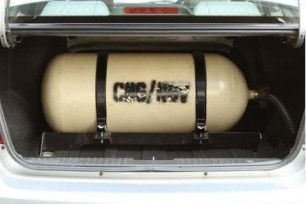
Best tips to improve the mileage of a CNG car to cover more distances
Rising fuel prices have compelled car owners to find practical solutions to improve the mileage. There is a way out; substituting petrol and diesel-run cars with CNG options. With India putting more effort to reduce pollution and fossil fuel consumption, CNG is receiving more consideration as a more affordable and ecological fuel alternative.
But, do CNG cars have an excellent reputation now? It is because of the assumption that these cars do not require much maintenance, which is entirely wrong! Irrespective of the fuel type, all vehicles need proper care to give a better performance. Now the question arises; how exactly do we boost the mileage of our CNG cars?
Here are our best tips to improve the fuel efficiency of your car and cover more distances.
1. Servicing:
This might sound obvious, but many people still fail to do it. Servicing your car on time improves the mileage of the vehicle. If both the engine and the gas kit are appropriately maintained, the car performance goes up.
And just like the car, the fitted CNG kit also requires proper servicing. It does not matter whether your service station installed the CNG kit or the company had already fitted it; regular inspection and servicing are necessary.
2. Inspect for leakage:
When you get a CNG kit fitted locally, there are chances of damage to your vehicle. Also, when the CNG kit gets old or uses local parts, there can be a leakage in the pipe connecting to the cylinder. It may lead to the wastage of gas and a possible reduction in the car's mileage.
To get the best mileage from your car, you should regularly check your vehicle for any leakage issues. This will improve your car's performance and even reduce the chances of any mishaps.
3. Tyre pressure:
This alone can make a huge difference. Always keep your tyres inflated. If you have ever used a bicycle, you know how difficult it is to drag it with a flat tyre. The same concept applies to cars; cars will have to use more power to pull themselves if the tyres do not have sufficient pressure. Here is an extra tip; overinflate your car's tyres a bit, not to the point where they explode but a bit extra than the company specifications. Here is why; tyres will never be perfectly round in shape. They always squish a little at the bottom to create a flat contact patch with the ground, and more the air, less the area of the contact patch. This will make the car move quickly.
The mileage of a CNG car is approximately two times more than that of a petrol car, and by following the above tips, you can upgrade it to a better level. Don’t wait to refuel the gas until the indicator drops to the empty sign. Driving with less gas in the tank can affect the mileage.
Only improving the car's mileage is not enough to cover more miles. Another thing to consider about CNG cars is their maintenance and repair cost in case of an accident. Therefore, you require additional protection by purchasing insurance. Check out Magma HDI’s online car insurance and make your journeys stress-free and financially safe against adverse situations.
Buying a new car? Click HERE to get the online car insurance quotes.
Disclaimer: The information provided above is for illustrative purposes only. To get more details, please refer to policy wordings and prospectus before purchasing a policy.
Best ways to clean the foggy headlights for improved visibility
Have you experienced dull headlights of your vehicle during your journey in the night? Your vehicle headlights get faded over time, and they appear unappealing and significantly decrease the light output. The protective layer on the headlight wears off due to the Ultraviolet radiation from the sun, dust particles in the air, and even the heat generated by the headlight bulb.
You might consider purchasing a new pair of headlights in such a situation. This, however, would be a costly affair. There are solutions by which you can clean those hazy headlights without buying a whole new set or even replacing them. Here are some ways you can fix the foggy headlights issue.
1. Cleaning the vehicle's headlights with a toothpaste:
Here's how you can do it.
• Initially, moisten the headlamp with some water to allow the toothpaste to distribute evenly on the surface.
• Apply a layer of regular toothpaste on the headlight and rub it using a toothbrush or your finger. Gently rub it for a few minutes.
• Keep the toothpaste for around 10 minutes.
• Then, it's time to clean the toothpaste.
• Use a paper towel or a microfiber cloth to wipe. And you’re done.
• To wrap things up, apply a coating of vehicle wax to ensure that the headlights remain clean for an extended period.
2. Using Vinegar and Baking soda:
• Dust off the headlights.
• Dilute some vinegar with water and spray it on the headlights.
• Wipe off the solution using a microfiber cloth or paper towel.
• Mix vinegar with baking soda in the proportion of 2:1 (2 for vinegar and 1 for baking soda)
• Begin rubbing this solution onto your headlights. Wipe in circular movements with a clean cloth until you get the desired results.
• Once finished, clean the headlight using a wet sponge and apply vehicle wax.
3. Using carbonated soft drink:
Surprisingly, this hack works!
• Wipe the headlight using a wet cloth.
• Spray the carbonated drink onto the headlights.
• Let it rest for around 10 minutes.
• Wipe it off with a sponge and later rinse it with water.
• You may not get the desired results in one attempt. This process is time-taking and reflects its results late, so repeat the process until satisfied.
• Apply vehicle wax.
These were some quick DIYs for your foggy headlights. And, if done correctly, you’ll observe optimum results by saving a considerable amount of money.
But, there are specific detergents and products available for this purpose in the market to give you more detailed results. If you're not satisfied with these home remedies, choose an off-the-shelf product to clean your headlamps. You must maintain your headlights in good and shining condition because they ensure clear vision during the darker hours of the day and even signal an approaching vehicle while overtaking.
Despite all these DIYs, if the headlights’ situation appears severe, then visit the automobile mechanic to replace them altogether. Your motor insurance company in India mostly covers the cost of servicing and replacements. So, don't bother making payments out of your pocket. Instead, contact your insurer and inform them regarding the repairs, and you will indeed receive help.
Click HERE to browse through the motor insurance plans.
Disclaimer: The information provided above is for illustrative purposes only. To get more details, please refer to policy wordings and prospectus before purchasing a policy.
Hi there! 👋 Need help with a policy, claim, or renewal? Chat with us instantly on WhatsApp.
Start chat →