


General Insurance Blogs, Articles & Updates by - Magma Insurance
Have us call you
- RENEW YOUR POLICY
- BUY NEW POLICY

GENERAL INSURANCE BLOG
Everything you need to know about engineering insurance
Does your business rely heavily on machines and equipment? If yes, then you surely must’ve heard about machinery breakdown insurance. Even if you haven’t, worry not, we’re here to explain
Businesses that have machines running day-in-day-out are susceptible to loss if there is any physical damage to the machines or if they break down. Even if the daily wear and tear are monitored, it is impossible to predict a breakdown. But what you can do is be prepared for such situations by having a machinery breakdown insurance.
What is covered by this type of insurance?
Loss or damage due to:
- A mechanical breakdown
- An electrical breakdown
- Accidental external factors
The cover is applicable:
- When the machinery is operating
- When it is at rest
- When it is in the process of getting dismantled
- When it is being overhauled or subsequently being re-erected at the same premises.
The machinery breakdown insurance that we provide also has the following additional covers:
- Air Freight
- Express Freight
- Insured’s own surrounding property
- Third party liability
- Escalation
- Additional custom duty
What is not covered by this type of insurance?
Loss or damage due to:
- Natural calamities like lightning, flood, earthquake, landslides, etc.
- Burglary or theft
- Damage caused due to impact by land-borne/water-borne craft.
- Wear and tear, faults or defects that existed when the insurance period started and was either known to you or ought to have been known to you.
- Faults or defects for which the supplier is responsible either by law or under contract
- War or war-like operations
- Wilful acts or gross negligence on your or your representative’s part
- Accidental loss or damage due to overload experiments or tests requiring the imposition of abnormal conditions
- Loss of or damage to the different types of belts, ropes, chains, and other exchangeable tools
- Loss of or damage to objects made of glass, porcelain, ceramics, all operating media, etc
- Flaws, defects, cracks or partial fractures that develop gradually in any part not necessitating immediate stoppage
Machines and equipment form an integral part of some businesses. If your business is one of them, then you definitely must own insurance that protects your machinery against unforeseen circumstances. Specific insurance policies such as this one are made to ensure that if something does go wrong, business owners have a reliable option to fall back on.

Health insurance v/s critical illness insurance: All you need to know
There’s an ongoing debate between the importance of health insurance and critical illness insurance. Most people either confuse health insurance with critical illness cover or consider it to be an option. While both insurance plans act as a financial cushion for health-related contingencies, let’s learn the truth about both:
| Health Insurance | Critical Illness Insurance | |
|---|---|---|
| Scope | Provides overall benefit in terms of medical and hospitalization cost. | Provides lump sum amount in case of critical illnesses, such as cancer, stroke, heart attack, multiple organ transplant, etc. |
| Coverage | Covers pre and post hospitalization expenses due to a medical conditions or accidents, domiciliary treatment, day care procedures, etc. | Covers specific diseases. The payout can be used for treatment expenses, repay debts, accommodate lifestyle changes, etc. |
| Premium | Since the scope of coverage is higher, the premium amount is also comparatively higher | Since this covers specific illnesses, you get a higher coverage pertaining to that illness but at a lower premium |
| Recommended for | For every member of the family | Usually for members above the age of thirty-five belonging to a family with a history of critical illness |
So, now that you know the primary differences between health insurance and critical illness insurance, the question arises of choice. Which of the two should you choose to buy? The answer is that both health and critical illness insurance plans are important for you. Both the plans are recommended for anyone who wants to secure themselves against the financial implications of health issues.
However, if you have a history of critical illness in the family or have certain lifestyle habits that are known to result in certain critical illnesses, it is strongly advised to opt for critical illness insurance too. You can either take this as a cover or standalone insurance. You should have insurance against critical illnesses, such as heart attack, stroke, cancer, coronary artery bypass, paralysis, etc. Additionally, the chances of falling prey to critical illnesses increase with age and could also be triggered by certain other pre-existing diseases, such as diabetes can lead to heart attack and strokes by damaging the nerves and blood vessels of the heart. Therefore, it’s important to be mindful of all such factors that could lead to critical illness, and it’s prudent to take critical illness insurance along with your health insurance plan.
To Sum Up
The best way to secure your health is to opt for both, a health insurance plan and critical illness insurance plan too. Magma HDI's OneHealth Insurance Policy is one such policy that can come handy for you.

Everything you should know about bike insurance in India
If you own a vehicle, most likely it’s a bike. A two-wheeler is most people’s first choice due to the low price and easier upkeep. The latter, however, is something that is not always true. Even a small accident, due to your or someone else’s error, can lead to a hefty bill. So, does that mean two-wheelers aren’t as economical as we thought?
It can be if you have the right two-wheeler 2 Wheeler Insurance In India.
Not only is a two-wheeler insurance mandatory by the government, it is also the best way to ensure owning and riding a motorcycle doesn’t become a burden. While breakdowns and accidents aren’t always avoidable, you can plan ahead for when you find yourself in a sticky situation.
Kinds of plans available
To break it down, there are mainly two kinds of insurance plans available for two-wheelers. One is the third-party liability only insurance which is mandatory for all motor vehicles and the other one is thecomprehensive insurance which protects you and your vehicle as well.One should always go for the latter because not only does it cover your liabilities to the other party in case of an accident, but also your medical bills and biker repair costs.
How important is it?
You might be a terrific rider but can you be sure about everybody else on the road? A comprehensive insurance, in that case, is your best bet for protecting your finances.Your policywill not onlyhelp yourecover the costs of repair but also your medical bills. But the benefits of atwo-wheeler insurance don’t end here.It can also protect you against theft and send you help if your motorcycle breaks down in the middle of nowhere.
What does our truth lens say?
As mentioned earlier, you should always opt for a comprehensive insurance because it covers more than just the third-party liabilities. Apart from this, you should also check how extensive is the insurance provider’s network of service centres and garages.A large network means you are more likely to find one around you for cashless repair.
Another factor to keep in mind is to check the claims ratio of the company. It essentially means how many claims the provider has settled out of the total number of claims made. And of course, you should look for which plan offers most benefits. For instance, Magma HDI’s two-wheeler insurance covers your motorcycle against damage due to fire and explosion, damage in transit, natural disasters and even theft.
Where to get it?
This is an easy one as most vehicles usually offer you insurance at the time of purchase itself. But make sure you go through the offerings properly. You can also check out Magma HDI to find the right plan for yourself to renew bike insurance or Buy Bike Insurance Online in India.
Home Security during festive seasons
Though the home is a synonym of safety, home burglaries are common and have gone up rapidly in recent times. Festival theft is another concern, and a study shows that the highest home burglary rate in India is during festive seasons. Read on to know about five preventive steps to ensure your home is a safer haven during the festival season and after.
Hiring a security guard or a watchman
Most of the housing societies execute due diligence on the security features, including hiring trained security guards. If you are not living in one of the high-rise buildings rather a private land-based home, then a security guard is a must for you. A trustworthy watchman is a resource who works as a deterrent to burglars and ensures the complete safety of your home. Opt for a guard from professionally licensed security companies and always take a security guard that has previous security experience and is adequately verified.
Under surveillance — installing CCTVs
Technology is more of a boon than a bane for all. According to a Delhi Police report, crime reports have decreased to half after installing CCTVs in Old Delhi's Chandni Chowk Market. The same statement holds true for most of the residential colonies. Installing CCTVs at your home allows you to keep an eye on suspicious elements and prevents any potential theft. During the festive season, it is more imperative to have a security scanner that alerts you about any suspicious activity around your premises.
Lock it all when you leave
During the festival season, there is a spurt in burglary, even in locked houses. When you need to leave your home, make sure that all your windows and doors are closed and properly secured. One of the biggest mistakes people make is hiding the keys in the most obvious places, under the rug or behind the nameplate. Also, don't let burglars assume that no one is in the house. Ask neighbours or depute someone to pick the newspaper from the doorways and switch on the door lights in the night.
Bank lockers are better than home safes
There is no argument that a bank locker is always a safer place for your valuables. Banks have a robust security system to safeguard your valuables. The presence of a security guard and a high level of surveillance to monitor entry and exit in the bank's locker room add another layer of security protection to your valuables. However, if you are still keeping jewelry and valuables for the festive season at home, use electronic safes ranging from mechanical safe to the wall-mounted high-end safes.
And, consider taking a home insurance cover.
Security tools and technology will help make your home secure to a certain extent, but considering the increase in home burglaries nowadays, nothing can be said with surety. A good head start would be opting for the best home insurance policy in india that safeguards your home from any loss and damage.
Entering a tenancy contract? Here’s an insurance policy you must purchase
Have you ever entered into a tenancy contract? If so, have you ever considered the importance of home insurance? Many tenants overlook the need for home insurance India, assuming it is the landlord's responsibility to provide insurance coverage. However, this is only sometimes the case.
In this blog, we will explore why tenants need home insurance India and why it is an insurance policy you must purchase.
Why must tenants purchase home insurance India?
Firstly, let's understand what home insurance is. Home insurance protects your home and belongings against damage or loss due to unforeseen events such as fire, theft, natural disasters, or accidents. A typical home insurance policy covers the building structure, contents of the home, and personal liability. It is important to note that a landlord's insurance policy usually only protects the building structure, not the tenant's belongings or personal liability.
Benefits of having home insurance.
Now, let's consider the benefits of having home insurance as a tenant. Imagine you are renting an apartment, and a fire breaks out, destroying all your personal belongings. Without home insurance, you would be responsible for replacing all your lost items, which can be a significant financial burden. However, you can file a claim and receive compensation for your losses with home insurance. Home insurance can provide peace of mind, knowing you are protected from unforeseen events.
Moreover, home insurance India can also provide coverage for personal liability. For example, if a visitor is injured in your home due to your negligence, you may be held legally responsible for their medical expenses and other damages. In such a scenario, home insurance can protect you from financial liability by covering the costs of any legal claims against you.
Choosing the right home insurance policy.
You may be wondering about the cost of home insurance India. The cost can vary depending on the coverage you choose, the value of your belongings, and the location of your home. However, compared to the potential financial losses you may face in the case of unforeseen events, home insurance is relatively affordable.
Now that we have established the importance of home insurance for tenants, let's discuss the home insurance policies available in India.
Two home insurance policies are available: building insurance and contents insurance. Building insurance covers the structure of the building, including the walls, roof, and fixtures. Contents insurance, on the other hand, covers the tenant's personal belongings, such as furniture, appliances, and clothing.
It is important to note that while building insurance is usually the landlord's responsibility, contents insurance is the tenant's responsibility. Therefore, as a tenant, it is essential to purchase contents insurance to protect your personal belongings against damage or loss due to unforeseen events. You should research thoroughly before buying insurance. Know what can suit your requirements the best and invest in a plan that ensures the total security of your assets.
Investing in home insurance.
Home insurance India is an essential investment that can save you from financial losses due to unforeseen events. Protecting your home and personal belongings is crucial with the rise in natural calamities, theft, and other unexpected events. While some tenants may assume that their landlord's insurance policy will provide adequate coverage, this is only sometimes true.
In conclusion, home insurance is a necessity for every tenant. Home insurance India can protect against unforeseen events like fire, theft, natural disasters, or accidents. It can also provide coverage for personal liability, saving tenants from financial liability in case of any legal claims against them. As a tenant, purchasing insurance to protect your personal belongings against damage or loss due to unforeseen events is essential.
Click HERE to buy home insurance India.
Disclaimer: The information provided above is for illustrative purposes only. To get more details, please refer to policy wordings and prospectus before purchasing a policy.

Surprising ways in which bike riding can benefit your health
For regular people, bikes are only a form of commute. But for passionate bikers, riding is a rejuvenating, refreshing, and therapeutic experience.
Chances are, you may have never heard of the benefits of bike riding and only the dangers, especially from your parents. However, various studies show how bike rides can reduce stress and enhance cerebral functions. Riding has numerous other health benefits that you may have overlooked till now.
Let us now look at the physical and mental health benefits of riding.
1. Interacting with the environment:
When you go for a drive in your car, you are confined inside it. Although there is a window, people usually do not pull it down because of the AC or dust coming from outside. But, on a bike, you are out in the open with the wind blowing in your face. You can directly connect with your surroundings. You are closer to the trees and the essence of fresh air. An experience like this is undoubtedly bound to reduce stress and anxiety.
2. Core strength and stability:
When you are riding a bike, even just to the grocery store, you have to keep yourself upright. Maintaining correct posture while riding can enhance core strength, improve muscle tone and help keep the body in shape.
3. Calorie burn:
Did you know you could burn calories while bike riding? A one-hour motorcycle ride is estimated to burn about 200-300 calories if travelling on rugged terrain. So, to put things into perspective, if you ride a bike for one hour 5 days a week, you could lose 65,000 calories in a year.
4. Reflex enhancing:
Bikes are considered more dangerous than cars, and it’s because you need to be extra aware of your surroundings while riding a motorcycle than in a car. You need to be alert at all times, resulting in the riders developing good reflexes and improved brain alertness.
5. Neck strength:
If you are a neck and back pain victim, you will be thrilled with this benefit. Riding can improve your neck strength and is almost like therapy for your neck and back. However, for this, you need to make sure that your bike is fit for your body.
Bike riding is undoubtedly fun. Even if you are not a regular biker, riding in the open air once in a while can truly revitalize you from within. It can be a refreshing experience after a hectic day at work. Bike trips are an excellent way of connecting yourselves to new people and surroundings. The more you ride, the more you get to explore new dimensions of yourselves.
But, it is essential to be a responsible biker and ensure that you ride with the proper gear and required documents. Safety is paramount, and the same applies to your bike. As life insurance covers you for damages, your motorcycle needs ideal bike insurance coverage for its comprehensive security. So, before hopping on your bike, make sure that you have protected your asset with the shield of insurance.
Click HERE to get details about different bike insurance plans.
Disclaimer: The information provided above is for illustrative purposes only. To get more details, please refer to policy wordings and prospectus before purchasing a policy.
A collision is more likely caused by drivers than self-driving cars!
Car accidents are a significant concern for drivers and insurance providers worldwide. With the manufacturing of self-driving cars, people have started to question the safety of these vehicles. While some argue that self-driving cars can cause accidents due to technical glitches, studies suggest that human error is the leading cause of accidents on the road. Self-driving vehicles have the potential to significantly reduce the likelihood of accidents, as they are equipped with advanced technology and programmed to follow traffic rules.
In this blog post, we will explore why collisions are more likely to be caused by human error than by self-driving cars.
1. Human error is the leading cause of accidents
According to a report by the National Highway Traffic Safety Administration, more than 70 percent of accidents are caused by human error. This includes factors such as speeding, drunk driving, distracted driving, and more. The behavioural traits of human drivers should also be accountable. The driver's mood also affects his driving style, and if the driver is in a bad mood or frustrated, he will likely drive the car fast. Rash driving has been a leading cause of accidents and fatalities. Self-driving cars, on the other hand, have the potential to eliminate these errors and make driving safer.
2. Self-driving cars are equipped with advanced technology
Self-driving vehicles are equipped with sensors, cameras, and advanced software to detect potential collisions and take necessary action to avoid them. These features can significantly reduce the likelihood of accidents.
3. Self-driving cars are programmed to follow traffic rules
Self-driving cars are programmed to follow traffic rules and regulations, eliminating the possibility of reckless driving. This ensures that self-driving cars are less likely to cause accidents than human drivers. Humans tend to jump signals, ignore seatbelts, and avoid giving proper indications while making turns.
4. Self-driving cars can communicate with each other
Self-driving vehicles can communicate with each other using vehicle-to-vehicle communication (V2V) technology. This allows them to share information about traffic conditions and potential hazards, which can help prevent accidents.
5. Self-driving cars are less prone to fatigue and distractions
Human drivers are prone to fatigue and distractions, which pose high risks of accidents. On the other hand, self-driving cars do not get tired or distracted, making them more reliable and safer.
6. Self-driving cars can reduce traffic congestion
Self-driving cars can communicate with each other and adjust their speed and route to avoid traffic congestion. This can help reduce the likelihood of accidents caused by congestion and improve overall traffic flow.
7. Self-driving cars are constantly learning and improving
Self-driving cars are equipped with machine-learning algorithms to learn and improve their driving capabilities continuously. This means they will only improve over time, making them even safer.
8. Self-driving cars can reduce insurance costs
Self-driving cars have the potential to reduce insurance costs for drivers significantly. Since they are less likely to cause accidents, insurance providers may offer lower premiums to self-driving car owners.
Self-driving cars are the future of transportation, and it is only a matter of time before they become the norm. As technology improves and becomes more widespread, we can expect to see a significant reduction in accidents and fatalities on the roads.
In conclusion, self-driving cars are less likely to cause accidents than human drivers. They are equipped with advanced technology, programmed to follow traffic rules, and constantly learning and improving. While there is still some skepticism surrounding the safety of self-driving cars, private car insurance India covers them just like any other car.
Click HERE to learn more about the benefits of purchasing private car insurance India.
Disclaimer: The information provided above is for illustrative purposes only. To get more details, please refer to policy wordings and prospectus before purchasing a policy.

Fitness guide to making abs at home
You can create great abs without complicated equipment or expensive gym subscriptions. A few square feet of the floor is the only actual space required. According to workout suggestions, we've combined some tried-and-tested exercises to identify the finest abdominal workout you can perform in the convenience of your own home. However, you're mistaken if you believe it'll be lenient with you.
The tough three-circuit superset that follows this intense workout is made to target all your stomach muscles to give you those perfect-looking abs. Are you able to handle it? Here is the workout you'll be doing if the answer is yes (which we hope it is). Instructions for each move are provided below.
1. Straight leg lift:
Your hands should be at your head or sides as you lay on your back. Raise your feet as high as possible while maintaining a straight posture with your legs together. Keep your lower abs contracted as you sluggishly take a step back to the starting position. Perform 10 repetitions of this exercise with a gap of 10 seconds between each repetition.
2. Weighted crunch reaches:
Hold a dumbbell with your arms straight over your chest while lying flat on your back with your knees bent. Crunch to the top of the movement, pause, and lower to the beginning
3. Weighted sitting Russian twist:
Hold a dumbbell out in front of you as you sit on the ground with your knees bent and your feet lifted. Twist to one side, then the opposite, and finally, come back to the centre. Throughout, try not to let your feet touch the ground. Perform 10 repetitions of this exercise with a gap of 10 seconds between each repetition.
4. Weighted sit-ups:
These are one of the most effective exercises to develop abdominal muscles. Lie flat on the floor with your arms straight and hold a weight plate above your chest. Follow the traditional leg sit-ups and bring the weight plate above your head as you rise and then gradually lower back to the floor in a rhythmic manner. Focus on your breathing while doing this exercise.
5. Mountain climber:
Commence by performing a press-up. Draw one leg up and cross it across your body to the opposite elbow without allowing your hips to drop. As you start again, switch to the other leg and repeat. Keep the repetitions controlled yet quick.
More ab exercises:
If you want to get a six-pack, keep your workouts interesting. As a result, having a variety of abs exercises is beneficial. Here are a few additional choices you can consider.
Upper, lower, and oblique circuit training:
These three exercises are the best abs workouts because they work your abdominal muscles from different angles. This way, you can be sure that no muscles are left out. Although the exercises don't include weights, you will need a pull-up bar to perform the hanging exercises.
At-home abs workout:
The only piece of equipment required for this exercise is a dumbbell, which doesn't have to be particularly heavy because you'll be performing several repetitions of each exercise to maximise the time your muscles are under tension.
While maintaining a regular exercise routine is a good idea to develop perfect-shaped abs and a fit body, everyone should also invest in health insurance. Depending on the plan, online health insurance companies offer the insured a variety of health benefits for an attractive premium. You can select the best-suited plan from numerous online health insurance companies and protect yourself and your family with a comprehensive safety net.
Click HERE to buy health insurance from the best insurance provider.
Disclaimer: The information provided above is for illustrative purposes only. To get more details, please refer to policy wordings and prospectus before purchasing a policy.
Here are the probable challenges that you might face being an owner of a discontinued car
Owning a car is a significant investment, but keeping a discontinued vehicle can be frustrating. A discontinued car is a model that is no longer in production, leading to difficulty finding parts, limited warranty coverage, higher maintenance costs, and lower resale value. Additionally, limited options for upgrades and insurance coverage, as well as limited availability of mechanics, can make owning a discontinued car a daunting task.
In this article, we will discuss some of the probable challenges you might face being an owner of a discontinued car in detail and how car insurance can help you mitigate these challenges. Let's get started!
1. Difficulty in finding parts
One of the primary challenges of owning a discontinued car is finding parts. Since the car model is no longer in production, it may be tough to find the original parts. This can be a problem if your car requires major repairs and you need to replace a specific part. Sometimes, you may have to rely on aftermarket or used parts, which may not be as reliable as the original ones.
2. Lower resale value
Another challenge of owning a discontinued car is the lower resale value. Since the car model is no longer in production, the demand for the vehicle decreases, leading to a decrease in its resale value. This can be a significant problem if you plan to sell your car or trade it in for a new one.
Car insurance can help you in this scenario by offering coverage for the depreciated value of your car. Some insurance providers may provide coverage for the car's original value, which can be helpful if you face a significant loss due to the lower resale value. But you need to check this with your car insurance provider.
3. Limited warranty coverage
The warranty coverage may be limited or expired when you own a discontinued car. This can be a problem if your vehicle requires repairs or the replacement of specific parts.
4. Limited options for upgrades
Since the manufacturer discontinues the car model, there may be limited options for upgrades or modifications. This can be frustrating if you want to enhance the performance or aesthetics of your car.
5. Higher maintenance costs
Another challenge of owning a discontinued car is the higher maintenance costs. Since the parts are no longer in production, they may be more expensive to replace or repair.
6. Limited availability of mechanics
Since the car model is no longer in production, finding a mechanic who is familiar with the car can take time and effort. This can be a problem if you need specific repairs or maintenance.
Car insurance can help you in this scenario by offering a network of authorised repair shops. Some insurance providers may have tie-ups with specific repair shops specialising in discontinued car models, making it easier to find the right mechanic for your car. You need to check all these details, the terms, and the conditions with your insurance provider.
7. Limited options for insurance coverage
When you own a discontinued car, the options for insurance coverage may be limited. Since the car model is no longer in production, some insurance providers may not offer coverage.
Regular maintenance and careful driving habits can help extend the lifespan of your discontinued car and reduce the likelihood of breakdowns or costly repairs. It's essential to stay up to date with routine maintenance tasks, such as oil changes, tyre rotations, and brake inspections, and to avoid more significant problems.
In conclusion, car insurance is essential to owning and driving a car. It safeguards you financially from accidents, theft, or other unforeseen events that can damage or total a vehicle. When purchasing car insurance, comparing policies and prices from different providers is essential to find the best coverage that fits your needs and budget. With the right car insurance policy, you can have peace of mind while on the road and avoid financial hardship in case of unexpected incidents.
Click HERE to learn more about the benefits of purchasing car insurance.
Disclaimer: The information provided above is for illustrative purposes only. To get more details, please refer to policy wordings and prospectus before purchasing a policy.

How does having a car seat cushion help your back and hips
Driving is a regular activity in many people's daily lives. Long hours in a car, whether commuting to work, conducting errands, or taking road vacations, can be uncomfortable and even painful for your back and hips. On the other hand, using a car seat cushion might considerably improve your comfort and overall well-being. We'll examine how a vehicle seat cushion can aid your back and hips.
The design of car seats and its effects on the body
Vehicle seat cushions are intended to provide additional support and padding to your back and hips while driving. The design of a car seat can frequently create discomfort, especially if you have a long commute or drive for extended periods. A car seat cushion can relieve pressure spots and uniformly distribute weight, resulting in a more comfortable and supportive driving experience.
The benefits of car seat cushions
Furthermore, car seat cushions might assist you in enhancing your driving posture. Back and hip pain and neck and shoulder strain can all result from poor posture. A suitable lumbar support vehicle seat cushion can assist in correcting your spine, allowing you to sit up straighter and relieve strain on your back muscles. Furthermore, some car seat cushions include adjustable straps that may be added to the seat to help maintain you in the proper position and prevent slouching.
Sitting for lengthy periods can cause numbness and tingling in your legs and feet and decreased blood flow. A car seat cushion can help you distribute your weight more evenly and ease pressure areas, lowering your chances of having circulation issues. Furthermore, certain car seat cushions are contoured to facilitate improved circulation by minimising pressure on specific places.
Another benefit of using a car seat cushion is that it may lessen fatigue and pain when driving. Sitting in a car seat for long periods can create discomfort or pain in your back and hips. This can lead to fatigue, making it difficult to focus on the road and raising the chances of an accident. A car seat cushion can alleviate these issues by helping you to stay focused and awake while driving.
Using a car seat cushion also provides you with psychological advantages. Driving comfortably and without pain increases your chances of enjoying the experience and feeling less tired. This can lead to a more positive attitude and a better overall mood. Furthermore, if you are not distracted by pain or discomfort, you can concentrate on your surroundings and make better driving decisions.
Types of car seat cushions
Several types of car seat cushions are available, each with its own set of benefits. Memory foam cushions, for example, are made to conform to the curve of your body and provide customised support. Gel seat cushions contain a cooling gel that can help you regulate your body temperature and avoid overheating. Other car seat cushions are made of permeable textiles that can help avoid perspiration and discomfort in hot weather.
Furthermore, while utilising a car seat cushion can bring several benefits for your back and hips, taking care of your general health and well-being is critical. Purchasing health insurance can ensure that you have access to the medical care you require in the event of an accident or injury. With many policies and options available at your fingertips, buy health insurance online is now easier than ever.
In conclusion, the car seat cushion can benefit your back and hips while driving. By providing additional support and cushioning, improving posture, promoting better circulation, reducing fatigue and discomfort, and even having psychological benefits, a car seat cushion can make a significant difference in your overall driving experience.
Click HERE to buy health insurance online.
Disclaimer: The information provided above is for illustrative purposes only. To get more details, please refer to policy wordings and prospectus before purchasing a policy.
Save on tax by spending on electric vehicles!
With the world evolving, more changes are being made for a sustainable environment. One such significant development has taken place in terms of electric vehicles. They are cost-effective and eco-friendly fuel alternatives and will likely be the future of the automobile industry.
Electric vehicles have gained huge popularity and fame in a very short time. Over 19 lakh people are driving electric vehicles on Indian streets today. The Indian government has prompted the purchase of electric vehicles by giving a lot of incentives. These incentives can be availed by all individual buyers who want to invest in an electric vehicle and save the environment.
Since 2019, the Indian government has presented numerous schemes and rules in the budget for individual buyers. One of the most enticing schemes of these is the exemption of taxes. Whenever someone buys a new electric vehicle, they can save a lot on taxes. Surprising, right? Well, we will help you navigate through the details of this scheme in the article.
If you plan on buying an electric scooter or car, you should also buy new car insurance or two-wheeler insurance to keep your vehicle safe. Insurance is a worthwhile investment and a reliable resource to ensure financial safety during an emergency.
Now, let's look at the specifics of the incentives that the Indian government has specified for electric vehicle owners.
What is 80EEB?
Everyone looks at various ways to save taxes during the financial year's end. The 80EEB was introduced by the Indian government in the year 2019 for the promotion of electric vehicles. In the 2019 budget, it was indicated that an individual could claim up to Rs. 1.5 Lakhs deduction on their interest for a vehicle loan. This vehicle loan should be issued to purchase an electric vehicle.
Under this Income Tax Act, taxpayers can claim this deduction only once in an assessment year. The loan must be taken out for the purchase of an EV only. It will not work for any other vehicles, including hybrid models. The loan interest will be deducted for individuals only. It will not work for businesses or organisations.
Another important aspect concerning this vehicle's purchase includes the deduction in the Goods and Services Taxes. To promote the buying of EVs, the GST on the vehicles has been reduced from 12% to 5%.
Which vehicles fall under section 80EEB?
Not all vehicles fall under section 80EEB. You must know the specifics of the vehicle before you file a deduction in the interest. Under this section, any vehicle equipped with an electric motor powered by an electric battery is deemed eligible. The EV motor operates on the conversion of electric energy into mechanical energy.
What are the terms and conditions for claiming the deduction?
Let's summarise the terms to make it easy for you to make a decision
● The loan should be taken out for the purchase of an EV only
● The deduction is only offered on the interest amount of the loan
● The loan will benefit only individuals
● The loan should opt from a reputable financial institution
● The deduction claim can only be extended up to Rs 1.5 Lakhs. It cannot be exceeded.
● The deduction does not apply to an organization, a company, or a partnership firm
These are some of the most important pointers that you should keep in mind while you're buying an electric vehicle. With an EV, you can contribute to the environment and save substantially. It is high time that we switch to options that are eco-friendly and beneficial to the environment. You should also buy new car insurance whenever you decide to purchase a new EV to safeguard it from loss due to damages.
Click HERE to buy new car insurance policy.
Disclaimer: The information provided above is for illustrative purposes only. To get more details, please refer to policy wordings and prospectus before purchasing a policy.

Let’s understand the different types of property insurance you can invest in based on your asset type
Building a property from scratch can be a time-taking and intimidating process. Whether commercial or private property, the construction cost can burn a hole in your pocket. This is precisely why property insurance becomes necessary to protect you, your family, and your assets from any unforeseen tragedies that might occur.
Property insurance provides cover for various misfortunes, including but not limited to fire, natural calamities, or robbery. However, choosing an insurance specific to your asset type is vital for the best coverage and benefits. This blog gives insight into the various types of property insurance available in the market based on your asset type.
1. Office insurance:
Office insurance is essential for all office premises, including public and private offices, call centres, etc. This insurance plan covers office owners against damages from unforeseen circumstances like fires, storms, lightning, hurricanes, cyclones, etc. This policy also covers other possible threats, such as the theft of office appliances.
2. Construction sites insurance:
Construction sites are places with a high probability of accidents. The misfortune of contractors is that the property remains their liability till the entire construction is completed and the property is handed over to someone. Whether it is due to bad weather or some water damage, it is a possibility that the building might collapse onto itself. It is essential to get construction site insurance to keep your assets secure against these occurrences.
3. Commercial insurance:
This insurance covers the policyholder from the losses incurred from destroying commercial properties such as warehouses, offices, factories, hotels, etc. Taking a suitable commercial insurance policy can be the best investment for business owners to safeguard themselves from the enormous losses faced by man-made or natural calamities.
4. Landlord insurance:
Landlord insurance is much like the homeowner’s insurance with one significant addition. The addition is the compensation of lost rental income, which is not covered by any other policy.
5. Renter’s insurance:
Tenants are usually in a dilemma regarding the safety of their belongings in rented accommodation. If their prized possessions are stolen, or there is some natural calamity that results in the tenant incurring losses, there is no way that the homeowner will pay for it.
So, the best option for tenants is to get insurance that covers all their belongings. Renter’s insurance is very similar to the homeowner insurance policy. One significant difference is, however, that this policy is exclusively meant to recover financial losses sustained by the policyholder if their belongings (can include clothes, jewellery, and appliances around the house) are damaged because of man-made or natural calamities.
6. Homeowners insurance:
Homeowners insurance or HOME INSURANCE is the most widely acquired type of property insurance. This is for a good reason. A home is a significant investment, and it is imperative to be secure against the various misfortunes that might befall it.
An appropriate home insurance covers all the financial losses the homeowner might incur in the event of any significant damage due to an accident or mishaps like burglary. Additionally, it also covers any possessions that have been destroyed in the mishap.
Our home is the greatest property asset, and safeguarding it from potential damages should be our primary objective. Having the most suitable home insurance is a surefire way of protecting from financial mishaps and adding the safety net of damage coverage.
Property insurance gives the property owner security and credibility, which is important for peace of mind and financial safety. Thoroughly researching the best insurance policy is essential to have the optimum coverage for your assets.
Click HERE to know more about home insurance.
Disclaimer: The information provided above is for illustrative purposes only. To get more details, please refer to policy wordings and prospectus before purchasing a policy.
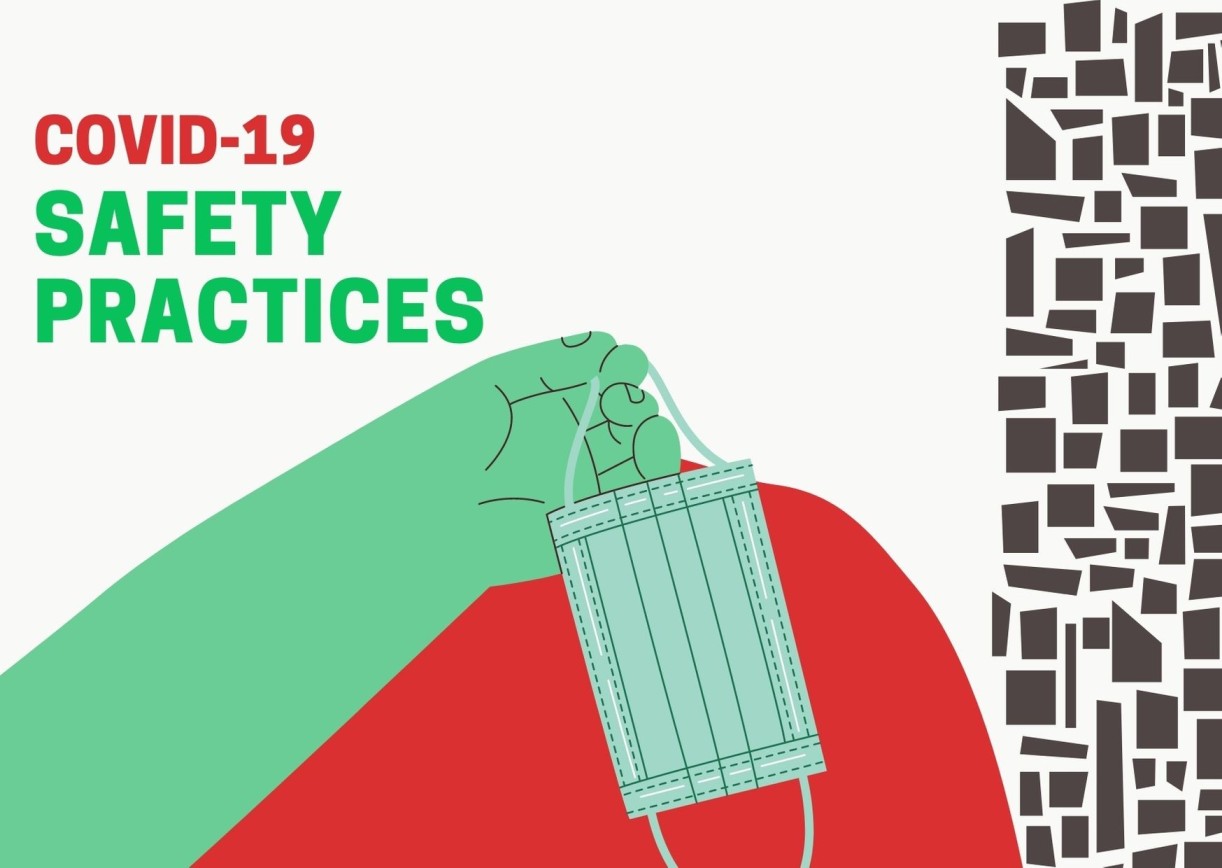
These 5 practices can help you stay protected from Covid-19
In these difficult and devastating times, we all want to keep ourselves protected from this deadly pandemic. The entire human race is praying to be safe and establish a Covid-free atmosphere in the world. But how can we make this happen? What measures can truly safeguard us from getting infected by this highly contagious disease?
1. MASK- A dependable shield
Wearing a proper mask should be our utmost priority whenever we move out of our houses or go to crowded places. Mask is the first wall of defence against the Coronavirus. The majority of the chances of getting infected are narrowed down if we wear appropriate masks suggested by our government and health authorities. But just wearing the masks is not sufficient; the mask should cover your face and nose properly. Only good quality masks should be used, cloth masks should be regularly washed, and use-and-throw masks should not be used more than twice. Masks should be handled only by using elastic strands. Avoid using masks that have filters installed on them, but use masks that are comfortable and easy to breathe. Remember, Mask ON....Life ON!
2. Maintain a safe distance today to have a safer tomorrow
Another crucial and effective preventive measure is maintaining a social distance of at least six feet when you are around other people. Avoiding close contact with people can nullify the chances of getting infected to larger extents. Even when you are at home, it is recommended to avoid getting close to the sick person or with low immunity, especially aged members of your house. Today this physical distance is a necessity to ensure the safety of you and also the people around you.
3. Safety is in your HANDS. Literally!
Our hands touch many things and surfaces daily, which means they are massively exposed to the virus. Later these hands can act as a carrier and can make our bodies vulnerable to the infection. So, we must wash our hands regularly and properly. Hands should be either washed by using soap and water or using hand sanitizers with a minimum of 70% alcohol. Especially when you are in a public place, carry a sanitizer with you always and use it whenever you touch an unknown surface. Avoid touching your nose, eyes, face, and mouth with unclean hands. Also, maintain personal hygiene and even keep your surroundings disinfected.
4. Vaccine is a must
Responsibly participate in the vaccination drive and get yourself vaccinated with both the doses of the vaccine. Also, encourage others to get themselves vaccinated. The vaccine is a game-changer during these challenging times, so be responsible and take the shot whenever available.
5. Your Health, Your Priority
In this depressing environment, it is wise to understand that staying positive can flush all the negativity and restore happiness. Every human is a superhero during these crucial times. Together we all can do wonders, follow these guidelines, and realize the importance of Covid appropriate behaviour and be a life saviour.
Lastly, in this extreme situation, closely monitor your health for any unexpected changes in your body. Never underestimate any symptoms, stay alert and consult your doctor in case you feel something odd. It is suggested to have an appropriate
health insurance
policy that acts as a rescuer for immediate cashless hospitalization and huge Covid related hospital expenses. You can buy Health Insurance Online in a contactless manner from a trusted source to ensure your health cover.
Let's make this difficult period a little lighter, both emotionally and mentally, and win this battle.

Getting the Covid vaccine? Here's what you need to know
Amidst this pandemic, the human race is praying desperately for the cure. After so many efforts, we are finally blessed to have a vaccine now. It is indeed significant that it could be made in such a short period; all credit to our advanced medical researchers.
Want to get the COVID-19 vaccine? Please check this step-wise procedure.
The first step to get vaccinated is to register yourself on the CoWin portal and get an appointment for the first dose of the vaccine. CoWin is a trusted platform designed by the government, which runs both independently and also on the Arogya Setu app. Avoid using any other portal or application for registering yourself as a lot of fraudulent portals are being run to fool people. Know exactly where the vaccine drives are rolling in your vicinity.
Also, it is important to know the difference between various doses, their side effects, and which one is suitable for you to take. Do this with the help of a physician or a doctor before taking your shot of vaccine.
Setting up your mind to get vaccinated without getting afraid is important. Vaccination is nothing but immunization!
What is to be done before getting vaccinated?
Register yourself on the government-suggested website and get an appointment for a particular day. As your day of vaccination is close, take adequate rest. Have enough sleep of 7-8 hours and avoid exhausting yourself. Also, if you are on some other medication or if you are on steroids or any immunosuppression, then consult your doctor.
For the safer side, if you feel any symptoms like cough, fever, cold, sore throat, etc. on or before the day of vaccination, then seek medical help. Consume a balanced diet to boost your immune system and to maintain your energy level. Stay hydrated, it is the key to stay calm inside out.
What to do when ‘it is the day’?
On the day of your shot, do a safety check. Ensure you are wearing a proper face mask and sanitize your hands properly. If possible, wear hand gloves too to maintain zero contact. Foremost, wear loose clothes when you are going to the vaccination centre because the vaccination spot is on the upper arm, giving easy access to the vaccinator.
The most important thing is to stay positive. Don't get anxious, take slow deep breaths. Think of a positive outcome – this shot is going to be a shield for you and others around you.
And, please carry your photo ID card mentioned in your appointment details for vaccination.
What are the steps taken after getting vaccinated?
The primary step is to monitor yourself. If there are any side effects, they will appear within 30 minutes after getting your vaccine shot. There are mild and common effects like swelling, redness on the arm, dizziness, headache, chills or mild fever, joint or muscle ache, etc. Remember that these side effects will subside within a few days.
If you feel severe symptoms like vomiting, fainting, allergic reactions, then seek medical help immediately. Avoid consuming painkillers or any other medication unless you consult a doctor about it.
The second dose is equally essential, so don't miss that. There should be a fair gap of 4-12 weeks between both the doses.
And most important of all is, even after getting vaccinated, don't stop taking precautions in day-to-day life. Continue wearing your masks, do sanitize properly and maintain social distancing.
Also, considering the risk pandemic brought, if you already don't have an existing health insurance, it is time to purchase a new
health insurance plan
.You can buy Health Insurance Online to get coverage to protect your family from sudden illnesses, hospitalization and medical expenses.
Let us be responsible, and let us all protect one another and help our community get through these pandemic hard times. Stay Safe, Get Vaccinated.

Tips for a homeowner facing a fire or smoke damage
Disasters have many faces and can strike anytime, anywhere; they can be seen in the form of quakes, floods, gas leaks, explosions, etc. and one of the most commonly known faces of disaster is fire. Damage felt after a partial or full-blown fire mishap is quite painful and nearly unrecoverable. However, if you have your house insured with ironclad insurance from a well-reputed fire insurance company, then your hassles can be reduced to a minimum.
A fire insurance policy plays an essential role in dealing with the losses and damages incurred due to fire. It is highly recommended to purchase fire insurance to safeguard your homes from any future calamity that a sudden fire or smoke can cause.
Here are some of the tips you can follow if you face damage from fire or smoke in your homes.
- Ask for an advance against your claim: - Right after the house has been gutted to fire, you might be forced to evacuate the house, considering the dangerous situation because of the smoke. In this case, you are eligible to get an advance from your insurance company so that you can buy your daily essentials. Inform your insurance company and ask it to issue a cheque and bring it to wherever you are staying. It will help you in this dire need and will be enough for your survival until your claim gets accepted.
- Checking for the extent of losses: - Once the fire tragedy is controlled, the first act of the homeowner is to calculate or check for the damage extent of personal belongings and property loss in the fire. Once the total loss is measured and counted, it will be easier for you to negotiate with officials handling the claim process.
- Having your receipts documented: - After facing a disastrous house fire, you may be forced to live in a temporary dwelling like a hotel or guesthouse close to your vicinity. It would be ideal to secure all the receipts, document all the costs and expenses carefully. Once you receive the claim for the house fire, you may also get a compensated amount you incurred on your living expenses.
- Check bank statements if you don’t have a receipt: - People tend to be careless when it comes to saving receipts for every new thing that they buy. While we might save receipts of the electronic items for warranty or claiming a refund, it’s not easy to keep those long bills every time you go for grocery shopping. However, your every online transaction would bring a huge relief; hence look for credit card statements and bank statements to prove the value of items.
- Back up your vocal claims with evidence: - After the fire tragedy, some items are destroyed or damaged to such an extent that for the insurer, it could be challenging to identify for assigning the claim. So, as a responsible party, you ought to click as many pictures and shoot videos as possible of the damaged, smoked rooms to show the physical evidence of the actual damage before it gets wiped by a restoration company.
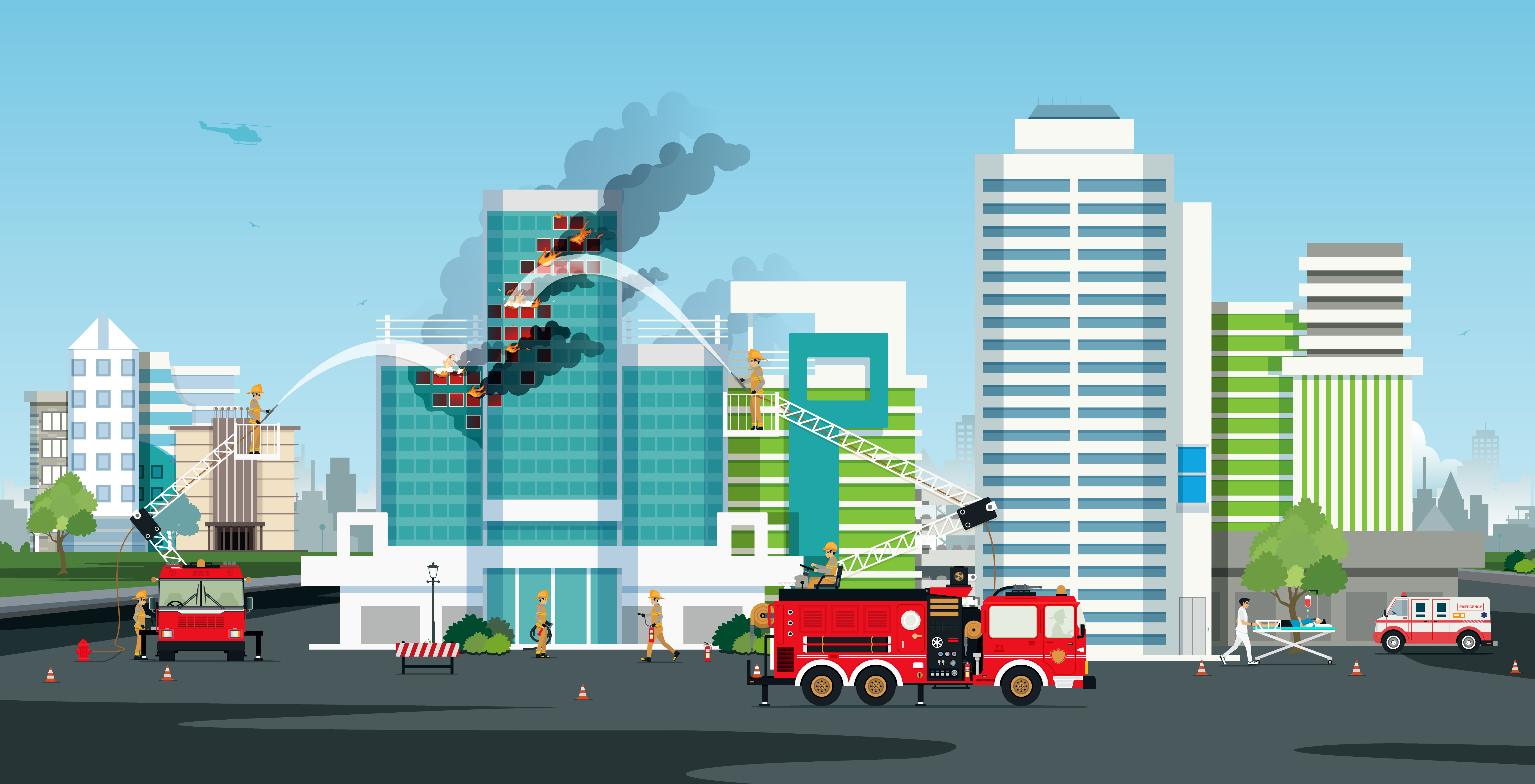
Quick Guide on Fire Insurance
Fire insurance is a contractual agreement between the policyholder and the insurer wherein the insurer in return for consideration or premium agrees to indemnify the policyholder or the insured person for the financial loss that he/she may suffer due to destruction of or damage to property or goods by fire during a specific period. You can buy as well as renew a fire insurance policy in India by online as well as offline ways.
The purchase of fire insurance helps to cover the cost of replacement, repair or reconstruction of the property, but fire insurance is generally not valid in case of war, nuclear risk or any such similar peril. Buying fire insurance is always a good idea because your property is your investment and buying a fire insurance policy will help you recover the damage and loss caused due to fire on your property.
Most of the policies offered by the different insurance providers cover the physical damage caused to your property by the following perils: -
- Fire
- Lightning
- Riot and Strike
- Earthquake, wind and storm
- Explosion
- Smoke damage
- Sprinkler Damage
- Damage due to aircraft
- Bush fire
- Subsidence, rockslides or landslides
- Impact damage which may occur due to the impact of road vehicles or animals or rails.
There are various types of fire insurance policies that are available in India, depending on the coverage requirement of the individual. The type of fire insurance policy in India you may choose also depends on whether the asset which is being insured is a fixed asset or a non-fixed asset. Depending on the type of asset being insured, insurance providers have different types of fire insurance policies available. The types of policies for fixed assets such as homes are: -
- Replacement Value Policy - The asset which has been insured is replaced if it is damaged by fire wherein the insurance company pays the replacement value of the damaged property.
- Reinstatement Value Policy - This is almost similar to the Replacement Value Policy but with an added clause that the insurance company will replace the damaged property to its original condition before the occurrence of the peril. This policy applies to fixed assets like buildings.
There are many different types of policies for non-fixed assets, such as: -
- Specific Policy - This policy covers the loss up to a specific amount which is less than the real value of the property.
- Comprehensive Policy - Also called ‘All in One’ policy, this policy covers loss due to fire, theft, burglary as well as other third-party damages.
- Valued Policy - Under this policy, the insured person can recover a fixed amount which was agreed to at the time the policy was bought.
- Floating Policy - This policy covers loss due to fire to property belonging to the same person but at different places.
- Valuable Policy - The sum insured is not decided at the time of buying the policy but instead, the claim amount is calculated at the time of loss.
- Consequential Loss Policy - This policy covers the loss in profit caused due to disruption of the business by damage due to fire.
Buying a fire insurance policy for your house or your goods is always a good decision, but you must buy a policy which covers the risk that you face and understand the nature of the asset that you want to insure and then buy an insurance policy accordingly.

Quick Tips on Fire Insurance
Fire and related events can cause very big losses, and they have become one of the biggest causes of losses in recent times. The damage due to fire can include non-movable assets like homes and buildings as well as movable assets like goods. To ensure you are protected against any unforeseen damage of your property by fire or any fire-related event, you can buy fire insurance for your property from any of the fire insurance companies in India. Fire insurance involves many things and some things must be taken care of while buying fire insurance or renewing your insurance so that you need to pay a lesser premium as well as while filing claims so that you get the best deals.
Things covered under fire insurance: -
Fire, explosion and implosion Lightning Damage due to aircraft Strikes and riots Rockslides and landslides Impact damage Malicious damage Bush fire Smoke damage Storm, typhoon Sprinkler damage Earthquake
Things which fire insurance companies in India do not cover: -
Perils like war, civil war, invasion and similar events Rebellion or Martial law and similar events Underground fires and losses due to that Spontaneous Combustion Losses due to pollution or contamination Theft related losses occurring during or after the fire Consequential losses
What should be the policy amount of your fire insurance?
In most cases, the total sum for which you are buying the fire insurance should be equal to the total cost needed to rebuild or reinstate the property and the professional fees involved along with the charges for the removal of debris.
What is the difference between Replacement Value Policy and Reinstatement Value Policy for Fixed Assets?
In Replacement Value Policy, the insurance company pays the cost of replacing the complete asset that has been damaged or lost due to fire and related events whereas in case of a Reinstatement Value Policy; the insurance company pays the cost to replace the damaged property to its original condition it was in before the loss due to fire. While Replacement Value Policy can apply to other assets, the Reinstatement Value Policy is only applicable to buildings and no other assets.
When buying a fire insurance policy from fire insurance companies in India, you must consider the following things:
The type of risk that the policy covers and if the risk covered by the policy matches the risk you face for your property. The nature of the asset you want to insure because there are different types of policies available for fixed assets and many other different types of policies available for non-fixed assets. Understand the coverage duration of your policy and when to renew the policy.
What information you should get from the fire insurance company while buying the policy?
Premium Payable The insurance cancellation and refund policy Period of coverage Scope of policy coverage Non-standard exclusions Claims reporting procedures
What things are considered to calculate the premium?
The insurer uses many different kinds of data to come up with a final number which you need to pay as premium annually:
The type of policy The type of risk or risks covered The total sum insured The total value of the asset being insured How the asset being insured is used by the owner of the asset The expected risks that can damage the property being insured Whether the person has taken a policy extension or not
How to claim if your asset is damaged?
You need to immediately contact your insurer as soon as your insured property is damaged. The insurer may appoint an independent loss adjuster to take care of your claim, and you will be required to fill a form to start the claim process. The insurer will undertake proper investigation and will then accept the claim if everything is fine.
Keep your car in great shape!
Your car gets you safely everywhere you want to go, but it requires that you take good care of it in order for it to keep running. Some of these simple maintenance issues can actually result in an accident or injuries. Take the time to make sure these 10 things are checked regularly and maintained as needed and avoid a potential accident or claim.
Tip 1: Change the oil. Neglecting oil level checks and fresh oil changes will not do your car any favours.
Tip 2: Change the oil filter. Check the oil level once a month and replace the oil filter regularly.
Tip 3: Check your brake fluid. Check when transmission fluid and power steering fluid need to be replaced as well.
Tip 4: Check the tyre pressure each month. You should check your tyres regularly by ensuring that they are properly inflated and that the wheels are aligned. Not only will you get better mileage, but your tyres will last longer too.
Tip 5: Check the windscreen wipers. Make sure they are not damaged and are in a good working condition, as driving without proper visibility is dangerous.
Tip 6: Change the air filter. Keep your engine clean by regularly replacing the air filter.
Tip 7: Check the windscreen. Inspect the windscreen for small chips and scratches. These are reasonably cheap to repair, while replacing an entire windscreen is expensive.
Tip 8: Check your lights. This means indicator lights, hazard lights and headlights. Replace burnt out bulbs immediately.
Tip 9: Check the dashboard. Don't ignore the dashboard if there are flashing lights or the temperature gauge is suddenly extra hot. Stop as soon as it is safe and read the manual to make sure it is safe to drive further.
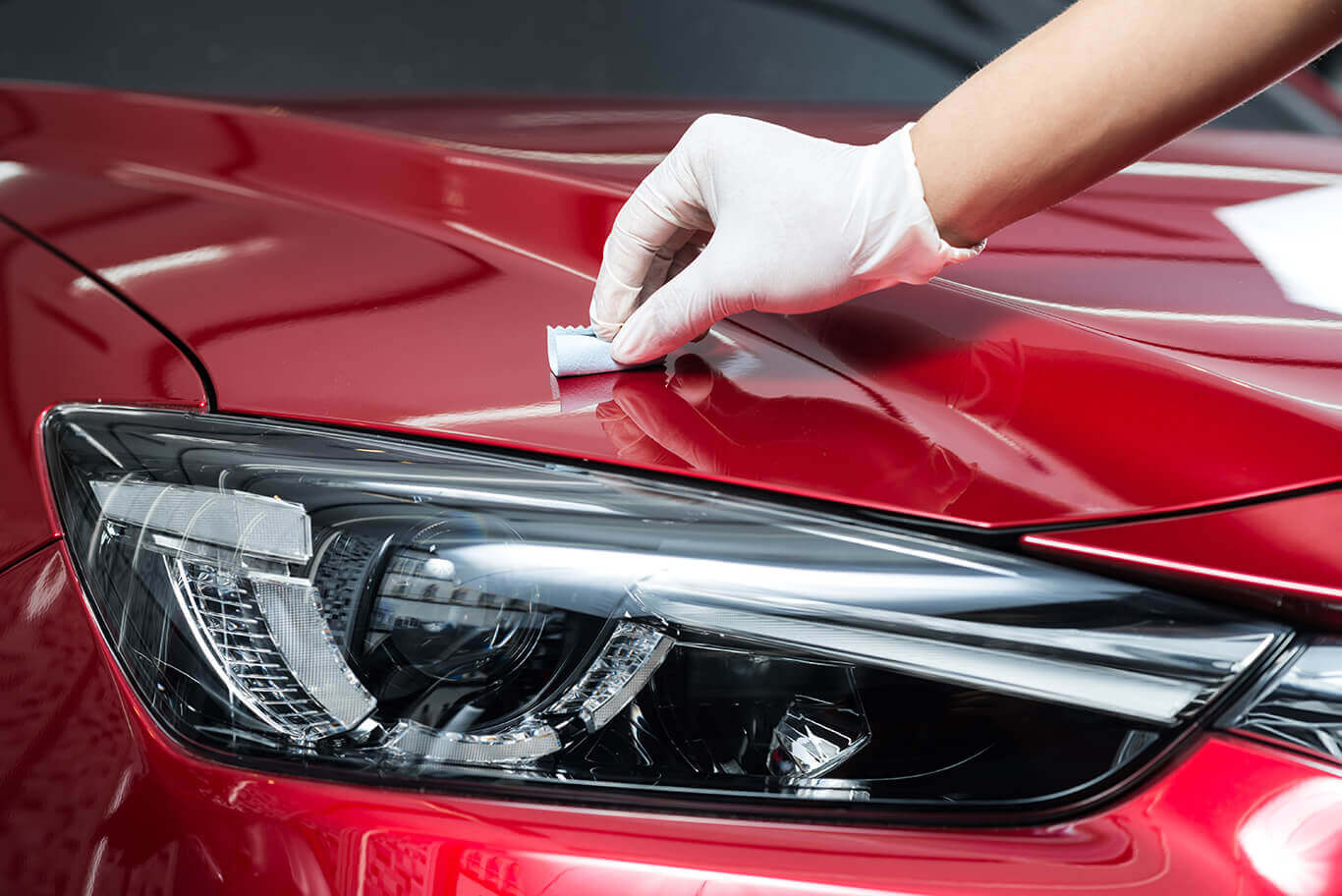
Tip 10: Protect the exterior of the car. A coat of good quality wax will ensure that your vehicle paint is protected. Apply the wax every six months.
Keep your car in good running condition and it will keep you safe and in control on the road. It takes a short amount of time to check these important functions, but can save money, fuel, and even lives in the long run. Make sure the functions of your car aren’t the only thing you’re checking. Get Car Insurance at the best price and protect your prized possession!

Get the peace of mind you deserve with one step
We all know that setting up a business and buying an asset takes a lot of time and toiling, it may be a car, your dream house or simply a household item.
For many, work and business is a doppelganger of their personal identity. Your office could have cash, valuables, goods and raw material, critical documents or intellectual property that in an event of a theft or burglary can leave you financially crippled.
Here’s what we have figured out through our truth lens!
Even though the crime rate in India is on the decline, it is still quite high at 379 crimes per lakh of the population as per data from NCRB (2016). Most urban business complexes now have better security systems and more personnel on board; however, most perpetrators in cases of thefts are known to be familiar faces. This makes it imperative for businesses to add a layer of security with a comprehensive burglary and theft insurance plan.
For the sake of insurance, theft and burglary are two separate categories, where burglary, unlike a theft, also accounts for forcible/ violent entry and/or armed robbery that puts the people, place and other valuables at risk.
Why is securing yourself against theft and burglary important?
A comprehensive protection plan can be purchased for your home, office, factory, warehouse, etc. The compensation from the insurer covers for any item that is stolen from the insured premises and also makes good any loss or damage caused to the premises on account of the said theft or burglary.
Any stock of goods, furniture, computers and electronics and other assets within the business premises are covered too. In fact Magma HDI’s Burglary Insurance Policy goes a step further and provides for reasonable coverage to clean up the premises and move any debris from the premises to the closest disposal site. It also reimburses for making good critical documents such as agreements and confidential business documents, on which sometimes the registration and stamp duty itself can run in to lakhs of rupees.
If you fear a repeated attempt at the theft or burglary, Magma HDI burglary policy also covers for the cost of temporary protection incurred for the safety of your employees and assets.
The first thing you need to do is to ensure that there are reasonable safety and security systems in place so as to minimize the risk. This will also have a direct impact on the insurance premium you will incur. The better your preparation, the lower the premium. The insurance will not cover for any loss arising out of an ‘inside job’ unless through forceful means.
Review your insurance requirements periodically, especially if you have different value of cash, goods/ raw material moving in and out of your office, new equipment/ machinery, critical R&D technology, etc. The value of your stocks and assets have a direct correlation to your premium.
The cost of insurance is a small price to pay for ensured business continuity, protecting your family and employees and securing your peace of mind.

How Magma HDI liability insurance makes you a responsible citizen?
It is hard to name a single businessman who hasn’t taken risks, but you will know many brave ones who trusted luck and risked everything. Truth be told, as a responsible business owner and citizen, one needs to be prepared with and Magma HDI Genaral Insurance Company offers a wide range of liability insurance policies that give you
1. Compensation for damage/loss of property or human injury
2. Covers your legal liabilities towards damage to any third party, along with the legal costs and expenses incurred by the insured.
3. It applies to both industrial and non-industrial establishments.
4. Compensation for damage/loss of property or a human injury caused due to defects in product manufacturing
5. Even after ensuring the highest quality standards and assessment parameters, a manufacturing defect in products is still possible and can cause mishaps.In such instances, Magma HDI Liability Insurance covers the liability to a third party.
6. Compensation for damage caused due to human negligence
Be it any professional– doctor, engineer or lawyer – involuntary errors and omissions could seriously impact their customers’ health, well-being, or financial stature. Liability insurance will take care of any liabilities that may arise due to negligence while executing your responsibilities.
Smart and trusted businesses quickly compensates loss or damage that might occur during the regular course of business as they are backed by their Liability Insurance policies and so can you CLICK HERE for buying Magma HDI’s liability insurance Policy.
Hi there! 👋 Need help with a policy, claim, or renewal? Chat with us instantly on WhatsApp.
Start chat →