


General Insurance Blogs, Articles & Updates by - Magma Insurance
Have us call you
- RENEW YOUR POLICY
- BUY NEW POLICY

GENERAL INSURANCE BLOG
Everything you need to know about engineering insurance
Does your business rely heavily on machines and equipment? If yes, then you surely must’ve heard about machinery breakdown insurance. Even if you haven’t, worry not, we’re here to explain
Businesses that have machines running day-in-day-out are susceptible to loss if there is any physical damage to the machines or if they break down. Even if the daily wear and tear are monitored, it is impossible to predict a breakdown. But what you can do is be prepared for such situations by having a machinery breakdown insurance.
What is covered by this type of insurance?
Loss or damage due to:
- A mechanical breakdown
- An electrical breakdown
- Accidental external factors
The cover is applicable:
- When the machinery is operating
- When it is at rest
- When it is in the process of getting dismantled
- When it is being overhauled or subsequently being re-erected at the same premises.
The machinery breakdown insurance that we provide also has the following additional covers:
- Air Freight
- Express Freight
- Insured’s own surrounding property
- Third party liability
- Escalation
- Additional custom duty
What is not covered by this type of insurance?
Loss or damage due to:
- Natural calamities like lightning, flood, earthquake, landslides, etc.
- Burglary or theft
- Damage caused due to impact by land-borne/water-borne craft.
- Wear and tear, faults or defects that existed when the insurance period started and was either known to you or ought to have been known to you.
- Faults or defects for which the supplier is responsible either by law or under contract
- War or war-like operations
- Wilful acts or gross negligence on your or your representative’s part
- Accidental loss or damage due to overload experiments or tests requiring the imposition of abnormal conditions
- Loss of or damage to the different types of belts, ropes, chains, and other exchangeable tools
- Loss of or damage to objects made of glass, porcelain, ceramics, all operating media, etc
- Flaws, defects, cracks or partial fractures that develop gradually in any part not necessitating immediate stoppage
Machines and equipment form an integral part of some businesses. If your business is one of them, then you definitely must own insurance that protects your machinery against unforeseen circumstances. Specific insurance policies such as this one are made to ensure that if something does go wrong, business owners have a reliable option to fall back on.

Health insurance v/s critical illness insurance: All you need to know
There’s an ongoing debate between the importance of health insurance and critical illness insurance. Most people either confuse health insurance with critical illness cover or consider it to be an option. While both insurance plans act as a financial cushion for health-related contingencies, let’s learn the truth about both:
| Health Insurance | Critical Illness Insurance | |
|---|---|---|
| Scope | Provides overall benefit in terms of medical and hospitalization cost. | Provides lump sum amount in case of critical illnesses, such as cancer, stroke, heart attack, multiple organ transplant, etc. |
| Coverage | Covers pre and post hospitalization expenses due to a medical conditions or accidents, domiciliary treatment, day care procedures, etc. | Covers specific diseases. The payout can be used for treatment expenses, repay debts, accommodate lifestyle changes, etc. |
| Premium | Since the scope of coverage is higher, the premium amount is also comparatively higher | Since this covers specific illnesses, you get a higher coverage pertaining to that illness but at a lower premium |
| Recommended for | For every member of the family | Usually for members above the age of thirty-five belonging to a family with a history of critical illness |
So, now that you know the primary differences between health insurance and critical illness insurance, the question arises of choice. Which of the two should you choose to buy? The answer is that both health and critical illness insurance plans are important for you. Both the plans are recommended for anyone who wants to secure themselves against the financial implications of health issues.
However, if you have a history of critical illness in the family or have certain lifestyle habits that are known to result in certain critical illnesses, it is strongly advised to opt for critical illness insurance too. You can either take this as a cover or standalone insurance. You should have insurance against critical illnesses, such as heart attack, stroke, cancer, coronary artery bypass, paralysis, etc. Additionally, the chances of falling prey to critical illnesses increase with age and could also be triggered by certain other pre-existing diseases, such as diabetes can lead to heart attack and strokes by damaging the nerves and blood vessels of the heart. Therefore, it’s important to be mindful of all such factors that could lead to critical illness, and it’s prudent to take critical illness insurance along with your health insurance plan.
To Sum Up
The best way to secure your health is to opt for both, a health insurance plan and critical illness insurance plan too. Magma HDI's OneHealth Insurance Policy is one such policy that can come handy for you.
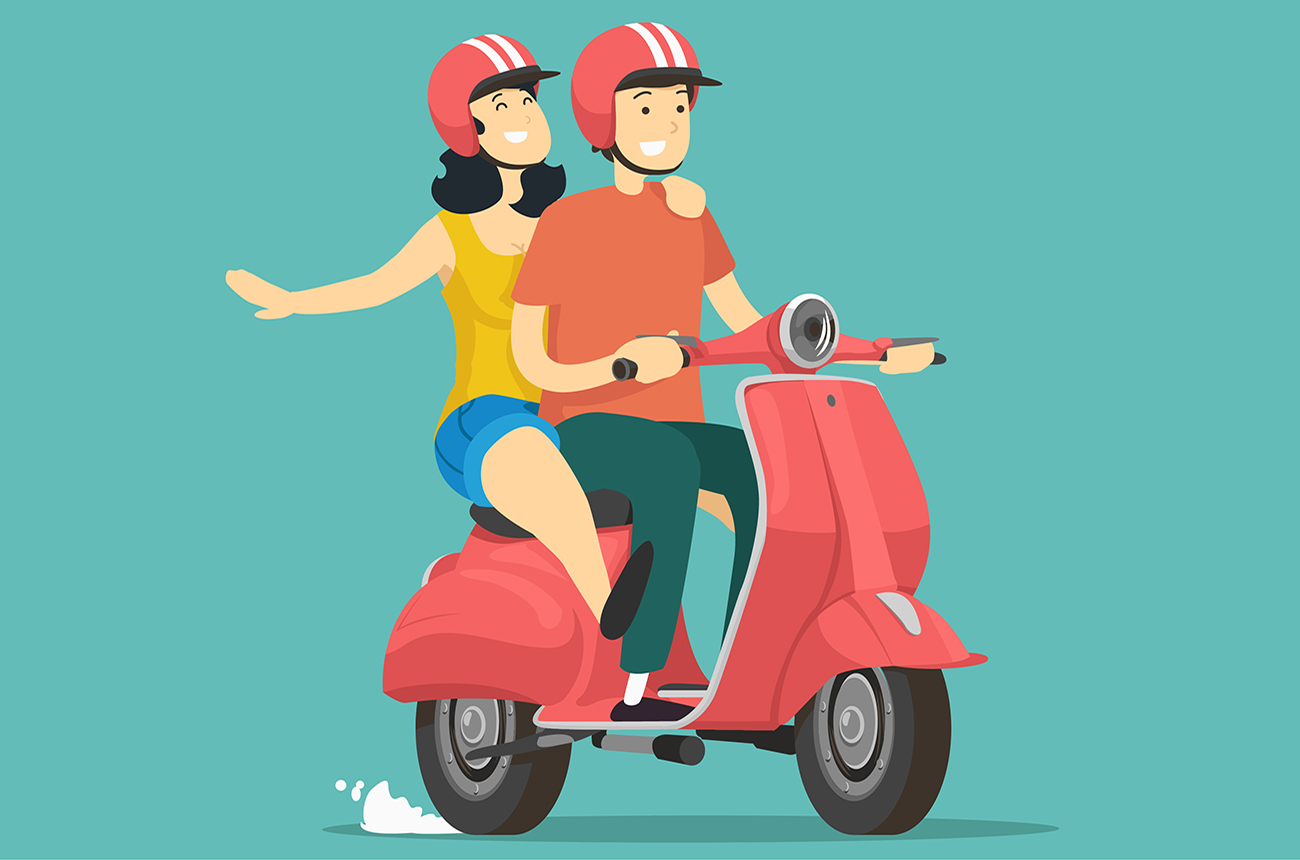
Everything you should know about bike insurance in India
If you own a vehicle, most likely it’s a bike. A two-wheeler is most people’s first choice due to the low price and easier upkeep. The latter, however, is something that is not always true. Even a small accident, due to your or someone else’s error, can lead to a hefty bill. So, does that mean two-wheelers aren’t as economical as we thought?
It can be if you have the right two-wheeler 2 Wheeler Insurance In India.
Not only is a two-wheeler insurance mandatory by the government, it is also the best way to ensure owning and riding a motorcycle doesn’t become a burden. While breakdowns and accidents aren’t always avoidable, you can plan ahead for when you find yourself in a sticky situation.
Kinds of plans available
To break it down, there are mainly two kinds of insurance plans available for two-wheelers. One is the third-party liability only insurance which is mandatory for all motor vehicles and the other one is thecomprehensive insurance which protects you and your vehicle as well.One should always go for the latter because not only does it cover your liabilities to the other party in case of an accident, but also your medical bills and biker repair costs.
How important is it?
You might be a terrific rider but can you be sure about everybody else on the road? A comprehensive insurance, in that case, is your best bet for protecting your finances.Your policywill not onlyhelp yourecover the costs of repair but also your medical bills. But the benefits of atwo-wheeler insurance don’t end here.It can also protect you against theft and send you help if your motorcycle breaks down in the middle of nowhere.
What does our truth lens say?
As mentioned earlier, you should always opt for a comprehensive insurance because it covers more than just the third-party liabilities. Apart from this, you should also check how extensive is the insurance provider’s network of service centres and garages.A large network means you are more likely to find one around you for cashless repair.
Another factor to keep in mind is to check the claims ratio of the company. It essentially means how many claims the provider has settled out of the total number of claims made. And of course, you should look for which plan offers most benefits. For instance, Magma HDI’s two-wheeler insurance covers your motorcycle against damage due to fire and explosion, damage in transit, natural disasters and even theft.
Where to get it?
This is an easy one as most vehicles usually offer you insurance at the time of purchase itself. But make sure you go through the offerings properly. You can also check out Magma HDI to find the right plan for yourself to renew bike insurance or Buy Bike Insurance Online in India.
Home Security during festive seasons
Though the home is a synonym of safety, home burglaries are common and have gone up rapidly in recent times. Festival theft is another concern, and a study shows that the highest home burglary rate in India is during festive seasons. Read on to know about five preventive steps to ensure your home is a safer haven during the festival season and after.
Hiring a security guard or a watchman
Most of the housing societies execute due diligence on the security features, including hiring trained security guards. If you are not living in one of the high-rise buildings rather a private land-based home, then a security guard is a must for you. A trustworthy watchman is a resource who works as a deterrent to burglars and ensures the complete safety of your home. Opt for a guard from professionally licensed security companies and always take a security guard that has previous security experience and is adequately verified.
Under surveillance — installing CCTVs
Technology is more of a boon than a bane for all. According to a Delhi Police report, crime reports have decreased to half after installing CCTVs in Old Delhi's Chandni Chowk Market. The same statement holds true for most of the residential colonies. Installing CCTVs at your home allows you to keep an eye on suspicious elements and prevents any potential theft. During the festive season, it is more imperative to have a security scanner that alerts you about any suspicious activity around your premises.
Lock it all when you leave
During the festival season, there is a spurt in burglary, even in locked houses. When you need to leave your home, make sure that all your windows and doors are closed and properly secured. One of the biggest mistakes people make is hiding the keys in the most obvious places, under the rug or behind the nameplate. Also, don't let burglars assume that no one is in the house. Ask neighbours or depute someone to pick the newspaper from the doorways and switch on the door lights in the night.
Bank lockers are better than home safes
There is no argument that a bank locker is always a safer place for your valuables. Banks have a robust security system to safeguard your valuables. The presence of a security guard and a high level of surveillance to monitor entry and exit in the bank's locker room add another layer of security protection to your valuables. However, if you are still keeping jewelry and valuables for the festive season at home, use electronic safes ranging from mechanical safe to the wall-mounted high-end safes.
And, consider taking a home insurance cover.
Security tools and technology will help make your home secure to a certain extent, but considering the increase in home burglaries nowadays, nothing can be said with surety. A good head start would be opting for the best home insurance policy in india that safeguards your home from any loss and damage.
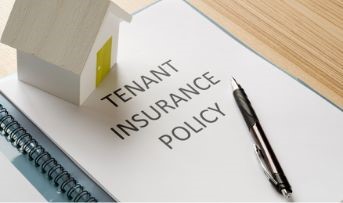
Entering a tenancy contract? Here’s an insurance policy you must purchase
Have you ever entered into a tenancy contract? If so, have you ever considered the importance of home insurance? Many tenants overlook the need for home insurance India, assuming it is the landlord's responsibility to provide insurance coverage. However, this is only sometimes the case.
In this blog, we will explore why tenants need home insurance India and why it is an insurance policy you must purchase.
Why must tenants purchase home insurance India?
Firstly, let's understand what home insurance is. Home insurance protects your home and belongings against damage or loss due to unforeseen events such as fire, theft, natural disasters, or accidents. A typical home insurance policy covers the building structure, contents of the home, and personal liability. It is important to note that a landlord's insurance policy usually only protects the building structure, not the tenant's belongings or personal liability.
Benefits of having home insurance.
Now, let's consider the benefits of having home insurance as a tenant. Imagine you are renting an apartment, and a fire breaks out, destroying all your personal belongings. Without home insurance, you would be responsible for replacing all your lost items, which can be a significant financial burden. However, you can file a claim and receive compensation for your losses with home insurance. Home insurance can provide peace of mind, knowing you are protected from unforeseen events.
Moreover, home insurance India can also provide coverage for personal liability. For example, if a visitor is injured in your home due to your negligence, you may be held legally responsible for their medical expenses and other damages. In such a scenario, home insurance can protect you from financial liability by covering the costs of any legal claims against you.
Choosing the right home insurance policy.
You may be wondering about the cost of home insurance India. The cost can vary depending on the coverage you choose, the value of your belongings, and the location of your home. However, compared to the potential financial losses you may face in the case of unforeseen events, home insurance is relatively affordable.
Now that we have established the importance of home insurance for tenants, let's discuss the home insurance policies available in India.
Two home insurance policies are available: building insurance and contents insurance. Building insurance covers the structure of the building, including the walls, roof, and fixtures. Contents insurance, on the other hand, covers the tenant's personal belongings, such as furniture, appliances, and clothing.
It is important to note that while building insurance is usually the landlord's responsibility, contents insurance is the tenant's responsibility. Therefore, as a tenant, it is essential to purchase contents insurance to protect your personal belongings against damage or loss due to unforeseen events. You should research thoroughly before buying insurance. Know what can suit your requirements the best and invest in a plan that ensures the total security of your assets.
Investing in home insurance.
Home insurance India is an essential investment that can save you from financial losses due to unforeseen events. Protecting your home and personal belongings is crucial with the rise in natural calamities, theft, and other unexpected events. While some tenants may assume that their landlord's insurance policy will provide adequate coverage, this is only sometimes true.
In conclusion, home insurance is a necessity for every tenant. Home insurance India can protect against unforeseen events like fire, theft, natural disasters, or accidents. It can also provide coverage for personal liability, saving tenants from financial liability in case of any legal claims against them. As a tenant, purchasing insurance to protect your personal belongings against damage or loss due to unforeseen events is essential.
Click HERE to buy home insurance India.
Disclaimer: The information provided above is for illustrative purposes only. To get more details, please refer to policy wordings and prospectus before purchasing a policy.

Surprising ways in which bike riding can benefit your health
For regular people, bikes are only a form of commute. But for passionate bikers, riding is a rejuvenating, refreshing, and therapeutic experience.
Chances are, you may have never heard of the benefits of bike riding and only the dangers, especially from your parents. However, various studies show how bike rides can reduce stress and enhance cerebral functions. Riding has numerous other health benefits that you may have overlooked till now.
Let us now look at the physical and mental health benefits of riding.
1. Interacting with the environment:
When you go for a drive in your car, you are confined inside it. Although there is a window, people usually do not pull it down because of the AC or dust coming from outside. But, on a bike, you are out in the open with the wind blowing in your face. You can directly connect with your surroundings. You are closer to the trees and the essence of fresh air. An experience like this is undoubtedly bound to reduce stress and anxiety.
2. Core strength and stability:
When you are riding a bike, even just to the grocery store, you have to keep yourself upright. Maintaining correct posture while riding can enhance core strength, improve muscle tone and help keep the body in shape.
3. Calorie burn:
Did you know you could burn calories while bike riding? A one-hour motorcycle ride is estimated to burn about 200-300 calories if travelling on rugged terrain. So, to put things into perspective, if you ride a bike for one hour 5 days a week, you could lose 65,000 calories in a year.
4. Reflex enhancing:
Bikes are considered more dangerous than cars, and it’s because you need to be extra aware of your surroundings while riding a motorcycle than in a car. You need to be alert at all times, resulting in the riders developing good reflexes and improved brain alertness.
5. Neck strength:
If you are a neck and back pain victim, you will be thrilled with this benefit. Riding can improve your neck strength and is almost like therapy for your neck and back. However, for this, you need to make sure that your bike is fit for your body.
Bike riding is undoubtedly fun. Even if you are not a regular biker, riding in the open air once in a while can truly revitalize you from within. It can be a refreshing experience after a hectic day at work. Bike trips are an excellent way of connecting yourselves to new people and surroundings. The more you ride, the more you get to explore new dimensions of yourselves.
But, it is essential to be a responsible biker and ensure that you ride with the proper gear and required documents. Safety is paramount, and the same applies to your bike. As life insurance covers you for damages, your motorcycle needs ideal bike insurance coverage for its comprehensive security. So, before hopping on your bike, make sure that you have protected your asset with the shield of insurance.
Click HERE to get details about different bike insurance plans.
Disclaimer: The information provided above is for illustrative purposes only. To get more details, please refer to policy wordings and prospectus before purchasing a policy.
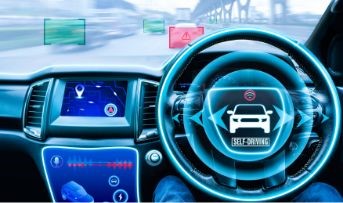
A collision is more likely caused by drivers than self-driving cars!
Car accidents are a significant concern for drivers and insurance providers worldwide. With the manufacturing of self-driving cars, people have started to question the safety of these vehicles. While some argue that self-driving cars can cause accidents due to technical glitches, studies suggest that human error is the leading cause of accidents on the road. Self-driving vehicles have the potential to significantly reduce the likelihood of accidents, as they are equipped with advanced technology and programmed to follow traffic rules.
In this blog post, we will explore why collisions are more likely to be caused by human error than by self-driving cars.
1. Human error is the leading cause of accidents
According to a report by the National Highway Traffic Safety Administration, more than 70 percent of accidents are caused by human error. This includes factors such as speeding, drunk driving, distracted driving, and more. The behavioural traits of human drivers should also be accountable. The driver's mood also affects his driving style, and if the driver is in a bad mood or frustrated, he will likely drive the car fast. Rash driving has been a leading cause of accidents and fatalities. Self-driving cars, on the other hand, have the potential to eliminate these errors and make driving safer.
2. Self-driving cars are equipped with advanced technology
Self-driving vehicles are equipped with sensors, cameras, and advanced software to detect potential collisions and take necessary action to avoid them. These features can significantly reduce the likelihood of accidents.
3. Self-driving cars are programmed to follow traffic rules
Self-driving cars are programmed to follow traffic rules and regulations, eliminating the possibility of reckless driving. This ensures that self-driving cars are less likely to cause accidents than human drivers. Humans tend to jump signals, ignore seatbelts, and avoid giving proper indications while making turns.
4. Self-driving cars can communicate with each other
Self-driving vehicles can communicate with each other using vehicle-to-vehicle communication (V2V) technology. This allows them to share information about traffic conditions and potential hazards, which can help prevent accidents.
5. Self-driving cars are less prone to fatigue and distractions
Human drivers are prone to fatigue and distractions, which pose high risks of accidents. On the other hand, self-driving cars do not get tired or distracted, making them more reliable and safer.
6. Self-driving cars can reduce traffic congestion
Self-driving cars can communicate with each other and adjust their speed and route to avoid traffic congestion. This can help reduce the likelihood of accidents caused by congestion and improve overall traffic flow.
7. Self-driving cars are constantly learning and improving
Self-driving cars are equipped with machine-learning algorithms to learn and improve their driving capabilities continuously. This means they will only improve over time, making them even safer.
8. Self-driving cars can reduce insurance costs
Self-driving cars have the potential to reduce insurance costs for drivers significantly. Since they are less likely to cause accidents, insurance providers may offer lower premiums to self-driving car owners.
Self-driving cars are the future of transportation, and it is only a matter of time before they become the norm. As technology improves and becomes more widespread, we can expect to see a significant reduction in accidents and fatalities on the roads.
In conclusion, self-driving cars are less likely to cause accidents than human drivers. They are equipped with advanced technology, programmed to follow traffic rules, and constantly learning and improving. While there is still some skepticism surrounding the safety of self-driving cars, private car insurance India covers them just like any other car.
Click HERE to learn more about the benefits of purchasing private car insurance India.
Disclaimer: The information provided above is for illustrative purposes only. To get more details, please refer to policy wordings and prospectus before purchasing a policy.

Fitness guide to making abs at home
You can create great abs without complicated equipment or expensive gym subscriptions. A few square feet of the floor is the only actual space required. According to workout suggestions, we've combined some tried-and-tested exercises to identify the finest abdominal workout you can perform in the convenience of your own home. However, you're mistaken if you believe it'll be lenient with you.
The tough three-circuit superset that follows this intense workout is made to target all your stomach muscles to give you those perfect-looking abs. Are you able to handle it? Here is the workout you'll be doing if the answer is yes (which we hope it is). Instructions for each move are provided below.
1. Straight leg lift:
Your hands should be at your head or sides as you lay on your back. Raise your feet as high as possible while maintaining a straight posture with your legs together. Keep your lower abs contracted as you sluggishly take a step back to the starting position. Perform 10 repetitions of this exercise with a gap of 10 seconds between each repetition.
2. Weighted crunch reaches:
Hold a dumbbell with your arms straight over your chest while lying flat on your back with your knees bent. Crunch to the top of the movement, pause, and lower to the beginning
3. Weighted sitting Russian twist:
Hold a dumbbell out in front of you as you sit on the ground with your knees bent and your feet lifted. Twist to one side, then the opposite, and finally, come back to the centre. Throughout, try not to let your feet touch the ground. Perform 10 repetitions of this exercise with a gap of 10 seconds between each repetition.
4. Weighted sit-ups:
These are one of the most effective exercises to develop abdominal muscles. Lie flat on the floor with your arms straight and hold a weight plate above your chest. Follow the traditional leg sit-ups and bring the weight plate above your head as you rise and then gradually lower back to the floor in a rhythmic manner. Focus on your breathing while doing this exercise.
5. Mountain climber:
Commence by performing a press-up. Draw one leg up and cross it across your body to the opposite elbow without allowing your hips to drop. As you start again, switch to the other leg and repeat. Keep the repetitions controlled yet quick.
More ab exercises:
If you want to get a six-pack, keep your workouts interesting. As a result, having a variety of abs exercises is beneficial. Here are a few additional choices you can consider.
Upper, lower, and oblique circuit training:
These three exercises are the best abs workouts because they work your abdominal muscles from different angles. This way, you can be sure that no muscles are left out. Although the exercises don't include weights, you will need a pull-up bar to perform the hanging exercises.
At-home abs workout:
The only piece of equipment required for this exercise is a dumbbell, which doesn't have to be particularly heavy because you'll be performing several repetitions of each exercise to maximise the time your muscles are under tension.
While maintaining a regular exercise routine is a good idea to develop perfect-shaped abs and a fit body, everyone should also invest in health insurance. Depending on the plan, online health insurance companies offer the insured a variety of health benefits for an attractive premium. You can select the best-suited plan from numerous online health insurance companies and protect yourself and your family with a comprehensive safety net.
Click HERE to buy health insurance from the best insurance provider.
Disclaimer: The information provided above is for illustrative purposes only. To get more details, please refer to policy wordings and prospectus before purchasing a policy.
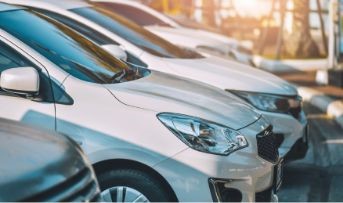
Here are the probable challenges that you might face being an owner of a discontinued car
Owning a car is a significant investment, but keeping a discontinued vehicle can be frustrating. A discontinued car is a model that is no longer in production, leading to difficulty finding parts, limited warranty coverage, higher maintenance costs, and lower resale value. Additionally, limited options for upgrades and insurance coverage, as well as limited availability of mechanics, can make owning a discontinued car a daunting task.
In this article, we will discuss some of the probable challenges you might face being an owner of a discontinued car in detail and how car insurance can help you mitigate these challenges. Let's get started!
1. Difficulty in finding parts
One of the primary challenges of owning a discontinued car is finding parts. Since the car model is no longer in production, it may be tough to find the original parts. This can be a problem if your car requires major repairs and you need to replace a specific part. Sometimes, you may have to rely on aftermarket or used parts, which may not be as reliable as the original ones.
2. Lower resale value
Another challenge of owning a discontinued car is the lower resale value. Since the car model is no longer in production, the demand for the vehicle decreases, leading to a decrease in its resale value. This can be a significant problem if you plan to sell your car or trade it in for a new one.
Car insurance can help you in this scenario by offering coverage for the depreciated value of your car. Some insurance providers may provide coverage for the car's original value, which can be helpful if you face a significant loss due to the lower resale value. But you need to check this with your car insurance provider.
3. Limited warranty coverage
The warranty coverage may be limited or expired when you own a discontinued car. This can be a problem if your vehicle requires repairs or the replacement of specific parts.
4. Limited options for upgrades
Since the manufacturer discontinues the car model, there may be limited options for upgrades or modifications. This can be frustrating if you want to enhance the performance or aesthetics of your car.
5. Higher maintenance costs
Another challenge of owning a discontinued car is the higher maintenance costs. Since the parts are no longer in production, they may be more expensive to replace or repair.
6. Limited availability of mechanics
Since the car model is no longer in production, finding a mechanic who is familiar with the car can take time and effort. This can be a problem if you need specific repairs or maintenance.
Car insurance can help you in this scenario by offering a network of authorised repair shops. Some insurance providers may have tie-ups with specific repair shops specialising in discontinued car models, making it easier to find the right mechanic for your car. You need to check all these details, the terms, and the conditions with your insurance provider.
7. Limited options for insurance coverage
When you own a discontinued car, the options for insurance coverage may be limited. Since the car model is no longer in production, some insurance providers may not offer coverage.
Regular maintenance and careful driving habits can help extend the lifespan of your discontinued car and reduce the likelihood of breakdowns or costly repairs. It's essential to stay up to date with routine maintenance tasks, such as oil changes, tyre rotations, and brake inspections, and to avoid more significant problems.
In conclusion, car insurance is essential to owning and driving a car. It safeguards you financially from accidents, theft, or other unforeseen events that can damage or total a vehicle. When purchasing car insurance, comparing policies and prices from different providers is essential to find the best coverage that fits your needs and budget. With the right car insurance policy, you can have peace of mind while on the road and avoid financial hardship in case of unexpected incidents.
Click HERE to learn more about the benefits of purchasing car insurance.
Disclaimer: The information provided above is for illustrative purposes only. To get more details, please refer to policy wordings and prospectus before purchasing a policy.

How does having a car seat cushion help your back and hips
Driving is a regular activity in many people's daily lives. Long hours in a car, whether commuting to work, conducting errands, or taking road vacations, can be uncomfortable and even painful for your back and hips. On the other hand, using a car seat cushion might considerably improve your comfort and overall well-being. We'll examine how a vehicle seat cushion can aid your back and hips.
The design of car seats and its effects on the body
Vehicle seat cushions are intended to provide additional support and padding to your back and hips while driving. The design of a car seat can frequently create discomfort, especially if you have a long commute or drive for extended periods. A car seat cushion can relieve pressure spots and uniformly distribute weight, resulting in a more comfortable and supportive driving experience.
The benefits of car seat cushions
Furthermore, car seat cushions might assist you in enhancing your driving posture. Back and hip pain and neck and shoulder strain can all result from poor posture. A suitable lumbar support vehicle seat cushion can assist in correcting your spine, allowing you to sit up straighter and relieve strain on your back muscles. Furthermore, some car seat cushions include adjustable straps that may be added to the seat to help maintain you in the proper position and prevent slouching.
Sitting for lengthy periods can cause numbness and tingling in your legs and feet and decreased blood flow. A car seat cushion can help you distribute your weight more evenly and ease pressure areas, lowering your chances of having circulation issues. Furthermore, certain car seat cushions are contoured to facilitate improved circulation by minimising pressure on specific places.
Another benefit of using a car seat cushion is that it may lessen fatigue and pain when driving. Sitting in a car seat for long periods can create discomfort or pain in your back and hips. This can lead to fatigue, making it difficult to focus on the road and raising the chances of an accident. A car seat cushion can alleviate these issues by helping you to stay focused and awake while driving.
Using a car seat cushion also provides you with psychological advantages. Driving comfortably and without pain increases your chances of enjoying the experience and feeling less tired. This can lead to a more positive attitude and a better overall mood. Furthermore, if you are not distracted by pain or discomfort, you can concentrate on your surroundings and make better driving decisions.
Types of car seat cushions
Several types of car seat cushions are available, each with its own set of benefits. Memory foam cushions, for example, are made to conform to the curve of your body and provide customised support. Gel seat cushions contain a cooling gel that can help you regulate your body temperature and avoid overheating. Other car seat cushions are made of permeable textiles that can help avoid perspiration and discomfort in hot weather.
Furthermore, while utilising a car seat cushion can bring several benefits for your back and hips, taking care of your general health and well-being is critical. Purchasing health insurance can ensure that you have access to the medical care you require in the event of an accident or injury. With many policies and options available at your fingertips, buy health insurance online is now easier than ever.
In conclusion, the car seat cushion can benefit your back and hips while driving. By providing additional support and cushioning, improving posture, promoting better circulation, reducing fatigue and discomfort, and even having psychological benefits, a car seat cushion can make a significant difference in your overall driving experience.
Click HERE to buy health insurance online.
Disclaimer: The information provided above is for illustrative purposes only. To get more details, please refer to policy wordings and prospectus before purchasing a policy.
Save on tax by spending on electric vehicles!
With the world evolving, more changes are being made for a sustainable environment. One such significant development has taken place in terms of electric vehicles. They are cost-effective and eco-friendly fuel alternatives and will likely be the future of the automobile industry.
Electric vehicles have gained huge popularity and fame in a very short time. Over 19 lakh people are driving electric vehicles on Indian streets today. The Indian government has prompted the purchase of electric vehicles by giving a lot of incentives. These incentives can be availed by all individual buyers who want to invest in an electric vehicle and save the environment.
Since 2019, the Indian government has presented numerous schemes and rules in the budget for individual buyers. One of the most enticing schemes of these is the exemption of taxes. Whenever someone buys a new electric vehicle, they can save a lot on taxes. Surprising, right? Well, we will help you navigate through the details of this scheme in the article.
If you plan on buying an electric scooter or car, you should also buy new car insurance or two-wheeler insurance to keep your vehicle safe. Insurance is a worthwhile investment and a reliable resource to ensure financial safety during an emergency.
Now, let's look at the specifics of the incentives that the Indian government has specified for electric vehicle owners.
What is 80EEB?
Everyone looks at various ways to save taxes during the financial year's end. The 80EEB was introduced by the Indian government in the year 2019 for the promotion of electric vehicles. In the 2019 budget, it was indicated that an individual could claim up to Rs. 1.5 Lakhs deduction on their interest for a vehicle loan. This vehicle loan should be issued to purchase an electric vehicle.
Under this Income Tax Act, taxpayers can claim this deduction only once in an assessment year. The loan must be taken out for the purchase of an EV only. It will not work for any other vehicles, including hybrid models. The loan interest will be deducted for individuals only. It will not work for businesses or organisations.
Another important aspect concerning this vehicle's purchase includes the deduction in the Goods and Services Taxes. To promote the buying of EVs, the GST on the vehicles has been reduced from 12% to 5%.
Which vehicles fall under section 80EEB?
Not all vehicles fall under section 80EEB. You must know the specifics of the vehicle before you file a deduction in the interest. Under this section, any vehicle equipped with an electric motor powered by an electric battery is deemed eligible. The EV motor operates on the conversion of electric energy into mechanical energy.
What are the terms and conditions for claiming the deduction?
Let's summarise the terms to make it easy for you to make a decision
● The loan should be taken out for the purchase of an EV only
● The deduction is only offered on the interest amount of the loan
● The loan will benefit only individuals
● The loan should opt from a reputable financial institution
● The deduction claim can only be extended up to Rs 1.5 Lakhs. It cannot be exceeded.
● The deduction does not apply to an organization, a company, or a partnership firm
These are some of the most important pointers that you should keep in mind while you're buying an electric vehicle. With an EV, you can contribute to the environment and save substantially. It is high time that we switch to options that are eco-friendly and beneficial to the environment. You should also buy new car insurance whenever you decide to purchase a new EV to safeguard it from loss due to damages.
Click HERE to buy new car insurance policy.
Disclaimer: The information provided above is for illustrative purposes only. To get more details, please refer to policy wordings and prospectus before purchasing a policy.

Let’s understand the different types of property insurance you can invest in based on your asset type
Building a property from scratch can be a time-taking and intimidating process. Whether commercial or private property, the construction cost can burn a hole in your pocket. This is precisely why property insurance becomes necessary to protect you, your family, and your assets from any unforeseen tragedies that might occur.
Property insurance provides cover for various misfortunes, including but not limited to fire, natural calamities, or robbery. However, choosing an insurance specific to your asset type is vital for the best coverage and benefits. This blog gives insight into the various types of property insurance available in the market based on your asset type.
1. Office insurance:
Office insurance is essential for all office premises, including public and private offices, call centres, etc. This insurance plan covers office owners against damages from unforeseen circumstances like fires, storms, lightning, hurricanes, cyclones, etc. This policy also covers other possible threats, such as the theft of office appliances.
2. Construction sites insurance:
Construction sites are places with a high probability of accidents. The misfortune of contractors is that the property remains their liability till the entire construction is completed and the property is handed over to someone. Whether it is due to bad weather or some water damage, it is a possibility that the building might collapse onto itself. It is essential to get construction site insurance to keep your assets secure against these occurrences.
3. Commercial insurance:
This insurance covers the policyholder from the losses incurred from destroying commercial properties such as warehouses, offices, factories, hotels, etc. Taking a suitable commercial insurance policy can be the best investment for business owners to safeguard themselves from the enormous losses faced by man-made or natural calamities.
4. Landlord insurance:
Landlord insurance is much like the homeowner’s insurance with one significant addition. The addition is the compensation of lost rental income, which is not covered by any other policy.
5. Renter’s insurance:
Tenants are usually in a dilemma regarding the safety of their belongings in rented accommodation. If their prized possessions are stolen, or there is some natural calamity that results in the tenant incurring losses, there is no way that the homeowner will pay for it.
So, the best option for tenants is to get insurance that covers all their belongings. Renter’s insurance is very similar to the homeowner insurance policy. One significant difference is, however, that this policy is exclusively meant to recover financial losses sustained by the policyholder if their belongings (can include clothes, jewellery, and appliances around the house) are damaged because of man-made or natural calamities.
6. Homeowners insurance:
Homeowners insurance or HOME INSURANCE is the most widely acquired type of property insurance. This is for a good reason. A home is a significant investment, and it is imperative to be secure against the various misfortunes that might befall it.
An appropriate home insurance covers all the financial losses the homeowner might incur in the event of any significant damage due to an accident or mishaps like burglary. Additionally, it also covers any possessions that have been destroyed in the mishap.
Our home is the greatest property asset, and safeguarding it from potential damages should be our primary objective. Having the most suitable home insurance is a surefire way of protecting from financial mishaps and adding the safety net of damage coverage.
Property insurance gives the property owner security and credibility, which is important for peace of mind and financial safety. Thoroughly researching the best insurance policy is essential to have the optimum coverage for your assets.
Click HERE to know more about home insurance.
Disclaimer: The information provided above is for illustrative purposes only. To get more details, please refer to policy wordings and prospectus before purchasing a policy.
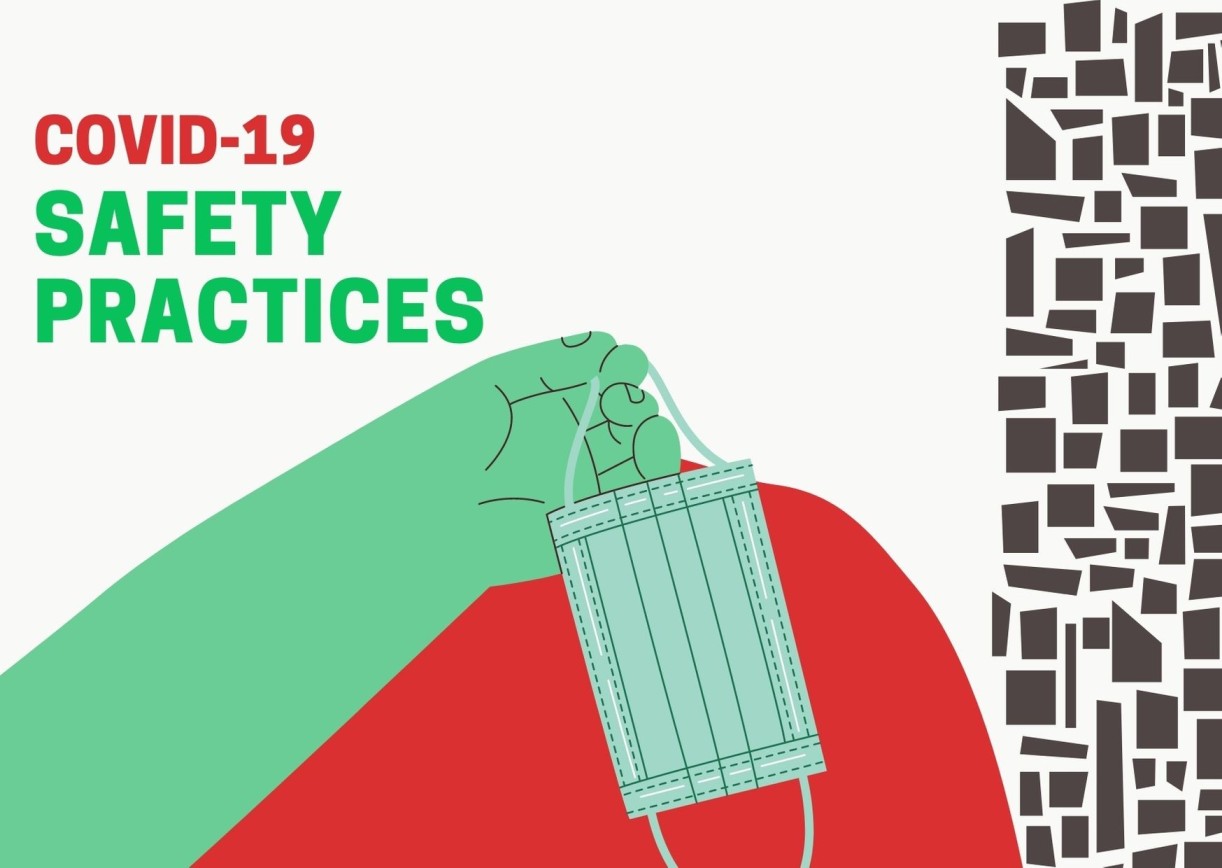
These 5 practices can help you stay protected from Covid-19
In these difficult and devastating times, we all want to keep ourselves protected from this deadly pandemic. The entire human race is praying to be safe and establish a Covid-free atmosphere in the world. But how can we make this happen? What measures can truly safeguard us from getting infected by this highly contagious disease?
1. MASK- A dependable shield
Wearing a proper mask should be our utmost priority whenever we move out of our houses or go to crowded places. Mask is the first wall of defence against the Coronavirus. The majority of the chances of getting infected are narrowed down if we wear appropriate masks suggested by our government and health authorities. But just wearing the masks is not sufficient; the mask should cover your face and nose properly. Only good quality masks should be used, cloth masks should be regularly washed, and use-and-throw masks should not be used more than twice. Masks should be handled only by using elastic strands. Avoid using masks that have filters installed on them, but use masks that are comfortable and easy to breathe. Remember, Mask ON....Life ON!
2. Maintain a safe distance today to have a safer tomorrow
Another crucial and effective preventive measure is maintaining a social distance of at least six feet when you are around other people. Avoiding close contact with people can nullify the chances of getting infected to larger extents. Even when you are at home, it is recommended to avoid getting close to the sick person or with low immunity, especially aged members of your house. Today this physical distance is a necessity to ensure the safety of you and also the people around you.
3. Safety is in your HANDS. Literally!
Our hands touch many things and surfaces daily, which means they are massively exposed to the virus. Later these hands can act as a carrier and can make our bodies vulnerable to the infection. So, we must wash our hands regularly and properly. Hands should be either washed by using soap and water or using hand sanitizers with a minimum of 70% alcohol. Especially when you are in a public place, carry a sanitizer with you always and use it whenever you touch an unknown surface. Avoid touching your nose, eyes, face, and mouth with unclean hands. Also, maintain personal hygiene and even keep your surroundings disinfected.
4. Vaccine is a must
Responsibly participate in the vaccination drive and get yourself vaccinated with both the doses of the vaccine. Also, encourage others to get themselves vaccinated. The vaccine is a game-changer during these challenging times, so be responsible and take the shot whenever available.
5. Your Health, Your Priority
In this depressing environment, it is wise to understand that staying positive can flush all the negativity and restore happiness. Every human is a superhero during these crucial times. Together we all can do wonders, follow these guidelines, and realize the importance of Covid appropriate behaviour and be a life saviour.
Lastly, in this extreme situation, closely monitor your health for any unexpected changes in your body. Never underestimate any symptoms, stay alert and consult your doctor in case you feel something odd. It is suggested to have an appropriate
health insurance
policy that acts as a rescuer for immediate cashless hospitalization and huge Covid related hospital expenses. You can buy Health Insurance Online in a contactless manner from a trusted source to ensure your health cover.
Let's make this difficult period a little lighter, both emotionally and mentally, and win this battle.

Getting the Covid vaccine? Here's what you need to know
Amidst this pandemic, the human race is praying desperately for the cure. After so many efforts, we are finally blessed to have a vaccine now. It is indeed significant that it could be made in such a short period; all credit to our advanced medical researchers.
Want to get the COVID-19 vaccine? Please check this step-wise procedure.
The first step to get vaccinated is to register yourself on the CoWin portal and get an appointment for the first dose of the vaccine. CoWin is a trusted platform designed by the government, which runs both independently and also on the Arogya Setu app. Avoid using any other portal or application for registering yourself as a lot of fraudulent portals are being run to fool people. Know exactly where the vaccine drives are rolling in your vicinity.
Also, it is important to know the difference between various doses, their side effects, and which one is suitable for you to take. Do this with the help of a physician or a doctor before taking your shot of vaccine.
Setting up your mind to get vaccinated without getting afraid is important. Vaccination is nothing but immunization!
What is to be done before getting vaccinated?
Register yourself on the government-suggested website and get an appointment for a particular day. As your day of vaccination is close, take adequate rest. Have enough sleep of 7-8 hours and avoid exhausting yourself. Also, if you are on some other medication or if you are on steroids or any immunosuppression, then consult your doctor.
For the safer side, if you feel any symptoms like cough, fever, cold, sore throat, etc. on or before the day of vaccination, then seek medical help. Consume a balanced diet to boost your immune system and to maintain your energy level. Stay hydrated, it is the key to stay calm inside out.
What to do when ‘it is the day’?
On the day of your shot, do a safety check. Ensure you are wearing a proper face mask and sanitize your hands properly. If possible, wear hand gloves too to maintain zero contact. Foremost, wear loose clothes when you are going to the vaccination centre because the vaccination spot is on the upper arm, giving easy access to the vaccinator.
The most important thing is to stay positive. Don't get anxious, take slow deep breaths. Think of a positive outcome – this shot is going to be a shield for you and others around you.
And, please carry your photo ID card mentioned in your appointment details for vaccination.
What are the steps taken after getting vaccinated?
The primary step is to monitor yourself. If there are any side effects, they will appear within 30 minutes after getting your vaccine shot. There are mild and common effects like swelling, redness on the arm, dizziness, headache, chills or mild fever, joint or muscle ache, etc. Remember that these side effects will subside within a few days.
If you feel severe symptoms like vomiting, fainting, allergic reactions, then seek medical help immediately. Avoid consuming painkillers or any other medication unless you consult a doctor about it.
The second dose is equally essential, so don't miss that. There should be a fair gap of 4-12 weeks between both the doses.
And most important of all is, even after getting vaccinated, don't stop taking precautions in day-to-day life. Continue wearing your masks, do sanitize properly and maintain social distancing.
Also, considering the risk pandemic brought, if you already don't have an existing health insurance, it is time to purchase a new
health insurance plan
.You can buy Health Insurance Online to get coverage to protect your family from sudden illnesses, hospitalization and medical expenses.
Let us be responsible, and let us all protect one another and help our community get through these pandemic hard times. Stay Safe, Get Vaccinated.

Tips for a homeowner facing a fire or smoke damage
Disasters have many faces and can strike anytime, anywhere; they can be seen in the form of quakes, floods, gas leaks, explosions, etc. and one of the most commonly known faces of disaster is fire. Damage felt after a partial or full-blown fire mishap is quite painful and nearly unrecoverable. However, if you have your house insured with ironclad insurance from a well-reputed fire insurance company, then your hassles can be reduced to a minimum.
A fire insurance policy plays an essential role in dealing with the losses and damages incurred due to fire. It is highly recommended to purchase fire insurance to safeguard your homes from any future calamity that a sudden fire or smoke can cause.
Here are some of the tips you can follow if you face damage from fire or smoke in your homes.
- Ask for an advance against your claim: - Right after the house has been gutted to fire, you might be forced to evacuate the house, considering the dangerous situation because of the smoke. In this case, you are eligible to get an advance from your insurance company so that you can buy your daily essentials. Inform your insurance company and ask it to issue a cheque and bring it to wherever you are staying. It will help you in this dire need and will be enough for your survival until your claim gets accepted.
- Checking for the extent of losses: - Once the fire tragedy is controlled, the first act of the homeowner is to calculate or check for the damage extent of personal belongings and property loss in the fire. Once the total loss is measured and counted, it will be easier for you to negotiate with officials handling the claim process.
- Having your receipts documented: - After facing a disastrous house fire, you may be forced to live in a temporary dwelling like a hotel or guesthouse close to your vicinity. It would be ideal to secure all the receipts, document all the costs and expenses carefully. Once you receive the claim for the house fire, you may also get a compensated amount you incurred on your living expenses.
- Check bank statements if you don’t have a receipt: - People tend to be careless when it comes to saving receipts for every new thing that they buy. While we might save receipts of the electronic items for warranty or claiming a refund, it’s not easy to keep those long bills every time you go for grocery shopping. However, your every online transaction would bring a huge relief; hence look for credit card statements and bank statements to prove the value of items.
- Back up your vocal claims with evidence: - After the fire tragedy, some items are destroyed or damaged to such an extent that for the insurer, it could be challenging to identify for assigning the claim. So, as a responsible party, you ought to click as many pictures and shoot videos as possible of the damaged, smoked rooms to show the physical evidence of the actual damage before it gets wiped by a restoration company.
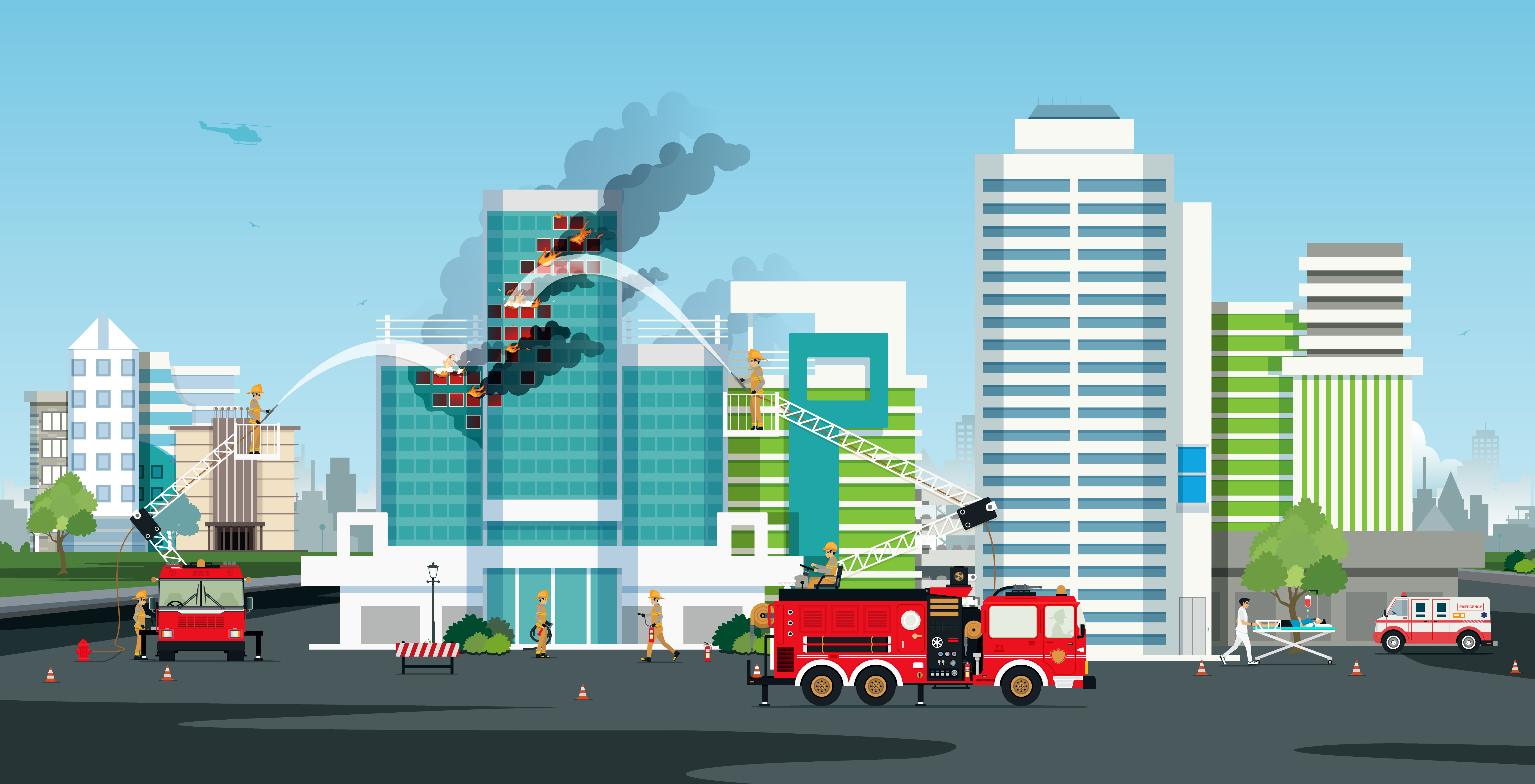
Quick Guide on Fire Insurance
Fire insurance is a contractual agreement between the policyholder and the insurer wherein the insurer in return for consideration or premium agrees to indemnify the policyholder or the insured person for the financial loss that he/she may suffer due to destruction of or damage to property or goods by fire during a specific period. You can buy as well as renew a fire insurance policy in India by online as well as offline ways.
The purchase of fire insurance helps to cover the cost of replacement, repair or reconstruction of the property, but fire insurance is generally not valid in case of war, nuclear risk or any such similar peril. Buying fire insurance is always a good idea because your property is your investment and buying a fire insurance policy will help you recover the damage and loss caused due to fire on your property.
Most of the policies offered by the different insurance providers cover the physical damage caused to your property by the following perils: -
- Fire
- Lightning
- Riot and Strike
- Earthquake, wind and storm
- Explosion
- Smoke damage
- Sprinkler Damage
- Damage due to aircraft
- Bush fire
- Subsidence, rockslides or landslides
- Impact damage which may occur due to the impact of road vehicles or animals or rails.
There are various types of fire insurance policies that are available in India, depending on the coverage requirement of the individual. The type of fire insurance policy in India you may choose also depends on whether the asset which is being insured is a fixed asset or a non-fixed asset. Depending on the type of asset being insured, insurance providers have different types of fire insurance policies available. The types of policies for fixed assets such as homes are: -
- Replacement Value Policy - The asset which has been insured is replaced if it is damaged by fire wherein the insurance company pays the replacement value of the damaged property.
- Reinstatement Value Policy - This is almost similar to the Replacement Value Policy but with an added clause that the insurance company will replace the damaged property to its original condition before the occurrence of the peril. This policy applies to fixed assets like buildings.
There are many different types of policies for non-fixed assets, such as: -
- Specific Policy - This policy covers the loss up to a specific amount which is less than the real value of the property.
- Comprehensive Policy - Also called ‘All in One’ policy, this policy covers loss due to fire, theft, burglary as well as other third-party damages.
- Valued Policy - Under this policy, the insured person can recover a fixed amount which was agreed to at the time the policy was bought.
- Floating Policy - This policy covers loss due to fire to property belonging to the same person but at different places.
- Valuable Policy - The sum insured is not decided at the time of buying the policy but instead, the claim amount is calculated at the time of loss.
- Consequential Loss Policy - This policy covers the loss in profit caused due to disruption of the business by damage due to fire.
Buying a fire insurance policy for your house or your goods is always a good decision, but you must buy a policy which covers the risk that you face and understand the nature of the asset that you want to insure and then buy an insurance policy accordingly.

Quick Tips on Fire Insurance
Fire and related events can cause very big losses, and they have become one of the biggest causes of losses in recent times. The damage due to fire can include non-movable assets like homes and buildings as well as movable assets like goods. To ensure you are protected against any unforeseen damage of your property by fire or any fire-related event, you can buy fire insurance for your property from any of the fire insurance companies in India. Fire insurance involves many things and some things must be taken care of while buying fire insurance or renewing your insurance so that you need to pay a lesser premium as well as while filing claims so that you get the best deals.
Things covered under fire insurance: -
Fire, explosion and implosion Lightning Damage due to aircraft Strikes and riots Rockslides and landslides Impact damage Malicious damage Bush fire Smoke damage Storm, typhoon Sprinkler damage Earthquake
Things which fire insurance companies in India do not cover: -
Perils like war, civil war, invasion and similar events Rebellion or Martial law and similar events Underground fires and losses due to that Spontaneous Combustion Losses due to pollution or contamination Theft related losses occurring during or after the fire Consequential losses
What should be the policy amount of your fire insurance?
In most cases, the total sum for which you are buying the fire insurance should be equal to the total cost needed to rebuild or reinstate the property and the professional fees involved along with the charges for the removal of debris.
What is the difference between Replacement Value Policy and Reinstatement Value Policy for Fixed Assets?
In Replacement Value Policy, the insurance company pays the cost of replacing the complete asset that has been damaged or lost due to fire and related events whereas in case of a Reinstatement Value Policy; the insurance company pays the cost to replace the damaged property to its original condition it was in before the loss due to fire. While Replacement Value Policy can apply to other assets, the Reinstatement Value Policy is only applicable to buildings and no other assets.
When buying a fire insurance policy from fire insurance companies in India, you must consider the following things:
The type of risk that the policy covers and if the risk covered by the policy matches the risk you face for your property. The nature of the asset you want to insure because there are different types of policies available for fixed assets and many other different types of policies available for non-fixed assets. Understand the coverage duration of your policy and when to renew the policy.
What information you should get from the fire insurance company while buying the policy?
Premium Payable The insurance cancellation and refund policy Period of coverage Scope of policy coverage Non-standard exclusions Claims reporting procedures
What things are considered to calculate the premium?
The insurer uses many different kinds of data to come up with a final number which you need to pay as premium annually:
The type of policy The type of risk or risks covered The total sum insured The total value of the asset being insured How the asset being insured is used by the owner of the asset The expected risks that can damage the property being insured Whether the person has taken a policy extension or not
How to claim if your asset is damaged?
You need to immediately contact your insurer as soon as your insured property is damaged. The insurer may appoint an independent loss adjuster to take care of your claim, and you will be required to fill a form to start the claim process. The insurer will undertake proper investigation and will then accept the claim if everything is fine.
Keep your car in great shape!
Your car gets you safely everywhere you want to go, but it requires that you take good care of it in order for it to keep running. Some of these simple maintenance issues can actually result in an accident or injuries. Take the time to make sure these 10 things are checked regularly and maintained as needed and avoid a potential accident or claim.
Tip 1: Change the oil. Neglecting oil level checks and fresh oil changes will not do your car any favours.
Tip 2: Change the oil filter. Check the oil level once a month and replace the oil filter regularly.
Tip 3: Check your brake fluid. Check when transmission fluid and power steering fluid need to be replaced as well.
Tip 4: Check the tyre pressure each month. You should check your tyres regularly by ensuring that they are properly inflated and that the wheels are aligned. Not only will you get better mileage, but your tyres will last longer too.
Tip 5: Check the windscreen wipers. Make sure they are not damaged and are in a good working condition, as driving without proper visibility is dangerous.
Tip 6: Change the air filter. Keep your engine clean by regularly replacing the air filter.
Tip 7: Check the windscreen. Inspect the windscreen for small chips and scratches. These are reasonably cheap to repair, while replacing an entire windscreen is expensive.
Tip 8: Check your lights. This means indicator lights, hazard lights and headlights. Replace burnt out bulbs immediately.
Tip 9: Check the dashboard. Don't ignore the dashboard if there are flashing lights or the temperature gauge is suddenly extra hot. Stop as soon as it is safe and read the manual to make sure it is safe to drive further.
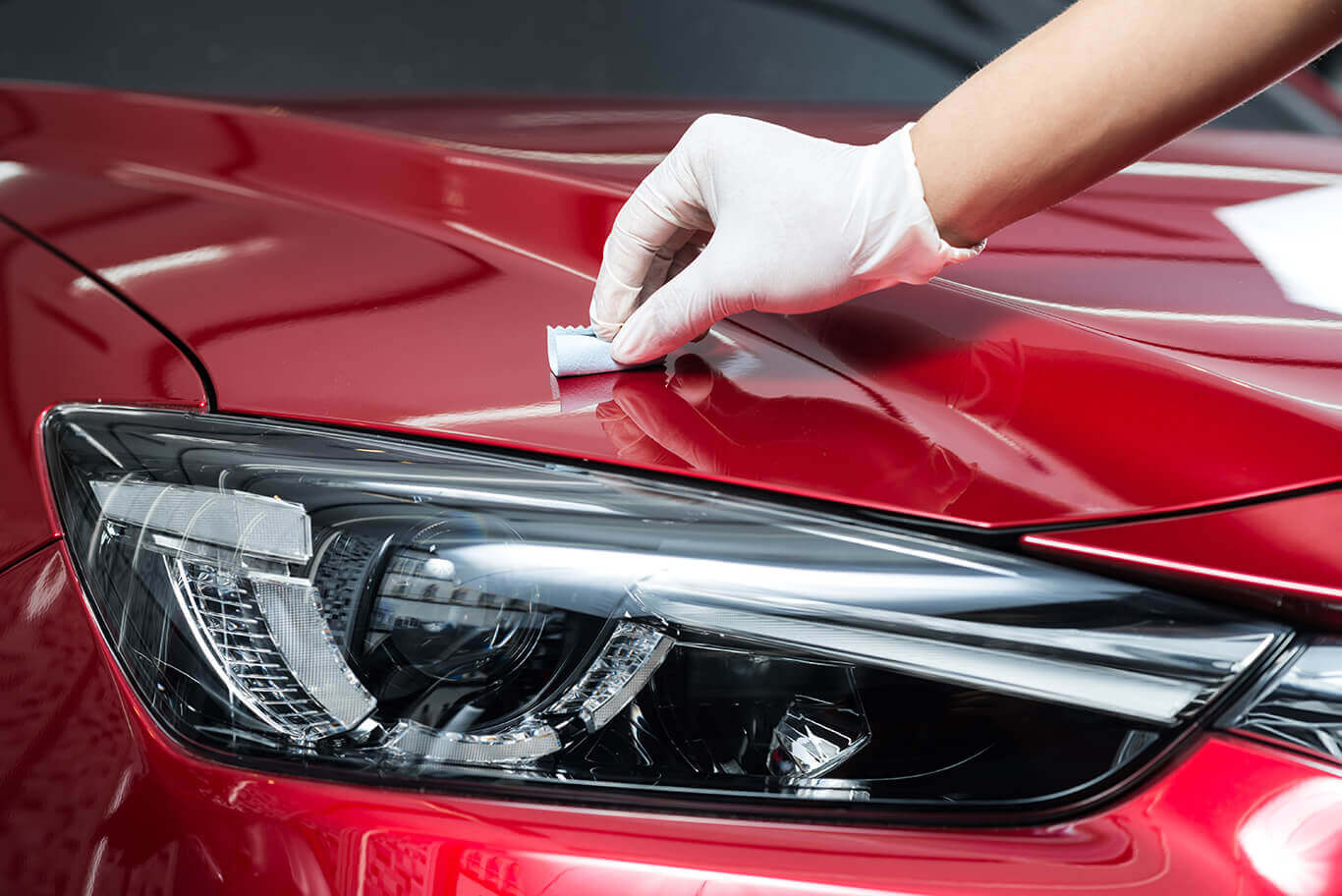
Tip 10: Protect the exterior of the car. A coat of good quality wax will ensure that your vehicle paint is protected. Apply the wax every six months.
Keep your car in good running condition and it will keep you safe and in control on the road. It takes a short amount of time to check these important functions, but can save money, fuel, and even lives in the long run. Make sure the functions of your car aren’t the only thing you’re checking. Get Car Insurance at the best price and protect your prized possession!

Get the peace of mind you deserve with one step
We all know that setting up a business and buying an asset takes a lot of time and toiling, it may be a car, your dream house or simply a household item.
For many, work and business is a doppelganger of their personal identity. Your office could have cash, valuables, goods and raw material, critical documents or intellectual property that in an event of a theft or burglary can leave you financially crippled.
Here’s what we have figured out through our truth lens!
Even though the crime rate in India is on the decline, it is still quite high at 379 crimes per lakh of the population as per data from NCRB (2016). Most urban business complexes now have better security systems and more personnel on board; however, most perpetrators in cases of thefts are known to be familiar faces. This makes it imperative for businesses to add a layer of security with a comprehensive burglary and theft insurance plan.
For the sake of insurance, theft and burglary are two separate categories, where burglary, unlike a theft, also accounts for forcible/ violent entry and/or armed robbery that puts the people, place and other valuables at risk.
Why is securing yourself against theft and burglary important?
A comprehensive protection plan can be purchased for your home, office, factory, warehouse, etc. The compensation from the insurer covers for any item that is stolen from the insured premises and also makes good any loss or damage caused to the premises on account of the said theft or burglary.
Any stock of goods, furniture, computers and electronics and other assets within the business premises are covered too. In fact Magma HDI’s Burglary Insurance Policy goes a step further and provides for reasonable coverage to clean up the premises and move any debris from the premises to the closest disposal site. It also reimburses for making good critical documents such as agreements and confidential business documents, on which sometimes the registration and stamp duty itself can run in to lakhs of rupees.
If you fear a repeated attempt at the theft or burglary, Magma HDI burglary policy also covers for the cost of temporary protection incurred for the safety of your employees and assets.
The first thing you need to do is to ensure that there are reasonable safety and security systems in place so as to minimize the risk. This will also have a direct impact on the insurance premium you will incur. The better your preparation, the lower the premium. The insurance will not cover for any loss arising out of an ‘inside job’ unless through forceful means.
Review your insurance requirements periodically, especially if you have different value of cash, goods/ raw material moving in and out of your office, new equipment/ machinery, critical R&D technology, etc. The value of your stocks and assets have a direct correlation to your premium.
The cost of insurance is a small price to pay for ensured business continuity, protecting your family and employees and securing your peace of mind.

How Magma HDI liability insurance makes you a responsible citizen?
It is hard to name a single businessman who hasn’t taken risks, but you will know many brave ones who trusted luck and risked everything. Truth be told, as a responsible business owner and citizen, one needs to be prepared with and Magma HDI Genaral Insurance Company offers a wide range of liability insurance policies that give you
1. Compensation for damage/loss of property or human injury
2. Covers your legal liabilities towards damage to any third party, along with the legal costs and expenses incurred by the insured.
3. It applies to both industrial and non-industrial establishments.
4. Compensation for damage/loss of property or a human injury caused due to defects in product manufacturing
5. Even after ensuring the highest quality standards and assessment parameters, a manufacturing defect in products is still possible and can cause mishaps.In such instances, Magma HDI Liability Insurance covers the liability to a third party.
6. Compensation for damage caused due to human negligence
Be it any professional– doctor, engineer or lawyer – involuntary errors and omissions could seriously impact their customers’ health, well-being, or financial stature. Liability insurance will take care of any liabilities that may arise due to negligence while executing your responsibilities.
Smart and trusted businesses quickly compensates loss or damage that might occur during the regular course of business as they are backed by their Liability Insurance policies and so can you CLICK HERE for buying Magma HDI’s liability insurance Policy.
7 things you need to know about public liability insurance
Accidents happen. Sometimes due to negligence and sometimes due to sheer bad luck.
What if a customer slips and falls at your premise and breaks a bone? Or purchases an electrical device from you which causes a short circuit at their home resulting in a fire? In either of these incidents, as a business owner, you can be liable to compensate for the loss/damage to life, property and the legal fees a third party incurs.
An Example
A famous incident that highlights the need for public liability insurance is the 'hot coffee lawsuit' of 1992. The plaintiff, 79-year-old Ms Liebeck accidentally spilt hot coffee on her lap, (while in her car) purchased from a renowned fast-food retailers outlet. She spent eight days in the hospital because of third-degree burns, had to undergo a skin graft and two years of follow up treatment. Her attorney argued that the coffee served at 82-88 degrees was significantly hotter than what other outlets served (60 degrees) and was a burn hazard even if consumed immediately.
The jury initially awarded Ms Liebeck US$160,000 as compensation and coverage for medical expenses in addition to US$2.7 million in punitive damages. After a prolonged court battle and multiple appeals, the parties settled out-of-court in 1994 for an undisclosed amount, said to be under US$600,000.
Most businesses do not have the time, resources and deep pockets to weather such lawsuits.
Thus, every business needs to protect its interests and that's what a Public Liability Insurance can help them do. Here are six things you should know about Public Liability Insurance (PLI) in India:
1) Who needs it
Enterprises that regularly entertain the public such as restaurants, shops, educational institutes, sporting areas, etc. should get public liability insurance. It also applies to businesses that work in public spaces or private homes such as building contractors, electricians, etc.
2) Scope of coverage
The insurance covers the cost of damage/medical treatment and legal fees if any third party sues your business. This includes customers, vendors, and general members of the public excluding your staff (that comes under workers compensation).
3) Domicile of coverage
The coverage is not geographically restricted. It covers incidents at your premises or those at a customer/ clients location.
4) Cost
The cost of your PLI depends on the nature, size and scale of your business. Enterprises that deal with hazardous substances or have multiple outlets/ franchisees, etc. will have to pay more due to greater probability of a mishap.
5) Customizations
You can customize the coverage after assessing your needs. For example, a small café would probably need a considerably lower cover than a 5-star hotel complex. You may also choose add-ons for extra protection. For instance, the act of gods covers situations such as floods, lightning etc. which end up being frequent causes of dispute.
6) Legal Requirement
Even though businesses are not legally bound to opt for a PLI, certain lease agreements or trade associations make it binding on the lessee/partner to obtain the insurance. Many private parties too may not contract services to a business or tradesman without a PLI.
7) Exclusions
Like any other insurance policy, Public Liability Insurance In India is also subject to exclusions. Some common exclusions of insurance providers in India are- disputes related to pollution, slander, fines and penalties. Please refer to your plan's policy wordings for a better understanding of the same.
Many-a-times businesses fail to realize the damage to goodwill due to an incident is greater than the cost of financially alleviating the situation. To know how you can secure your business and do right by all stakeholders, have a look at what Magma HDI has to offer.

Did you know you could safeguard your precious gadgets/equipment with this one step?
Connectivity has become the fourth pillar of our rations today. Each one of us, at least, own three gadgets, in which we store and share critical data. Whether it is business-related information or personal details, our gadgets hold a lot of information that, if leaked, could cause serious damage. Besides the implications of a security breach, these gadgets come at a high cost, and replacing a lost or stolen one may seriously burn a hole in the pocket.
Therefore, it’s prudent to secure your gadgets by taking Electronic Equipment Insurance (EEI). EEI extensively covers loss of electronic good, and subsequently, helps to meet unavoidable costs. Depending on the coverage that will be best suited for you, there are different types of EEI to choose from. Before we get into the different types, let’s take a true look at the scope of the cover.
What’s Covered?
- Damaged equipment coverage, including replacement expenses, such as freight, installation cost, customs duty, etc.
- Damaged data media coverage, including expenses incurred in restoring lost information, external data media, damaged/lost data media, etc.
- Increased cost of working, caused due to employing more manpower to substitute for the work that would have otherwise been done by the equipment.
- Any damage caused to the equipment’s software as a result of the damage to the hardware is also factored in.
Types of Electronic Equipment Insurance
All risks included
Give your gadgets complete protection from perils, including those caused by natural and man-made causes. For instance, damage due to natural calamities includes the ones caused by fire, landslide, or storm, whereas manual perils include terrorism, strikes, and riots.
External data media
This option covers the losses partly and includes expenses arising due to data loss on external media devices, such as hard discs, etc.
Increased cost of working
This type of EEI is usually taken by organizations that rely heavily on data processing units. In the event of any loss or damage to the unit, the expenses incurred to employ any additional/alternative tool or manpower, are covered by the insurance policy.
What are the types of electronic equipment that can be secured with EEI by Magma HDI?
Electronic Equipment Insurance is suitable for a range of equipment, including, but not limited to:
- Computer and allied peripherals
- Audio visual equipment
- Auxiliary equipment, such as voltage stabilizer, UPS, etc.
- Electronic control panels
- Navigation equipment
- Telecommunications equipment
- Electronic equipment used for research and testing materials
- Medical equipment, such as MRI scan machines, X-Ray machine, ultrasound devices, etc.
Who should take an EEI by Magma HDI?
Practically, anyone who owns and operates electronic equipment should secure their gadgets with an EEI.
- Owners and businesses owning electronic equipment
- Organizations that are involved in leasing electronic equipment
- Third-parties, such as financiers or bankers who ultimately bear the purchase cost of the equipment
While an Electronic Equipment Insurance secures your gadgets from multiple threats, note that there are certain cases, such as normal wear and tear that do not fall under the purview of the policy.

Your car premium may be affected by your location!
Car insurance is a critical aspect of car ownership, providing financial protection in accidents, theft, or damage to your vehicle. However, the cost of car insurance can vary depending on several factors, including your driving history, car make and model, and age. Apart from this, location is also one of the most significant factors affecting car insurance premiums. Where you live plays a crucial role in determining the cost of your car insurance premium. The influence of location on car insurance is a complex issue that involves several factors. Insurance companies analyse these factors when determining your car insurance premium.
This blog post will explore how your location affects your premium so that you are aware of the correct policy before buying car insurance. Without any further delay, let's get started.
1. Crime rate
One of the most significant factors that can affect your car insurance premium is the crime rate in your area. Insurance companies consider areas with high crime rates a severe risk, as they have a higher incidence of car theft and vandalism. This increased risk means you may have to pay a higher premium if you live in an area with a high crime rate.
2. Population density
Another factor that can affect your car insurance premium is the population density of your area. Areas with high population densities have more traffic, which increases the likelihood of accidents. Therefore, if you live in an area with a high population density, you may have to pay higher car insurance premiums.
3. Weather conditions
The weather in your area can also affect your car insurance premium. Regions with harsh weather conditions, such as snow, ice, or heavy rainfall, have a higher risk of accidents. Therefore, if you live in an area with extreme weather conditions, you may have to pay higher car insurance premiums.
4. Road conditions
Poor road conditions, such as potholes or inadequate lighting, can also increase the risk of accidents. Insurance companies consider the road conditions in your area when setting your car insurance premium. If you live in a location with poor road conditions, you may have to pay higher car insurance premiums.
5. Laws and regulations
The laws and regulations in your area can also affect your car insurance premium. Some states have minimum coverage requirements, while others do not. If you live in a state with high minimum coverage requirements, you may have to pay higher car insurance premiums.
6. Local insurance market
Finally, the local insurance market can also affect your car insurance premium. Insurance companies may charge different rates in different areas based on the level of competition in the local insurance market.
Therefore, if you live in an area with a less competitive insurance market, you may have to pay higher car insurance premiums.
When setting your insurance rate, companies consider factors such as crime rates, population density, weather conditions, road conditions, laws and regulations, and the local insurance market. Therefore, it is essential to understand how your location can affect your car insurance premium to make informed decisions when choosing a car insurance policy. Explore and compare car insurance policies to find the right one that fits your needs optimally.
Click HERE to learn more about the benefits of purchasing car insurance
Disclaimer: The information provided above is for illustrative purposes only. To get more details, please refer to policy wordings and prospectus before purchasing a policy.
FASTag Uses and Benefits
Do you travel a lot by road? Are you tired of waiting for your turn at toll plazas on the interstate highways or expressways? Do you wish to get done with it as quickly as possible? If yes, then you must get a FASTag! As the name suggests, a FASTag is a tag which is a mean to ensure faster transit across toll plazas. The tag is placed on the windshield of the car and uses Radio Frequency Identification Technology. The tag is scanned by the tag readers placed at toll booths who then deduct the toll amount from the FASTag account. All toll plazas placed along the national highways are now using FASTag for payment of toll as per the guidelines of the government of India.
As the balance in FASTag reduces, the user needs to reload the balance in the linked wallet account or the linked bank account. By eliminating the need for cash payments at toll plazas, FASTag ensures a quicker and smoother flow of traffic.
The following reasons highlight how using a FASTag can help you save time on your journey: -
● Quick payment - As there is a FASTag affixed to your car, you wouldn't have to search your wallet for cash which ultimately reduces the duration of the transaction and your time is saved.
● Less fuel wastag - As you do not need to stop and restart your vehicle, less petrol or diesel is burned, which saves your fuel tank from draining quickly.
● Hassle-free recharge- You can easily recharge your FASTag using various methods like Internet banking, mobile wallet apps, NEFT, RTGS or even your credit and debit cards.
● Message alerts - Every time your FASTag is used, you get an alert SMS on the mobile number registered with the card which ensures the prevention of its misuse.
● Long validity- A FASTag is valid for five years, which means you need not worry about changing it frequently.
● No requirement of cash - The work of cash is taken over by the FASTag. Therefore, it eliminates the necessity of carrying cash for toll payments.
● Online portals- You can check the transactions made using your FASTag whenever you wish using specific web portals meant for the same.
Now, onto some Frequently Asked Questions: -
How to get a FASTag?
To buy a FASTag, you can ask the toll plaza employee for their sales department, or contact authorized agencies or banks that sell them. Many platforms offer car insurance quotes online and sell FASTag as well.
How much does a FASTag cost?
Generally, a FASTag can cost you around two hundred rupees for the purchase, which excludes recharge expenses.
Where is it placed?
FASTags are affixed on the windshield of the car in a very specific manner that allows the scanners placed at the toll plaza to scan it.
How to know if your card has been used?
As stated in the above benefits, a text message is delivered to the registered mobile phone when the FASTag is used. This is a sort of confirmation to the owner that payment has been made.
Do you need to maintain a certain balance?
You don't need to maintain a balance for sure, but yes there is a minimum value for a top-up of the tag which amounts to a hundred rupees.
Where is a FASTag valid?
Throughout the country, a FASTag can be used to make payments at toll plazas regardless of the city or state.
While getting FASTag will help you zoom seamlessly on the highways, do remember to check car insurance quotes online to get protection against possible accidents and incidents while on the road.
Why is personal accident insurance essential during floods?
Natural calamities like floods are unpredictable and can cause significant damage to life and property. They can disrupt normalcy and leave people struggling to cope with the aftermath of the disaster. Floods are dangerous and can cause financial instability if you are unprepared for them. Are you wondering how to safeguard your finances from the damages done by floods?
Personal accident insurance plans offer a range of benefits that can help minimise the impact of natural disasters such as floods. These insurance plans cover accidental injury, disability, and death caused by floods. They can help cover medical expenses, loss of income, and even temporary accommodation expenses.
In this blog, we will discuss in detail why personal accident insurance is essential during floods and how it can help protect you and your family during such natural disasters.
1. Protection against accidents
Floods bring along with them the possibility of several accidents. Personal accident insurance plans provide protection against accidental injury, disability, or death caused by floods. The coverage can provide financial assistance in case of medical expenses, temporary or permanent disability, or even death.
2. Medical expenses
During floods, medical expenses can rise significantly due to increased waterborne diseases. Personal accident insurance plans can help cover medical expenses, which can be a significant financial burden, especially for low-income families.
3. Loss of income
Floods can also result in loss of income for those who work in affected areas. Personal accident insurance plans can provide financial assistance in the form of compensation for the loss of income.
4. Quick disbursement of funds
Personal accident insurance plans usually offer quick disbursement of funds, which can be crucial during emergencies such as floods. In the aftermath of a flood, you may need immediate access to funds to cover medical expenses, temporary accommodation, or repair damages. Personal accident insurance plans can provide this quick access to funds when you need them the most.
5. Affordable premiums
Personal accident insurance policies are generally very affordable, with premiums much lower than other insurance policies.
6. Easy to purchase
Personal accident insurance policies are easy to purchase, and the application process is usually straightforward and quick. You can visit the websites of the insurance companies and apply online with a simple process which is a matter of a few clicks.
7. Offers customised coverage
Personal accident insurance policies can be customised to meet the specific needs of the policyholder. This means that the policyholder can choose the level of coverage they need based on their individual circumstances and budget, ensuring they have the appropriate protection during floods.
Personal accident insurance plans provide peace of mind during floods. Knowing that you are covered in case of any accidental injury or disability can help alleviate the stress and anxiety that comes with such natural disasters. Apart from the primary coverage, personal accident insurance plans also offer additional benefits such as ambulance coverage, hospitalisation expenses, and accidental death benefits. These other benefits can provide further financial assistance during floods.
In conclusion, floods can be devastating, but personal accident insurance plans can provide financial assistance during these difficult times. The coverage offered by these plans can help reduce the economic impact of accidental injury, loss of income, medical expenses, and property damage caused by floods. It is essential to have personal accident insurance plans to protect yourself and your family during natural disasters like floods. They are affordable, customised to suit your needs, and offer flexible payment options, making it easier to manage your finances in times of distress and danger.
Click HERE to learn more about the personal accident insurance plans.
Disclaimer: The information provided above is for illustrative purposes only. To get more details, please refer to policy wordings and prospectus before purchasing a policy.
What causes fire in CNG cars, and how to be safe?
The popularity of CNG vehicles has grown recently due to developments in fuel storage technology. CNG is a common fuel alternative for fleet cars since it is more affordable than petrol or diesel. It is a fuel of compressed methane gas kept in high-pressure cylinders inside cars. CNG vehicles have various designs, including sedans, SUVs, and pickup trucks.
CNG refuelling stations are now widely available at petrol stations, making refuel easier for car owners. There are several benefits of driving a CNG fuelled car, but there might come an instance where the gas would catch fire. This is a rare condition, but we cannot neglect the probability. Let's dive deeper into the topic to understand the causes of fire in CNG cars and how to stay safe.
While we're discussing car safety, it is crucial to invest in reliable car insurance. Various car insurance online India plans have grown in registration over the past few years due to their practicality and usability. However, the type of fuel the car runs on can affect the insurance cost and policy features.
Causes of fire in CNG cars
1. Fuel leaks
One of the main reasons for fire in CNG vehicles is fuel leaks. Because the fuel is kept in high-pressure cylinders, leaks could result from any damage to the fuel system. Due to its extreme flammability, CNG can catch fire when touched by heat or sparks.
2. Accidents or collisions
CNG vehicles are more likely to catch fire in an accident or collision. In a crash, the high-pressure cylinders holding the CNG fuel may break and catch fire.
3. Refuelling
In CNG vehicles, refuelling might also be a fire hazard. Transferring fuel from the dispenser to the high-pressure cylinders entails the creation of a static charge, which has the potential to ignite the fuel.
4. Inadequate maintenance
Routine maintenance is necessary to ensure the system operates properly. Components may become worn or damaged if the fuel system is not maintained.
5. Temperature extremes
The fuel system may be damaged or malfunction due to the fuel's ability to expand or contract under extreme temperatures.
6. Electrical malfunctions
In CNG vehicles, electrical issues can potentially result in fires. A malfunction in the electrical system might cause fuel to overheat and ignite because the electrical system and fuel system are interconnected.
Safety tips for CNG vehicles
When driving a CNG vehicle, certain safety precautions must be taken. Here are a few tips for driving a CNG vehicle safely:
1. Inspect the CNG kit regularly
Check the CNG kit frequently for any indications of wear and tear. If you see anything odd, get it fixed straight away.
2. Turn off the CNG supply when not in use
Turn off the CNG supply valve when the automobile is not used to stop gas leakage.
3. Don't overload the car
An overloaded CNG car may have high cylinder pressure. Observe the recommended weight restrictions for your vehicle.
4. Install your CNG kit at a certified shop
To ensure that a CNG kit is installed accurately and safely, it must be done by a workshop that has received certification. Before using the kit, always request a certificate of installation.
5. Avoid smoking in vehicles
Due to its extreme flammability, CNG can catch fire when in contact with a spark or flame. Therefore, avoid smoking or lighting cigarettes inside the car.
6. Maintain good ventilation in the car
For CNG vehicles, proper ventilation is essential to prevent gas build-up. To keep the car well-ventilated, keep the windows open at all times or turn on the air conditioner.
7. Observe traffic laws and drive safely
Drive safely and follow the regulations of the road to prevent collisions. In an accident, shut off the CNG supply immediately and leave the vehicle.
8. Avoid keeping anything flammable in the car
The fire or explosion risk increases if flammable items, such as petrol, aerosols, or chemicals, are kept inside the vehicle. Avoid keeping these things in your car.
CNG is a preferred alternative fuel for vehicles due to its affordability and minimal environmental impact. However, compared to traditional gasoline-powered vehicles, CNG vehicles have a higher chance of catching fire. Following the proper safety precautions and being aware of the causes will help prevent them and guarantee safe driving. In India, CNG car insurance operates similarly to insurance for other types of vehicles. Before buying car insurance online India, thoroughly studying the policy terms and conditions is advised.
Click HERE to buy car insurance online India.
Disclaimer: The information provided above is for illustrative purposes only. To get more details, please refer to policy wordings and prospectus before purchasing a policy.

Know how you can ensure the safety of your electronics during a cyclone
Cyclones are natural disasters that can take place anytime without any prior notice. In a country like India, where the weather conditions are uncertain, it is best to be cautious and always prepared. Before a cyclone hits, you should be prepared with all the necessary steps to counter it well.
Cyclones can also wreak havoc on electronics, an essential part of our daily lives. If you live in an area prone to cyclones, taking precautions to protect your electronics from damage is essential. In worse cases, if your electronics are not protected, they can result in shocks or even short circuits. This can lead to heavy damage to life and property.
Hence, we have curated this article with all the necessary steps and precautions to take in case of such an emergency. It is better to be prepared now than to be sorry later. You should also opt for the best home insurance in India to keep your house safe and protected.
1. Unplug all your electronics
The first thing you should do is unplug all your electronics. This includes your TV, computer, gaming console, and other electronic devices. Cyclones can cause power surges and electrical outages that can damage your electronics. Unplugging them will protect them from these potential dangers.
2. Keep electronics in a safe place
Store your electronics in a safe place where they will not be exposed to the harmful elements. This could be a closet or a room less likely to be affected by the cyclone. If you live in a low-lying area, consider storing your electronics on a higher floor of your home. You can also use waterproof containers to protect your electronics from any water damage. Make sure to choose a safe, dry, and cold place.
3. Do not use your electronics
Avoid using your electronics during the cyclone. This will prevent them from being damaged by power surges or other electrical problems. It is also a good idea to avoid using your electronics until the cyclone has completely passed and you are sure that it is safe to use them.
4. Make use of surge protectors
Use surge protectors to protect your electronics from power surges. Lightning strikes and other common electrical problems during cyclones can cause power surges. Surge protectors will help absorb any excess voltage and protect your electronics from damage.
5. Use plastic on electronics
If you cannot move your electronics to a safe place, cover them with thick plastic sheets. This will protect them from water damage and other debris flying around during the cyclone. Make sure the plastic covers the electronics completely. Also, keep the plastic securely fastened to the devices to prevent water from getting inside.
Cyclones can be very dangerous and can cause a lot of damage to your electronics. By following these tips, you can help to protect your electronics from damage during a cyclone. You must prepare yourself and your family members before dealing with a natural disaster.
Take all the necessary steps in advance to not regret anything later. Most importantly, don't panic and try to stay calm. Take shelter under objects that can protect you from falling debris. Patiently wait and hold your position until the cyclone passes and any help reaches you. You should also sign up for the best home insurance in India for the added security of your home. It will help you tide over natural disasters with the support of financial coverage.
Click HERE to buy the best home insurance in India.
Disclaimer: The information provided above is for illustrative purposes only. To get more details, please refer to policy wordings and prospectus before purchasing a policy.
Do you see black spots on your car? It can be fungus
Have you ever noticed black spots on your car's body that do not seem to go away? Despite washing and cleaning the car, you still find them there. Then, you're unaware of the fungus that can grow on your car body.
Black spots on a car can be a common problem for car owners. Many people assume that these spots are caused by dirt or grime. However, in some cases, these spots may be a type of fungus. It usually grows on the car's surface and can be a hassle. It not only spoils your car's appearance but can also be difficult to remove.
If you are also struggling with a similar issue, this article is just for you. We will walk you through everything you should know about car fungus. We have also listed ways to remove these spots and clean your car. Also, to keep your vehicle covered against all mishaps and financial worries, you should look for a good motor insurance company that provides the best insurance.
What are the black spots on cars?
Black spots on a car are often caused by a type of fungus called Alternaria. This fungus thrives in warm, humid environments and can grow on various surfaces, including the car's surface. It is most commonly found in areas with a lot of moisture. It is also common during the monsoon season.
When the fungus grows on a car, it forms small black spots on the surface. These spots can be difficult to remove and appear unsightly on a vehicle with light-coloured paint.
How to prevent black spots on your car?
Preventing black spots on a car starts with keeping the car clean and dry. This means washing the car regularly, especially after it has been exposed to rain or moisture. It is also important to dry the car thoroughly after washing it. There should not be any remaining moisture that can provide a breeding ground for the fungus.
Another way to prevent black spots on a car is to park the car in a covered area, such as a garage or carport. This can help to keep the car dry and reduce the risk of fungus. If you live in an area with high humidity or a lot of rain, investing in a car cover may be a good idea. This can help protect the car from moisture and prevent fungus growth.
How to treat the black spots?
The ways and means to treat the black spots on your car are as follows:
1. Use a specialised fungus remover
These products are designed to remove fungus and can be found at most auto supply stores. Follow the instructions carefully and wear gloves and eye protection when using these products.
2. Vinegar and water mixture
You can use a mixture of vinegar and water to clean the affected areas. This solution can help to kill the fungus and remove the black spots. Mix equal parts vinegar and water and apply the solution to the affected areas with a clean cloth. Rinse the area thoroughly with water and dry it completely after cleaning.
3. Take the car to a professional
You can take the car to a professional detailer to have the black spots removed. A detailer will have the equipment and expertise to remove the spots without damaging the car's paint.
Black spots on a car can be a nuisance for car owners, but they can be prevented and treated with the right care and attention. You should take the necessary steps for your car whenever you spot any black spots on the car's surface.
To keep your car safe and secure, look for a good motor insurance company that offers the best policies at an attractive premium. It is advisable to invest in a comprehensive cover that will compensate you totally if your car faces severe damage.
Click HERE to buy a policy from the best motor insurance company.
Disclaimer: The information provided above is for illustrative purposes only. To get more details, please refer to policy wordings and prospectus before purchasing a policy.

Physiotherapist recommended physical aids and equipment to have at home
Physiotherapy is the treatment of an injury or a disease by exercise, heat, light, muscle strengthening, etc. It is useful in treating joint, muscle, and nerve pain. Physiotherapy uses different therapies such as short-wave diathermy, ultrasonic, and muscle-strengthening methods to cure a patient.
Physiotherapists use several physical aids and equipment in their physiotherapy centres that assist in the treatment process. While some devices are big and immobile, few are handy and can be used at home. Let us have a look at a few of them.
1. Small pelvic traction kit
A pelvic traction kit helps in a therapy program to restore, relax and realign the spine and improvise circulation, flexibility, and mobility. It helps to cure lower back disorders and relieves pain in the lower back, hips, and legs.
There are two types of small pelvic traction kits. The first is a skin traction kit in which adhesive tape or other types of strapping is attached to the limb. The other one is a spine traction kit useful in treating fractured bones. The spine is stretched, which helps to relieve the nerve pressure.
Small pelvic traction kits are now available, which can be installed in our houses. Traction can be applied both manually or through spinal traction devices. This kit is beneficial in treating neck conditions and lower back pain.
2. Grip exerciser
Grip exercisers are also known as hand grippers. They help increase the strength of the hands. They also help bulge the muscles and give our arms a powerful look.
3. Rechargeable heating pads
Rechargeable heating pads are beneficial for relieving aches, cramps, pains, and stiffness of the muscles. They provide heat therapy and promote consistent circulation in your body.
Earlier, we used to get a traditional rubber bottle for performing the same function. Now we have heating pads that work with electricity and can be recharged too. They are very helpful in reducing muscle pain and discomfort in the joints.
4. TENS pain therapy machine
A TENS is a small, portable device that runs on batteries or an adapter with leads connected to sticky pads called electrodes. It is a pain-relieving machine that uses mild electrical current to do its job. It is portable, and you can easily use it at your home. The machine delivers small electrical impulses to the affected areas of your body. You feel a tingling sensation while the electrical impulses reduce the pain and relax your muscles.
5. Wall mounting shoulder pulley
A wall-mounting shoulder pulley is another physiotherapist-recommended physical aid and exercise equipment. It helps in improving the range of motion for people with injuries related to the shoulder. It can also help stretch the neck, shoulder, and muscles of the arm.
6. Rib belt
Bruised and fractured ribs can be healed with the help of a rib belt. It is medical equipment that stabilizes the ribs and gives comfort to them. It is a very comforting belt for those who have just undergone surgery.
7. Knee support
Knee support is a band useful for people suffering from knee pain or those vulnerable to knee pain. It is an inexpensive and useful support equipment to protect the knees or cure the pain in the knee area.
These are some of the physical aids and equipment that physiotherapists recommend having at home. They can help us quickly relieve pain in the joints, muscles, and nerves. Physiotherapy has several advantages, and you do not have to gulp in several doses of allopathic medicines to get relief from pain. Regular usage of such equipment can help to cure your medical problems from the roots.
Physiotherapy is usually needed after you cross the age of 50. Besides these types of equipment, you must choose the best possible health insurance in India for parents. You may need it for problems that physiotherapy alone cannot cure. In such instances, the health insurance policy will take care of your financial liabilities arising from the medical treatment and leave you stress-free and relaxed.
Click HERE to find the best health insurance in India for parents.
Disclaimer: The information provided above is for illustrative purposes only. To get more details, please refer to policy wordings and prospectus before purchasing a policy.

Bike reviews: A comprehensive guide to the latest models and trends
When it comes to buying a bike, whether it's a scooter, motorcycle, or any other type of two-wheeled vehicle, assessing the many options available in the market can be overwhelming. That's where bike reviews come into the picture. They provide a comprehensive guide to the latest models and trends in the industry, making it easier for you to make an informed decision.
The credibility of bike reviews
When reading bike reviews, it is important to consider the source's credibility. Reviews from reputable sources, such as established publications or experienced riders, are generally more reliable than reviews from unknown sources. You can visit different articles or watch online review videos to get more clarity on your decision.
Reading reviews from multiple sources
To get a well-rounded understanding of a bike and its features, reading reviews from multiple sources is a good idea. This will give you a variety of perspectives and opinions on the bike, helping you to decide on the model that fits your requirements. For honest feedback, you can even ask for reviews from existing owners of the two-wheeler you wish to purchase.
Benefits of reading bike reviews
Reading bike reviews offers many benefits, such as staying up-to-date on the latest trends in the industry, comparing different models and features, and finalising your budget.
Latest trends in the bike industry
The bike industry is evolving and constantly introducing new models with additional features. Here are some of the latest trends in the industry that you should know about:
● Electric two-wheelers: With a growing focus on sustainability and reducing carbon emissions, electric two-wheelers have become increasingly popular in recent years. Rechargeable batteries power these vehicles and offer a more environmentally-friendly alternative to traditional petrol-powered two-wheelers.
● Smart technology: Two-wheelers are becoming smarter by integrating advanced technology such as Bluetooth connectivity, GPS navigation, and smartphone integration. This allows riders to stay connected and access important information on the go, improving safety and convenience.
● Lightweight materials: Lightweight materials such as carbon fibre and aluminium are used more frequently in manufacturing two-wheelers, making them lighter and more agile on the road. This improves performance and manoeuvrability, allowing riders to enjoy a smoother and more comfortable ride.
● Safety features: Two-wheelers have more advanced safety features such as anti-lock braking systems (ABS), traction control, and automatic emergency braking. These features help prevent accidents and improve the overall safety of riders on the road.
● Customisation: Two-wheeler manufacturers now offer a wider range of customisation options, allowing riders to personalise their vehicles to their unique preferences. This includes everything from custom paint jobs to aftermarket accessories and performance upgrades.
The importance of setting a budget
Bikes can range in price from a few thousand to several lakhs of rupees, depending on the model and brand. Setting a budget beforehand allows you to compare your options and choose a bike that fits your budget.
Importance of 2 wheeler insurance online
When you purchase a bike, it's important to consider purchasing 2 wheeler insurance online. Not only is it mandatory by law to have third-party insurance coverage for your vehicle, but it can also provide financial protection in case of accidents, theft, or other unexpected events. By purchasing 2 wheeler insurance online, you can compare policies from different insurance providers, choose the one that best fits your needs, and easily make payments and file claims online. This can save you time and hassle, allowing you to focus on enjoying your bike with peace of mind.
Bike reviews are a comprehensive guide to the latest models and trends in the industry. By reading reviews, you can stay up-to-date on the latest advancements in the industry, compare different models and their features, and decide on a bike that meets your needs and fits your budget.
Click HERE to buy the best 2 wheeler insurance online for your new bike.
Disclaimer: The information provided above is for illustrative purposes only. To get more details, please refer to policy wordings and prospectus before purchasing a policy.

Best tips to perfectly drive a car upward on a slope
Most drivers would agree that driving is a non-challenging task for the most part. Driving on straight, flat roads is a breeze if you practise lane driving and indicate clearly. New drivers face issues only when they face inclined roads. Greatly dependent on the driver’s skill, confidence, judgement, and the slope gradient, with the following tips, you can zip through meandering bends on slopes with ease!
While perfect control over the ABCs- Accelerator, Brake, and Clutch can help prevent accidents, car insurance helps minimise the financial damages that result from accidents. Therefore, before you take on the task, purchase a comprehensive car insurance policy that covers the risk of any mishaps you may encounter on your driving adventures.
1. Do not panic
The first step towards driving failure is panicking. Approach the situation level-headedly when you spot an incoming inclination. It is natural for the car to roll back while you steer it upwards. However, with your right leg ready to switch from the accelerator to step on the break and your left hand ready to engage the hand brake, clear assessment can help you avoid collisions on your ascent.
2. Avoid paddling
Paddling is a technique that relies entirely on car pedals. It requires great concentration and skill to gauge when to switch between the brake and the accelerator. It eliminates the need for handbraking. Drivers start the climb by engaging the clutch and brake before putting the car in first gear. When the gear is engaged, you must shift from the brake to the accelerator while slowly releasing the clutch.
You need to ensure that the pressure applied on the accelerator is not too hard, as it ruins the pedal functioning in the long run. It also adversely affects the car’s engine and excessively consumes fuel. Considering that car insurance does not compensate for accidents caused by engine damage due to long-term use, it is best to avoid the technique.
3. Familiarise yourself with the handbrake
Straight, flat roads do not require drivers to use the handbrake regularly except while parking. However, using the handbrake while starting your vehicle on inclinations is ideal. Ensure that you are used to engaging and disengaging the brake lever. While most automobiles have a standard handbrake, some may have an awkwardly placed or difficult-to-engage lever that you must familiarise yourself with before tackling slopes.
4. Use diesel-induced torque efficiently
Diesel cars have an advantage over petrol or CNG vehicles in terms of engine torque. Torque is the ability of the car to perform, which is directly impacted by its fuel. A diesel-fueled car on inclined roads is ideal for faster acceleration and a firm grip, minimising the chances of rolling back.
5. Maintain distance from the car ahead
While maintaining a safe distance is necessary on all roads, slopes are critical to prevent collisions if the car ahead rolls back. This prevents you from panicking and making poor decisions due to a lack of time to act.
6. Stick to lower gears
The lower the gear, the lesser the resistance and the easier the climb. While starting the climb, stick to the first gear and move up to the second or third gear at most if the inclination gradually reduces. If you feel your car rumble, reduce your acceleration, engage the clutch, and drop the gear to prevent your engine from shutting down.
7. Use the handbraking technique
The paddling technique used moderately while relying on the handbrake is the best approach for uphill drives. While ascending, the car is put in first gear and accelerated slowly immediately upon release of the handbrake. This makes the car move forward. To take the vehicle further, apply pressure on the accelerator and slowly release the clutch.
Driving upwards on a slope may initially seem daunting, but even beginners can ace the task with adequate practice. As a precautionary mechanism, one must always purchase car insurance with a sufficient sum and coverage to minimise the cost of accidents and allied damages.
Click HERE to buy the best car insurance policy.
Disclaimer: The information provided above is for illustrative purposes only. To get more details, please refer to policy wordings and prospectus before purchasing a policy.

Cultural immersion: How to truly experience a destination
Are you someone who loves to travel to new destinations and locations? Then, we have something exciting to present to you. Travelling simply does not mean going from one place to another. If you truly want to experience a location and its surroundings, you need to dive deeper. Exploring a place does not only mean going to underrated places or trying the most interesting food combinations. It also means to immerse yourself in the culture of a place completely.
Engaging yourself in the culture of an unknown land can be an awakening experience for you. It is most commonly known as cultural immersion. With cultural immersion, you need to surround yourself with a particular culture. It requires interacting, spending time with the locals, and getting to know them better.
Cultural immersion can enhance your travel experience and help you get the real feel of a destination. It is also associated with volunteering in an ethnic group or spending some time away from home in a foreign land. Regardless, you should check out the general insurance online quote before you embark on your journey. It will keep you safe and secure.
We have curated a list of things you should keep in mind while you immerse yourself in a culture:
1. Study the customs
Before visiting any new land, you should research its history, culture, and customs in-depth. You should have a basic understanding of the way people meet and greet here. Try gathering more information about the languages spoken, the food, and the local lifestyle. Many cultures are very orthodox and hold their customs very dear to themselves. Knowing about them in advance is important to avoid any trouble later.
2. Try local food and drinks
Every destination has some authentic local delicacies that are worth trying. You will miss most part of your cultural immersion if you do not experience the cuisine of that area. You can dine with the locals or ask about the famous food joints to explore. You can also visit various places and try different food during your stay at the destination.
3. Learn the language
The native language of a place plays a crucial role in its culture. Learning the basics of the language before you embark on your journey is recommended. Although learning a new language is difficult, you can always try with a few words. You can start by memorising words like 'Thank you,' 'Sorry,' 'Please,' etc. Although they are little phrases, they can go a long way.
4. Take the local transportation
Instead of a posh taxi or cab, you should try public transport to experience a region's culture. You will save a lot of money and also be part of the local life. Travelling with locals provides you with an opportunity to interact with them. It helps you understand people and their lifestyles better.
5. Try underrated destinations
You should not restrict yourself to a set itinerary every day. They are monotonous and boring. You should seek advice from locals and ask them for unknown or hidden destinations. These places will not only be less crowded but also give you a chance to immerse yourself in the hidden beauty of a region.
These are some pointers that should be kept in mind by every traveller during cultural immersion. Don't constrain yourself to mundane and superficial exploration. Cultural immersion is one of the best ways to explore a destination and be a part of the everyday life of a particular place. However, travelling and exploring can sometimes be tricky and chaotic due to unexpected circumstances, flight delays, and overbooking at hotels. Before starting your journey, you should check the general insurance online quote, as it provides extra protection against financial loss.
Click HERE to get a general insurance online quote.
Disclaimer: The information provided above is for illustrative purposes only. To get more details, please refer to policy wordings and prospectus before purchasing a policy.

Understanding the use of reflectors for motor vehicles
Do you know that most vehicle accidents occur at night? As per research, it is found to be true that a large percentage of accidents occur after dark because of the reduced visibility on the roads. One of the primary factors contributing to this problem is that some people think light reflectors are unnecessary in the late evening and early morning.
While others do not show interest in installing reflectors, which can lead them into big trouble, in some countries, using reflectors in vehicles is also mandatory to receive complete motor insurance. Most countries have different rules stating the importance of installing reflective devices and rear marking tape to fulfill automotive standards.
What is a reflector for motor vehicles?
Reflective devices, although often confused with LED marker lights, operate differently. Rather than emitting light, reflectors shine the light back onto its source. Reflectors come in various colours and shapes, each designated for a specific location on a vehicle. Certain vehicles, like trailers, require specific reflector placement. Reflectors can be mounted by screwing or using a 3M adhesive strip. Retroreflectors are the types of reflectors that can be observed in traffic. These reflectors reflect light in the same direction from which it comes.
They are utilised to guarantee clear visibility in traffic. Safety reflectors aid in making vehicles visible while driving or parked on the street by reflecting light from the headlights of other vehicles. Reflectors prove to be extremely beneficial in areas without streetlights. They are installed near the vehicles' front and back (and on the sides), adjacent to the headlights and brake lights.
Is it necessary to install reflectors to receive motor insurance?
You do not have to install vehicle reflectors to receive motor insurance (for most cases). They are used to enhance visibility on the road to prevent accidents. However, it might be necessary for some countries or certain insurance companies. You might also get some extra discounts or incentives for doing so from some companies. Your insurance company might ask you to fit your vehicle's reflectors and other related components to increase safety.
Why is it important for motor vehicles to use reflectors?
The primary reason for installing reflectors in motor vehicles is to increase road safety, especially when parked on the roadside in the dark. You can prevent roadside accidents during nighttime and rough weather conditions by installing reflectors or glowing tape on the vehicles.
Reflectors possess several essential benefits that enhance road safety, including some benefits in motor insurance (as mentioned above). Initially, they boost the vehicle's visibility, making it visible to other drivers in low-light conditions. Furthermore, reflectors can prevent mishaps involving vehicles in such circumstances. By enhancing the vehicle's visibility, drivers can recognise its presence, providing adequate time to react and take necessary preventive measures.
Reflectors are a cost-effective way to increase the visibility of a vehicle. Unlike other pricey safety measures, such as blinking lights, reflectors are relatively inexpensive and easily accessible in many areas. They require a simple installation process, which can be achieved using premade affordable kits.
It is recommended to use reflectors as they can reduce road accidents to a great extent to ensure a safe driving experience. Equipping your motor vehicle with reflectors ensures it is visible during the dark. Thus, you can guarantee that your vehicle will stay safe, especially when parked on roadsides at night. In addition, they can also help you receive extra benefits with motor insurance.
Click HERE to buy the best motor insurance policy.
Disclaimer: The information provided above is for illustrative purposes only. To get more details, please refer to policy wordings and prospectus before purchasing a policy.

General insurance plans for high-risk activities: What you need to know
General insurance is any insurance other than life insurance. There are several types of general insurance, such as fire, marine, personal accident, travel insurance, etc. While defining their policy coverage, insurance companies often categorise a few activities as high-risk activities. They include car racing, bungee jumping, scuba diving, horse riding, construction work, mining, etc.
We usually don’t pay attention to insurance coverage when buying a new policy concerning such high-risk activities. We may get a costly treatment bill if we unknowingly engage in activities that make our insurance null and void. Let us know more about general insurance for high-risk activities.
1. Travel insurance
Travel insurance provides coverage against trip cancellation, baggage, and personal belonging protection, coverage for medical expenses, and accidental death. However, there are several high-risk activities that traditional travel insurance does not cover. They include risky adventure sports such as skydiving, hand-gliding, parachuting, cliff diving, mountain climbing and biking, scuba diving, racing, and base jumping. These activities may give us an adrenaline rush, but insurers usually do not cover them because of the high risk involved in conducting them.
Insurance companies may exclude coverage of accidents for the above high-risk activities and deny compensation when needed. However, a few insurance companies may provide due coverage for such accidents by adding a few riders, such as hazardous sports riders. They will look at several factors such as your age, frequency of indulging in such activity, level of experience, etc. They will calculate the premium accordingly, which will be higher than the regular policies. But it may be worth paying a higher premium for your policy in case you need it in the future.
2. Health insurance
Health insurance companies weigh the risk of providing you insurance coverage according to your occupation. Some occupations are considered highly risky, such as mining and construction. The probability of accidental death or injuries is very high in such professions. Hence, insurance companies may deny providing you coverage or may charge a high premium for issuing you a policy because of occupational hazards.
3. Workmen’s compensation insurance
Accidents at workplaces are inevitable and may result in bodily injuries, partial or permanent disability, or even the death of an employee. Some high-risk professions may cause dermatitis, respiratory illnesses, cancer, hearing or vision loss, stress, and mental disorders.
Employers have a legal liability to pay for the medical treatment expenses of their employees when workplace hazards have caused an illness or accident. Manufacturing, trading, and service setups can buy a workmen’s compensation policy that provides coverage against this liability. It covers the payment for legal compensation to the employees and their dependents when the employee suffers an injury or meets with an accident at the workplace.
Accidental death, permanent total disability, permanent partial disability, and temporary total disability are covered under such insurance policies. We can also buy several add-on covers such as medical extension, terrorism coverage, and subcontractor coverage.
General insurance plans are the solution to cover such risks. We should do thorough research about the general insurance plans that can provide us adequate coverage while we engage in any of the above high-risk activities and professions. Read all the terms and conditions properly, compare the various available options, and choose the general insurance plan that best suits your requirement.
Click HERE to browse different general insurance plans.
Disclaimer: The information provided above is for illustrative purposes only. To get more details, please refer to policy wordings and prospectus before purchasing a policy.

Is it safe to sleep in the car? And what measures to take for the safety and comfort
Getting ready for a long road trip? But the thought of continuous driving and exhaustion troubles you? During the long journey, you can pass out and nap briefly to reach your destination comfortably.
Taking a short nap demands you make a cozy bed inside your vehicle. However, it would help if you were sure your car offers enough comfort to sleep with the right air-conditioning system and ventilation.
As long as there are open windows, fresh oxygen will continue to enter the car, making it safe to sleep in a vehicle without the risk of feeling choked. If you're sleeping in a hotter or humid region, you should open a window just a little to let some cooler air in. Never leave the windows wide open while you sleep. Also, it is crucial to ensure that you halt at a well-lit place, preferably a parking area or in proximity to toll plazas on highways. Lock all your doors and keep the parking light on to signal passing vehicles.
While it may seem fascinating and unbelievable, comfort and safety are always concerns. This article presents some safety measures to take while planning to rest in the car.
1. Setting up the warm bed
The first thing is to convert your vehicle into a warm and cozy bed. One method to accomplish this is to flatten the front and back passenger seats and turn them into beds using a sleeping bag or a mattress. With this, you may sleep with your feet in the back of the vehicle and your head on the flattened front passenger seats. You can sleep across if you're tall.
2. Staying upright with a seatbelt
If you're a passenger and feel like sleeping in a moving car, then fasten your seatbelt and sleep in a straight posture for a better sleeping experience. If you're in the rear, it could be tempting to unbuckle your seatbelt and fall asleep on your side. Keep your seatbelt on and resist the urge to unbuckle it. In the same vein, don't let your seat recline. Keep it upright. In a collision, your seatbelt and airbags won't provide as much protection if you recline.
3. Turn off the engine
You might be tempted to leave the engine running on a chilly night to produce heat and keep you comfortable, but doing so could be harmful. The air will become contaminated with hazardous carbon monoxide if your car's engine is left running. Turning off the engine is very important for a safe sleeping experience.
4. Leave the window slightly open
People sleeping inside the car often face breathing problems due to a lack of ventilation. The solution is to keep the windows slightly open. Completely closing your window prevents airflow, which could make you feel uneasy the following morning.
5. Text your friends and family about your location
There are high chances of robbery or any misfortune you may face while sleeping in the car. When you plan to sleep in the car, send your location to your friends and family in an emergency. It will help them stay connected and receive updates.
Long road trips can result in fatigue and lethargy due to continuous driving. Above all, make sure your car has its insurance renewed. All these steps can help you enjoy a peaceful sleep in your car and allow your body to rest for a while before continuing the journey. After completing your sleep, you can do some basic body stretches and wash your face to feel fresher and more energetic. As we discussed, safety is paramount while driving a car, so it is advisable to invest in good car insurance. Also, a timely car insurance renewal can help avoid any claim rejection if there is any mishap in the car while you sleep.
Click HERE to get a car insurance renewal before leaving for a trip.
Disclaimer: The information provided above is for illustrative purposes only. To get more details, please refer to policy wordings and prospectus before purchasing a policy.
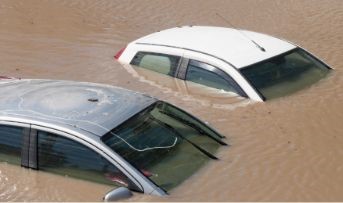
How to take care of your car during floods?
Floods are one example of a disastrous natural calamity that can severely harm people's homes, businesses, and vehicles. A flood can damage your car's body, electrical system, or engine. Debris, rocks, and other things may be present in floodwater that might scratch, dent, or even smash the windows of your car.
As a car owner, taking precautions to safeguard your vehicle from floods is imperative. Precautions should be taken before, during, and after a flood because repairing or replacing your vehicle can be expensive.
We'll provide detailed tips in this article on shielding your automobile from harm during floods. In addition to it, online car insurance can safeguard your vehicle from water damage and offer financial support in an accident.
Understanding how to protect your car during floods is crucial, whether you reside in a flood-prone area or are visiting one. These suggestions can help you keep your vehicle in good working order for years to come while protecting it against water damage.
1. Place your car in a secure area
Moving your car to higher ground, ideally in a secure area, is one of the most important things to do when a flood is about to occur. This can shield your automobile from floodwater and reduce the likelihood of severe damage. If possible, park your vehicle on a raised surface or in a garage. Avoid parking your car under a tree since the branches could fall and harm it.
2. Unplug the battery
Combining water and electricity can be fatal. To avoid electrical harm, it is important to disconnect your car's battery. If you need help disconnecting the battery, ask a qualified mechanic for help.
3. Lock the doors and windows of your car
Another crucial action you should take during a flood is to seal the windows and doors of your car. Close any cracks using duct tape to stop water from entering your automobile. Allow a tiny opening for air circulation to avoid a moisture build-up inside the vehicle.
4. Steer clear of flooded roads
Driving through floodwater is extremely risky and can seriously harm your vehicle. Your car's electrical system, gearbox, and engine can all be damaged by floodwater. Stay off flooded roads and, if feasible, take a different route.
5. Verify the air filter in your car
Check your car's air filter if you're travelling through flooded areas. Debris can clog your air filter and stop airflow to your engine. Your engine may slow down due to a blocked air filter and even sustain lasting harm.
6. Dry the interior of your car
It's crucial to dry your car's interior as quickly as possible if it is exposed to floodwater. After removing any standing water with a wet/dry vacuum, remove any moisture with a dehumidifier. Mould and mildew can develop due to moisture, which could damage the interior.
7. Have an expert inspect your vehicle
Having your car checked up by a qualified mechanic after a flood is essential. They can examine your car's bodywork, electrical system, and engine for any damage. Any issues should be discovered immediately to stop them from worsening.
In conclusion, caring for your car during floods is essential to prevent damage and keep it safe. Park your vehicle in a secure location, disconnect the battery, seal your car doors and windows, avoid driving through floodwater, check your car's air filter, dry your car's interior, inspect your vehicle with a professional, and consider online car insurance. These tips can help protect your vehicle from flood damage and keep it running smoothly for years.
Finally, it's crucial to have car insurance, especially during natural disasters like floods. Online car insurance can help you protect your car from damage and provide financial assistance in case of any mishaps. Make sure to choose an insurance policy that covers flood damage to your vehicle.
Click HERE to learn more about online car insurance and its advantages.
Disclaimer: The information provided above is for illustrative purposes only. To get more details, please refer to policy wordings and prospectus before purchasing a policy.

Let's talk about CT scans
CT stands for computed tomography, a category of medical imaging. A variety of medical disorders are frequently diagnosed and monitored using CT scans. It is a diagnostic imaging process that creates images of the body's interior using a combination of X-rays and computer technologies. Any aspect of the body, including the bones, muscles, organs, and blood vessels, are shown in great detail.
CT scans may be carried out to assist in diagnosing tumours, look into internal bleeding, or look for other internal injuries or damage. Online health insurance frequently covers CT scans because they are a standard diagnostic procedure. However, coverage may differ based on the particular plan and the purpose of the CT scan.
Uses of CT scans
Many different medical problems are diagnosed and monitored with CT scans, including:
1. Cancer diagnosis and treatment
The progression of various cancer types is detected and tracked using CT scans. They can spot tumours, determine their size, and demonstrate whether cancer has migrated to other bodily regions.
2. Trauma
Internal bleeding, organ damage, and other forms of injuries that would not be seen with other imaging techniques are all detected with CT scans. 3. Cardiovascular disease
CT scans can be used to detect cardiac disease and evaluate the health of the heart and blood arteries.
4. Brain and spinal cord disorders
CT scans can identify brain and spinal cord diseases, such as infections, tumours, and strokes.
5. Muscle and bone injuries
Bone and joint injuries, such as fractures or dislocations, can be found with a CT scan. Additionally, they can assess the spine, find tumours, and assist with orthopaedic surgery.
6. Lung diseases
Lung conditions, including pneumonia, lung cancer, or pulmonary embolism, can all be found with CT scans. Additionally, they can assess lung health and detect the severity of lung disorders.
7. Abdominal pain
A CT scan can diagnose several conditions, including appendicitis, diverticulitis, and pancreatitis, to pinpoint the cause of stomach pain.
How CT scans work
CT scans use X-rays to create highly detailed images of the body. A CT scan is performed while the patient is lying on a table that is moved through a vast, doughnut-shaped device called a CT scanner. As the table moves, the scanner rotates around the body, and various X-ray images are taken from multiple angles. The computer subsequently transforms the bodily component being scanned into a 3D image by combining these images.
CT scans offer incredibly detailed images that can display internal body systems. Minor abnormalities that would not be seen with other imaging techniques can now be seen by specialists.
Risks of CT scans
CT scans expose the patient to a small amount of radiation, although they are mostly harmless. It could be dangerous if the patient is exposed to too much radiation over time. Due to this, medical professionals typically advise CT scans when they are required for diagnosis or therapy.
In addition, there is a slight possibility of developing an allergy to the contrast dye that may occasionally be used during a CT scan. This risk can be minimised by informing the medical staff of any allergies or previous reactions to contrast dye.
Benefits of CT scans
● Speed: CT scans are quick, finishing in just a few minutes
● Non-invasive: Any equipment or surgery is not required for CT scans because they are non-invasive
● High-resolution pictures: High-resolution images from CT scans enable medical professionals to spot even subtle abnormalities.
● Comprehensive pictures: Comprehensive images that provide a close-up of the bodily part being scanned can be produced via CT scans.
CT scans are helpful medical imaging tools that provide precise images of the inside organs and structures of the body using X-rays and computer technology. They offer a more accurate view of inside organs, bones, and tissues than typical X-rays. If a CT scan is deemed medically necessary, health insurance ought to pay for it. It's essential to review the specifications of your online health insurance plan to understand the types of diagnostic tests covered in it.
Click HERE to purchase an online health insurance plan.
Disclaimer: The information provided above is for illustrative purposes only. To get more details, please refer to policy wordings and prospectus before purchasing a policy.

Understanding attention deficit disorder in detail
Attention deficit disorder is a serious mental disorder in children and young teenagers. A study shows that almost 17% of Indian youngsters have ADHD or attention deficit disorder. Furthermore, almost ten million children are diagnosed with ADHD annually in India. Therefore, to avoid the possibility of ADHD, you must learn everything about it.
What is ADHD?
ADHD is the abbreviation for Attention Deficit/Hyperactivity Disorder. This disorder is a chronic mental condition that affects children, and if untreated, it may continue into adulthood. However, the symptoms may reduce with age as adults learn to cope with ADHD independently. But chronic ADHD can affect your children's regular and academic performances.
Types There are three types of ADHD:
● Predominantly inattentive
● Predominantly hyperactive/impulsive
● Combined (both inattentive and hyperactive)
Causes
Scientists are still not sure about the root cause of ADHD. However, modern studies say that genetics plays a vital role in developing attention deficit disorder among children. Furthermore, the following factors have the potential to cause ADHD:
● Alcohol or tobacco intake during pregnancy
● Early pregnancy
● Premature birth
● Brain injury
● Problems in the Central Nervous System
● Low birth weight
● Childhood trauma
● Other environmental issues
Symptoms
Common symptoms of ADHD are inattentiveness, hyperactivity, and impulsive behaviour. However, boys and girls may show different symptoms. While your boy child can become hyperactive, you can spot young girls being quietly inattentive.
Children begin to show symptoms of ADHD as early as 3 years of age. Scientists have categorised the symptoms according to different types of ADHD:
● Predominantly inattentive
1. Lack of attention in any work
2. Failing to focus on school
3. Lack of focus on constructive chores
4. Avoid doing a chore like homework that demands mental effort
5. Repeated loss of focus and attention while talking to people
6. Forgetting important tasks
7. Not paying attention to elders
● Predominantly hyperactive/impulsive
1. Difficulty in being quiet
2. Constant talking
3. Interrupting others while talking
4. Always in motion
5. Signs of restlessness while sitting in a place
6. Fail to concentrate on one thing for a long time
7. Always doing something that does not seem normal in a child
● Combined (both inattentive and hyperactive)
1. Being inattentive and interrupting others
2. Too much energy but a lack of interest in doing anything constructive
3. All the symptoms of the two types mentioned above
When should you consult a doctor?
Many parents confuse normal high energy and inattentiveness in their children with attention-deficit/hyperactivity disorder and rush to their paediatrician. However, it is normal for a healthy child or inquisitive teenager to exhibit high energy and restlessness to learn new things.
Again, some parents confuse ADHD with normal activities and neglect their child's problems. If you ever sense anything unusual in your children and feel that certain behaviours are abnormal, you should consult your healthcare professional immediately. Your children cannot tell you their problems. It is your job to pay close attention to every activity of your children. Your children may be attentive and quiet at home but behave otherwise in school and vice versa. All these symptoms can be an alarm for ADHD.
Complications
ADHD does not lead to any serious complications. However, children with ADHD can develop certain complications.
● Oppositional Defiant Disorder
● Autism Spectrum Disorder
● Mood Disorder
● Learning Disabilities
● Anxiety Disorder
● Conduct Disorder
Prevention
Since there is no definite proven cause of ADHD, no specific method is known to prevent ADHD. However, it would be best if you stopped consuming caffeine, alcohol, and tobacco during your pregnancy. Furthermore, you can limit the screen time of your teenagers.
Attention deficit/hyperactivity disorder is a chronic medical condition that you should handle carefully under the proper instruction of your paediatrician and psychiatrist. Insure yourself and your loved ones with the right medical coverage. Offline and online health insurance companies will cover your children's medication expenses. Invest in reliable health insurance and cover your medical expenses for hospitalisation, illness, accidents, etc.
Click HERE to browse online health insurance policies.
Disclaimer: The information provided above is for illustrative purposes only. To get more details, please refer to policy wordings and prospectus before purchasing a policy.

Are PCOD & PCOS interchangeable terms? Here's all you need to know
Polycystic Ovarian Syndrome (PCOS) and Polycystic Ovarian Disease (PCOD) are commonly considered the same without a second thought. However, as they have their distinct characteristics, it is essential to understand the difference between PCOS and PCOD to receive proper diagnosis and treatment.
PCOS and PCOD affect many women worldwide, with an estimated 1 in 10 women of childbearing age affected by PCOS. PCOD is often considered a less severe form of PCOS, but it can also have significant health consequences if left untreated. Both conditions are hormonal imbalances that affect the ovaries, leading to symptoms like irregular menstrual cycles, weight gain, acne, and excessive hair growth.
It is essential to have a basic understanding of these conditions, especially if you are a woman of reproductive age, to ensure early diagnosis and timely treatment. So, without any further delay, let's delve into the details and clear up any confusion regarding these two commonly used terms.
1. Understanding PCOD and PCOS
Polycystic Ovarian Disorder (PCOD) is a hormonal disorder characterised by multiple cysts in the ovaries. On the other hand, Polycystic Ovarian Syndrome (PCOS) is a hormonal condition that affects the ovaries' ability to release eggs. PCOD is a milder form of PCOS, but it can develop into PCOS if left untreated.
2. Symptoms of PCOD and PCOS
PCOD and PCOS share similar symptoms, such as irregular menstrual cycles, weight gain, excessive hair growth, and acne. However, PCOS may cause complications like infertility, insulin resistance, and Type 2 Diabetes.
3. Diagnosis of PCOD and PCOS
Diagnosing PCOD and PCOS involves several tests like ultrasound, hormonal tests, and physical exams. However, PCOD and PCOS can sometimes be challenging to diagnose, requiring multiple tests and medical consultations to detect the disease.
4. Treatment of PCOD and PCOS
The treatment for PCOD and PCOS varies depending on the severity of the condition and the patient's symptoms. A combination of lifestyle changes, medication, and surgery may be recommended to treat these conditions. Weight management, exercise, and a balanced diet can help control the symptoms of PCOD and PCOS.
5. Risks and complications associated with PCOD and PCOS
PCOS is a more severe condition than PCOD and is associated with various health risks and complications, such as heart disease, high blood pressure, endometrial cancer, and sleep apnea. Women with PCOS also have a higher risk of developing depression and anxiety disorders. On the other hand, PCOD is primarily associated with irregular menstrual cycles, weight gain, and fertility issues.
6. Psychological impact of PCOD and PCOS
PCOD and PCOS can also have a significant psychological impact on women. Physical symptoms like excessive hair growth and weight gain can affect a woman's self-esteem and confidence. The fear of infertility and difficulty conceiving can lead to anxiety and depression. Counselling and support groups can help women cope with the emotional challenges of PCOD and PCOS.
In conclusion, PCOD and PCOS are two hormonal conditions affecting women and have different implications, diagnoses, and treatments. Consulting a medical professional for the correct diagnosis and treatment plan is essential.
Renewing health insurance online is a crucial step toward managing your health effectively. With the increasing medical expenses, it is necessary to have adequate health insurance coverage to meet the costs of treatment for PCOD and PCOS. The process to renew health insurance online is hassle-free, saves time and effort, and introduces you to several exciting offers. Lastly, PCOD and PCOS can be effectively controlled with proper care and management. A little awareness, alertness, and early diagnosis can help women to lead healthy and fulfilling lives by successfully tackling PCOD and PCOS.
Click HERE to learn more about how you can renew health insurance online.
Disclaimer: The information provided above is for illustrative purposes only. To get more details, please refer to policy wordings and prospectus before purchasing a policy.

Here's the guide to sustainable farming, promising a greener future
As we move towards a greener future, sustainable farming practices are gaining more importance. Not only do these practices help to protect our planet, but they also benefit farmers and their businesses. Here, we will explore the guide to sustainable farming and how it promises a greener future.
Sustainable farming is the practice of producing food and fibre using methods that protect the environment, public health, human communities, and animal welfare. It is a holistic approach to farming that considers the long-term impacts of agricultural practices on natural resources, biodiversity, and the climate. These practices are not only good for the farmers but also encouraged by a general insurance company, which faces fewer risks and liabilities when insuring sustainable farms.
The benefits of sustainable farming practices
By adopting sustainable practices such as crop rotation, cover crops, conservation tillage, and integrated pest management, farmers can regulate their environmental footprint and promote biodiversity. These practices can also reduce risks and liabilities, leading to lower premiums from a general insurance company.
Here are some promising sustainable agriculture practices every farmer should know to create a greener future.
1. Crop rotation
Crop rotation is the practice of planting different crops in the same field each year. This helps to reduce soil erosion, nutrient depletion, and the build-up of pests and diseases in the soil.
2. Composting
Composting is the process of turning organic waste into nutrient-rich fertiliser for crops. It's an eco-friendly and cost-effective method of soil enrichment.
3. Cover crops
Cover crops are planted to cover the soil during the off-season to prevent erosion and nutrient depletion. These crops also help to fix nitrogen in the soil, making it more fertile for the next season.
4. Conservation tillage
Conservation tillage is the practice of leaving crop residues on the soil surface after harvest. This helps to reduce soil erosion, increase soil organic matter, and conserve moisture.
5. Integrated pest management
Integrated Pest Management (IPM) is a sustainable approach to pest management that combines biological, cultural, and chemical methods. IPM helps to reduce the use of pesticides and promotes the natural balance of the ecosystem.
6. Agroforestry
Agroforestry is the practice of integrating trees and crops on the same land to create a sustainable and diverse farming system. This system promotes biodiversity, reduces soil erosion, and enhances the soil's fertility.
7. Precision agriculture
Precision agriculture is the use of technology and data to optimise crop production and reduce waste. This approach helps farmers to make informed decisions about the use of fertilisers, pesticides, and water resources.
8. Organic farming
Organic farming is a method of agriculture that avoids the use of synthetic fertilisers, pesticides, and genetically modified organisms. Organic farming promotes soil health and biodiversity and reduces the negative impact of agriculture on the environment.
9. Water conservation
Water conservation is a critical aspect of sustainable farming. Farmers can use various techniques such as drip irrigation, rainwater harvesting, and water-efficient crops to reduce water waste and preserve this precious resource.
10. Green manure
Green manure is a cover crop that's grown specifically to be turned into the soil to improve its fertility. This practice helps to reduce soil erosion, increase organic matter, and improve soil structure.
In conclusion, sustainable farming is the way forward for a greener, more equitable, and more resilient food system. By adopting sustainable agriculture practices, farmers can contribute to society and the country, promote biodiversity, improve their profitability and resilience, and be the torchbearer of a more sustainable and equitable future for all. These practices also reduce risks and liabilities for a general insurance company, leading to lower premiums and a more stable and sustainable insurance market. By working together, farmers and a general insurance company can create a more sustainable and equitable food system that benefits everyone.
Click HERE to buy the best general insurance in India.
Disclaimer: The information provided above is for illustrative purposes only. To get more details, please refer to policy wordings and prospectus before purchasing a policy.
Hi there! 👋 Need help with a policy, claim, or renewal? Chat with us instantly on WhatsApp.
Start chat →