


General Insurance Blogs, Articles & Updates by - Magma Insurance
Have us call you
- RENEW YOUR POLICY
- BUY NEW POLICY

GENERAL INSURANCE BLOG
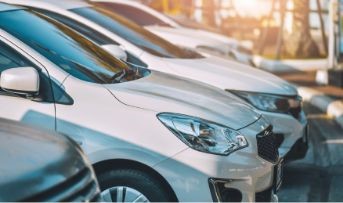
Here are the probable challenges that you might face being an owner of a discontinued car
Owning a car is a significant investment, but keeping a discontinued vehicle can be frustrating. A discontinued car is a model that is no longer in production, leading to difficulty finding parts, limited warranty coverage, higher maintenance costs, and lower resale value. Additionally, limited options for upgrades and insurance coverage, as well as limited availability of mechanics, can make owning a discontinued car a daunting task.
In this article, we will discuss some of the probable challenges you might face being an owner of a discontinued car in detail and how car insurance can help you mitigate these challenges. Let's get started!
1. Difficulty in finding parts
One of the primary challenges of owning a discontinued car is finding parts. Since the car model is no longer in production, it may be tough to find the original parts. This can be a problem if your car requires major repairs and you need to replace a specific part. Sometimes, you may have to rely on aftermarket or used parts, which may not be as reliable as the original ones.
2. Lower resale value
Another challenge of owning a discontinued car is the lower resale value. Since the car model is no longer in production, the demand for the vehicle decreases, leading to a decrease in its resale value. This can be a significant problem if you plan to sell your car or trade it in for a new one.
Car insurance can help you in this scenario by offering coverage for the depreciated value of your car. Some insurance providers may provide coverage for the car's original value, which can be helpful if you face a significant loss due to the lower resale value. But you need to check this with your car insurance provider.
3. Limited warranty coverage
The warranty coverage may be limited or expired when you own a discontinued car. This can be a problem if your vehicle requires repairs or the replacement of specific parts.
4. Limited options for upgrades
Since the manufacturer discontinues the car model, there may be limited options for upgrades or modifications. This can be frustrating if you want to enhance the performance or aesthetics of your car.
5. Higher maintenance costs
Another challenge of owning a discontinued car is the higher maintenance costs. Since the parts are no longer in production, they may be more expensive to replace or repair.
6. Limited availability of mechanics
Since the car model is no longer in production, finding a mechanic who is familiar with the car can take time and effort. This can be a problem if you need specific repairs or maintenance.
Car insurance can help you in this scenario by offering a network of authorised repair shops. Some insurance providers may have tie-ups with specific repair shops specialising in discontinued car models, making it easier to find the right mechanic for your car. You need to check all these details, the terms, and the conditions with your insurance provider.
7. Limited options for insurance coverage
When you own a discontinued car, the options for insurance coverage may be limited. Since the car model is no longer in production, some insurance providers may not offer coverage.
Regular maintenance and careful driving habits can help extend the lifespan of your discontinued car and reduce the likelihood of breakdowns or costly repairs. It's essential to stay up to date with routine maintenance tasks, such as oil changes, tyre rotations, and brake inspections, and to avoid more significant problems.
In conclusion, car insurance is essential to owning and driving a car. It safeguards you financially from accidents, theft, or other unforeseen events that can damage or total a vehicle. When purchasing car insurance, comparing policies and prices from different providers is essential to find the best coverage that fits your needs and budget. With the right car insurance policy, you can have peace of mind while on the road and avoid financial hardship in case of unexpected incidents.
Click HERE to learn more about the benefits of purchasing car insurance.
Disclaimer: The information provided above is for illustrative purposes only. To get more details, please refer to policy wordings and prospectus before purchasing a policy.

How does having a car seat cushion help your back and hips
Driving is a regular activity in many people's daily lives. Long hours in a car, whether commuting to work, conducting errands, or taking road vacations, can be uncomfortable and even painful for your back and hips. On the other hand, using a car seat cushion might considerably improve your comfort and overall well-being. We'll examine how a vehicle seat cushion can aid your back and hips.
The design of car seats and its effects on the body
Vehicle seat cushions are intended to provide additional support and padding to your back and hips while driving. The design of a car seat can frequently create discomfort, especially if you have a long commute or drive for extended periods. A car seat cushion can relieve pressure spots and uniformly distribute weight, resulting in a more comfortable and supportive driving experience.
The benefits of car seat cushions
Furthermore, car seat cushions might assist you in enhancing your driving posture. Back and hip pain and neck and shoulder strain can all result from poor posture. A suitable lumbar support vehicle seat cushion can assist in correcting your spine, allowing you to sit up straighter and relieve strain on your back muscles. Furthermore, some car seat cushions include adjustable straps that may be added to the seat to help maintain you in the proper position and prevent slouching.
Sitting for lengthy periods can cause numbness and tingling in your legs and feet and decreased blood flow. A car seat cushion can help you distribute your weight more evenly and ease pressure areas, lowering your chances of having circulation issues. Furthermore, certain car seat cushions are contoured to facilitate improved circulation by minimising pressure on specific places.
Another benefit of using a car seat cushion is that it may lessen fatigue and pain when driving. Sitting in a car seat for long periods can create discomfort or pain in your back and hips. This can lead to fatigue, making it difficult to focus on the road and raising the chances of an accident. A car seat cushion can alleviate these issues by helping you to stay focused and awake while driving.
Using a car seat cushion also provides you with psychological advantages. Driving comfortably and without pain increases your chances of enjoying the experience and feeling less tired. This can lead to a more positive attitude and a better overall mood. Furthermore, if you are not distracted by pain or discomfort, you can concentrate on your surroundings and make better driving decisions.
Types of car seat cushions
Several types of car seat cushions are available, each with its own set of benefits. Memory foam cushions, for example, are made to conform to the curve of your body and provide customised support. Gel seat cushions contain a cooling gel that can help you regulate your body temperature and avoid overheating. Other car seat cushions are made of permeable textiles that can help avoid perspiration and discomfort in hot weather.
Furthermore, while utilising a car seat cushion can bring several benefits for your back and hips, taking care of your general health and well-being is critical. Purchasing health insurance can ensure that you have access to the medical care you require in the event of an accident or injury. With many policies and options available at your fingertips, buy health insurance online is now easier than ever.
In conclusion, the car seat cushion can benefit your back and hips while driving. By providing additional support and cushioning, improving posture, promoting better circulation, reducing fatigue and discomfort, and even having psychological benefits, a car seat cushion can make a significant difference in your overall driving experience.
Click HERE to buy health insurance online.
Disclaimer: The information provided above is for illustrative purposes only. To get more details, please refer to policy wordings and prospectus before purchasing a policy.
Save on tax by spending on electric vehicles!
With the world evolving, more changes are being made for a sustainable environment. One such significant development has taken place in terms of electric vehicles. They are cost-effective and eco-friendly fuel alternatives and will likely be the future of the automobile industry.
Electric vehicles have gained huge popularity and fame in a very short time. Over 19 lakh people are driving electric vehicles on Indian streets today. The Indian government has prompted the purchase of electric vehicles by giving a lot of incentives. These incentives can be availed by all individual buyers who want to invest in an electric vehicle and save the environment.
Since 2019, the Indian government has presented numerous schemes and rules in the budget for individual buyers. One of the most enticing schemes of these is the exemption of taxes. Whenever someone buys a new electric vehicle, they can save a lot on taxes. Surprising, right? Well, we will help you navigate through the details of this scheme in the article.
If you plan on buying an electric scooter or car, you should also buy new car insurance or two-wheeler insurance to keep your vehicle safe. Insurance is a worthwhile investment and a reliable resource to ensure financial safety during an emergency.
Now, let's look at the specifics of the incentives that the Indian government has specified for electric vehicle owners.
What is 80EEB?
Everyone looks at various ways to save taxes during the financial year's end. The 80EEB was introduced by the Indian government in the year 2019 for the promotion of electric vehicles. In the 2019 budget, it was indicated that an individual could claim up to Rs. 1.5 Lakhs deduction on their interest for a vehicle loan. This vehicle loan should be issued to purchase an electric vehicle.
Under this Income Tax Act, taxpayers can claim this deduction only once in an assessment year. The loan must be taken out for the purchase of an EV only. It will not work for any other vehicles, including hybrid models. The loan interest will be deducted for individuals only. It will not work for businesses or organisations.
Another important aspect concerning this vehicle's purchase includes the deduction in the Goods and Services Taxes. To promote the buying of EVs, the GST on the vehicles has been reduced from 12% to 5%.
Which vehicles fall under section 80EEB?
Not all vehicles fall under section 80EEB. You must know the specifics of the vehicle before you file a deduction in the interest. Under this section, any vehicle equipped with an electric motor powered by an electric battery is deemed eligible. The EV motor operates on the conversion of electric energy into mechanical energy.
What are the terms and conditions for claiming the deduction?
Let's summarise the terms to make it easy for you to make a decision
● The loan should be taken out for the purchase of an EV only
● The deduction is only offered on the interest amount of the loan
● The loan will benefit only individuals
● The loan should opt from a reputable financial institution
● The deduction claim can only be extended up to Rs 1.5 Lakhs. It cannot be exceeded.
● The deduction does not apply to an organization, a company, or a partnership firm
These are some of the most important pointers that you should keep in mind while you're buying an electric vehicle. With an EV, you can contribute to the environment and save substantially. It is high time that we switch to options that are eco-friendly and beneficial to the environment. You should also buy new car insurance whenever you decide to purchase a new EV to safeguard it from loss due to damages.
Click HERE to buy new car insurance policy.
Disclaimer: The information provided above is for illustrative purposes only. To get more details, please refer to policy wordings and prospectus before purchasing a policy.

Let’s understand the different types of property insurance you can invest in based on your asset type
Building a property from scratch can be a time-taking and intimidating process. Whether commercial or private property, the construction cost can burn a hole in your pocket. This is precisely why property insurance becomes necessary to protect you, your family, and your assets from any unforeseen tragedies that might occur.
Property insurance provides cover for various misfortunes, including but not limited to fire, natural calamities, or robbery. However, choosing an insurance specific to your asset type is vital for the best coverage and benefits. This blog gives insight into the various types of property insurance available in the market based on your asset type.
1. Office insurance:
Office insurance is essential for all office premises, including public and private offices, call centres, etc. This insurance plan covers office owners against damages from unforeseen circumstances like fires, storms, lightning, hurricanes, cyclones, etc. This policy also covers other possible threats, such as the theft of office appliances.
2. Construction sites insurance:
Construction sites are places with a high probability of accidents. The misfortune of contractors is that the property remains their liability till the entire construction is completed and the property is handed over to someone. Whether it is due to bad weather or some water damage, it is a possibility that the building might collapse onto itself. It is essential to get construction site insurance to keep your assets secure against these occurrences.
3. Commercial insurance:
This insurance covers the policyholder from the losses incurred from destroying commercial properties such as warehouses, offices, factories, hotels, etc. Taking a suitable commercial insurance policy can be the best investment for business owners to safeguard themselves from the enormous losses faced by man-made or natural calamities.
4. Landlord insurance:
Landlord insurance is much like the homeowner’s insurance with one significant addition. The addition is the compensation of lost rental income, which is not covered by any other policy.
5. Renter’s insurance:
Tenants are usually in a dilemma regarding the safety of their belongings in rented accommodation. If their prized possessions are stolen, or there is some natural calamity that results in the tenant incurring losses, there is no way that the homeowner will pay for it.
So, the best option for tenants is to get insurance that covers all their belongings. Renter’s insurance is very similar to the homeowner insurance policy. One significant difference is, however, that this policy is exclusively meant to recover financial losses sustained by the policyholder if their belongings (can include clothes, jewellery, and appliances around the house) are damaged because of man-made or natural calamities.
6. Homeowners insurance:
Homeowners insurance or HOME INSURANCE is the most widely acquired type of property insurance. This is for a good reason. A home is a significant investment, and it is imperative to be secure against the various misfortunes that might befall it.
An appropriate home insurance covers all the financial losses the homeowner might incur in the event of any significant damage due to an accident or mishaps like burglary. Additionally, it also covers any possessions that have been destroyed in the mishap.
Our home is the greatest property asset, and safeguarding it from potential damages should be our primary objective. Having the most suitable home insurance is a surefire way of protecting from financial mishaps and adding the safety net of damage coverage.
Property insurance gives the property owner security and credibility, which is important for peace of mind and financial safety. Thoroughly researching the best insurance policy is essential to have the optimum coverage for your assets.
Click HERE to know more about home insurance.
Disclaimer: The information provided above is for illustrative purposes only. To get more details, please refer to policy wordings and prospectus before purchasing a policy.

These 5 practices can help you stay protected from Covid-19
In these difficult and devastating times, we all want to keep ourselves protected from this deadly pandemic. The entire human race is praying to be safe and establish a Covid-free atmosphere in the world. But how can we make this happen? What measures can truly safeguard us from getting infected by this highly contagious disease?
1. MASK- A dependable shield
Wearing a proper mask should be our utmost priority whenever we move out of our houses or go to crowded places. Mask is the first wall of defence against the Coronavirus. The majority of the chances of getting infected are narrowed down if we wear appropriate masks suggested by our government and health authorities. But just wearing the masks is not sufficient; the mask should cover your face and nose properly. Only good quality masks should be used, cloth masks should be regularly washed, and use-and-throw masks should not be used more than twice. Masks should be handled only by using elastic strands. Avoid using masks that have filters installed on them, but use masks that are comfortable and easy to breathe. Remember, Mask ON....Life ON!
2. Maintain a safe distance today to have a safer tomorrow
Another crucial and effective preventive measure is maintaining a social distance of at least six feet when you are around other people. Avoiding close contact with people can nullify the chances of getting infected to larger extents. Even when you are at home, it is recommended to avoid getting close to the sick person or with low immunity, especially aged members of your house. Today this physical distance is a necessity to ensure the safety of you and also the people around you.
3. Safety is in your HANDS. Literally!
Our hands touch many things and surfaces daily, which means they are massively exposed to the virus. Later these hands can act as a carrier and can make our bodies vulnerable to the infection. So, we must wash our hands regularly and properly. Hands should be either washed by using soap and water or using hand sanitizers with a minimum of 70% alcohol. Especially when you are in a public place, carry a sanitizer with you always and use it whenever you touch an unknown surface. Avoid touching your nose, eyes, face, and mouth with unclean hands. Also, maintain personal hygiene and even keep your surroundings disinfected.
4. Vaccine is a must
Responsibly participate in the vaccination drive and get yourself vaccinated with both the doses of the vaccine. Also, encourage others to get themselves vaccinated. The vaccine is a game-changer during these challenging times, so be responsible and take the shot whenever available.
5. Your Health, Your Priority
In this depressing environment, it is wise to understand that staying positive can flush all the negativity and restore happiness. Every human is a superhero during these crucial times. Together we all can do wonders, follow these guidelines, and realize the importance of Covid appropriate behaviour and be a life saviour.
Lastly, in this extreme situation, closely monitor your health for any unexpected changes in your body. Never underestimate any symptoms, stay alert and consult your doctor in case you feel something odd. It is suggested to have an appropriate
health insurance
policy that acts as a rescuer for immediate cashless hospitalization and huge Covid related hospital expenses. You can buy Health Insurance Online in a contactless manner from a trusted source to ensure your health cover.
Let's make this difficult period a little lighter, both emotionally and mentally, and win this battle.

Getting the Covid vaccine? Here's what you need to know
Amidst this pandemic, the human race is praying desperately for the cure. After so many efforts, we are finally blessed to have a vaccine now. It is indeed significant that it could be made in such a short period; all credit to our advanced medical researchers.
Want to get the COVID-19 vaccine? Please check this step-wise procedure.
The first step to get vaccinated is to register yourself on the CoWin portal and get an appointment for the first dose of the vaccine. CoWin is a trusted platform designed by the government, which runs both independently and also on the Arogya Setu app. Avoid using any other portal or application for registering yourself as a lot of fraudulent portals are being run to fool people. Know exactly where the vaccine drives are rolling in your vicinity.
Also, it is important to know the difference between various doses, their side effects, and which one is suitable for you to take. Do this with the help of a physician or a doctor before taking your shot of vaccine.
Setting up your mind to get vaccinated without getting afraid is important. Vaccination is nothing but immunization!
What is to be done before getting vaccinated?
Register yourself on the government-suggested website and get an appointment for a particular day. As your day of vaccination is close, take adequate rest. Have enough sleep of 7-8 hours and avoid exhausting yourself. Also, if you are on some other medication or if you are on steroids or any immunosuppression, then consult your doctor.
For the safer side, if you feel any symptoms like cough, fever, cold, sore throat, etc. on or before the day of vaccination, then seek medical help. Consume a balanced diet to boost your immune system and to maintain your energy level. Stay hydrated, it is the key to stay calm inside out.
What to do when ‘it is the day’?
On the day of your shot, do a safety check. Ensure you are wearing a proper face mask and sanitize your hands properly. If possible, wear hand gloves too to maintain zero contact. Foremost, wear loose clothes when you are going to the vaccination centre because the vaccination spot is on the upper arm, giving easy access to the vaccinator.
The most important thing is to stay positive. Don't get anxious, take slow deep breaths. Think of a positive outcome – this shot is going to be a shield for you and others around you.
And, please carry your photo ID card mentioned in your appointment details for vaccination.
What are the steps taken after getting vaccinated?
The primary step is to monitor yourself. If there are any side effects, they will appear within 30 minutes after getting your vaccine shot. There are mild and common effects like swelling, redness on the arm, dizziness, headache, chills or mild fever, joint or muscle ache, etc. Remember that these side effects will subside within a few days.
If you feel severe symptoms like vomiting, fainting, allergic reactions, then seek medical help immediately. Avoid consuming painkillers or any other medication unless you consult a doctor about it.
The second dose is equally essential, so don't miss that. There should be a fair gap of 4-12 weeks between both the doses.
And most important of all is, even after getting vaccinated, don't stop taking precautions in day-to-day life. Continue wearing your masks, do sanitize properly and maintain social distancing.
Also, considering the risk pandemic brought, if you already don't have an existing health insurance, it is time to purchase a new
health insurance plan
.You can buy Health Insurance Online to get coverage to protect your family from sudden illnesses, hospitalization and medical expenses.
Let us be responsible, and let us all protect one another and help our community get through these pandemic hard times. Stay Safe, Get Vaccinated.

Tips for a homeowner facing a fire or smoke damage
Disasters have many faces and can strike anytime, anywhere; they can be seen in the form of quakes, floods, gas leaks, explosions, etc. and one of the most commonly known faces of disaster is fire. Damage felt after a partial or full-blown fire mishap is quite painful and nearly unrecoverable. However, if you have your house insured with ironclad insurance from a well-reputed fire insurance company, then your hassles can be reduced to a minimum.
A fire insurance policy plays an essential role in dealing with the losses and damages incurred due to fire. It is highly recommended to purchase fire insurance to safeguard your homes from any future calamity that a sudden fire or smoke can cause.
Here are some of the tips you can follow if you face damage from fire or smoke in your homes.
- Ask for an advance against your claim: - Right after the house has been gutted to fire, you might be forced to evacuate the house, considering the dangerous situation because of the smoke. In this case, you are eligible to get an advance from your insurance company so that you can buy your daily essentials. Inform your insurance company and ask it to issue a cheque and bring it to wherever you are staying. It will help you in this dire need and will be enough for your survival until your claim gets accepted.
- Checking for the extent of losses: - Once the fire tragedy is controlled, the first act of the homeowner is to calculate or check for the damage extent of personal belongings and property loss in the fire. Once the total loss is measured and counted, it will be easier for you to negotiate with officials handling the claim process.
- Having your receipts documented: - After facing a disastrous house fire, you may be forced to live in a temporary dwelling like a hotel or guesthouse close to your vicinity. It would be ideal to secure all the receipts, document all the costs and expenses carefully. Once you receive the claim for the house fire, you may also get a compensated amount you incurred on your living expenses.
- Check bank statements if you don’t have a receipt: - People tend to be careless when it comes to saving receipts for every new thing that they buy. While we might save receipts of the electronic items for warranty or claiming a refund, it’s not easy to keep those long bills every time you go for grocery shopping. However, your every online transaction would bring a huge relief; hence look for credit card statements and bank statements to prove the value of items.
- Back up your vocal claims with evidence: - After the fire tragedy, some items are destroyed or damaged to such an extent that for the insurer, it could be challenging to identify for assigning the claim. So, as a responsible party, you ought to click as many pictures and shoot videos as possible of the damaged, smoked rooms to show the physical evidence of the actual damage before it gets wiped by a restoration company.

Quick Guide on Fire Insurance
Fire insurance is a contractual agreement between the policyholder and the insurer wherein the insurer in return for consideration or premium agrees to indemnify the policyholder or the insured person for the financial loss that he/she may suffer due to destruction of or damage to property or goods by fire during a specific period. You can buy as well as renew a fire insurance policy in India by online as well as offline ways.
The purchase of fire insurance helps to cover the cost of replacement, repair or reconstruction of the property, but fire insurance is generally not valid in case of war, nuclear risk or any such similar peril. Buying fire insurance is always a good idea because your property is your investment and buying a fire insurance policy will help you recover the damage and loss caused due to fire on your property.
Most of the policies offered by the different insurance providers cover the physical damage caused to your property by the following perils: -
- Fire
- Lightning
- Riot and Strike
- Earthquake, wind and storm
- Explosion
- Smoke damage
- Sprinkler Damage
- Damage due to aircraft
- Bush fire
- Subsidence, rockslides or landslides
- Impact damage which may occur due to the impact of road vehicles or animals or rails.
There are various types of fire insurance policies that are available in India, depending on the coverage requirement of the individual. The type of fire insurance policy in India you may choose also depends on whether the asset which is being insured is a fixed asset or a non-fixed asset. Depending on the type of asset being insured, insurance providers have different types of fire insurance policies available. The types of policies for fixed assets such as homes are: -
- Replacement Value Policy - The asset which has been insured is replaced if it is damaged by fire wherein the insurance company pays the replacement value of the damaged property.
- Reinstatement Value Policy - This is almost similar to the Replacement Value Policy but with an added clause that the insurance company will replace the damaged property to its original condition before the occurrence of the peril. This policy applies to fixed assets like buildings.
There are many different types of policies for non-fixed assets, such as: -
- Specific Policy - This policy covers the loss up to a specific amount which is less than the real value of the property.
- Comprehensive Policy - Also called ‘All in One’ policy, this policy covers loss due to fire, theft, burglary as well as other third-party damages.
- Valued Policy - Under this policy, the insured person can recover a fixed amount which was agreed to at the time the policy was bought.
- Floating Policy - This policy covers loss due to fire to property belonging to the same person but at different places.
- Valuable Policy - The sum insured is not decided at the time of buying the policy but instead, the claim amount is calculated at the time of loss.
- Consequential Loss Policy - This policy covers the loss in profit caused due to disruption of the business by damage due to fire.
Buying a fire insurance policy for your house or your goods is always a good decision, but you must buy a policy which covers the risk that you face and understand the nature of the asset that you want to insure and then buy an insurance policy accordingly.
Hi there! 👋 Need help with a policy, claim, or renewal? Chat with us instantly on WhatsApp.
Start chat →