


General Insurance Blogs, Articles & Updates by - Magma Insurance
Have us call you
- RENEW YOUR POLICY
- BUY NEW POLICY

GENERAL INSURANCE BLOG
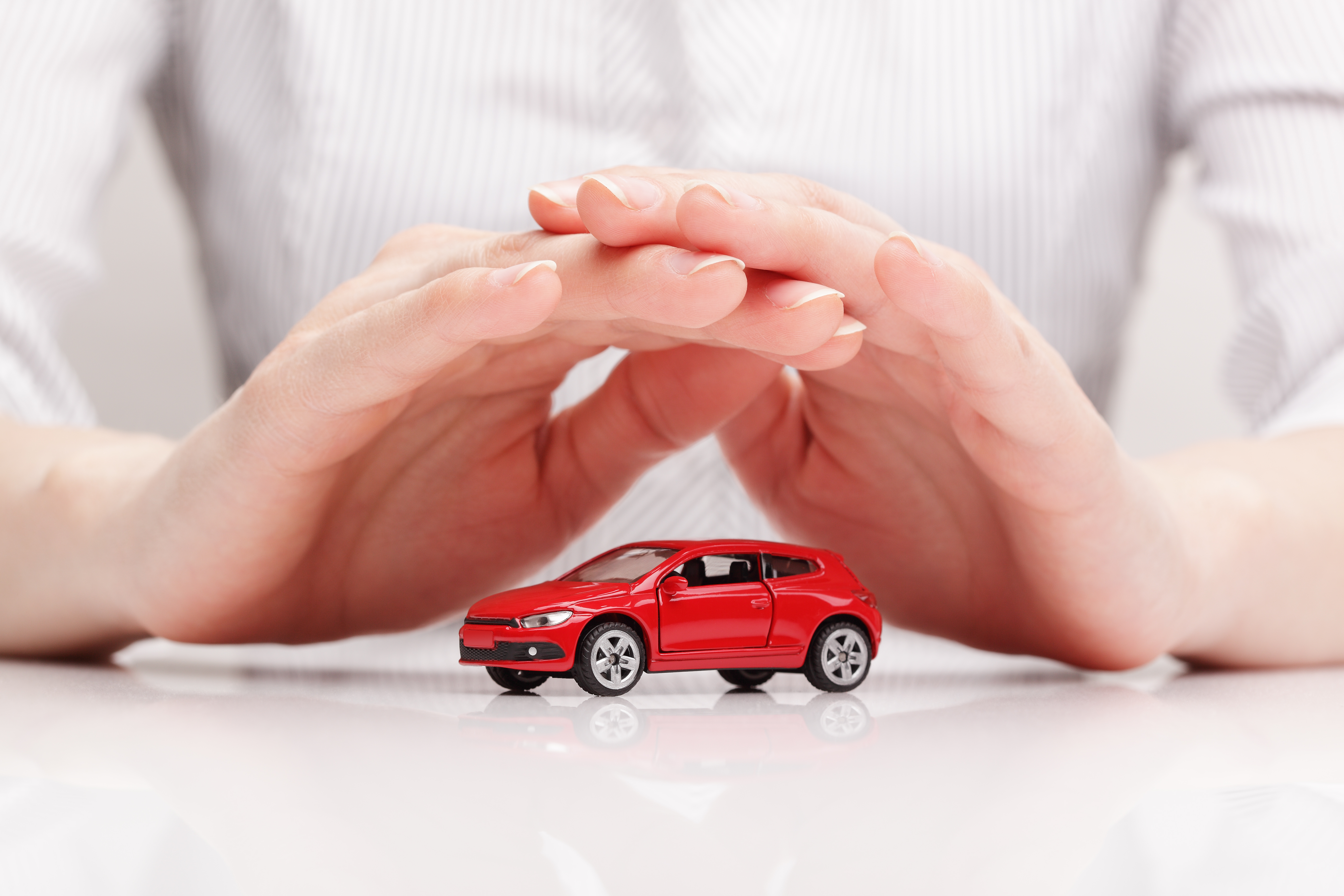
Things to keep in mind when you shift your car insurance
Most car insurance plans are usually aimed at providing the services for one year, post which they are renewed. However, not being satisfied with the kind of services you have been receiving from your insurance company can be extremely disheartening. In this situation, you can decide to compare and buy a car insurance policy online. While switching car insurance may seem like an easy task at the outset, there is a lot of research that goes into deciding since you aspire to receive the best services. Here are some of the most critical factors that must be kept in mind before shifting your car insurance: -
- Premium and car cover There is no guarantee if you will receive a change in the car premium, and this is entirely dependent on your insurance company. However, like all things, even this may vary according to the risk covered by the premium, which is again determined on the base of zonal risks. It is only natural for the insurance company to ask for a higher premium if you are aiming to locate yourself at a catastrophic prone zone like floods or earthquakes.
- Importance of no claim bonusThis is one of the most important factors of every general policy. Shifting your car insurance may lead you to wonder about the NCB points earned during the previous investment. You can finally heave a sigh of relief since NCB is offered to the insurer for every year that goes unclaimed and is definite to follow you, despite your location. Be it changing the vehicle or switching to a new insurance provider; you can always hope to find your earned NCB everywhere with you.
- Importance of upgrading cover A new place means a shift in requirements and needs. It is always advisable to analyze your vehicle before availing any insurance service since you will then be equipped to make the right decisions. While aiming to Buy Car Insurance Policy Online , be sure to get a comprehensive insurance policy with third-party coverage. This will aid in protecting your car from any potential damage that may occur to being involved in an accident, theft, vandalism, natural disasters, among other things.
- Evaluate your reasons It is important to understand why you are tasking a drastic step of changing your car insurance. While the reasons may be many, increased car insurance premium brings with it additional financial responsibilities. You need to be sure about the decision you are taking and should be able to afford the premium.
- Inform your current insurer When you inform your current service provider, they are sure to provide you with ample reason to stay. They may even meet you to resolve your grievances. If you feel your problems have been resolved, stick the decision to stick to your current service provider or changing it depends entirely on your convenience. Also, an additional tip is to not just focus on low premiums, since there are other features like, list of network garages and customer service efficiency that must be kept in mind while availing any insurance company’s offer.
You can always check details about a car insurance policy online and carefully analyze every feature that comes with different companies to make the right decision.

Six best safety tips useful for born again bike riders
The returning riders, also known as the born-again riders, are folks who previously rode motorcycles and want to get back into it. No matter how professional you were in the past, continuing something after a break has some adverse outcomes. Therefore, if you have given up riding for any reason and wish to reclaim it with your two-wheeled companion, there are a few risks you need to keep in mind.
This article will thoroughly guide you with the best tips to avoid mishaps for returning riders. We suggest investing in bike insurance for your two-wheeler before you restart your lost desire to ride a bike again. In case you already have one make sure it is up-to-date.
1. Begin slowly and safely:
Returning riders should take it easy at first and gradually gain confidence while riding. Start your first few trips with short distances and ideally in minimal traffic conditions. Do not push your limits and end the journey whenever necessary.
2. Know which bike to start with:
If you have not hit the road for a long time, consider going for a moderate bike at the beginning. Compared to the bikes you rode in your days, the current models can be overwhelming for you. For example, if you decide for high horsepower and remain unsuccessful in handling it, your motivation will hit the ground. It will leave you disappointed and undermine your confidence. Hence, go for a manageable bike at first, and once you've acquired confidence and improved your road sense, you may always upgrade.
3. Consider taking a refresher course:
Although this sounds a bit unnecessary, basic training at a motor learning school helps you regain control of the two-wheeler and understand the updated traffic. Even if you can't seem to find a physical course, the internet will never let you down. Numerous articles, podcasts, videos, vlogs, and blogs regarding this subject will guide you in the right direction.
4. Learn and adapt to what has changed:
Regardless of the gap in your riding, the technology and regulations would be different when you start over. The machines used in today's bikes are advanced, tyres have anti-skid grips, and the braking systems have improved. Try to acquire the knowledge of up-gradation as much as possible to avoid facing issues about adaptation to new things.
5. Don't skip the riding gears:
Never neglect your safety gear. If your gears from earlier do not fit you anymore, get new ones right away. There is no acceptable reason to skip wearing your riding gear for any occasion.
6. Learn how to unlearn:
The future is for those who can learn to unlearn numerous times throughout their lifetimes. This should be a motto for born-again riders. Forget all the myths and misleading facts from the old days and make space for new logic and learning. Technology progresses every day, and so does the experience based on it. Gain knowledge of it prior and incorporate it into your riding style as often as possible.
We hope to assist you in making your transition easier than possible. The above-compiled tips will surely do the job. Also, having bike insurance will boost your confidence and ensure a happy return to biking. So, if you’ve made up your mind, then you’re set to dominate the roads again!
To get the best bike insurance, click HERE .
Disclaimer: The information provided above is for illustrative purposes only. To get more details, please refer to policy wordings and prospectus before purchasing a policy.
What to do when the brakes fail suddenly while driving
How well are you prepared for a situation like a brake failure? Well, most people can't imagine the correct answer. Imagine you are driving comfortably, and your eyes are engaged on the road. Then, when you approach traffic or a speed breaker, you hit the brake pedal, but your car doesn't slow down. You repress harder this time, but you are still speeding. Are brake failures terrifying to even think about? It's best to prepare for such panic scenarios.
Brake failures usually are not recognized beforehand; they hit you when you are in motion. It can be a panicking situation leaving the driver clueless and inviting a potential threat to his life.
In today's post, we'll talk about the dos and don'ts to stop your car safely when the brakes fail.
What to do?
1. Don't lose your cool:
We understand it's easier said than done but try not to panic. This will only put you and the passengers in unnecessary danger at the time of an actual stressful situation.
2. Go easy on the throttle:
Immediately take your foot off the accelerator pedal. You don't want to speed up even by mistake as it can only worsen the situation and make the vehicle handling uncontrollable.
3. Pump the brakes:
Press the brake pedal multiple times to generate enough pressure in the hydraulic system of the brakes. This can miraculously work out, and you'll be able to halt your car even after brake failures.
4. Lower the gears:
If the pumping doesn't help, shift into a lower gear gradually. Doing this increases the mechanical resistance, referred to as engine braking.
5. Engage handbrakes:
Some cars can restrict you from shifting to extra-low gear until the car has slowed sufficiently. In such cases, handbraking comes in. When you engage the handbrakes, do so gradually. If you suddenly apply them, your car can go skidding to make the situation worse.
6. Turn on the AC to the maximum:
Turning the AC to the max will take a few kilowatts of power. Turning on all extras will cause resistance to the alternator that can help you slow down.
Other dos:
● Keep your vision on the road at all times.
● Turn on the hazard lights. This will notify other drivers that you're in an emergency.
● If you notice an uphill road, use it to your advantage. Taking your vehicle to it will help you curb the speed.
● Wear your seatbelt at all times.
● Follow the speed limits on all roads.
Now that you know what to do. Let’s discuss the don'ts real quick:
● Do not continue driving on cruise control.
● Do not cut the ignition or change the gear to neutral as you will lose the full control.
● Do not shift from higher gear to low gear drastically. The same goes for handbrake. Do not engage it at once. This can cause skidding.
● DO NOT shift to reverse gear. This will completely shatter the gearbox, and further will not allow you to downshift.
● Don't move sideways with a speeding vehicle. Yes, it increases friction, but you run the danger of spinning out.
● Do not run into a concrete wall or a block to crash stop; go for shrubs and bushes.
When such situations arise, you are in danger and the rest of the commuters around. Therefore, you must think rationally and make decisions. You and your car can sustain damage in such scenarios; having reliable car insurance at your disposal will help you recover from it. If you have one, check for your car insurance renewal before you hit the roads. Car insurance renewal is a ticket for extended protection of your prized possession.
Also, don't ever overlook the necessity of having your car serviced at regular intervals so that critical safety systems, such as braking, are well maintained.
Car insurance renewals are possible online now. Click HERE to do it right now.
Disclaimer: The information provided above is for illustrative purposes only. To get more details, please refer to policy wordings and prospectus before purchasing a policy.

Complete guide for learning horse riding as an adventure
Horseback riding is one of the most ancient adventure activities introduced in ancient times. And, it quickly became an integral part of every army, and until today it is a royal legacy. Adventure enthusiasts practice horse riding as a sport.
But horse riding is not as easy as it appears to be. Trusting a 1200 pounds animal to keep you safe and to cooperate with you is a daunting task. One wrong move can leave you paralyzed for the rest of your life; some mistakes can be life-threatening. But, if you are willing to take the risk to be a part of the equestrian community, you will undoubtedly have a great time learning it!
Following your passion or pursuing horseback riding as a hobby is a great start indeed! And to help you with it, we have created an essential checklist to learn horse riding as an adventure.
1. The attire:
Appropriate dressing plays a significant role in ensuring personal safety, especially when indulging in a gruelling sport like horseback riding. You require ankle-length, close-toed leather boots with a small heel to keep your feet from slipping out of the stirrups. Wear long pants to keep your legs safe from colliding against the saddle. Protecting your head is the most crucial safety aspect, so a helmet should be an essential accessory of your fit. Remember, even the horses require proper equipment. A properly fitted saddle, well-tightened cinch, a comfortable bit and bridle, and suitable hoof protection can make the sport for your horse safe and enjoyable.
2. Learn to use the reins:
Just as important it is to handle the steering of a car when learning to drive, similarly before hopping on the horse, you should understand the appropriate use of the reins. Do not hold the reins too harshly as it can hurt the horse, be gentle with it. Keep your arms at the correct angle from your elbow. The moment you master the handling of reins, you get the command over your horse.
3. Spend time with the horses:
One of the ways to be more comfortable with the horses is to spend more time with them. Try finding a part-time job at the stable or maybe just volunteer! This is how you will learn things you would not be able to learn otherwise, and horse riding will be easier for you.
Also, never forget to greet your horse first before training. It is essential to show compassion and affection to your fellow animal. Horses value the love and care their masters bestow upon them, which massively impacts the riding experience.
4. Correct your posture:
While on the back of the horse, relax and sit up straight. This will help you maintain balance and get a firmer and better hold on the horse. Relax your shoulders, and place both of your feet in the stirrup.
5. Stay hydrated:
This may seem like a small detail, but on warm and sunny days, horse riding can make you sweat profusely, therefore carry a water bottle along with you and stay hydrated.
We hope these valuable tips will guide you to kick-start your passion for learning horse riding. However, as the Equestrian community says, “Horses don’t care how much you know until they know how much you care.” Just mastering the skills is not sufficient; you need to build a mutual understanding with your horse. Trust and respect are two vital factors that should define your bond with your saddled friend.
The more time you spend training, the better your skills will get, but the chances of you getting injured increase simultaneously. Therefore, before saddling up and preparing for this extreme sport, have a personal accident insurance policy and make your experience safe and unforgettable. Don’t let the fear of falling hinder your desire to learn!
Click HERE to get the best personal accident insurance policy quotes.
Disclaimer: The information provided above is for illustrative purposes only. To get more details, please refer to policy wordings and prospectus before purchasing a policy.
Nitrogen or Air – What suits your car the most?
Tyre management has become a critical factor in maintaining the overall condition of cars. In contrast, we cannot control the factors such as weather and road conditions that affect the wheels. But we do have control over what goes inside them. And mind it, the type of air you choose to put in your tyres can have a significant impact. So, if you are in a dilemma about which air to put in your tyres, you are not alone. The most common argument in the debate ranges from nitrogen being the most prominent option.
Not sure! This blog guides you in choosing a side. We have put both the options under the test of several key factors and see how each one fits in. By the end of this blog, you will be able to decide which one is the right choice for you.
1. In terms of cost:
At most fuel stations you get free air refills and check-ups. In the case of nitrogen, it’s not free and will cost you around 40-50 rupees for a four-wheeler. Even if you don't get a free refill of air, it usually costs about 10-15 rupees making it cheaper than nitrogen.
2. In terms of availability and convenience:
Normal air is readily available. The infrastructure and storage systems required for nitrogen are not present in every region, thus bringing limitations in its availability in those areas.
*Pro-tip: If you have nitrogen-filled tyres and get a puncture on the road where there are no nitrogen filling stations. Inflate the tyre with air. Don't worry; it is entirely safe.
3. In terms of tyre pressure:
When inflating a tyre with nitrogen, 95% of pure nitrogen goes into it. Nitrogen offers more consistent tyre pressure because nitrogen molecules hardly ever pass through the small holes in the tyre's rubber, being heavier and bigger in size. A tyre filled with conventional air has approximately 20% less pressure.
4. In terms of fuel economy:
Consistent tyre pressure results in improved fuel economy. As we already know, the winner in terms of tyre pressure. It's clear that nitrogen is the frontrunner in terms of fuel economy.
5. In terms of weather conditions:
Water vapour in conventional air causes the tyre pressure to vary when the weather conditions change. When the temperature outside is hot, the air within the tyres expands, resulting in over-inflation. On the other hand, they get underinflated when the temperature drops.
Not only that, but water vapour in your tyre causes corrosion in the metal rim of the tyre. As nitrogen contains no water vapour, tyre pressure variations and deterioration are non-existent.
From all the above information, it is clear that nitrogen does hold superiority over conventional air. Conventional air is not a bad option either. Yes, if your car stays idle for a more extended period, using nitrogen will save you trips to the air refill station every time you take your car out.
Maintaining proper tyre pressure is a must whether you use nitrogen or air. Just like that, maintaining your car insurance is a must if you want to drive legally on the Indian roads. So before you even take out your car for a tyre refill, make sure you buy new car insurance and if you already have one, keep it up to date.
To buy new car insurance today, click HERE .
Disclaimer: The information provided above is for illustrative purposes only. To get more details, please refer to policy wordings and prospectus before purchasing a policy.
Efficient ways to extend and maintain the battery life of your two-wheeler
People have a habit of covering more miles on two-wheelers than cars for convenience and cost saving. One thing that every biker wants to know is how to extend the two-wheeler battery life. Long battery life indicates that your two-wheeler will function for an extended period compared to other vehicles.
But the battery gets examined only at the time of each servicing or repair. Nonetheless, it needs more attention than these few times. You do not have to be an expert in mechanics to look after a battery, nor do you have to make endless trips to your nearby garage or service centre. Just a few regular checks and maintenance will improve the quality of the battery in terms of enhancing life.
Let’s have a look at the ways you can extend the battery life of your two-wheeler.
1. Charge the battery regularly:
Allowing your two-wheeler battery to discharge before charging to maximum capacity is not a good idea since it will decrease its life and negatively influence its performance. Hence, regular charging of the battery is a must. You can check charge levels using a multimeter. Allow the two-wheeler motor to be idle for about 15 minutes to get adequate charge levels.
2. Top up the fluids in the battery regularly:
The electrolyte in a battery gets utilized whenever you charge and discharge it. Hence, keep it refilled with distilled deionized water. If you find dropping electrolyte levels during your check, make sure to refill it up to avoid replacing the existing battery. If you don’t top up the electrolyte after a few cycles, your battery will begin to break down. A traditional two-wheeler battery would have many openings to inspect and fill electrolyte unless it is sealed.
3. When not in use, disconnect the battery:
Plugged-in batteries lose power, and hence not practising that might help you get the most out of your batteries. If you are not planning to use your bike for an incredibly long time, it is recommended that you disconnect the batteries to avoid power loss. And when you do, make sure to keep the batteries in a warm, dry location.
4. Look for any unsecured connections:
It’s crucial to scrutinize the batteries regularly to ensure there are no loose connections. Check for connectivity issues, scratches, and short-circuits of wires regularly to avoid long-term consequences. Internal wiring connects all sections of your two-wheeler to the battery, and weak connections might cause your two-wheeler to struggle to start. Some wiring errors might result in serious problems that affect other essential parts and the functioning of a two-wheeler.
5. Don’t put too much strain on the battery:
High-capacity lighting and LEDs that you connect to your two-wheeler put a lot of loads on the battery. As a result, it may cause the battery to drain and eventually lead to its termination. Ensure that the accessories you install don’t exceed the battery’s capacity.
On a conclusive note, for the smooth performance and uninterrupted functioning of your two-wheeler, keeping the batteries up-to-date is a crucial thing. Your two-wheeler derives its power from the battery, and any fault to it can bring the vehicle to a halt. Prepare for such uncertainties much in advance by investing in the zero depreciation feature of the regular 2 wheeler insurance. Taking good care and being careful is not just sufficient. Buying suitable 2 wheeler insurance can add an extra layer of protection.
To get two-wheeler insurance, click HERE .
Disclaimer: The information provided above is for illustrative purposes only. To get more details, please refer to policy wordings and prospectus before purchasing a policy.
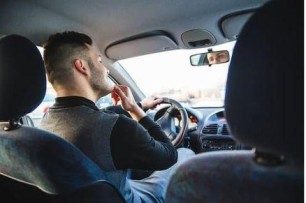
Reasons why underage driving is posing a threat to the lives of other commuters
Learning to drive is a thrilling moment for teenagers. Transitioning from remote-control cars to handling the steering physically boosts the adrenaline for every youth. But this situation can be daunting for the parents. Statistics suggest that parents have valid reasons to be concerned because underage drivers are more likely to be involved in a car accident than any other age group.
Teenagers have better vision, faster reaction timing, and an acute sense of hearing than adults. Then why are accidents more common in this specific age group? In this article, we share the top reasons for accidents involving teen drivers;
1. They think differently, to begin with:
Teenagers are still maturing, and their brains are highly active. Studies have shown that the part of their brain that supervises planning and controlling impulses is still developing. Hence they’re more prone than adults to indulge in dangerous activities and struggle to evaluate the consequences of their actions while driving.
2. Lacking experience:
Teenage drivers are unprepared to make the judgments that drivers must make to be safe. They are still learning the road laws, traffic discipline, and the fundamental operations of a car. Furthermore, being impulsive, as mentioned above, combined with inexperience, lead to disastrous results.
3. Distractions are everywhere:
From smartphones, talkative co-passengers (mostly peers), or the latest track by their favourite artist blasting on the music system, the list goes on for the things that distract the young drivers while driving.
Teenage drivers may be cautious and stay focused to avoid distractions in their early stages of driving. However, the more comfortable they get behind the wheel, the more likely they are to participate in activities like texting on the go, scrolling through their social feed, or searching for a song.
4. Driving under the influence of intoxication:
As they’re underage, they are not legally allowed to drink. If you think from a teenager’s perspective, the safest place to chug some beer is in the car. Driving under the influence of a substance is a significant threat to other commuters as the mistake can adversely affect the lives of many.
5. Seatbelts? Not a need:
According to statistics, youngsters take wearing seatbelts casually. This casual approach leads to injuries and increases the chances of life-threatening situations in case of an accident.
If you're a parent and reading this article, imagining such situations can make you worry. Your best bet is to create a healthy environment with your children by laying out driving rules and ensuring they follow them. Your kids often take you as an example when they drive; make sure you set a good example for them by driving responsibly. Tell them about the possible consequences of their actions and the trouble they can get into. Also, make it clear that they cannot drive without holding a valid driving license.
Many things can be taught to your young one to get started, like wearing a seat belt, avoiding speeding, especially during the darker hours of the day. To give your car additional protection, make sure you invest in good private car insurance. This will help you adhere to the mandatory laws of our country and cover your loved one in case of an accident.
Click HERE to buy new private car insurance today.
Disclaimer: The information provided above is for illustrative purposes only. To get more details, please refer to policy wordings and prospectus before purchasing a policy.
Best tips to protect your car from rodents
At some point in time, you've consciously or subconsciously imagined worst-case situations for your car, including accidents, terrible weather encounters, or theft. Ever wondered about infestation attacks on your car?
Underneath your engine, it's dark and warm - a healthy and ideal environment that suits these little creatures. The chance of your car getting infested by rodents drastically rises during these colder months as your car acts as a shield for them against predators and insulates them from the cold.
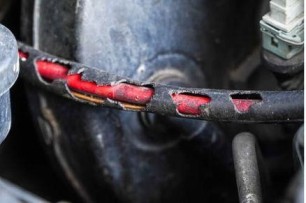
Rodents often cause significant damage to your vehicle by eating wires, defecating, creating nests, and accumulating food inside your engine. To save you from the trips to pest controls and spending your hard-earned money on repairing the damaged parts, we've put out some pointers that will help you in keeping the rodents off of your vehicle.
1. Keep your car moving:
Rodents like to make their base into cars that don't often move. Taking your car out once in a while can help. A moving vehicle won't give them the time to get comfortable, and they are less likely to make the car their camp.
2. Clean your car thoroughly:
Rodents will build their nests in places where they can readily collect food. To begin, make sure your car is free of any dropped food. Vacuum through your vehicle and collect each bit of fallen food, no matter whether it's the snack you ate while stuck in traffic or it's your dog's food. Get rid of the leftovers and trash thoroughly.
If, unfortunately, your car was already home to rodents, the scent of them remains. This creates a possibility that the same creature or someone is attracted to the smell and returns. Be sure to get rid of all the droppings, nesting material, and chewed-up debris.
3. Have an anti-rodent parking space:
Keeping food and water off your garage is equally essential. Rats like to relax and feed in locations that are dark, quiet, and appear to be safe. They dislike being in open spaces. You don't want to have any hiding spots that aren't required. You should keep grain sacks, food containers, and everything else of a similar kind away from your car and the parking spaces.
4. Keep the hood of your car open:
When your car stays parked for an extended amount of time, leave the bonnet open. Additionally, leave a light on above the bonnet during the night time. As we mentioned earlier, rodents love dark places. Keeping the engine area bright makes them less likely to settle in.
*Pro-tip: Focus some lights on your tyres and place traps beside them; this will help keep rodents at bay. Rodents generally enter the vehicle engine climbing through the tyres.
5. Insure your car against animal attacks:
Car insurance helps safeguard the car and the driver and protects against the damages caused by animals, including rodents. The stress on your pockets caused due to the repairs of chewed wires can be immense. Control it by getting comprehensive car insurance today to add value to your car!
Rodent attacks are a common problem in India that frustrates car owners. They bring in unexpected damages and financial losses and, most importantly, leave the car inoperative at the time of need. Follow these tips mentioned above to stop the activities of these little trouble makers early on. If you've already faced an issue with them, take care that you don't repeat the same mistakes.
Click HERE to get the best car insurance in the market.
Disclaimer: The information provided above is for illustrative purposes only. To get more details, please refer to policy wordings and prospectus before purchasing a policy.
Hi there! 👋 Need help with a policy, claim, or renewal? Chat with us instantly on WhatsApp.
Start chat →