


General Insurance Blogs, Articles & Updates by - Magma Insurance
Have us call you
- RENEW YOUR POLICY
- BUY NEW POLICY

GENERAL INSURANCE BLOG

Are you downsizing to a smaller space? Here are five tips to know
Moving to a new house can be an exciting change. And downsizing to a smaller place is beneficial for many reasons, including saving money and getting rid of unused space. However, it can be a challenge to decide which things to take with you and which to give away. If you get emotionally attached to your possessions, this kind of a move may be difficult for you. It's good to have a few tips up your sleeve for an efficient and clutter-free move.
Here are a few things to keep in mind while downsizing your house.
1. Give away or throw away:
One of the effective ways to make room in your new smaller house is by giving or throwing away the items that are no longer in use. For example, if you still have your primary school books or old clothes, you could donate them to the needy. For things that you cannot give away, you can recycle or simply throw them away.
2. Avoid renting storage units:
Storage units can be a great place for storing items when you do not have enough space in your house. They allow you to keep things you no longer use or need. However, before renting one, ask yourself whether you really need it and if you are willing to pay its rent for the next ten years. Remember one rule: if you have not used the item in the last year, you do not require it anymore.
3. Measure out your new space:
It is advisable to measure the dimensions of each room and other vital spaces of your new home. Make sure to get accurate measurements to eliminate any unnecessary furniture that won't fit. Try to manage and utilize the available space smartly to avoid any issues in adjusting to the new environment.
4. Make money for your move:
If you have numerous items that you do not need but can still be used by other people, you can set up a neighbourhood garage sale or resell them online. Create advertisements to generate awareness about your shop.
5. Avoid additional costs:
When you downsize to a smaller house, it can be tempting to buy new furniture that would go with your new place. However, this can cost a hefty amount of money. Think of how you can make the best use of your current furniture, and if you must purchase new things, aim to buy used ones whenever possible.
Setting up a few rules and focusing on what you need and do not need can make your move easier. While you're at it, it might be wise to re-evaluate your home insurance policy. Investing in the best home insurance policy in India will provide you with protection and safety in your new place. If you already have an insurance plan, don't forget to inform the firm about the change in your address to ensure you continue to receive the benefits.
Click HERE to protect your new home with a layer of best home insurance policy in India.
Disclaimer: The information provided above is for illustrative purposes only. To get more details, please refer to policy wordings and prospectus before purchasing a policy.

Insurance renewal: Verify these checkboxes before your buy bike insurance
Owning a two-wheeler not only makes the commute between two places easy, it also becomes a convenient option when you want to skip the traffic.
And, as you notice the several other benefits of using a two-wheeler, you choose the best services for your bike. A well-maintained motorcycle gives the best performance and comfort. Be it the service centre or the insurance provider; you do not want to take either of these lightly. However, owing to the fast-paced life that we are leading, it can become challenging to keep note of the next bike servicing or the renewal of your bike insurance.
Choosing the best insurance provider can be a daunting task, but you can find the best options and renew bike insurance online with little research and time.
This article will look at a few things you need to keep before renewing bike insurance online.
1. No Claim Bonus:
No claim bonus or NCB is a reward that your insurer provides when you have not made any claims in the previous year. An NCB is a testimonial of responsible driving. The benefit is in the form of concessions or discounts for future renewals. Even if you switch or sell your previous bike, your NCB stays with you and is applicable on the next purchase.
2. Coverage:
You don’t need to continue with your previous policy. You can opt for insurance policies that provide better coverage at lower premiums. Over your last term, you must have realised what other services you require. Hence, choose increased coverage or make changes as per your requirements.
3. Setting the IDV:
During every renewal period, it is advisable to change your IDV. You can decrease or increase the insured declared value that the insurance provider is bound to pay you in case of a total loss of your bike. Understanding IDV is crucial to assessing the correct value for your vehicle. Opting for lower IDV means you are underinsuring your motorcycle while choosing higher IDV means a higher premium.
4. Add on covers:
While renewing your policy, you can opt for various add-ons on your insurance cover. This is an intelligent way of reaping more benefits for a slightly higher premium. These add-ons are worth the extra premium. Zero depreciation, passenger assistance, roadside assistance, NCB protection are a few options you can choose.
5. Choose in advance:
It is illegal to drive a bike without valid insurance papers. So instead of waiting for the last minute to change or renew your insurance, it is best to start looking for options before the end of the policy period. This way, you can have ample time to consider various options before you make the final decision.
These are the few things you need to keep in mind before renewing your bike insurance. Do not forget to miss out on the renewal dates, as it can affect the continuity of your policy and other benefits.
Choosing the right insurance can be a challenging task, but do not be afraid to ask questions to your insurance provider to clear your doubts. Their job is to help you figure out the best options for you. Read reviews online, as they can help you assess the credibility of the company you are opting for. You can renew bike insurance online quickly and efficiently with these things in mind.
Click HERE to renew bike insurance online.
Disclaimer: The information provided above is for illustrative purposes only. To get more details, please refer to policy wordings and prospectus before purchasing a policy.
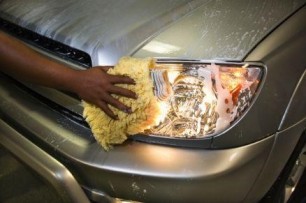
Take care of these things related to your car's headlights before setting off on a road trip
The thought of a road trip gets us all excited. It sure becomes very energetic, fun, and memorable with all our close family members and friends. As a thumb rule, you always double-check everything on your “packing list” to ensure you don't miss out on any essential item.
If you do this for yourself and your family members, how about double-checking your car before starting a road trip? Your car’s headlights also play a vital role in ensuring a safe journey during the night and avoiding any mishaps on the road.
In this blog, we will be discussing the checklist for the headlights of your vehicle that you need to take care of before starting your trip.
1. Got a fuse problem:
Check and see if you gather all information regarding the fuse blowout of your headlights. If you are sure of the damage, examine for loose wires. If you find any issues, fix them at the earliest. And if nothing works, replace the headlights (especially if there is a high beam bulb problem).
2. Do not delay replacement:
Examine the light emitted from your car’s headlights. Do you suspect that they have dimmed? If you conclude that your lights have dimmed (called burnout), you must replace the headlights with new ones to avoid risking your safety on the road, especially during the night time. Uneven terrains and night driving can be risky when you have burnt-out headlights. It poses threats of accidents and compromises the car's safety, the driver, the passengers, and other vehicles on the road.
3. Make smart changes:
Whenever you feel that there is a need to replace the light bulbs of your car's headlights, always make sure that you do so in pairs. If the light has dimmed, exchange the old bulbs for the new ones in twos. That way, it would make the headlights consistent instead of one old and one new light bulb, which would create a difference in the intensity of the light beam. It would make it difficult for other drivers to understand the indication and affect your visibility on the road.
4. Align the beams of light:
Turn on the headlights of your car and check the light beams closely. Make sure that the light is aligned and aimed at the road. If the light is directed towards the vehicle approaching your direction, it may cause an accident as the other person would find it difficult to see what is in front of them. This would result in a fatal crash endangering car occupants and other vehicles on the road.
These were some tips you could take care of related to your car’s headlights. Few other pointers include upgrading the versions of headlights compatible with your vehicle and other DIY hacks for which you wouldn’t always need a professional mechanic to help you with minor replacements, etc.
And while you ensure the checklist of your car’s headlight before heading on a trip, it is also essential to verify that your car insurance is updated. Keep track of your car insurance renewal dates to avoid interruption in the benefits and save your policy from lapsing.
Click HERE to know more about car insurance renewal.
Disclaimer: The information provided above is for illustrative purposes only. To get more details, please refer to policy wordings and prospectus before purchasing a policy.

Implement these tips to ensure the safety of truck drivers by minimizing accidents
Driving trucks is considered to be a dangerous job in many countries. It requires more strength, focus, and training to drive a massive vehicle. Most trucks have more than six tyres, whereas large trucks can have eighteen wheels and more. Truck drivers have to be very cautious operating such heavy machinery with material weighing tons. They need to be careful on a busy road with smaller-sized vehicles around.
Trucks are an integral part of the transportation and logistics teams. They help move various supplies around several industries and within different sets of factories within a single sector.
In such scenarios, the training of truck drivers becomes essential. By training them about the rules and safety measures, you protect them and avoid the risk of accidents and subsequent medical costs and insurance claims. But what are specific pointers for truck drivers that they should follow strictly?
This blog will discuss all the measures they can take. Implement these tips to ensure the safety of truck drivers by minimising accidents.
1. Stay patient:
While driving such a giant vehicle, truck drivers need to ensure that they are calm, relaxed, and attentive. Even the tiniest anger or frustration can distract drivers who can have severe accidental consequences and potentially cause heavy damage to the truck, other vehicles, and people on the road. Drivers must avoid any road rage behaviour and mindset even when cut off or honked by other drivers on the road.
2. Seatbelts are a must:
Wearing your seatbelt is a universal rule for all four-wheelers and above. Trucks bear no difference here. It is even more necessary since trucks are enormous, and maintaining balance, sudden jerks, close calls with other vehicles, and poor road conditions can be tricky for a driver. You can lose momentum and control of your body during such sudden movements and putting your driving at risk.
3. Be on the lookout for blind spots:
Blind spots can make your life challenging as a truck driver. It is often difficult to see the positioning of other cars, and the side view and rearview mirrors might not be of a huge help due to the height and captured visibility. Hence, while driving the truck, it is suggested that they leave a gap around the corners. Keep a watch manually while changing lanes to avoid the risk of blind spots.
4. Use signals correctly:
It is crucial to know what each signal means and how it would impact you and other vehicles on the road while moving. Give the proper indication so that the car around you knows which direction you might be turning. Leaving the other drivers on the road hanging and anticipating your next move can cause dangerous collisions and accidents.
Other tips include carrying a bag of spare essentials for emergencies, avoiding alcohol before and while driving, having spare parts and tools handy, not using cell phones or any other gadgets while driving, etc. These measures are quite common and essential to implement earnestly.
That’s a wrap on how you can implement these tips to ensure the safety of truck drivers by minimising accidents. It is equally important to take care of your truck since it encounters different terrains, and long distances can cause wear and tear of the tyres and damage other parts. For such sudden circumstances, motor insurance will safeguard your vehicle. You can explore your options and buy motor insurance online to provide firm protection to the big machine.
Click HERE to know more about how you can buy motor insurance online.
Disclaimer: The information provided above is for illustrative purposes only. To get more details, please refer to policy wordings and prospectus before purchasing a policy.

Let us know more about 'Act of God' insurance and their clauses
The events that are not under any human's control, cannot be predicted, and are bound to happen, are called an "act of God." The unavoidable destruction caused by natural disasters, including earthquakes, floods, cyclones, volcanic eruptions, asteroid collisions, etc., are considered "act of God". One cannot estimate these vast events, and occurrences cannot be counted at their time of happening. They happen, and humankind must bear the passive consequences of such active events.
Did you know that insurance covers damages due to “act of God” events? Let's learn more about the chronology of events and decisions taken by the government and other companies and help you become more knowledgeable about insurance and its clauses.
1. What exactly is the "Act of God" insurance?
This insurance covers damages and losses done due to incidents that come under the act of God. But if there is any harm or damage done to the property due to human ignorance and negligence, family dispute, etc., you will not be reimbursed and covered through the act of God insurance.
2. Is the "Act of God" coverage the same everywhere?
A lot of similar events are covered in the act of God insurance. The similarity is relatively high. But certain events might be an odd one out in a policy and is not included for other circumstances. You need to keep yourself up to date with the clauses, terms, conditions, prices, renewal rates, exceptions, etc.
3. Do you need to assess your insured properties and assets?
You need to evaluate your properties, assets, etc., that are insured. It is essential to assess the risks of those possessions and chart out the potential risks that can happen under God's name. This will help you clarify the dangers and negative possibilities and how you could recover from them using the liabilities that come under the act of God insurance. These risk evaluations will help you reap the benefits and help spread awareness about the act of good insurance and its pros and cons.
Another important clause is the extreme climate conditions you need to be aware of. You must purchase the act of God insurance for third-party protection and security of your properties, etc., against all unavoidable dangers. The policy is eligible for termination if the authorities observe any inconsistencies, negligence, zero remorse, and rectification of mistakes. Examine the policy in detail and watch for any hidden clause and terms and conditions that might devoid you of the "Act of God" insurance benefits. You need to present the proof of these events to claim your insurance and reap the benefits that come along with it. Also remember, insurance companies may limit the coverage for acts of God under some specific terms and conditions.
Apart from the "Act of God" events that you might or might not see coming, you need to take care of the risks which can make you liable/responsible for inevitable mishaps (e.g., a machinery accident in your factory causing injuries to the workers). You need to purchase public liability insurance in India to cover such alarming accidents. Explore your options and determine which insurance plan suits you and your business's needs.
Click HERE to know more about the best public liability insurance in India.
Disclaimer: The information provided above is for illustrative purposes only. To get more details, please refer to policy wordings and prospectus before purchasing a policy.
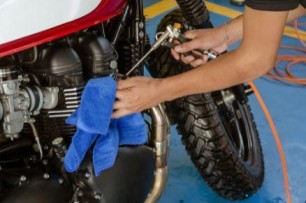
These good habits can increase the longevity of your two-wheeler
As a bike owner, you enjoy all the perks that come with it. Whether going to the nearest grocery store to get your monthly supplies or taking an impromptu long trip, one can not deny the many benefits of owning a two-wheeler. But as with great power comes great responsibility. Having a bike also means dedicated time to take care of it. So, it is your responsibility to keep your bike moving and functioning.
Irrespective of how often you drive your two-wheelers, it is susceptible to daily wear and tear. It is, however, possible to increase the longevity of bikes to some extent.
In this article, we will take a look at a few ways in which you can increase the longevity of your two-wheeler. Extending a bike’s life is not a very challenging task. You need to be slightly attentive to the signs indicating any faults and provide regular upkeep without constantly worrying about maintaining it.
1. Regular servicing:
Regular servicing ensures that the bike performs optimally. Your service cycle depends on how old your bike is. Speak to an expert and understand the servicing cycle for your two-wheelers. Things such as changing engine oil, ensuring proper functionality of brakes, checking for corrosion are a few things to note during the next servicing.
2. Riding habits:
The lack of coordination between the clutch and gear affects the bike’s performance in the long run. This puts an unnecessary load on the engine if done constantly. Giving ample time to yourself to understand gear shift and the bike's speed will help you perform better on the road.
3. Manage the load:
Overburdening the bike during long road trips can have dire effects on the vehicle. You must balance out excessive workload with regular maintenance. However, if you overload the bike with minimal aftercare, the bike is bound to break down eventually.
4. Keep it clean:
Maintaining your bike through regular cleaning can help you increase the functionality of your two-wheeler. Use soaps specifically meant for your bikes to wash with water and a cloth. Always wipe the bike thoroughly after every wash. After driving through rains or dirty tracks, wipe down your bike to avoid dust and dirt accumulation to avoid corrosion.
Dust and dirt can affect the engine’s functionality and spoil the paint job on the vehicle. A dirty bike is more susceptible to various problems such as rusting that can impact its overall performance.
5. Take note of minor changes and problems:
Usually, vehicles produce different sounds or low-performance levels as an indicator for various problems that are likely to arise. Do not neglect the problems, immediately take your two-wheeler to the service centre and get it checked thoroughly.
These were a few things to keep in mind if you want to ensure a long life for your two-wheelers. Sometimes no matter what you do, your bikes can still cause troubles and might need extensive servicing and change in parts. All changes said and done can come out to be pretty expensive.
It is a wise option to invest in 2 wheeler insurance to cover the damages, cost involved in repairs, and replacement of parts. Buying an ideal 2 wheeler insurance is also a good habit of increasing the longevity of your two-wheeler and can be beneficial for it to cover more distances.
Click HERE to know more about 2 wheeler insurance.
Disclaimer: The information provided above is for illustrative purposes only. To get more details, please refer to policy wordings and prospectus before purchasing a policy.

These can be the probable reasons for your bike failing to start
It can be highly frustrating for any rider to turn the key in the ignition, and the vehicle fails to start. There are several reasons for your bike giving way and facing trouble starting smoothly. While a motorcycle's design is simple to understand, it can be challenging to point out the reasons for these ignition issues. However, knowing about the possible reasons causing these issues is essential in maintaining your vehicle and fixing these problems.
You may consider the extreme winter season to be the main reason your bike fails to start, but there are several more. While you can always rely on bike insurance for critical problems, you can read the points below to learn the probable reasons for the two-wheeler failing to start.
1. The battery is weak or dead:
Some two-wheelers are designed to start using an electric self-start. Their motor is dependent on the battery. If this motorcycle does not start when you press the self-start button, it could be because the battery did not transfer a sufficient charge to kickstart the motor.
A weak or dead battery cannot provide this high voltage to the engine, and therefore, the electric self-start won't be operational. In this case, you may have to call a mechanic to either recharge or replace your bike's battery.
2. Too cold:
This frozen state of the bike is caused mainly due to extreme cold weather conditions. Combustion doesn't occur correctly as the gasoline in the vehicle doesn't evaporate when mixed with air. There might be ice build-up that is causing the malfunction. You can use a space heater directly on the engine for 15-20 mins to get your motor running.
3. The fuel tank vent is clogged:
Since the fuel tank vent in most motorcycles is too narrow, it becomes inconvenient to supply fuel to the intake system consistently. The vent can get clogged due to no regular maintenance and cleaning, and the fuel supply gets restricted. If you find yourself stuck in this mess, try to unclog the duct with a thin pin or get it cleaned.
4. Blocking intake or exhaust:
A blocked airbox or a blocked muffler exit may be another significant reason your bike won’t start easily. The motorcycle’s mechanism is dependent on the intake and exhaust system, and your bike will give away if it is restricted or clogged for some reason. Get it checked by a professional as soon as possible to avoid further damage.
5. The clutch does not engage properly:
The clutch lever needs to be correctly pulled to start your bike successfully. Often, problems can occur in the ignition when the clutch does not engage correctly. Try again by bringing your transmission into neutral and then starting the bike. Sometimes, riders turn off their bike while in gear and forget to put it back into neutral. You must set your bike into neutral and start again.
6. Problems with the spark plug wire:
A loose or cracked spark plug wire can also cause your bike to fail to start. Constant heating of the engine will eventually deteriorate the material of the wires in the motorcycle over time. Places with extreme weather conditions can be a catalyst in the cracking of the spark plug wire. If you find any cracks or slits in your bike's wires, replace them to avoid any issues.
These are a few likely reasons why your bike may fail to start. While investing in a reliable bike insurance plan can secure your vehicle by covering the expenses involved in the garage repairs, it is essential to know about the issues that could arise with your two-wheeler. Being aware and getting to the root of every problem can avoid future losses.
Click HERE to buy a comprehensive bike insurance plan for your new bike.
Disclaimer: The information provided above is for illustrative purposes only. To get more details, please refer to policy wordings and prospectus before purchasing a policy.
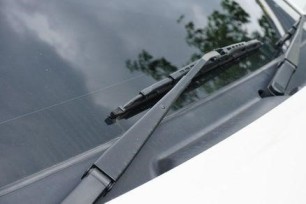
Here's why windshield wipers are important
What are the primary things that come to your mind when you think of car maintenance? Oil changes and engine inspections. But what most of us forget are windshield wipers. These underrated blades are just as crucial as the engine of your vehicle. We do not need them often, and wipers don't seem to do much in our daily driving. So, it's assumed that they don't require much attention. However, during unexpected changes in the weather, wipers are an integral part of your vehicle maintenance to ensure safe driving.
Why are car wipers important?
The first pair of wipers for cars were made back in 1903, and since then, their use has advanced significantly. These key technologies improved car safety and allowed drivers to travel in adverse weather conditions. Latest windshield wipers come with a variety of enhanced functions and settings. Modern devices have been built to be simple to use, effective, and maintain clarity while driving.
Importance of maintaining wipers:
It is common knowledge that clear vision is the most critical driving component. Appropriately functioning wipers are a way to ensure complete visibility for the driver.
If you don't repair your windshield wipers on time, the blade may tear and break away from the wiper. As a result, the bare metal or plastic wiper arm can scratch the windscreen as it scrapes over it. Damaged windshield wipers can also produce scratches on your glass, resulting in higher repair costs. It's far easier to examine and change your wipers regularly than paying for windshield repairs.
Windshield wipers' care varies from place to place, depending on the region you live in and their frequent use in the vehicle. However, the wiper blades are supposed to be replaced every six months.
How to clean / replace your wiper blades:
Regular cleaning of the wiper blades should be done to increase their efficiency. You may begin by wiping the wipers down with clean towels and mild detergent. Then clean the edge of the blade with a towel soaked in alcohol to get rid of any leftover grime and dirt.
Replacing wiper blades regularly is a low-cost investment in your driving security. To begin, measure the durability of your wiper blades or consult your car's owner's handbook for the correct information. After that, you may buy and install fresh blades. Next, lift the arm of the windshield, press on the little button under the wiper, and slide the blade off downhill to remove the old blades. To swap the blade, tighten the new blade onto the arm. When done, a clicking sound should be heard.
Safe driving requires total visibility of the front view while you are in the driving seat. When rain or snowfall strikes, be sure you're ready with a clean windscreen. Therefore, ensure to inspect your wiper blades regularly and replace them when required. Also, add washer fluid and make sure to maintain the right combination. Maintaining your wipers and washer system is a simple and inexpensive method to keep you and your family safe while driving. Also, do not forget to invest in a reliable motor insurance India policy to keep your vehicle insured and obtain the benefits that it has to offer.
Get the best motor insurance India policies HERE .
Disclaimer: The information provided above is for illustrative purposes only. To get more details, please refer to policy wordings and prospectus before purchasing a policy.
Hi there! 👋 Need help with a policy, claim, or renewal? Chat with us instantly on WhatsApp.
Start chat →