


General Insurance Blogs, Articles & Updates by - Magma Insurance
Have us call you
- RENEW YOUR POLICY
- BUY NEW POLICY

GENERAL INSURANCE BLOG

The truth about theft insurance
With gated communities and technologically superior security systems, theft has significantly reduced in our country; however, as with any other type of risk – it can only be minimised, not eliminated. Its consequences also are not limited to your financial losses but also includes trips to the police station, affidavits, reams of paperwork, fear and trauma, leaving you depleted in all senses of the word.
This is where theft insurance comes in. Getting financial protection for your loss sure does take a load off your mind if an unfortunate incident does take place. Read on to find out more about theft insurance and how it works.
Theft insurance is essentially a plan that will cover you for any losses arising from burglary, robbery, etc. Not only does the policy cover you for the loss of valuables but also for any damage to premises, furniture, fixtures and physical assault during the attempt. Insurance providers such as Magma HDI also cover temporary security expenses so that you and your loved ones can feel safe again. Thus, you can rest assured that your insurance plan will take care of all your needs.
Important points to remember
- It is imperative to carefully go through your policy documents to understand the coverage, terms and conditions, exclusions etc. provided to you. For example, when looking to travel extensively, some insurance companies will ask you to intimate them if the premises will remain unattended for an extended period of time.
- The claims process for any insurance policy holds immense significance for all of us. Under a theft insurance policy though, theft and burglary are two separate events while filing your claim. While theft is a non-violent and unforceful entry into your premises, a burglary involves a forceful or violent attempt by breaking in/ tampering in order to rob you. Usually, you would need a separate cover for either peril, but nowadays insurance companies in India provide coverage for both through a single policy.
Ideal coverage
A common dilemma while opting for a Theft Insurance Policy is determining how much coverage you need. An important point to remember while making this decision is that your coverage will be limited to the sum assured by you. So, if you have assets worth 20 lakh in your home and have a coverage of 5 lakh, the insurance will only cover the loss till the extent of the sum assured. To avoid getting inadequate coverage, it is important to assess the worth of all your insurable assets and look for an insurance plan that gives you coverage based on your needs.
Exclusions
There will inevitably be a few exclusions to your cover. For example, some theft insurance policies do not cover cash or cash equivalents, stocks and share certificates, agreements and title deeds. Similarly, you may need to purchase a rider to cover for precious metals such as gold, silver, etc., precious stones such as diamonds, and other art and antiquities. Thefts committed by family members, house help or employees, loss arising due to riots, terrorism and war are excluded as well.
A final tip for you is staying on top of your policy. Reassessing your coverage needs periodically, especially when adding new inventory, expensive machinery or valuables will ensure that your financial risk is minimised in case of any unforeseen incidents.

Easy ways to choose affordable health insurance
Medical facilities in India have now achieved the status of being “world-class,” allowing the people of country with access to best treatment within the country. This improvement in facilities has come along with a substantial increase in medical expenses. As a result, purchasing health insurance in India has become a necessity because covering medical expenses from your own pocket has become virtually impossible. In fact, if your parents are in their older years, you must opt for health insurance in india for parents to allow them access to best-in-class treatment for their ailments, without jeopardising their financial future. Due to the efforts of the Government and leading insurance companies, awareness regarding health insurance has improved significantly in India.
With multiple insurance companies operating in India and offering various health insurance plans, it is certainly possible that you are confused regarding the best option. If you are unsure regarding the best policy for you, then read on to know about the easy ways to choose affordable health insurance:
- Understand your requirement: Firstly, understand the extent of coverage you require. This will depend on numerous factors like your age, family size, premium affordability, and future health requirements. Moreover, if your parents do not have a health cover, then you must get health insurance in India for parents. Also, there are various additional covers available, which can come handy in case of certain conditions.
- Coverage for ailments: Nowadays, there are several health insurance policies that offer coverage for specific critical illnesses. You need to ascertain the type of diseases you wish to cover under your health insurance policy before opting for an option.
- Coverage for pre-existing ailments: Different health insurance policies offer different waiting period for pre-existing illnesses. You need to identify a plan that has a minimum waiting period. This will save you from unexpected hospitalisation expenses in case you need treatment for the ailment before the completion of the waiting period.
- Claim-settlement ratio: This ratio signifies the percentage of claims that the insurer settles out of every 100 claims received. You need to opt for an insurer with the highest claim settlement ratio so that your claim would not be rejected for any frivolous reason.
- Cashless hospitalisation: Different insurance companies have agreements with different TPAs (Third Party Administrators). These different TPAs have different hospitals on their panel. You should opt for an insurer who offers maximum hospitals for cashless treatment. Moreover, the hospitals near your home should be covered under the panel of the TPA, as it would convenient for you in the need of emergency.
- Compare the premiums: Last but not the least, make it a point to compare the premiums of different insurance companies. For the same extent of coverage, different insurance companies charge different premiums. Nevertheless, there are various plans that offer cheaper premium but also have reduced coverage. There are various online platforms where you can easily compare various health insurance plans, their coverage, and other essential parameters.
The importance of choosing the right health insurance plan cannot be neglected as it is directly associated with your health. So, never rush but always make an informed decision after carefully comparing various crucial factors affecting your health plan.
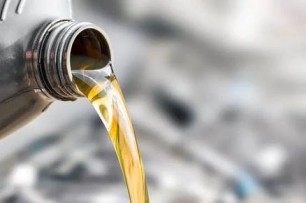
Let's understand the difference between regular and synthetic motor oil
Routine oil change ensures that your vehicle’s engine is in good shape. Moreover, it guarantees that the machine operates on high-quality motor oil thus improving its performance and the engine’s life. But which oil is suitable for vehicles - regular or synthetic?
Most people believe that oil does not make a significant difference in the performance of your car, but that isn’t the case. The type of oil used for your motor impacts its well-being and durability. So, to secure your car’s engine, be attentive to the requirements regarding its oil.
Let's quickly look at the aspects that differentiate these two types of oils before you pick a side.
What exactly is Regular oil?
Regular oil or conventional oil is a blend of crude oils and additives that meets the minimum requirements for engines and is commonly used in older or low-mileage vehicles. Depending on the manufacturer and pricing, these oils can range from mediocre to excellent grade.
What is Synthetic oil?
Synthetic motor oil combines high-quality additives that provide the finest engine protection. It can help with engine cleanliness, heat prevention, and engine endurance. It is usually suggested for all current and new-age automobiles due to its benefits of providing the highest engine protection.
How to determine which oil is better for your vehicle?
The ultimate way to choose which oil to go for is by reading your vehicle’s user manual, which states the correct oil for your motor. However, other minor factors contribute to decision-making, such as the age of the vehicle, usage, way of driving, and so on.
Advantages of Regular vs. Synthetic oil
1. Regular (Conventional) oil:
• The most obvious advantage of choosing conventional oil is that it won’t burn a hole in your pocket.
• It is readily available and a good choice for drivers and mechanics to get their hands on.
• Well suited for older motors.
• Many motor companies and mechanics advise using traditional oil for older vehicles and low-mileage vehicles.
2. Synthetic oil:
• Synthetic oil is composed of homogeneous molecules that reduce friction in the engine.
• Synthetic oil is also more refined, resulting in fewer deposits in the engine. It is purer and has fewer contaminants.
• It is improbable to break down and hence has higher durability.
• It lasts longer; thus, your motor won’t need frequent trips to the mechanic for an oil change.
The decision between conventional and synthetic motor oil depends on where and how your vehicle is used. Consult the owner’s handbook to ensure you’re using the recommended oil for your car. It will also inform you of the proper distance periods between oil changes.
You should timely replace your motor oil, whether you use regular or synthetic motor oil. Like the oil for your engine, investing in good motor insurance is always the right thing for your vehicle. Using motor insurance with limited features will not provide you complete protection to your car against financial emergencies during any breakdown. Therefore, make sure to browse through the options before purchasing the best one for your vehicle.
Are you looking for a suitable motor insurance? Click HERE .
Disclaimer: The information provided above is for illustrative purposes only. To get more details, please refer to policy wordings and prospectus before purchasing a policy.
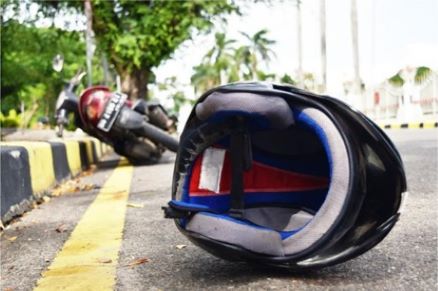
Five reasons why parents should not give in children's demands for bikes
Bike riding by teens is becoming one of the most common sights nowadays. Many teenagers feel independence and pride as they no longer depend on their guardians to drive them to places. As a result, adolescents have the irresistible urge to flaunt their expensive bikes and lethal driving skills in front of their peers.
You will come across many road accidents reported on the news channels every day. According to research, a person travelling in a commercial plane is less likely to die than riding a motorcycle on Indian roads.
Unfortunately, minors don't take into consideration the consequences of mindless driving. Even some parents allow their kids to drive because they think the worst that could happen is receiving fines from traffic police. However, outcomes can be much severe. Also, your bike insurance won't help you in case of death due to underage driving.
In this article, we share five reasons why parents should not give in to children's demand for bikes.
1. Legal consequences:
The Motor Vehicles (Amendment) Act of 2019 states that the guardian or the vehicle owner shall be held liable for the infringement and shall be punished accordingly. Imposition of a fine of Rs. 25000 with three years of imprisonment will be made if your ward drives in an illegal driving age. The minor may have to go to court as well and face trials under the Juvenile Justice (Care and Protection of Children) Act resulting in the cancellation of the vehicle's registration.
2. They are not yet matured:
An individual needs to be cognitively mature to drive fast cars and bikes. For example, adolescents may feel the thrill of getting an adrenaline rush when riding a motorcycle at high speed. But, what they don't understand is that their brains are not yet mature enough to handle it.
3. Road accidents:
According to International research, the possibility of underage drivers being involved in a road accident is four times more than adult drivers. Road accidents are among the top causes of death and injury for people between the age of 16 to 20. Reasons are inexperience, distraction, poor driving judgment and decision making, alcohol consumption, and lack of adequate driving skills.
4. Financial drain:
Financial drain is not seen as a problem by many. But believe it, accidents can take a toll on your life savings. In some cases, insurance does not cover the cost of the damage or third party insurance. Plus, if the crash leads to any chronic health problems, then you will keep drowning in the hospitalization bills for the rest of your life.
5. Physiological trauma:
We often overlook the matters of mental health. But unfortunate events like this can be very traumatic. If you or your dear ones have been in an accident, you will likely have anxiety and panic attacks in the future. The memories of tragic accidents can cause mental health problems to the young, and the memories are enough to last you a lifetime.
Prepare yourself for your teen to take the wheel:
If you have a teenager in your family who will be of legal age to drive soon, distance your kids from any such bad experience. Being a good driver and role model, you can instil safe driving habits in your teen. For example, you can re-familiarize yourself with your vehicle's safety features and discourage phone use while driving.
Safe driving has an immediate payoff to you and your teenager by keeping accidents and violations off a teen's driving record.
TO KNOW MORE ABOUT THE DIFFERENT BIKE INSURANCE, CLICK HERE…

Five misconceptions about Two Wheeler Insurance
Whether you decide to buy 2 wheeler insurance online or otherwise, many myths and misconceptions are associated with it. It is important to have all the information about the insurance policy that addresses your requirements before buying two-wheeler insurance.
Having a two-wheeler insurance assures you to handle whatever the road throws at you, giving you peace of mind and letting you enjoy riding without a worry.
Please also remember that as per the Insurance Regulatory and Development Authority of India (IRDAI), every two-wheeler owner must buy a third-party liability insurance for the vehicle.
Here we bring five common misconceptions that often lead you to settle for something less worthy.
1. It is risky and complicated to buy 2 wheeler insurance online:
We agree that buying insurance online can be tricky sometimes. But, not if you purchase insurance from a recognized company that has a good market reputation. It is advisable to do some research on the company, check the credibility and Claim Settlement Ratio (CSR) before purchasing. It is easier to buy two-wheeler insurance online; all you need to do is log on to the insurance provider's website, fill in your and your vehicle's details, select your plan, and you will get a quote for the premium amount. Make the payment through the secure payment gateway provided by the company and receive your policy document online.
2. Third-Party liability cover is enough for insurance:
As mentioned earlier, third-party liability insurance is mandatory in India. However, it does not mean that having only third-party liability insurance is sufficient. It only covers the losses of the third party. Accidents can cost you much more than you can think. Therefore, it is advisable to go for a comprehensive plan. A comprehensive plan not only covers the third party but also the damages to your two-wheeler and your hospitalization costs in case of an accident.
3. The pillion rider is covered under insurance:
People often assume that the co-passengers get protection by the policy too. And it's one of the biggest misconceptions. In case of an accident where the pillion rider faces injuries, their hospitalization charges are rarely covered under insurance. However, there are many add-ons available for personal accident covers to resolve the issue of pillion riders.
4. You can cancel your insurance policy without any consequences:
To some extent, it is true. You can certainly cancel your policy, but some additional cancellation charges/fees apply to it. Also, note that it is illegal to ride a two-wheeler on Indian roads without an active and valid insurance policy.
5. Premium depends upon your credit score:
Many owners feel the need to maintain a good credit score to bring down the premium, which is not true. The credit score is not a criterion as there are many other factors like age, make and model, IDV, previous insurance records to determine the premium rate. So, even if you have a low credit score, you can still get a reasonable low premium.
It is advisable to research on your own before buying any policy. Steer clear of such misconceptions that lead you to make bad decisions.
WANT TO KNOW MORE ABOUT THE FEATURES OF 2 WHEELER INSURANCE ONLINE. CLICK HERE…

Know more about the types of fires and the ways to tackle them
In residential complexes or workplaces, fire situations are severe risks to the safety of people and assets. Understanding fires and putting best preventive policies are crucial for the administrative unit of the buildings. Knowing the different fire classifications will make selecting the best fire solutions much easier.
Water, carbon dioxide, foam, vaporizing liquid, and dry powder are the six primary varieties of fire extinguishers available in India. Remember that not all fires are the same, and not an extinguisher can put off all types of fires; therefore, it’s critical to know about their classes. In this space, we'll take you through the types of fire and the correct type of extinguisher needed to tackle them.
1. Class A (General Fires):
These fires are caused by common flammable materials such as wood, plastics, textiles, paper, and rubbish used in homes, workplaces, enterprises, and industrial settings. Class A fire flames are less damaging and can be put out quite quickly.
How to put out class A fire: The best way is to use a water or foam fire extinguisher. You may simply use tap water to put out this type of fire since it removes the fire's heat source.
2. Class B (Liquid Fires):
Combustible liquids and gases such as gasoline, oil, kerosene, paints, and gases such as propane and methane are the most common sources of class B fire. Typically, these fires occur in industrial settings that deal with petroleum and gas products.
How to put out class B fire: You need to cut off the fire’s oxygen supply to prevent the fire from spreading rapidly. Carbon dioxide, Powder, and Foam based extinguishers work best to combat Class B fires.
3. Class C (Electric Fires):
The primary source for class C flames is electric components. Short circuits are frequently the cause. Industrial buildings with heavy electrical equipment that consumes a lot of electricity are prone to these hazards. They can occur in households and small businesses as well.
How to put out class C fire: Class C flames demand prompt power shutoff and the usage of non-conductive chemical fire extinguishers such as CO2-based. You can even opt for powder-based fire extinguishers.
4. Class D (Metal Fires):
Combustible metals such as aluminium, magnesium, potassium, and titanium are the principal source of Class D flames. The majority of Class D fires occur in laboratories. On the other hand, combustible metals are employed in various industrial manufacturing and production processes, which raises the risks of class D fires in those industrial premises.
How to put out class D fire: Powder-based extinguishers that absorb heat and suppress the flames are the most effective tools to put out the fire under this class.
5. Class K (Cooking Fires):
Class K fires are often confused with the class B fires. This is because they share the same fuel source, which is combustible liquids. However, class K fires are significantly distinct. These fires typically occur in kitchens during food preparation. Cooking ingredients such as cooking oils and vegetable/animal fats trigger and fuel the flames. Class K flames are deadly and may wreak havoc in a short amount of time. They are commonly seen in restaurants and houses but can occur anywhere there is cooking involved.
How to put out class K fire: foam-based, wet chemical extinguishers work best on class K fires.
Now that you completely understand the origins of all these different types of fires and how to put them off. You should determine which fire extinguisher to keep at your disposal at all times. And don't forget only to purchase an ISI-certified extinguisher.
As the famous saying goes, “hope for the best and prepare for the worst,” while you’re out there searching for the ideal extinguisher, protect yourself and your assets with general insurance. Get a general insurance online quote today and add value to your assets.
To get general insurance online quote, click HERE .
Disclaimer: The information provided above is for illustrative purposes only. To get more details, please refer to policy wordings and prospectus before purchasing a policy.
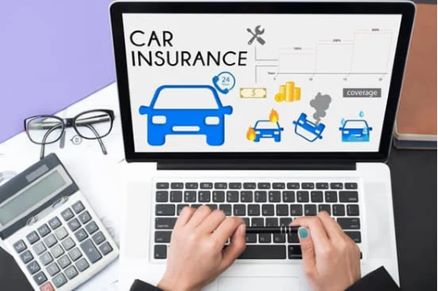
Five Car Insurance blunders you need to avoid
The Motor Vehicle Act of 1988 requires all vehicles to be insured by adequate insurance coverage before they are driven on the road. As the country advances digitally, it is more obvious now than ever to purchase insurance or get a car insurance renewal with just a few clicks online.
At the same time, the increasing number of insurance rejection cases has become a serious concern to both insurance companies and policyholders. Many policyholders fall victim to a riptide of errors by selecting the wrong car insurance giving them more headaches than benefits.
In this space, we will talk about some common mistakes that you can avoid while renewing your car insurance or getting a new one.
1. Don't forget to compare policies:
There is an array of companies that provide car insurance services, and each has its own features and benefits. Take the help of web tools to compare the regularly purchased policies in the market and choose the one that offers the best benefits for your vehicle.
And, it doesn't end there. Do more study and read the terms and conditions of the policy document. Consider all the hidden charges and provisions before you purchase it.
2. Showing your back to online insurances:
By not doing so, you will prevent any unnecessary payments such as fees of intermediary agents, paperwork, etc. Insurance firms are encouraging insurances at reduced prices to online consumers since they believe they are informed and cautious. The online method simplifies the customer's buying experience with multiple plans focusing on the requirements, efficiency and attractive pricing.
If you are looking for a convenient and user-friendly method of buying car insurance, online is always a good option.
3. Avoid opting for basic third-party insurance:
Many car owners decide to get car insurance just to comply with the government rules and hence simply end up purchasing third-party insurance to save money on the policy premium. But, unfortunately, these insurances only cover the third party's injury and not the policyholder or the vehicle.
Given the hefty repair costs or total loss, it is logical to get comprehensive vehicle insurance covering all hazards. Make sure you do not choose only "third-party insurance", as it will get you in more trouble than convenience.
4.Right choice of add-ons:
Adding the add-ons isn't all of it! Maintaining a proper add-on balance is essential to enjoy maximum benefits with a long-term perspective. Adding excessive add-ons will cost you a hefty premium, whereas not including any add-ons will result in inadequate coverage.
You should be sensible to leave the add-ons that are not serving your purpose. It helps save you a handful of money on an annual premium.
Here is the list of some of the add-ons that you must have:
● Zero Depreciation
● Road Side Assistance (RSA)
● Engine protection cover
5. Read the insurance documents carefully:
A vehicle insurance policy paperwork may appear to be exhausting and requires immense reading. Many automobile owners feel it irrelevant to read the entire document and thus ignore reading the policy papers. However, they are unaware of how necessary it is to verify specific things mentioned in the policy.
Even if you do not read it word by word, it is imperative to confirm the features promised by the insurer. This will go a long way toward avoiding issues during a claim.
Here are few of the details that are important to verify in any policy document:
● Policy holder's name and contact details
● Vehicle registration number
● Engine and chassis number
● Insured Declared Value (IDV) of your car
● Policy coverage
● No claim bonus
● Other T&Cs
Final Thoughts:
Be a responsible buyer and go into the depths of every insurance policy that you may deem fit for your valuable vehicle. Making quick decisions is worth it only if your decision is a smart one. Insurances are meant to provide financial security to your belongings, so you should avoid making blunders while buying them.
READ MORE ABOUT THE BEST CAR INSURANCE RENEWAL POLICIES ONLINE HERE…
Best tips to reduce premium of your two wheeler
Two-wheelers like scooters and motorcycles are the most commonly used vehicles due to their fuel efficiency and ease of use on congested roads and streets. As a result, the number of two-wheelers sold is several times that of cars. But, at the same time, more two-wheelers fall prey to numerous road accidents daily.
Two-wheeler owners must get their vehicles insured as it protects them financially against any accident. Unfortunately, people always assume that insurance is an expensive liability as it drains the money in premium and is rarely used. People fail to understand the importance of having insurance cover for those unfortunate events.
Whether you just have basic liability insurance or comprehensive coverage, it's important to ensure that you're getting the best deal possible. In this article, we bring seven strategies to reduce the premium of your two-wheeler insurance.
1. Compare policies:
Start by comparing different policies and their features. It makes sense to examine two or three companies, just in case, there is a better policy with lower prices out there. There are many policy comparing tools available online to help you estimate the insurance premium. You can also find multiple plans directly from the websites of reputed insurance companies that come with the best features and premiums.
But remember here, a lower premium doesn't always mean a good deal, and going with the lower-quoted company isn't always the sensible decision.
2. Add-on covers:
Add-on covers are great to increase coverage without buying multiple policies at a time. However, be wise with the add-ons you choose. You may not need all of them in a policy, withdraw unnecessary ones as they will only increase the premium. Read your policy document line by line and ask your insurer to remove anything you don't need.
3. Claim loyalty points from the existing company:
If you have bought your other insurances like health, home, travel, from a particular company, there are chances to get a loyalty discount coupon from the existing company. In addition, several insurance companies offer bonus points to loyal customers and support them with additional benefits for their future purchases.
4. Try negotiations:
There is no harm in asking for an additional discount. Companies with an aim to promote their policies often give in to such negotiations. So give it a try and test your luck. More often, you will succeed in bargaining.
5. Maintain a good driving record:
Many insurance companies look into your past driving records to determine the premium. If you drive safely and do not raise any claims during the policy period, you are rewarded with No-Claim Bonus points. Maintaining a good track record is key to getting a lower insurance premium. In addition, driving safely is always a good thing to secure you and others on the roads.
6. Pay a higher deductible:
In case of any mishaps, if a policyholder pays some amounts from the total repair cost during claim settlement, this is called deductible amount. The deductible is inversely proportional to the premium. Therefore, the 2 wheeler insurance premium lowers if you choose to pay a higher sum as deductible.
7. Additional discount to 32 to 60 years age group:
Companies offer more discounts to responsible drivers. People in the age group of 32 to 60 are considered responsible drivers. If you meet this age criteria, ask for a possible discount on your premium for the policy.
Auto insurance prices are likely to continue increasing in the future; however, you can apply many smart tips to reduce the sting. These 7 tips should help you cut-cost to a great extent on your premium.
TO KNOW MORE ABOUT COST-EFFECTIVE 2 WHEELER INSURANCE FOR YOUR VEHICLE, CLICK HERE…
Hi there! 👋 Need help with a policy, claim, or renewal? Chat with us instantly on WhatsApp.
Start chat →