


General Insurance Blogs, Articles & Updates by - Magma Insurance
Have us call you
- RENEW YOUR POLICY
- BUY NEW POLICY

GENERAL INSURANCE BLOG

Follow these best tips to ace your batting skills in cricket
"The bat is not a toy, it's a weapon. It gives me everything in life, which helps me to do everything on the field." These wise words of the Indian skipper Virat Kohli are enough to inspire any young batsman.
The feeling of striking the ball in solid defense or in a swing that deposits the ball whizzing away to the fence is unforgettable. But it requires sweating on the ground to be the ‘best batsman’.
Remember that there is no hack to ace your batting performance without working with immense training. To achieve your dream, you will have to undergo strenuous training sessions. We’ve some essential tips that will guide you in developing, improving, and maintaining your striking abilities.
Gripping your bat:
Grip variations can do wonders when you know what shots you want to play. Let us explain how correctly holding the bat can help you play the best shot.
● Rounding the grip: With this grip, you can open the entire face of the bat. It's beneficial for playing square drives with a full face. If you’re someone who loves striking more towards the offside, then this shot can do wonders.
● Gripping the bat closer to the bottom: This will offer you more control and allow you to generate more bat speed. The bottom hand is dominant to play more intricate strokes.
● Gripping the bat closer to the top: This type of grip extends the batsman's reach; it's more convenient to hit strokes on the front foot. However, this grip does not create much power, so pick the short deliveries smartly.
Grill in the Drills:
Drills help improve your muscle memory, eventually improving your reflexes. Drilling for at least half an hour will improve your actions and make you a better hitter. Below, we've listed a few drills which will be critical for your batting. You'll find video tutorials of each mentioned drill online. Look them up and start practicing.
● Shadow batting (pretend to strike an imaginary ball with your bat to train your mind before facing the actual ball)
● One hand batting (making those arms stronger)
● Hanging ball drill (learn to coordinate your bat and body depending on the movement of the ball)
Perfect stance for the best shot:
When you take a stance, attempt to bend your knee, and get into a comfortable position to shoot the ball. If you shorten the distance between your knees, you may find it challenging to perform the perfect shot in cricket.
If you have difficulty playing shots on the leg side, you are said to have a "closed off" stance. This means that you're too sideways in your approach. To overcome this, you need to maintain an open posture. It puts you in a balanced position from which you may make room for yourself and play the shot comfortably.
Remember, cricket is rated as a dangerous sport, and if enough protective gear is not used, it could lead to severe injuries. Tiring hours of regular practice on the pitch and the gruelling net sessions also make you vulnerable to many injuries; some of those can be even life-threatening. In addition to protective gear, always protect yourself for overall safety with ideal personal accident insurance to avoid financial worries. It can make you feel protected so you can enjoy your sport with complete peace of mind. Follow your passion and put in your best techniques and stroke play to mastering the art of batting!
Click HERE to know about the best personal accident insurance in India.
Disclaimer: The information provided above is for illustrative purposes only. To get more details, please refer to policy wordings and prospectus before purchasing a policy.

Here are eight common myths about traffic laws in India
The growing number of vehicles plying on the roads have notable implications on traffic congestion and highway accidents. According to statistics recorded by the Indian Road Congress, road accidents occur in India every four minutes!
Most of these incidents happen due to the drivers' incomplete knowledge and failure to follow traffic rules. Although stringent measures are taken to punish the faulty drivers, individuals continue to believe in a few myths regarding the laws that can put their and others' lives at stake.
Here are eight common myths about traffic laws in India that you should not believe.
1. There is no need to follow traffic lights at night:
People think that there is no need to follow traffic lights after a particular hour at night. But, they forget that they are not the only ones driving at night. Although some intersections display blinking amber traffic lights, it doesn't mean the high-speed crossing is allowed on those signals. These blinking traffic lights indicate you to proceed with caution without stopping.
2. You can overtake from the left:
India is a right-hand driving nation, so a driver should overtake another vehicle from the right-hand side; that’s what even our laws say.
However, there is an exception. If the driver in the front has indicated to take a right turn, you can overtake that vehicle from the left side while maintaining a distance. But, always give appropriate indications while turning and even follow the indications given by other drivers.
3. Parking anywhere you want:
Parking, as per our convenience, has always felt normal in India. Parking anywhere is okay if the road doesn't have a 'No Parking' sign. People tend to park their vehicles everywhere as long as there is no towing van insight. However, it is essential to park the cars properly to ease the traffic for everyone.
4. Reversing on a one-way street:
People find it convenient to reverse a car on a one-way street because they don't see this as an offence. In such scenarios, the logical concept of 'vehicle facing the same direction of traffic flow' is untrue and can be a significant driving hazard. It is prohibited to reverse on a one-way road, as it interrupts the ongoing traffic.
5. You don't need insurance for an old car:
Another crucial myth is that we don't require motor insurance policies for old cars. However, driving without valid insurance documents can land you in trouble. So, if you don't have one and are driving your car, buy motor insurance online to avoid distress during your driving.
6. Seat belt is not required for slow driving:
There are countless advertisements put out to emphasize the importance of seatbelts. Yet, many drivers consider that seat belts are not required for low-speed driving. They assume that seat belts are used to avoid being "caught" or "getting a ticket" rather than for safety reasons. The myth that you do not need to wear a seatbelt has put a lot of lives in danger.
7. Hands-free are allowed while driving:
The traffic law has banned using phones while driving; still, many believe that using a hands-free device is acceptable. Is attending calls more important than your life? This shouldn’t be the case, as any distractions while driving can be a potential risk.
8. Drink and drive:
According to traffic laws, the permissible limit of Blood Alcohol Content (BAC) in a person's blood is 30 mg per 100 ml (0.03 percent). To explain it, even one drink of 30 mg can wander your thinking, blur your vision and impair your reflexes. There is a myth that if you drive slowly after a drink, you can still handle the road. Such overconfident drivers can be moving threats to other drivers that are sober and responsible.
Remember, ignorance is not a reason for doing something unlawful on the road. While many drivers are cautious, the mishappening still occurs due to mistakes from the other side. Always have motor insurance for the financial protection of your vehicle. You can buy motor insurance online from a reputed motor insurance company for safety on the road.
Prevention is always better than cure, but not everyone is fully clued about 'safe driving'. So clear up that confusion and misinformation about traffic rules. It is time we change the common motor law myths.
Click HERE to buy a motor insurance online for your vehicle.
Disclaimer: The information provided above is for illustrative purposes only. To get more details, please refer to policy wordings and prospectus before purchasing a policy.

Best tips to improve your singing voice at home
“Music is the soundtrack of your life” – Dick Clark.
It is unimaginable to have a life without music and the ability to enjoy it. For most of us, music has been a medium that helps us navigate through the daily hustle of our lives. Few of us are blessed with singing ability, while the others are not.
Irrespective of whether we know or don’t know singing, we enjoy it in our solitude limited to our bathrooms or bedrooms. In this article, we will discuss a few ways to improve this craft and support your singing voice while being in the comfort of your home.
1. Warm-up:
People commonly discuss the importance of warming up for a sports activity but conveniently forget the importance of the same during singing. There are various ways to warm up your vocal cords to prepare before singing. Various jaw and muscle exercises such as blowing through your lips and sticking out the tongue can go a long way.
Another way to warm up your vocal cord is by humming tunes. Indian classical musicians use “sa re ga ma”. Using different variations of these notes is an excellent way to practice pitch and voice modulation.
2. Hydrate yourself:
If you are confused about what to drink before the event, then your answer is water. Drinking lukewarm water during rehearsals helps lubricate your vocal cords. Hydrated vocal cords ensure that you put forward your best performance. Another great alternative is herbal tea which has plenty of health benefits for your throat.
3. Take breaks:
Like any other activity, your vocal cords need rest as well. Over exerting your voice can lead to cracks, soreness, and itchiness that can tear your voice while performing. This can also lead to allergies and also aggravate any pre-existing problem. Hence you must avoid practicing on the day of the event. However, if it is mandatory, try not to strain your voice. Instead, try humming.
4. Avoid harmful substances:
Cold and aerated drinks should be avoided entirely for the good health of your vocal cords, as the high content of sugar in aerated drinks are harmful to your vocal cords. Smoking is highly detrimental to your vocal health and can lead to long term damage. When you smoke, you are subjecting your vocal cords to toxic materials—everything you breathe in passes through your throat, which can lead to permanent damage.
You should also be mindful of carrying masks or scarves while travelling through a highly polluted environment. While drinking alcohol has no direct effect on your vocal cord, it is dehydrating and inflammatory, hence not advisable for singers.
5. Do not sing if it hurts:
If you feel a strain on your throat, it is best to avoid singing. Straining your vocal cord can be devastating and can cause cysts in the long run. It is best to give your throat the rest that it needs. However, if the problem persists, visit your doctor.
6. Regular check-ups:
It is wise to visit your ENT specialist regularly. If you are experiencing any trouble, your doctor will examine the underlying problem. The doctor might suggest a few scans and medications that you can take for the speedy recovery of your throat.
These are a few ways to take care of your throat and your singing voice. As mentioned above, consider going to the doctor when you feel any kind of uneasiness associated with your throat. Avoid straining your vocal cords. If you are considering regular checkups, investing in health insurance will be a good idea as it will act as a safety net in case of any expense you might face during your treatment.
Click HERE to know more about health insurance.
Disclaimer: The information provided above is for illustrative purposes only. To get more details, please refer to policy wordings and prospectus before purchasing a policy.

Tips for hosting the perfect party at home
At-home gatherings are now again in fashion post-pandemic. However, throwing a simple house party requires the right mindset, preparation, and skills to have an epic event. Make sure everyone will enjoy themselves if you're planning to host a dinner party, a modest birthday celebration, or any achievement.
Your gathering will be the party of the year if you follow these easy hosting recommendations.
1. Make a plan:
No matter how big or small, house parties are necessary to celebrate all of life's significant occasions. We've discovered from some of the event experts that preparation is half the pleasure. Prepare the invitee list in advance, deep clean your dining area or living room, and also remember to set up little sanitising stations throughout the gathering.
2. Decor objectives:
The house's decor would be the next thing to be played with. The cushions and upholstery can be changed to suit the occasion. As colour coordination is essential for tying the space together, you may use flowers to fill the day's mood. These simple and quick modifications give the impression that a lot of work was put into them.
3. Play quality music:
Party vibes are incomplete without happening music. Play fantastic playlists to keep the party going, whether it is an afternoon brunch with friends, a baby or bridal shower, or a holiday party. Keep the sound manageable so you can converse with your guests.
4. Proper lighting:
A well-lit space is needed every day, especially when you have company. Make sure all windows are open and provide plenty of natural light for a gathering during the day. In the evening, warm lighting creates a cosy atmosphere. The proper lighting transforms a room instantaneously, bringing out all of your home's lovely nooks and places.
5. Pay attention to the minor details:
Having additional closet space for jackets might be a simple example of this. These thoughtful additions will give guests the impression that you put a lot of consideration into this at-home party.
6. Absolute clarity:
First, ensure your environment is clutter-free, especially the hosting area. This advice is very relevant when young children are present because they frequently leave their playthings in impromptu locations throughout the house. Remember that a clean space feels airy, pleasant, and warm.
7. Understand your guests:
This is essential to mastering the art of entertaining at home. Understanding your visitors' preferences, dislikes, and ideas about what is most enjoyable is necessary. Take advantage of their preferences or encourage them to try new dishes you have prepared for the occasion.
8. Play games frequently:
A basic board game or a deck of cards should always be available if your party turns into a game event. At night's end, these essentials are impressive. Outstanding cuisine, good company, and extraordinary beverages are the ingredients of a successful party.
9. Ask for assistance:
You might want to appear to have it all together. We are here to tell you that just because you are having a party doesn't mean you have to do everything yourself. Invite your friends to bring wine, dessert, or other light fare food. A little aid can go a long way.
Nobody wants to feel tense during a party, dinner, or other function. Make everyone feel as though you are happy to have them there.
Also, a home is one of the most important investments you may strive to make throughout your life. However, you need to secure and protect this crucial life investment. House insurance India can help protect your home and your belongings against unanticipated events like burglaries, fires, floods, storms, and explosions. Buy the best house insurance India policy today, and always be prepared to celebrate good times at your dream home.
Click HERE to buy the best house insurance India.
Disclaimer: The information provided above is for illustrative purposes only. To get more details, please refer to policy wordings and prospectus before purchasing a policy.

What's under a car’s bonnet? A basic guide for new drivers
Driving can be an overwhelming experience, at least when learning the basics of safe driving. While not difficult, it is a task that requires the presence of mind, effective judgement, and, most important of all, confidence. The more you know and the further you drive, the better driver you become.
Sitting in the driver's seat can be confusing initially, as various components are essential to the smooth functioning of a car, and it is impossible to know their importance and how to operate them instantly. While no manual can replace regular practice, you must brush up on the car's know-how to become a confident driver. Having complete knowledge of car features makes you enjoy driving your vehicle.
One such important section is the bonnet of your car. Located at the front of the car, lifting your bonnet will open up a whole new world. Most people need to learn about the components of a bonnet and the functioning of each part. While it may seem complicated, it is advised to know the basics of the workings of the machinery. Since breakdowns don't occur post-announcement, awareness of its working can resolve the breaking of your machinery.
You should also check under your bonnet regularly to avoid problems later. Also, you should buy car insurance in advance to avoid hassles later. Review the car insurance price in India before you invest in any.
For now, let's look at the basics of what lies under your bonnet.
1. Engine:
The engine is the most critical component located under your bonnet. The extensive working of the engine can be complicated. You don’t need to understand the work in detail. You just require to have a basic knowledge of the same. Here, the fuel consumed by your car is turned into power to run the vehicle. You should look for signs of wear and tear here. A professional inspection may help identify the same and point out any cause for concern. Frequently check for the level of different fluids like engine oil, coolant, etc., especially before planning a long trip.
2. Battery:
The batteries are surrounded by a protective shield and are easy to spot under your bonnet. The rectangular battery box has terminals on both ends, which are differently coloured. Red indicates a positive terminal, while black indicates a negative one.
3. Alternator:
Alternators are responsible for powering up the batteries, which keeps the car up and running. If it breaks down, it can lead to significant problems, including affecting the engine's functioning. The alternators resemble a wheel with slits on the side.
4. Radiator:
This is an essential component of the car that helps maintain the ideal temperature of the car engine. It regulates the temperature extensively. You should not interfere with the radiator much as it can be highly hazardous.
5. Engine coolant:
This fluid is responsible for keeping the engine's temperature in check and preventing it from overheating. You should check the fluid level regularly. It should lie between the minimum and maximum levels. You can easily spot the coolant tank upon opening the bonnet. The coolant should combine water and antifreeze.
Other important components that lie underneath include brake fluid, dipsticks, oil, crankshaft, belts, and cylinders. They have a distinct functioning of their own. You need to know the basics of the major components of your car's bonnet before you start driving a car. It always comes in handy, mainly when your car breaks down midway. You should also have suitable car insurance that protects it financially. However, before buying, you should know the car insurance price in India to understand various options and invest in the best one.
Click HERE to buy the best car insurance to protect your valuable asset.
Disclaimer: The information provided above is for illustrative purposes only. To get more details, please refer to policy wordings and prospectus before purchasing a policy.

Try these effective home remedies to get rid of constipation
Constipation is the most prevalent digestive condition and can affect people of all ages. It is often not indicative of anything dangerous, but it can certainly create discomfort and aggravation. It can occur due to various reasons, including a lack of fibre consumption, exercise, water intake, the use of certain drugs or pregnancy.
Prolonged constipation can be caused by various factors, including poor eating habits or a medical condition. Changing your habits or turning to over-the-counter medications might quickly alleviate occasional instances of constipation. You must buy health insurance online India to safeguard your health against troubles in an emergency.
Try some of these essential home remedies for constipation alleviation to see if they work for you.
1. Warm water:
Poor hydration is a typical cause of constipation, making it harder to expel hard stools from one's system. Therefore, increasing water consumption is the first and most straightforward cure for constipation.
You must drink lukewarm water as often as possible. If constipation is a recurring problem for you, make it a habit to drink at least one glass of lukewarm water in the morning.
2. Ginger:
Ginger is commonly used to enhance flavour, but it also has many health advantages. Being a prominent spice in every Indian kitchen, it is recognised for its natural laxative effects. Consumption of ginger aids in promoting bowel movement and the treatment of constipation. Drinking ginger tea or massaging your abdomen with ginger essential oil are some effective methods.
3. Fibre-rich foods:
Foods rich in fibre can provide instant relief and may even be beneficial in preventing constipation in the long run. Soluble fibre can aid in absorbing water and binding fatty acids. This results in the formation of a gel, which leads to softer stools.
4. Coffee:
Bowel movement can also be induced by the contraction of the abdominal muscles when drinking caffeinated beverages. To aid in the movement of the stool, drinking coffee can be helpful. One or two cups will readily alleviate constipation.
5. Lemon juice:
Lemons are naturally acidic and high in vitamin C and antioxidants. Constipation can be cured by drinking warm water with lemon juice, a common home remedy for the condition.
This helps remove waste products from the digestive tract and draws water into the intestines. Water helps soften stool and encourages bowel motions when the volume of water in the body increases.
6. Probiotic:
Probiotics are well-known to support maintaining a healthy digestive tract. They contain beneficial strains of bacteria such as Bifidobacterium and Lactobacillus, which help keep a healthy digestive system.
Natural probiotics can be found in various foods, including sauerkraut, yoghurt, and kefir, which are all readily available. Those who suffer from stomach troubles should use these remedies regularly.
7. Pineapple juice:
Besides being delicious, pineapple juice provides a long list of health advantages. Because it contains a digestive enzyme known as bromelain, it can help to relieve constipation, bloating, and stomach cramping.
Constipation may appear to be a minor condition, but it can harm your overall health and well-being if left untreated. It can also indicate an underlying condition and alert you before things worsen. Health ailments such as intestinal blockages, metabolic problems, pelvic prolapse, or even colon cancer can be the next stage of untreated and regular constipation. To keep yourself protected under the umbrella of health benefits, buy health insurance online India for a happy life.
Click HERE to buy health insurance in India.
Disclaimer: The information provided above is for illustrative purposes only. To get more details, please refer to policy wordings and prospectus before purchasing a policy.

Five best diet tips for people with lactose intolerance
Have you felt sick after eating a meal that comprises dairy products? This is a common condition that people suffer from, and the condition is called lactose intolerance. People with this condition cannot digest lactose, a type of sugar present in dairy products such as milk. It bars people from consuming a large variety of products since our country’s staple diet involves a large quantity of milk and other dairy products.
Over time, several alternative food products are introduced in the market for lactose-intolerant people. Those with the condition can use dairy-free products like soy milk, almond milk, and coconut milk while cooking to replace lactose-based products. However, even with new alternatives to dairy products, lactose intolerance has no cure and can only be managed by itself. You can only invest in reliable health insurance in India to secure your overall health in the future.
Even though undigested lactose is not severe, it can cause extreme discomfort, stomach cramps and intestinal pain, gas, and diarrhoea. Here are a few daily dietary tips that you can follow to manage your lactose intolerance better!
1. Avoid dairy-rich food products:
It is better to avoid consuming anything that can push your body over the edge. Avoid foods with high amounts of dairy content. The best method to follow is the 80/20 method. It involves having your diet composed of 80 per cent dairy-free food and 20 per cent dairy food.
2. Opt for reliable dairy-free products:
Opting for good quality dairy-free products can prevent you from developing symptoms of lactose intolerance. Many low-lactose and lactose-free products are available today and can enrich your daily diet without causing significant changes. Use almond milk or a dairy-free creamer for your coffee or low-lactose cheese for a burger.
While purchasing these products, you must ensure that they are FDA approved and authentic enough. Several products that claim to be dairy-free may not be completely free of lactose. As a trusting consumer, you may consume large quantities of these products and end up suffering from the symptoms anyway. Being a wise and knowledgeable consumer is critical when suffering from certain health conditions.
3. Choose yoghurt over milk:
Several lactose-intolerant people find yoghurt easier to digest than milk. Active cultures in yoghurt make it easier to digest lactose, which allows you to consume a rich source of protein without experiencing severe symptoms. A few spoons of plain Greek yoghurt can significantly improve your gut health.
4. Incorporate calcium and vitamin-D rich foods:
Being lactose-intolerant can cause significant calcium and vitamin D deficiency in your body. Your body needs a good amount of vitamin D to absorb calcium. You must ensure your diet has a well-rounded supply of these nutrients.
Include fish, almonds, green leafy vegetables, oranges, and tofu in your regular diet to ensure a stable intake of the calcium it needs. Eating eggs and salmon can back you up with enough vitamin D as well.
5. Try lactase supplements:
Several lactose-intolerant people take lactase supplements before consuming any dairy products. Lactase supplements can ensure you eat and drink lactose-rich dairy without suffering from any discomfort later. These supplements essentially help break down the complex lactose present in dairy while controlling the uncomfortable symptoms.
These few diet tips can help you enjoy a variety of foods without experiencing the discomfort of your condition. Even as there is no specific cure for lactose intolerance, controlling and managing it can go a long way in ensuring a comfortable and healthy life. Besides this, also remember to invest in comprehensive health insurance to safeguard your health against other ailments and concerns.
Click HERE to purchase the best health insurance in India.
Disclaimer: The information provided above is for illustrative purposes only. To get more details, please refer to policy wordings and prospectus before purchasing a policy.

What's making your car insurance premium costlier
Most of us have invested financially and emotionally in our automobiles, making them more than just a convenience. While cars are undoubtedly a long-term asset, the associated expenses can often amount to a large sum that many may hesitate to bear.
Apart from the regular fuel and maintenance, another necessary cost is your car insurance. Despite being mandated, many find loopholes to escape the law due to the rising cost of premiums annually. Instead of evading the process, find out why your car insurance premium is rising and whether you can manage it.
1. Vehicle inspection:
Your insurer may inspect the vehicle if there is a considerable lag between the policy expiry date and the intended policy renewal date, which may result in a higher insurance premium. You can prevent such costs by renewing your insurance on time as per the due date.
2. Brand and model:
The price of the car relies on its model, due to which different models have different premiums. A vehicle with a lower Insured Declared Value (IDV) will have a lower premium than one with a high IDV.
3. Advantage of NCB:
No-claim bonus is the primary element of a car insurance policy that lowers the premium and promotes careful driving. It rewards car owners for not filing a claim with a discount of up to 20% while renewing the policy. By applying the claims, you risk losing this advantage and could pay a more significant premium than necessary.
4. Driving habits:
Defaulting on laws, failing to use a seatbelt, etc., could get you into difficulty with law enforcement and your insurance company. If any traffic violation is made in your name, your premium will likely go up.
5. Purchasing insurance from the dealer in a hurry:
Explore various car insurance options and evaluate the offering, premium, and coverage to find the best option. A hastily purchased car insurance is a bigger expense than an asset. Additionally, dealers have a restricted area of competence, offer fewer options, and seek direct profits from the sale, so they may offer a policy that is more expensive than you need.
6. Claim history:
You may be a risky policyholder if you have a history of making frequent claims. Your profile might be deemed dangerous if your claim is denied due to factors like illegal vehicle use or involvement in filing fake insurance claims. As a result, you may be charged a more significant premium since the higher the risk, the higher the premium.
7. Vehicle and driver age:
The older the car and the younger the driver, the higher the premium. An older vehicle is more prone to wear and tear, and a novice or inexperienced driver needs to gain the knowledge of an experienced driver. You can lower your rate by choosing a zero Depreciation cover for your insurance plan.
8. Lack of awareness of deductible's effects:
An expense that the owner of the car bears when filing a claim is deductible or voluntary deduction. Making a proper deductible decision is crucial. If you are a seasoned driver who doesn't need to file claims frequently, you can select a greater deductible to lower your cost. However, if you leave it at zero, you will receive your entire claim payment but will have to pay a higher premium.
9. Locality analysis:
The insurer may raise the cost of insuring cars from a particular location if data indicates, for instance, that there has been a significant surge in flooding or car theft in your area.
A closer inspection is all it takes to identify why your car insurance premium increased, even if it may appear unclear initially. Some factors are uncontrollable, while others can be managed by a potential policyholder who has done his research. We encourage readers to check and compare car insurance prices online before purchasing a policy to avail themselves of the best offer.
Click HERE to buy reliable car insurance in India.
Disclaimer: The information provided above is for illustrative purposes only. To get more details, please refer to policy wordings and prospectus before purchasing a policy.

The effective tips to deal with motorbike wrist injury
Wrist damage is one of the most frequent types of injuries among motorcyclists. While some may be caused due to collisions, some are caused due to general riding activities such as using the throttle for a prolonged time or during long bike rides.
However, not all wrist injuries require similar treatment. Some may need substantial surgery and numerous treatments to correct the problem, while others recover independently with little to no therapy. If not given appropriate care immediately after a collision, even relatively minor injuries can cause lifelong disabilities and an adversely impacted lifestyle. If you have recently suffered a wrist injury, keep these tips in mind to help you recover faster!
Also, it would be wise to invest in the personal accident and bike insurance online to cover allied costs of damages done to you and your bike due to an accident.
Why you should seriously consider aftercare for your healing wrist:
Wrists are an integral part of our daily movements. While an injury is enough of a setback, neglecting aftercare worsens the situation. Repeated strain due to bending and bearing weight on them can cause further inflammation and have severe consequences like tendonitis or carpal tunnel syndrome.
However, using the following tips regularly can aid in improving flexibility and easing the pain.
1. Stretching:
Place your palm perpendicular to the forearm by bending the wrist or using the help of a wall to maintain the position. Push back your fingers and hold for 15–30 seconds. Do the same by folding the wrist downwards such that the back of the hand is against the wall and holding for 30 seconds.
2. Extended wrist:
Targeting the wrist, hold a weighted object in your palm. A small bottle or jar serves as the best prop for this stretch. With your fingers cupped around the thing, twist your wrist upwards and backward at a total angle of up to 160 degrees. Start slow, as your movement is bound to be restricted and strained. As you get comfortable, increase the weight and range of motion.
3. Bent finger stretches:
Much like the first stretch, this starts by holding out your fingers splayed out. Bend them at the joints for five seconds. Start with two sets of five repetitions slowly to ease the strain on the nerves.
4. Rotations:
While it may seem impossible immediately post-injury, ease your way into doing this stretch. You may do this with additional weight. Rotate your wrist by focusing on your hand until discomfort sets in.
5. Increasing grip power:
Hold and squeeze a grip gadget or a rubber ball for 5-10 seconds each time. It is a comprehensive movement that helps improve overall flexibility.
Depending on your doctor's advice, avoid riding if your wrist is severely impacted. However, if your doctor approves your riding plans, here are some extra tips that may reduce the strain on your wrist.
1. Practise good posture:
Poor positioning when riding a bike can cause wrist pain. Your nerves and joints may become stressed if your wrists are constantly locked. Make sure your elbows are slightly bent to ease some of this pressure if you need to lean forward while riding your bike.
2. Use attachments on your handlebar:
Add cushioned or gel grips to absorb movement and eliminate handlebar vibrations. Weighted bar ends can help reduce hand fatigue by stabilising vibrations and movement. Also, ensure that you grip the bar with reasonable force.
3. Lock your throttle input:
For simple cruise control, install a throttle lock. It helps maintain speed without adjusting the throttle, reducing the strain on the wrist.
Injuries are an inevitable risk in life. While you cannot avoid them, you can prevent them by exercising caution. Similarly, the mandatory purchase of bike insurance online prudently covers the motorcyclist from shouldering the financial burden of theft and damages to a bike.
Click HERE to buy bike insurance online.
Disclaimer: The information provided above is for illustrative purposes only. To get more details, please refer to policy wordings and prospectus before purchasing a policy.

Here are a few home remedies to deal with sprains
Sprains are one of the most common injuries people encounter by suddenly hurting their wrist, ankle or body while performing daily tasks. It is mainly caused due to stretch or tear of ligaments, and it takes up to two weeks to completely heal from the internal wound and pain. There are various ways to heal your injuries faster and soothe the sprain, some of which we will be discussing in this article.
However, it is crucial to note that while most of these remedies are home remedies, it is best to consult a doctor who can help you choose the proper medication and treatment if the situation worsens. Since the injuries that cause sprains can also cause a fracture, the doctor might suggest you take some tests.
Choosing the best personal accident policy in India is a step that you must take to ensure the best treatment for yourself. Your insurer will cover your medical expenses and hospital bills under this insurance.
Now let us look at some ways in which you can ensure faster recovery of sprains.
1. RICE technique:
Sprains heal the fastest when treated to the RICE technique. Let’s understand what RICE means.
R – REST – Resting the affected area is crucial for faster healing.
I – ICE – Ice pack reduces the blood flow to the affected area and helps in reducing pain or swelling. Apply an ice pack for 20 minutes. Give it a break for 5 minutes and put it back on.
C – COMPRESSION – This helps stabilise the injured area and helps subside the swelling. Wrap a bandage snugly around the wound. Avoid tightly bandaging the area as it might obstruct the blood flow.
E – ELEVATION – Elevation prevents fluid accumulation in the joint. Try to elevate the affected area using a pillow while resting.
2. Heat therapy:
While it is advised to use ice bags immediately after the injury, once the swelling subsides, a hot water bag periodically on the affected area can help soothe the pain and aid in the faster healing of the injury. The heat increases blood flow and relaxes any strained muscles. Another good idea would be to alternate between heating pads and cooling packs.
3. Salt baths:
After a few days of the injury, introduce the affected area to a salt bath. Salt baths are known for their soothing properties. It helps in soothing sore muscles and reduces stiffness significantly, making the affected area mobile and functioning effectively.
4. Protect the injured area:
As you start the healing process, it is crucial not to put much weight or pressure on the affected area. Exerting the area can lead to further tears in the ligament or fracture. In the case of ankle sprains, it is best to avoid any sporting activity or heavy exercise for about two weeks.
You may use crepe bandages to provide external support to your ankles. Remember not to pack them tightly as it will prevent circulation. Similarly, in the case of wrist sprains, avoid lifting weights and use a crepe bandage, as mentioned above.
These are a few ways to give your sprain the care and time it requires to heal. Most of these steps are the aftercare suggested by doctors. However, you must go for a follow-up checkup. This way, you can rest assured that your injury is completely healed, and you can carry on with your daily activities.
In most cases, insurance companies help you go cashless during the treatment. Nevertheless, remember to keep the bills and reports handy for your insurer to verify details. Always go for the best personal accident policy in India for hassle-free insurance claims.
Click HERE for the best personal accident policy in India.
Disclaimer: The information provided above is for illustrative purposes only. To get more details, please refer to policy wordings and prospectus before purchasing a policy.

What is constructive total loss in two-wheeler insurance
Whether you own a two-wheeler or a car, you should always ensure that you know everything about its maintenance and insurance. Getting insurance for your vehicle is of utmost importance. It protects your vehicle from severe damages by giving you compensation and solves third-party disputes.
However, just getting insurance for your vehicle is not enough. You also need to check out the various additional services offered by the insurance. This way, you can choose the most comprehensive insurance for your 2 wheeler. You must also inquire about all the essential terms relevant to your insurance. One such term is a constructive total loss. Although the term sounds complicated, it is not.
This article will help you to understand various aspects of a constructive total loss.
What is a constructive total loss?
You will likely file a claim for your 2 wheeler insurance only when your vehicle has suffered severe damages. Once you have filed a claim, the insurance company will inspect all the damages and reimburse the amount accordingly. Either you will get cashless compensation or money for the repairs. The damage is assessed well, and only compensation for the damages is provided.
If the vehicle is in dire need of minor repairs or servicing, the insurance company will reimburse that. It can also refund the amount for the replacement of bike parts. However, reimbursement only occurs after all the deductibles are assessed carefully. No matter the damage's severity, you will only get compensation up to the Insured Declared Value or IDV. You will not get any claim money that exceeds the IDV value.
There is also a major catch here. For instance, your two-wheeler undergoes irreversible damage. In such a case, the bike will be beyond repair. The insurance company can then declare it as a total loss. In other words, if the repair cost for the vehicle far exceeds its value, it results in total loss.
It is said that when the repair cost is more than 75% of the IDV, it is impossible to reimburse it. The constructive total loss takes place here.
Let's assume that your two-wheeler gets stolen. Then what will happen? In such a case, your insurance company will reimburse you for the IDV of your vehicle. The claim for theft of your bike will be treated as a total loss claim. The reimbursement amount will be sans the deductibles and depreciation.
How do you apply for a constructive total loss claim?
Now that you are familiar with constructive total loss let's look at the various steps to file a claim. They are:
● Go to the official website of your insurance company
● Look for the claims process tab or page
● You will see blanks to fill in your information
● Provide all the necessary information carefully
● After that is done, verify the self-inspection of your bike through the link sent to your mobile number
● A surveyor or inspector may be sent to get your vehicle inspected. Cooperate with them
● Once everything is done, you can submit all the required documents and forms
These easy steps can get you a total claim from the comfort of your home. You need to keep all these things in mind before you file a claim for your 2 wheeler insurance under constructive total loss. Once you give the correct information and abide by the guidelines, you can access the claim amount.
Click HERE to buy 2 wheeler insurance to protect your motorcycle from unexpected damages.
Disclaimer: The information provided above is for illustrative purposes only. To get more details, please refer to policy wordings and prospectus before purchasing a policy.

Let's discuss naturopathy and its effectiveness for a healthy life
While the allopathic world is trying its best, home remedies have also proven very effective, especially in our Indian culture. Naturopathy is the alternative medicinal route to building antibodies, curing health issues, and catalysing the body's healing capabilities and defence mechanisms.
But, how well do you know about naturopathy? Are you aware of the positive effects naturopathy has on the human body? What precautions must you take while going down this route of alternative remedies? Don't worry. This blog has all the answers to your queries and more! Let's discuss naturopathy and its effectiveness for a healthy life.
What is naturopathy?
Naturopathy is a healthcare practise that brings science and nature under one umbrella. It relies on fundamental principles and natural remedies like sunlight, water, exercise, diet, and stress management. Naturopathy enhances the body's ability to regain excellent health without using allopathic or over-the-counter medicines.
What are the pillars of naturopathy?
The five crucial elements of naturopathy include - air, water, fire, earth, and ether. Naturopathy practitioners ensure that they direct your body and mind toward holistic development through hydrotherapy, sunray therapy, mud therapy, air therapy, and vacuum therapy. Naturopathic physicians are state-licenced medical professionals recognised as primary care providers (PCPs).
Following are a few ways in which naturopathy helps heal our bodies.
• The healing power of nature:
The study of naturopathy believes that the human body has a self-healing ability. Naturopathy helps enhance the body's capability to fight and ward off any issues by following a healthy diet, nutrition, regular exercise, and herbal medicines.
• Treat in entirety:
Naturopathy practitioners approach the human body entirely. They believe that human's overall health is composed of more than just physical health. While developing their treatments, naturopaths consider all these factors and establish the medications on a holistic level. While western medicine focuses on suppressing or treating the symptom, naturopathy focuses on restoring the body's health and curing the illness from its core.
• Complete focus on zero harm:
Naturopathy always prioritises treatment methodologies that cause no damage to the body and are non-invasive. While physicians believe in "doing whatever it takes," naturopathy has shown a reluctance to use drugs and methods that can put the human body under external distress. It uses only natural remedies and elements like air, water, earth, and herbs to perform the treatment.
• Identifying the cause:
Symptoms are not only the focus area in naturopathy. Naturopathy practitioners prioritise identifying and removing the cause, not just eliminating the symptoms. The reason helps them diagnose the underlying problem, which allows them to curate their medications and suggest treatment methods.
• Prevention is always the first step:
Naturopathy focuses on developing the body's strength and immunity to keep all diseases at bay. Naturopaths prioritise assessing the risks and provide suggestions through healthy eating habits, a sound sleep cycle, and practising meditation.
Yes, it is effective.
Naturopaths work in close connection with their counterparts to exchange ideas, research, and treatments for the betterment of their patients. Naturopathy can also be related to alternatives like ayurveda, homoeopathy, acupuncture, etc.
Naturopathy is covered under insurance.
Yes, naturopathy is insured by health insurance under AYUSH treatments. All the medical expenses involved in the naturopathy treatment, including access to AYUSH hospitals or day-care centres and in-patient hospitalisation costs, are covered. Also, you may save a considerable amount on your sum insured as the cost of AYUSH treatments is lower than that of allopathy.
These were a few benefits of naturopathy for a healthy life. Since we talked about health and its significance in our daily lives, you must ensure that you stay on top of your health insurance game for yourself and your loved ones. Did you check when you are due for your health insurance policy renewal? If not, hurry! You must ensure that your health insurance stays intact and updated to live your life without worrying about unforeseeable situations.
Click HERE to learn more about health insurance policy renewal.
Disclaimer: The information provided above is for illustrative purposes only. To get more details, please refer to policy wordings and prospectus before purchasing a policy.

Let's understand the importance of airbags in car and passenger safety
Safety technology is one of the most critical aspects to consider when purchasing a vehicle. For first-time buyers who want to know the importance of a vehicle's safety technology, it is a collection of intelligent technologies and devices built in the car to prevent collisions and ensure the safety of the passengers and the vehicle. Airbags are a common type of protective device present in all cars today.
Maintaining and abiding by all safety measures is essential to keep others and yourself safe. However, investing in trustworthy online car insurance can add an additional layer of protection to your vehicle.
With the car companies upgrading to the latest safety technologies, we must also understand their importance, especially airbags.
What are airbags?
Airbags are a type of supplemental restraint device (SRDs) whose main aim is to protect the individuals in the front seat from any injuries in case of a collision. When the car crashes, an electronic mechanism is triggered, and these airbags inflate with gas quickly. They are designed to instantly cushion and protect the driver upon impact and deflate soon after deployment. When airbags were introduced in 1951, most cars had this flexible fabric bag installed only to protect the driver. Today, most car models have it inbuilt for both the front occupants, the driver and the passenger. In 2021, the Central Government of India made passenger airbags mandatory for all vehicles to improve safety norms in the country.
Some car models only have airbags installed for the driver and the front-seat passenger. However, there are a few advanced models that have them installed in a way to protect the passengers in the back seat. While it is only mandatory to have airbags for the front passengers, cars that provide airbags for both back and front are the best to ensure maximum safety.
How effective are airbags?
Airbags are a crucial mechanism in your vehicle, and one cannot ignore their significance in improving the level of safety of your car.
An airbag comprises a thin nylon fabric bag, a set of inflators, and a sensor. It is designed to signal the inflators to blow up the nylon bags on detecting a collision. This mechanism goes a long way in avoiding severe facial, chest and head injuries.
While this device cannot stop or prevent a dangerous event like a road accident or car crash like other advanced safety technologies, it can protect the occupants from injuries and fatalities. The passengers are not only saved from the harsh impact of a collision but also avoid hitting any hard or sharp objects inside the car that can cause severe damage.
Several reports have confirmed that the rate of fatalities caused by dangerous accidents or collisions has significantly dropped, thanks to the safety devices including airbags. They can be most effective when the passengers are buckled-up and sit firmly in their seats.
To sum it up, drivers and passengers must always follow specific safety measures like wearing a seat belt, driving at a steady pace, adjusting the rearview and side mirrors for a clear vision, and not being distracted while driving. In addition to it, having a secure online car insurance can further cover the damages caused due to road accidents. So, before you purchase a new car, consider all safety technologies including the airbags for crucial cushioning for people during a crash.
Find the best car insurance India for your vehicle HERE .
Disclaimer: The information provided above is for illustrative purposes only. To get more details, please refer to policy wordings and prospectus before purchasing a policy.

Learn how you can deep clean your car's trunk
As the owner and user of your vehicle, you need to understand the importance of cleaning your car regularly to save money and ensure that your vehicle is safe and hygienic for other passengers.
The vehicle's trunk can become the dirtiest place due to the stuff we put there. It could be the dust from the roller bags and carry-ons, stains from the fruits and vegetables, baby items, liquids, and more. So, it is essential to deep clean the trunk of your car to keep the atmosphere in the vehicle healthy and avoid any smells, decaying, and dust that could be harmful to the health of the people sitting inside.
This blog will teach you how to deep clean your car’s trunk. Without any further delay, let us get started!
1. Identify the suitable materials:
For deep cleaning, you need to identify the suitable materials you must use to ensure that it does not cause any adverse effects like bad odour, staining the carpet or the rag in the trunk, damaging the surface inside the trunk, etc. Removing the stains and cleaning the trunk is essential, but the right kinds of detergents, liquids, and cleaning cloth helps you make the process easier and show effective results.
2. Remove the lint:
You often store your furry coats, jackets, sweaters, trench coats, etc., in the trunk. Such clothes generally leave particular woollen shreds called lint on the surface of the trunk, which should be removed properly. If not, they tend to stick to interiors and lose their colour when they come in contact with chemicals in cleaning liquids, soaps, or detergents causing irremovable stains.
3. Vacuuming efficiently:
Deep cleaning involves cleaning the surfaces, the trunk, and the carpet-rolled interiors. However, do not stop just at the cleaning but also vacuum the trunk to get rid of those tiny pieces of paper, leaves from the vegetable stems, or fruit peels. Clean everything that is not easily visible to the naked eye while cleaning. The trunk of your car can be a complex surface to maintain if you do not deep clean regularly and follow the complete routine and methods.
4. Cleaning the carpet:
While the surfaces are supposed to be clean, do not just leave the carpet and vacuum it regularly. Occasionally, remove the carpet from the trunk and wash it well by shampooing and conditioning it. You need to dry it completely before putting it back in the trunk. Even a slightly wet carpet can cause damage by giving rise to bacteria, thus making it unhealthy and unhygienic for you and the people in your car.
Adding to this list, remember to clean the lid of your trunk. A dirty top of the trunk of your car might make your entire effort of deep cleaning your car’s trunk go to waste due to the dirt and dust sitting on it.
We hope you found this blog valuable and effective in maintaining cleanliness and pleasing odour inside your car. Moreover, it is always a good idea to get car insurance and protect your vehicle from any damages which might be caused during unfortunate circumstances. Explore your options and purchase the best car insurance India that optimally caters to your needs.
Click HERE to learn more about car insurance India.
Disclaimer: The information provided above is for illustrative purposes only. To get more details, please refer to policy wordings and prospectus before purchasing a policy.

Make these essentials a part of your summer travel checklist
Summers are here, and by now, you've probably made plans to detach from the routine life and plan an exotic vacation for the perfect summer. Overworking may lead to fatigue, stress, and significant health hazards. Taking a break is highly demanded by your body to unwind all the stress and rejuvenate to get back to work with a new positivity.
Whether you're flying across the nation or going on a road trip for a few days, there are a few travel essentials you should pick up before leaving your home. In today’s topic, we bring a helpful checklist of travel essentials that are a must to carry while planning a holiday this summer.
1. Sunscreen:
The scorching heat of summers invites tanning and burns that adversely affect the body. You should apply sunscreen before heading outside in the harsh sun. A sunscreen with an SPF35 or plus will block out around 95% of Ultraviolet radiation, which causes sunburns and raises the risk of skin cancer.
2. Hat and Sunglasses:
A hat will provide some relief from the heat by avoiding the direct contact of your head with the sunrays. Although a hat will provide some shade, it's also crucial to protect your eyes and ensure you carry your sunglasses.
3. Backpack:
One of the most pleasing aspects of an active holiday is the possibility of discovery. Invest in a good backpack to enjoy it. It should be light and with a waistband to relieve back pressure. We advise that you choose a rainproof rucksack with many safe and secure compartments.
4. Water bottle:
Hydration is crucial, especially in summers. We recommend getting a bottle with water level marking on it so that you can keep track of the amount of water you consume in a day. Regular sipping of water will help you stay active and keep your body engaged.
5. Comfortable clothes:
Most summer vacations are spent at the beach or poolside. Carry your swimwear and comfortable beachwear.
6. Footwear:
Flip flops are ideal in summers. Along with your flip flops, also carry a pair of hiking shoes. They will help you when you set out on a hike.
7. Quick-drying towel:
It's helpful to have a quick-drying towel to avoid soaking other things in your suitcase on the way home.
8. Dry-wet bag:
Separating wet and dry stuff is useful when on a summer vacation at the beachside. A bag with two separate compartments will do the job for you.
9. First aid kit:
There is always a risk of scrapes, bruises, bug bites, and even an upset stomach. It's usually a good idea to keep a modest first aid kit with the essentials. This contains bug repellent, bandages, essential medicines, antiseptics, pain relievers etc.
10. General Insurance:
General Insurance should always be on your checklist no matter where you go. It will protect your travel, and you can enjoy the vacation with complete peace of mind. Invest in the best general insurance India and be rest assured of a safe and memorable trip.
The best part about any vacation is to forget the worries of everyday life and be in the moment at your favourite beach or mountain resort. Summer is probably the best time for family vacations, and with the restrictions getting eased out, the opportunities for planning trips will increase.
Also, don’t forget to carry your masks and hand sanitizers wherever you go because the pandemic has not ended yet. Take all the necessary precautions and make the above essentials a part of your travel checklist to set off on an exciting, adventurous summer holiday.
Visit HERE to explore plans of general insurance India.
Disclaimer: The information provided above is for illustrative purposes only. To get more details, please refer to policy wordings and prospectus before purchasing a policy.

What you need to know before getting your booster shot
India faced the third wave of the COVID-19 pandemic in January 2022. During these two years of resilience, we have controlled the spread of the virus with effective public health protocols. National and state lockdowns, social distancing, and mandatory face masks have contained the infection rate. Last year, introducing the various COVID-19 vaccines tremendously helped build strong immunity against the deadly virus.
Vaccination against the COVID-19 virus has proved to be an essential tool in helping effectively manage the pandemic. Fully vaccinated people are relatively well-protected against a severe coronavirus infection, complications, and mortality. However, even effective vaccines become less viable over time. Intensive research suggests that vaccinations lose some of their power over time. It has been found that eventually receiving another vaccine shot after a few months can help highly boost the vaccine's effectiveness. This additional shot is called the booster shot.
Receiving both vaccine doses is the first and foremost integral step to building a strong enough immunity to control the infection rate. While the vaccines are deemed safe and effective, and everyone has been advised to get the jab at the earliest, several members of the Indian population have still not been vaccinated. Before considering the booster shot, the goal is to vaccinate the country's entire population to build herd immunity.
Here is some information to know before getting your booster shot:
1. The booster doses have been rolled out from Jan 10th, 2022. They will initially be administered to the front-line workers and adults aged 60 and above with comorbidities.
2. The booster is given 9 months or 39 weeks after administering the second dose of COVID Vaccine as per the guidelines.
3. The vaccine's side effects are reportedly similar to the previous doses, including fever, body and muscle pains, headache, pain, or swelling at the injection site.
4. Unlike other countries, Indians are advised to get the booster from the company as their previous vaccine doses and not mix any other. Citizens who have taken two shots of Covishield must take the Covishield booster shot only, and those who have taken Covaxin should go for the Covaxin booster shot. Do not take the alternate vaccine as it might create a complication.
5. The first two doses of the COVID-19 vaccine boost our body's immune system. With these shots, memory cells that remember the virus are produced to help in case of an infection. The number of these cells increases with the second dose and helps fight the infection.
When these memory cells are challenged with a booster, they induce a robust immune response. As a result, the booster shot produces more antibodies that have an increased potency to fight the virus.
While taking the vaccines is integral to stay safe from the virus, one must remain vigilant and follow the safety protocol. Vaccination alone is not enough to fight the pandemic and the constantly emerging variants. In these challenging times, prioritising health is paramount. Remember to renew health insurance online or simply contact your insurance company to ensure your safe future.
Apart from maintaining your health insurance, you must indulge in healthy activities like yoga and vigorously consume a nourishing diet to combat any health ailment or infection.
Click HERE to renew health insurance online.
Disclaimer: The information provided above is for illustrative purposes only. To get more details, please refer to policy wordings and prospectus before purchasing a policy.

What does the budget 2023 have for the insurance sector
The Government of India presented the union budget on 1st February 2023. It has provided incentives for the people to move from the old tax regime consisting of deductions and rebates to the new tax regime. This, in turn, will affect the insurance sector as well.
While there were a few surprises here and there, it has proposed a significant change by taxing maturity proceeds of insurance policies commanding an aggregate premium of over Rs.5 lakhs in a financial year. Such high premiums usually occur in the case of money-back insurance plans that require one-time premium payments or endowment plans.
Here are some of the key recommendations that would impact life insurance sector.
1. No change in Section 80C and 80D:
Insurance premium amounts paid for insuring the life of self, spouse, or child are presently eligible for deduction under Section 80C of the Income Tax Act up to Rs.1.5 lakhs per annum. This is irrespective of whether our child is minor or major, dependent or independent. Also, individuals, as well as Hindu Undivided Family (HUF), are both eligible for claiming this deduction.
Similarly, Section 80D allows a person to claim a deduction for health insurance premiums and expenses incurred towards preventive health check-ups for self, spouse, children, and even parents up to Rs.65000/- per annum, subject to certain conditions.
The budget of 2023 could have been better for the insurance sector of the limits under Sections 80C and 80D. The industry expected a raise in the limits under these sections to boost consumer savings and investment. However, these limits have been left untouched in the budget of 2023.
2. The choice between the old-tax regime and the new-tax regime:
Till now, there was an option to choose between the old-tax regime that allows for several deductions and rebates and the new tax regime that taxes your income at a flat rate. You could choose either of the two and enjoy the above deductions under Sections 80C and 80D by choosing the old-tax regime.
There has been a shift in policy in this regard in the budget of 2023. The new tax regime is the default setting for individuals, under which you cannot enjoy these rebates. If you still want to enjoy deductions under Sections 80C and 80D, you will have to choose the old-tax regime specifically.
3. Aggregate premium clause:
According to the budget of 2023, if the aggregate premium paid by an individual is over Rs.5 lakhs in a financial year starting 1st April 2023, he will have to pay tax on their maturity proceeds. However, if such a policyholder dies, the nominee's maturity proceeds will be tax-free.
Maturity proceeds or income from insurance policies having an aggregate premium of less than Rs.5 lakhs in a financial year will be exempted from taxation. However, the introduction of this clause may discourage consumers such as High-Net-worth individuals (HNIs) from buying big-ticket insurance products to save taxes. As a result, the revenues or top-line of the insurance companies are bound to suffer and go down.
The Insurance industry plays a vital role in the overall financial growth of the country, and as such, the sector is undoubtedly not very encouraged with the budget for 2023. There was a general expectation of an extension of the Rs.1.5 lakhs deductions allowed under Sections 80C and 80D, which still needs to be met. Moreover, taxing the maturity proceeds of policies commanding an aggregate premium of Rs.5 lakhs or more in a financial year will further dampen the sales of high-value insurance policies.
However, insurance buyers need not be worried as the prevalent deduction limit is still the same and has not gone down. Also, a very small percentage of Indians buy high-value insurance policies, and the changed clause is unlikely to affect most Indian residents. Online general insurance policies continue to offer the same ease, protection, and security, and individuals can continue to enjoy its benefits.
Click HERE to buy online general insurance plan to safeguard your valuable assets.
Disclaimer: The information provided above is for illustrative purposes only. To get more details, please refer to policy wordings and prospectus before purchasing a policy.

Importing a car to India? Here is a list of things to consider
Indian celebrities, cricket players, and business tycoons have all made headlines for driving fancy foreign cars that they brought into India. It takes time and is complicated to import a foreign car into India. But if someone is willing to put in the time and money, they can import their dream car by following the rules and going through the process.
In this article, we'll go through the steps involved in bringing a foreign car into India and some crucial rules you must abide by.
India has stricter regulations than other nations regarding the import of foreign cars. Foreign cars will be permitted to drive on Indian roads only if they meet all requirements.
Guidelines for importing a new car.
To import a new car, the following prerequisites must be satisfied:
● The car must be built or assembled outside of India.
● The car must be brand new in every way, and you can only import it from the nation where it was made. It cannot have been registered, leased, sold, or loaned before being imported into India.
● A right-hand driver's car is required.
● Kilometres, not miles, should be displayed on the speedometer.
● You can use only the naval docks in Mumbai, Chennai, and Kolkata to import cars. Therefore, you should use just one of these ports to transport the car to India.
Rules for importing a used car.
The procedures for importing a used car into India are complex and may take longer than expected. The rules are as follows:
● Imported used cars shouldn't have a manufacturing date older than three years.
● It must be a right-hand drive car.
● Kilometres, not miles, should be displayed on the speedometer.
● Again, only naval docks in Mumbai, Chennai, and Kolkata are allowed to transport the car to India.
● The car should be financed, leased, registered, or sold.
● It must have a roadworthiness certificate with a minimum 5-year validity.
Who is authorised to bring commercial cars into India?
You must meet additional requirements before you can import commercial cars into India. Because people can travel in passenger cars, SUVs, and jeeps that were imported, the rules for commercial cars are strict. The following are the profiles that can bring such cars into the country:
1. An NRI who last lived in India at least two years before the import and owned a car for at least a year.
2. Relatives, i.e., the legitimate heirs or successors of a person who passed away overseas and left a car in their care.
3. Individuals with physical disabilities.
4. Companies with foreign equity participation that are already operating in India.
5. International corporations with a presence in India.
6. Trusts that are legally established for religious, missionary, or charitable purposes in India and abide by the regulations established by the state or central government.
7. Any honorary consuls that the Indian government's Ministry of External Affairs recommends.
8. Any journalist who possesses an accreditation certificate issued by the Bureau of the Indian government's Ministry of Information and Broadcasting.
Things to take into account before bringing a car into India.
Before you start the time-consuming process of bringing a car into India, you need to think about a few essential things.
1. Import taxes on cars:
You might be required to pay an import duty of up to 116% of the car's CIF (cost, insurance, and freight) value.
2. Registration:
The closest RTO in India must register the car. The import tariff does not include the fees for registration and road tax. These fees vary based on the kind and price of the car.
Insurance is essential to drive your car in India legally. You can conveniently buy car insurance online to financially protect you from paying for damages caused by an accident or third-party liabilities. Your car insurance can offer financial security against collision, fire, or other unavoidable natural or man-made disasters.
Click HERE to buy car insurance online.
Disclaimer: The information provided above is for illustrative purposes only. To get more details, please refer to policy wordings and prospectus before purchasing a policy.

How to raise a 2 wheeler insurance claim without an RC or licence
The Driving Licence (DL) and Registration Certificate (RC) are two crucial documents for any vehicle in the country. Without this, your vehicle is not registered under the law. It also means that you are not eligible to be a legal driver of your concerned vehicle.
When filing an insurance claim, you need to produce these two documents before your insurance company. They are crucial in determining your ownership details. However, many circumstances result in the loss of these documents. What will you do then? Will you lose the 2 wheeler insurance claim?
If you're looking for the answers to the questions above, this article is definitely for you.
What is an add-on for 2 wheeler insurance?
Many unforeseen circumstances can cause the theft, loss, or damage of your driver's licence and registration certificate. Although this nullifies your vehicle ownership under the law, certain factors can help you.
In situations like these, the Registration Certificate add-on or Loss of Licence comes to your rescue. It is an additional cover for your 2 wheeler insurance. Under this, you need to pay a higher interest rate or premium. The add-on ensures that you experience additional benefits as the owner of your vehicle and insurance.
You can easily buy the add-on when applying for your 2 wheeler insurance. It can be done both online and offline without any hassles. This add-on is extremely helpful in situations when you lose your Driving License or Registration Certificate. It ensures that you still get your insurance claim.
Benefits of add-on:
● It enables you to apply for an insurance claim without a driver's licence or RC
● You are entitled to receive monetary support in case your driving licence and registration certificate are lost or stolen
● It will serve as a helper when the claim is settled
● The add-on comes with a very partial increase in the insurance premium
What to do when DL or RC is lost or stolen?
If your Driver's Licence or Registration Certificate is stolen or lost, you need to do the following things immediately:
● Go to the police station and file a complaint about the theft
● Make sure to get a copy of the FIR with you
● Go to the nearest RTO office and file for a duplicate copy of your DL or RC. Attach the photocopy of the FIR along with the required documents
● Pay the given fees
● For a DL, you need to complete the biometric process as well
● The documents will be safely delivered to your address
What to do while filling an insurance claim without a DL or RC?
If you're filing an insurance claim for your 2 wheeler insurance, then you should:
● Make sure that you apply for the claim within the specified time
● Fill out the form with the correct information. Check it twice
● Gather all the required document
● Initiate the claim
● You should provide all the proofs if you have lost your DL and Registration Certificate. If you have an add-on, this process is all the easier
● Before applying for the claim, read all the terms and conditions carefully
These are the simple yet effective things you should remember while filling a 2 wheeler insurance claim if you misplace your licence and RC. However, always ensure that you keep all your important documents in the right place and prevent them from being lost or stolen. This can cause you great distress otherwise.
Click HERE to buy the best 2 wheeler insurance.
Disclaimer: The information provided above is for illustrative purposes only. To get more details, please refer to policy wordings and prospectus before purchasing a policy.

Explore these five popular street food tours in India
Several factors need to be considered while finalising your holiday destination. You need to think about the budget, hotels, amenities, safety, etc. But one of the essential elements which determine your vacation destination is food.
Street food has a huge fandom. People of all ages love the culture of street food and local cuisine. You not only get varieties of food, but street food is quite pocket-friendly and on-the-go. If you are a food enthusiast, then different street food tours in our country will give you an unforgettable gastronomic experience.
In this blog, we will be discussing five popular street food tours in India.
1. Street food crawl in Varanasi:
A food tasting tour of Varanasi's old town helps you explore the food culture, which still hints at the ancient palette of the city's long history. A part of this walking, street food tour is visiting the oldest shop in Kashi and seeing how the most famous delicacies are prepared and tasting them after a quick demonstration.
2. Food and Heritage walk in Old Delhi:
While New Delhi has seen fast-paced growth and development and is still advancing with time, Old Delhi holds the culture together and keeps it alive. It brings the generations together with heritage and food.
Mixing heritage walk with food in Old Delhi immerse you in the places from cultural depths and taste the local cuisines that carry the original flavours from the legacies of the Mughal Dynasty. Old Delhi is a tasty retreat especially for non-veg lovers to enjoy a few unique and mouth-watering delicacies at every stall.
3. The food lanes of Kolkata:
A food tour in Kolkata begins with a bit of street vendors and leads to exploring one spot followed by another. During your time in Kolkata, you will get to taste jumbo prawns in coconut milk curry, onion bhajis, a range of chicken curries, and different varieties of authentic Bengali sweets like rasgulla and cham-cham that will melt your heart.
The tour has the perfect ending- coffee at one of the oldest colonial coffee houses in Kolkata. You can explore many Bengali delicacies and drinks during your exploration of Kolkata food streets.
4. Explore Jaipur food trail:
A food tour of Jaipur offers you the experience of the culture of Jaipur through its food palette. In just a few hours during your trip around Hawa Mahal, you can taste the famous and authentic delicacies of Jaipur. You will get the opportunity to explore the traditional and historical places, eat Rajasthani dishes and shop in the street markets.
5. Eat where locals go in Old Mumbai:
This food adventure in Mumbai gets you to explore three different districts that offer distinct delicacies like curries with crispy papads, Chowpatty's chaat, snacks, kebabs, hand-churned ice creams, and much more. All this food paired with stories about the vibrant Old Bombay will make your visit a memorable one.
After the delicious discussion about these popular street food tours in India, you also need to understand the importance of your safety during the trip. These tours will take you through crowded streets and congested spaces. It would be wise to explore different insurance plans of the best general insurance company to ensure the safety of you and your belongings while travelling.
Click HERE to know more about the general insurance company and the plans that you can invest into.
Disclaimer: The information provided above is for illustrative purposes only. To get more details, please refer to policy wordings and prospectus before purchasing a policy.

How to maintain a clean riding record, and how does it impact your two wheeler insurance
For every two-wheeler owner, it is imperative to know various driving and traffic rules and regulations that prevail in the country. One of the most important rules of riding a two-wheeler here is the mandate of having 2 wheeler insurance. However, just having two-wheeler insurance is not enough. You also need to maintain a clean riding record. Your insurance will not be affected when you have a clean riding record.
This article is for you if you are unaware of a clean riding record and how it impacts your insurance.
What is a clean riding record?
A clean riding record, in simple words, looks at all aspects of your two-wheeler. It considers how you drive, the accidents you've encountered, broken rules or any challans you received, and so on.
It provides the whole history of your two-wheeler. The official statement includes all the details of your vehicle and directly affects your 2 wheeler insurance as well. When your insurance premium is calculated, the accidents, traffic violations, and challans are considered part of your riding record.
How does it affect your two wheeler insurance?
Many factors are taken into account while calculating your 2 wheeler insurance. These are:
● History of claim
● Model of vehicle
● Location of your vehicle
● Riding record
● Type of Plan
● Year of two-wheeler manufacturing
Riders with a clean record will likely be blessed with the best insurance plans and discounted premiums. This may not be the case for others.
Factors affecting riding record.
1. Late payment of challans:
This directly shows your laid-back attitude and procrastination. It is advised not to violate traffic rules and get a challan. If you do, you should try to pay the fees for the same on time.
2. Accidents:
This is the most dangerous thing to affect your riding record. Your negligence or carelessness during driving can cause accidents and reflect badly on your profile.
3. Violation of traffic rules:
If you violate any traffic rules, it will reflect significantly on your riding record. It can involve over-speeding, overtaking, jumping traffic signals, etc. It is recommended to follow all traffic rules to eliminate the risks of accidents.
4. Intoxication:
If you've been caught riding your two-wheeler while drunk or under the influence of other intoxicants, your riding record can be tainted forever. It is advisable to avoid drinking and driving to remain safe on the roads.
How to maintain a good riding record?
You must maintain a clean riding record to claim your 2 wheeler insurance without any hassles. The steps are
1. Ride safely:
You must be responsible on the road and avoid riding recklessly. You should be respectful of everyone on the road and keep them safe.
2. Follow traffic rules:
It is advisable to follow all the traffic rules and regulations without fail. You should not over-speed or jump traffic lights. Avoid parking your vehicle in no-parking zones.
3. Pay penalties:
If you break any traffic rule by mistake and receive a challan in your name, immediately pay the fees. Do not wait till the last day.
Being safe on the road and maintaining a clean driving record is always advisable to avoid any mess up with your insurance claims. Make a smart move, follow the aforementioned steps, and reward yourself with a clean riding record and the seamless benefits of 2 wheeler insurance.
Click HERE to buy comprehensive 2 wheeler insurance.
Disclaimer: The information provided above is for illustrative purposes only. To get more details, please refer to policy wordings and prospectus before purchasing a policy.

Here are a few car gearbox problems and the ways to resolve them
Having a car helps you manage your personal and professional lives with convenience and independence. While the whole process of purchasing a vehicle can be pretty extensive, it is equally important to take care of your vehicle to maintain its efficiency. Hence, it would be best to get it serviced regularly. Ensure that all the damages are repaired and replaced according to need.
But how do you ensure that your car stays up and running? There are several parts that require regular inspection. One of them is the gearbox. How can you detect and rectify problems with your gearbox? What happens if you don't get them checked by an expert?
This blog will discuss significant pointers about problems and the ways to resolve them.
1. Unexpected noise:
If you feel that your car is shaking, moving roughly, jerking or making grinding noises while operating, this indicates some underlying problem. And if you notice these noises when you shift the gear, it is an issue with the gearbox.
2. Laggy acceleration:
If you notice a slight delay (more than a second) in your vehicle's acceleration while you shift gears, this could suggest a problem with the gearbox. It could also be due to a faulty clutch part that finds it challenging to engage and disengage completely. Get this issue examined by an expert car mechanic to ensure proper repair and maintenance of the gearbox before the situation worsens.
3. Gear slipping:
The gearbox heavily depends on your actions and how you operate it unless it is automatic. Gear slipping is a phenomenon in which the car jerks and the gear shifts back when you accelerate. There are possibilities that it might change into neutral at times. And jumping to neutral gear while in motion can be risky and invite accidents as your car will halt suddenly.
4. Spilling of fuel:
The gearbox of your car is a crucial mechanical component. Since it moves in a rotational pattern, it needs fuel for lubrication. It is likely a transmission fluid leak if you detect bright orange-coloured liquid drops under your car. Get it fixed to avoid the gear from drying out.
5. Smell:
Overheating of the transmission fluid can cause improper gear shifts and a burning smell. Transmission fluid is essential in reducing the heat and cooling down the gearbox components.
Now that we have listed specific gearbox problems to look out for, the next question is how to resolve them. You can monitor the transmission fluid periodically, keep a check on the gears, make sure that the cooling system works efficiently, get your car serviced at regular intervals, drive with care and watch out for the signs we discussed above.
Another way to ensure that your car stays in good shape is to get it insured against unprecedented damages. You can safeguard your vehicle by purchasing the best car insurance in India and be relieved from the monetary stress involved in car maintenance and repair.
Click HERE to know more about how you can buy the best car insurance in India.
Disclaimer: The information provided above is for illustrative purposes only. To get more details, please refer to policy wordings and prospectus before purchasing a policy.

Here’s the guide to enjoying a perfect group trip
Group trips are often a sort of once-in-a-lifetime opportunity for everyone. However, it is tough to set an itinerary that is convenient for all and pleases each one in the group. Differences may arise when choosing the mode of travel. Some may want to take a flight, some train, while others want a road trip. Further differences may arise with the choice of hotels, destinations covered, trip duration, etc. What to do now? Fret not!
We are here with our exclusive guide to enjoying a perfect group trip.
1. A group leader:
The first step for the success of any group trip is to appoint a group leader. He should be bold, knowledgeable, a good researcher, and a planner. He should also be a good team player as he will have to manage and deal with everyone in the group.
The appointment of a group leader will ensure a single point of contact for addressing the needs of all. He can finalise the travel dates, mode of travel, hotels, etc., after discussion with everyone in the group on a one-to-one basis.
2. Budget:
A group trip is about convenience for one and all. Some may want an international holiday, while others want to go within the country. Some may favour travelling by air and staying in a five-star hotel, while others may want to make it more budget-friendly, travel by train, and stay in less expensive hotels.
The group members should first decide on their budget and book accordingly. The trip should not put undue pressure on anyone financially and cause inconvenience.
3. Book in time:
A group trip involves a lot of bookings, be it for travel, accommodation, or sightseeing. Always make your bookings as soon as possible otherwise you will have to pay steep prices for your flight and hotel booking. There is also a chance that tickets or rooms become booked and unavailable for your travel dates. A delay in bookings can spoil your entire travel plan.
4. Plan beforehand:
A perfect group trip means planning possibly everything before you arrive at your destination. Local sightseeing and related bookings should be planned to avoid confusion and delays later. For example, you may consider booking cable cars in advance if you visit such a destination in a large group. Buying cable car tickets on the spot can take a lot of time. Also, there is a chance that there are no vacant seats left for you at the last moment.
You should also plan your meals well in advance. Everyone has a different food choice, and meeting their expectations can be daunting. Find good restaurants for meals, declare the menu/ available choices in advance and book them accordingly.
5. Do not make your trip hectic:
A perfect group trip will give everyone some personal space and time. Never make your travel itinerary very hectic and time-bound. Keep a comfortable gap between various activities so that people are not left exhausted at the end of the day.
You can also plan to keep an extra day in hand so that individuals can use their holiday time as they wish and do the activities of their choice. Remember that you are on holiday, not on a mission, to finish some tasks.
No trip can be as enjoyable as a group trip with family or friends. But it has to be planned well in advance and executed effectively. Similarly, you need to plan for your general insurance needs well in advance so that it provides adequate security coverage in times of emergencies. As there are several general insurance companies in India, always thoroughly research their policies and coverage and opt for the best one.
Click HERE to buy insurance from the reliable general insurance plan to make your group travel safe from mishaps.
Disclaimer: The information provided above is for illustrative purposes only. To get more details, please refer to policy wordings and prospectus before purchasing a policy.

Five reasons every salesperson needs a personal accident insurance
A salesperson is always on the go, meeting new people and constantly travelling from place to place. They are an integral part of any company. The company's reach to the broader masses depends on a salesperson's ability to promote the products and services of the company and make people aware of all the benefits of indulging in it.
But having said that, a salesperson is susceptible to situations during work that an otherwise office employee wouldn't face. Therefore, this article will shed light on why salespersons need personal accident insurance in India and how it will safeguard the company and the individual from any expenses that might occur in the future.
1. Claiming any disability:
A salesperson's job translates to tight deadlines and busy schedules, and sometimes to meet the deadlines, they need to rush, which can lead to dangerous accidents during work or otherwise. Hence having personal accident insurance in India can assure the safety of a salesperson in many ways. Any disability caused during the accident can be claimed, and the person will be compensated appropriately.
Sometimes an accident might lead to a permanent loss of income. Under such situations, the insurance provider mitigates the financial losses caused.
2. Hospital expenses:
With medical bills skyrocketing, not having insurance is not an option. Starting from ambulance charges to the medical expenses, including but not limited to medicines, tests and scans are covered under this policy. The insurance provider compensates for all the policyholder's medications during and after the treatment. This takes the pressure off the shoulders of the insured.
3. Environment modification:
In case of an accident, certain changes will need to be made at home and work. People who use wheelchairs or other kinds of support will need to make modifications to their house and vehicle. Setting up a ramp, modifying the bathroom, making the car wheelchair friendly are just a few modifications that one will need. Insurance providers will be able to provide compensation for these modifications as well.
4. Transportation cost:
Finding the best treatment in the closest hospital is not always possible. In such a case, the insurance provider will reimburse all expenses incurred by a family member for the commute between the hospital and home. The transportation cost for the ambulance is also covered under this policy.
5. Accidental death:
Upon the death of the policy bearer, the insurance provider pays the entire sum of insurance to the nominee. Additionally, an educational grant is provided for the education of two dependent kids up to the age of 23. The insurance provider also covers the funeral cost and the transport of the mortal remains.
These are a few reasons why salespeople should invest in personal accident insurance in India. Many people believe that health insurance and accident insurance are the same. However, accident insurance solely caters to losses or expenses due to an accident. Therefore, one must get accident insurance to safeguard their future.
Click HERE to find out about personal insurance India.
Disclaimer: The information provided above is for illustrative purposes only. To get more details, please refer to policy wordings and prospectus before purchasing a policy.
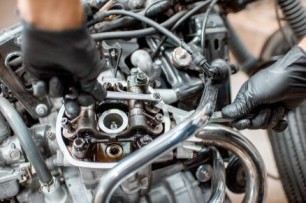
Here are a few tips to change your bike's engine oil
No experience in life can compare to the adrenaline rush of riding a motorcycle. However, it is crucial to note the importance of maintaining your two-wheeler. Regularly changing the engine oil in your bike's motor is a vital part of keeping it functioning and operating smoothly. Without frequent oil changes, it overheats, the friction between its internal components increases, and overall performance suffers. As a bike owner, you must ensure that your bike's oil is changed regularly.
Yet another way to keep your bike safe is to cover it against any unexpected incident, such as damage, robbery, loss, or natural calamities, with the help of ideal 2 wheeler insurance.
Here are some important steps to change a bike's engine oil.
1. Start your engine:
It's a lot simpler to replace your oil while your engine is warm, so make sure you run it for at least 30 minutes before starting to change the oil. Remember, do not start a motorcycle and leave it idle. You will face the risk of causing damage to your bike.
2. Removal of old oil:
The next step is to dispose of the leftover oil by gently emptying it into a drain pan. The pipes from which the motorcycle oil is to be unloaded are positioned differently on various models, so be sure about the correct pipe before you begin.
Bend the motorcycle at a 45-degree angle and maintain it there for a few minutes. With a wrench, release the drain bolt and allow the oil to drain. Don't stop until you are confident there is no more oil left inside.
3. Install a new oil filter:
Be cautious while removing the old oil filter since there may be some spills. Before changing it, apply a little fresh oil to the new filter. This will guarantee that it runs smoothly into the engine and is readily withdrawn during the new oil filter replacement. Screw-in the fresh oil filter by hand, and be careful not to over tighten it.
4. Fill in the fresh motor oil:
Using the repair instructions manual that comes with your bike, measure out the exact quantity of oil required in a beaker. Remove the engine oil valve nut and insert a funnel to help the oil flow. Then, add the carefully measured oil to the engine.
Start the engine without revving it and let the fresh oil flow. With the completion of this step, you have successfully finished the procedure of changing the engine oil of your bike.
5. Finishing adjustments:
There are still some things remaining after the procedure. Ensure that there are no leaks and double-check all the bolts to assure they are snug. Wipe off any residual oil from the bike's surface using a cloth.
Bike owners have a close affection for their two-wheelers. As a result, they are not hesitant to get their hands dirty if it means keeping their bike in top condition. While an oil change ensures more remarkable performance, it does not protect from external causes or physical damages. Hence, responsible bike owners must invest in 2 wheeler insurance for the assured safety of their bike and good financial coverage if they incur loss due to accident or theft.
Click HERE to buy two-wheeler insurance.
Disclaimer: The information provided above is for illustrative purposes only. To get more details, please refer to policy wordings and prospectus before purchasing a policy.

Here are a few tips for installing an audio system in your car
We all love good music, especially while driving around or travelling long distances. The music system has become an essential factor associated with the purchase of cars. Vehicles today come with fancy sound systems, and their features differ with the price range and models.
The sound system has evolved massively over time. The type of speakers, the sound they produce, and different settings are now being provided in all kinds of cars. The modern intelligent and hands-free voice-enabled audio systems have raised car owners' bar.
In this blog, we will discuss the audio setup for your vehicle and a few tips for installing an audio system.
1. Stereo:
You need to figure out the stereo you are looking for. List all your expectations from the one you want to install. It could include multiple features like touchscreen, playback (video), navigation, etc. You can purchase a stereo (aftermarket) and get it installed by an expert technician to ensure that the wires are not altered, and the warranty doesn’t void.
2. Speaker:
Your current speakers might lack treble bass and dull the vocals. You can resolve this issue by getting a new speaker according to your needs. There are component speakers with two-way or three-way components.
The two-way speakers produce mid-low bass and vocals frequencies, while the three-way component speakers have an additional speaker for middle-range frequencies. You can also pick the full-range speakers, mainly known as the co-axial speakers, for an immersive audio experience.
3. Amplifier:
To achieve loudness from your speakers, you can add an amplifier to your audio system. It comes in various configurations and power outputs. Some of these configurations are 4/3/2 channels which consist of four-channel amplifiers: these amplifiers power one subwoofer or one subwoofer and two speakers or four speakers. You need to get a component subwoofer if you like loud, thumping bass or sub-bass in the songs.
4. Subwoofer:
The customisable option amongst subwoofers is the component subwoofer. It has a wide range of power ratings and sizes options. Bass tube and bass box subwoofers are preinstalled in tube type and bass box type enclosures. You can directly use them to plug and play.
Another option in this category is the under-seat subwoofer. They focus on bass and space utility as they can be easily installed under your seats, thus freeing up the boot space of your vehicle.
You can use some damping sheets on the doors, windows, floors of your car to lessen the background noise from the roads and reduce the vibration from the doors due to loud volumes. This would amplify the impact of the music.
That’s a wrap on the tips to install an audio system in your car. Adding to this, it would be wise if you refrain from listening to loud music while driving. It may distract you, and an unstable focus on the road can lead to severe mishaps. Along with installing an audio system, consider getting your car insured to safeguard it against damages and stay stress-free monetarily. Invest in suitable private car insurance India and ensure the longevity of your vehicle.
Click HERE to know more about buying private car insurance India.
Disclaimer: The information provided above is for illustrative purposes only. To get more details, please refer to policy wordings and prospectus before purchasing a policy.

Five ways to help your child choose the right career
As a parent, the responsibility to help your child choose the right career can be challenging. In the past, Indian society has noticed parents putting their children under tremendous pressure by comparing them to other children.
Nevertheless, parents have become aware of the importance of helping their children pick the right career. When your child passes out from high school, the next step is to decide which career will be best for them. We have got you covered!
In this blog, we will discuss five ways to help your child choose the right career for them.
1. Always treat your child as an individual rather than forcing your choices on them:
Even though your child came through you, they may not hold the same likes and dislikes as you. Unfortunately, many parents do not understand their child's likes and dislikes and want them to pursue careers that they couldn't when they were young.
However, doing so can affect your child's mental health and mislead them in the wrong direction. Instead, try to understand their views without belittling them. Their dreams and aspirations should be your priority.
2. Help them find their interests:
Some children may have a firm decision about the career they want, while others may be confused. Encourage your child to find what interests them. You can list down all the things they like and dislike. You may also motivate them to analyse their strengths and passions.
3. Get professional help for your child:
Sometimes, picking the right career can become challenging due to a lack of understanding between the child and parent. Therefore, provide professional help to your child by connecting them to counsellors who can conduct their aptitude test and guide them about which field interests them and what career prospects can be the best for them.
4. Help them explore all the options:
As a parent, you will be aware of your child's hobbies, dislikes, and likes. For example, if your child is already excelling in painting, you may encourage them to explore their options. Help your child explore all the possible career options that let them enjoy their passion. Remember not to go too far, as it can be overwhelming for them. Figure out the right time to discuss it with your child and slowly approach the conversation.
5. Be encouraging and patient during the process:
Choosing the right profession does not happen overnight. Humans evolve with time. Remind your child that it is alright to take their time to explore their interests.
If your child wants a break for their self-discovery journey, do not demotivate them. Instead, encourage them to keep exploring their options and pick the ones they like.
When helping your child pick the right career option for them, you need to have a lot of patience and strength. This process and such a wide array of options can be overwhelming and frustrating for your child, which can cause them to become anxious. However, you can support your child by encouraging them to take their time to figure out their options.
Help your child pick the right career without putting them under pressure or treating them as an extension of you. A secure future is also essential for your child. Invest in general insurance and shield your child's aspirations and health, all under one comprehensive cover. Look for online general insurance to get multiple options and benefits.
Click HERE to get online general insurance for your child to ensure their well-being and safety.
Disclaimer: The information provided above is for illustrative purposes only. To get more details, please refer to policy wordings and prospectus before purchasing a policy.

How early immunisation can help your infant have a healthy life
For more than five decades now, immunisation has saved billions of lives. It's a low-cost, high-impact strategy to safeguard your child's health against various diseases and infections. Immunisation builds the groundwork for a healthy future.
Vaccines are critical in protecting the most vulnerable, such as children and infants. However, one out of every five children in the world is still unvaccinated. Having the highest number of unvaccinated children, India has strengthened its efforts to enhance mass vaccine coverage with mission Indradanush 2.0.
Over the last few decades, healthcare has become increasingly expensive. A health insurance policy can come in handy during costly treatments and hospitalisations. So, look for online health insurance companies to buy a policy to secure your child's future and cover them under seamless benefits. To find out more about immunisation, continue reading this article.
What is immunisation?
Immunisation is the process that protects people against illness caused by microorganism infection (formally called pathogens) by increasing the immunity of the body to combat these infections. A vaccine is a biological substance used for immunisation.
How does immunisation work?
When immunised against a disease, your body treats it as a natural infection. A vaccine contains a microorganism that is introduced into the body in a dead or weakened form. However, your immune system has no way of knowing whether the virus is alive or dead, so it takes it as a red alert and treats it as a threat. As a result, the immune system produces antibodies to attack the virus and eliminate it from the body.
As a result, if you acquire a similar virus in the future, your immunity will be prepared to combat that virus and shield your body against its infection. According to a World Health Organization report, immunisation saves an estimated 2-3 million lives each year (majorly children) by protecting against diphtheria, pneumonia, pertussis (whooping cough), rotavirus, diarrhoea, rubella tetanus, smallpox, polio, mumps, and measles.
Immunisation has eradicated many terrible diseases that massacred people in clusters and tons. Despite this, an estimated 19.5 million infants have not received all immunisations. The need to adequately communicate the health advantages of vaccination and the risks of not immunising children cannot be overstated.
Importance of early immunisation:
Most health experts, researchers, and professional medical organisations strongly recommend immunisation. Vaccines are the most effective steps to prevent infectious diseases.
Vaccine-preventable diseases are known to induce childhood stunting, leading to poor growth, poor adult health, and lower learning ability in children. But, getting your infant vaccinated at the right time can prevent them from having to experience such situations.
Vaccinations are an essential factor in determining your children's health. Shots for children are only effective if they are given on time and according to schedule. They aid in developing children's immune systems, allowing them to grow up healthy and happy. The development of cognitive abilities is also observed after vaccination.
Alongside vaccination, it is essential to buy comprehensive health insurance for your child to secure their health and life further. You may look for online health insurance companies and browse through different plans, compare their premium, and then choose the one that fits all your requirements.
Click HERE to know more about health insurance.
Disclaimer: The information provided above is for illustrative purposes only. To get more details, please refer to policy wordings and prospectus before purchasing a policy.

Five tips for parents before they send their kids off to university
As kids turn 18, they begin to own up to their duties of seeking higher education and building a career. They get ready to set off to universities to pursue their dreams and take up multiple responsibilities as adults. This phase is often hard for parents as they won't be able to guide their children through it.
As they deal with the empty nest syndrome, they are also constantly worrying if their children are capable enough to make it on their own. As per research conducted by New York University (NYU), this rapidly changing phase in life is the best opportunity for parents to explain to their children the realities of college life. They could shed some light on the pressures of adulthood, academic expectations, varying social situations, and personal responsibilities that will soon become significant elements of their lives.
It is never too late for parents to indulge in teaching their kids some skills that will help them in the long run. Here are some tips for parents to prepare to send their kids off to university.
1. Cooking and cleaning:
After years of protective parenting, living by themselves can be challenging to adjust to. Learning how to cook a nutritious meal for themselves is key to remaining fit during these college years. Parents can teach their kids to prepare a few basic, healthy meals that should suffice them as beginners.
Cleanliness is another integral part of adulthood that reflects in daily habits. Regularly doing laundry, cleaning their living space, and washing dishes should be essential habits.
2. Healthcare and first aid:
Teaching youngsters about primary healthcare is essential. Familiarising them with the appropriate medication and basic first aid can help them in times of need. It is necessary to educate them about the importance of prioritising fitness, a healthy diet, and regular exercise.
3. Budgeting:
Parents must teach their young adults about budgeting their monthly basic needs. It's crucial to know how to allocate funds for essentials such as groceries, medicines, cleaning supplies, rent, electricity, and other personal requirements.
If they seem comfortable with the idea of employment, you can inspire them to take up part-time jobs to gain a bit of extra monetary benefit. You can also push them to take up worthy internships during their vacations to build their resumes and develop considerable skills.
4. Networking:
While in university, students have a chance to build a strong network of meaningful connections among the wide variety of people they encounter. Parents must highlight the importance of developing solid relationships with not only fellow students but also the professors and faculty members of the university. This may help them receive multiple rewards and gain opportunities to build their future.
5. Security measures:
It is vital to inform children about the basic security measures, such as avoiding any stops in lonely areas at night, covering their drinks, so they don't get spiked and keeping their belongings safe while travelling.
These minute but crucial details are essential when kids head into adulthood. Security is paramount, and prioritising it should be the kid's responsibility, not just at the university but even elsewhere.
To sum it up, while this phase of your kid moving out for university can be emotional, foresee it as a learning period that can shape the future of your children. Teaching them about how to go about their responsibilities, security, and healthcare is vital before they leave.
Apart from these essential lifestyle things, it would help to guide your children through the process of insurance planning. Securing health and assets under the umbrella of insurance adds great value and safety to our lives. For kids going to university, personal accident insurance plans are protective measures to help in accidents or emergencies!
Click HERE to buy the best personal accident insurance plans.
Disclaimer: The information provided above is for illustrative purposes only. To get more details, please refer to policy wordings and prospectus before purchasing a policy.

When should you use the handbrake while operating your car
A handbrake, sometimes known as an emergency brake or e-brake, is vital for your car's safety. We're sure you're well aware of what a handbrake is for: it holds your vehicle from rolling backwards once you've stopped. If you're new to driving, you may be confused about how a handbrake functions and when to use it. Is it only for emergencies or also for parking?
Read ahead for the answers to these questions and much more so that you can take advantage of your vehicle's most vital safety features. Another way to ensure the total safety of your car is to buy car insurance online.
How does a handbrake function?
The handbrake on a vehicle may be mechanical or electrical, based on its age, model, and gearbox. Unlike the footbrake, the handbrake is linked to the rear wheels of your automobile through a steel wire. It serves two purposes. First, it assures that you have a way to stop your car if the hydraulic brake fails. Second, it enables you to press the accelerator pedal while braking, facilitating more sophisticated driving tactics like drifting and flawless hill starts. When applying the handbrake, the metal cable goes through an intermediary gear before arriving at an equaliser, distributing power equally across the brake pads. This will eventually freeze the back wheels and cause the vehicle to come to a stop.
When should you use a handbrake?
It is all too common for inexperienced drivers to misuse their handbrake. For example, never use the handbrake while the automobile is still in motion.
You should only apply the handbrake in the following situations.
1. When parking:
Only use the handbrake when your vehicle has come to a complete stop after parking.
2. When stopping:
If you come to a halt at an intersection or a traffic signal, you should apply your handbrake. When you've come to a complete stop at a pedestrian crossing, activating your handbrake will keep your vehicle from moving forward.
3. While turning:
To prevent rolling against the curb while turning on a road that descends towards the sidewalk, proceed carefully, utilise clutch control, and use the brakes after each motion.
4. Following an emergency break:
To conduct an emergency stop, you must utilise your hand brake and, if operating a manual vehicle, then also your clutch pedal simultaneously. However, after your car has come to a complete stop, you should use the handbrake and shift it into neutral.
5. Hill starts:
After coming to a stop on a hill, using your handbrake in conjunction will keep your car from rolling backwards.
When it comes to operating your handbrake, like with any other area of driving, the more you practice, the more accustomed and confident you'll get. However, another thing to keep in mind is to buy car insurance online and save considerably in case your car faces any external damage or requires repairing and servicing. Driving without possession of insurance is against the law, and as a beginner, you'll need to have all the protection you can get.
Click HERE to buy car insurance online.
Disclaimer: The information provided above is for illustrative purposes only. To get more details, please refer to policy wordings and prospectus before purchasing a policy.

The complete guide to rock climbing for beginners
Rock climbing is an exciting adventure sport and a great way to stay fit. Today, several gyms incorporate rock climbing within their space settings to help people exercise and strengthen their bones and muscles. Many parents encourage their kids to try rock climbing established in recreation and amusement parks. Mountain climbing and mountaineering are different disciplines that come under rock climbing.
Rock climbing comes with its set of challenges. It requires expensive gear and training, which may not be readily available everywhere. Also, there is a degree of risk associated with the sport, given that you will be working with ropes and harnesses at certain heights. Safety is paramount while rock climbing. So, it is advisable to train formally before climbing in natural settings such as mountains, rocks, etc.
This blog will provide you with the complete guide to rock climbing for beginners. You will learn how to get started and various essential tips you'll need to know.
1. Gear:
Stop splurging on renting gear for climbing if you have decided to pursue it regularly. Purchasing your equipment is a wise long-term investment that will prove to be helpful. Also, check which gear you need as a beginner. You don't have to buy the ‘advanced’ level of equipment when you are just starting with rock climbing. Initially, you'll need climbing shoes, chalk and chalk bag, harness, headgear (helmet), etc.
2. Routine:
Now that you have decided to attempt rock climbing, you need to form a routine. Find time to practice regularly and seriously. To accomplish that, you can join a gym with rock climbing facilities or a training institute that provides regular rock climbing courses. Your trainer/coach can help you get familiar with the workouts, the footwork, etc., to develop the strength required for the sport.
3. Ease into the process:
You need to build a strong foundation before starting a more advanced stage in rock climbing. Give your body time to adapt to the different physical and mental stress levels of learning rock climbing. Pushing your body to do strenuous work can cause severe injuries or soreness in muscles, making it difficult to continue with the learning process.
4. Warm-up:
Warm-up exercises can help reduce the probability of severe injuries. These exercises boost your energy by pumping blood into your muscles. Your body can then accommodate different stress levels with ease while practising climbing. Some warm-up exercises include jumping jacks, squats, arm, wrist, ankle and foot circles. After these, you can head off to practice light and easy climbing, increase the intensity as instructed, and to the extent your body allows.
Rock climbing sounds intriguing. But as we discussed, it comes with a particular risk that can lead to severe injuries, harming your body in the process. While that seems quite unfortunate, a wise option to safeguard yourself is exploring the insurance market and purchasing the best personal accident policy in India to cater to all your needs. Insurance becomes helpful if the policyholder meets with an accident and requires medical care. So invest wisely and make your rock climbing journey hassle-free.
Click HERE to know more about how you can buy the best personal accident policy in India.
Disclaimer: The information provided above is for illustrative purposes only. To get more details, please refer to policy wordings and prospectus before purchasing a policy.

Healthy tips to help colour blind people lead an easier life
The eyes are one of the primary sensory organs, and they react to different colours in different ways. Colours enhance the feel and perception of people and things around us and have several psychological impacts on our mood, emotions, and behaviours.
Colour blindness is a visual deficiency due to which an individual can face difficulties in seeing specific colours or telling the difference between two colours under standard lighting. Most types of colour blindness issues are inherited during birth.
For people who are colour blind, routine tasks like driving or picking out a ripe fruit can become difficult. Since there is no particular cure, most people adapt and learn to live with this condition. However, many people don’t consider colour blindness a grave matter, and some don’t even get diagnosed. They spend their lives without acknowledging that they might have colour blindness or deficiency.
In this article, we will discuss some healthy tips that can make the lives of colour blind people easier.
1. Enquire about special glasses:
Special contacts or glasses might not solve your problem completely. But they can enhance your experience regarding colour blindness and help you visualise better. You can check in with your doctor to see how these glasses or contacts lenses work for you.
2. Ample lighting:
Make sure that your workspace and your house have plenty of lighting. Natural light in abundance is the best thing. In addition, it would be best if you tried to avoid glare.
3. Go digital:
You can use your smartphone or tablet to download and access applications that identify and name colours for you. Some gadgets have options where you can see shapes instead of colours. You can also use colour filters to tell the colours apart.
4. Look for signs:
You can look for different indications to incorporate into your daily activities. For example, to pick up a ripe pineapple, look for its weight (should be heavy), sweet smell, and easily pluckable leaves. You can also ask the vendor to help you out or order fruits and vegetables online.
5. Managing work:
Charts, graphs, and presentations are expected to have a lot of colours to distinguish the components of the data. If you’re someone who struggles with colour blindness, you can add detailed labels and texts to explain the differences to your peers.
Sending links for reference can be a good option too. Many colour blind people get certified as pilots but might face certain restrictions like flying at night, etc.
Never consider colour blindness as a disability. It is just a medical condition, and if you learn to adapt to it, you will be able to live an easy life. Now that we have discussed some healthy tips to help colour blind people lead an easier life, it would be wise to think about purchasing health insurance in India. The only way to make your life financially secure and beat the rising medical costs is with the help of the right health insurance.
Click HERE to learn more about health insurance in India.
Disclaimer: The information provided above is for illustrative purposes only. To get more details, please refer to policy wordings and prospectus before purchasing a policy.

The complete guide to overcoming procrastination in simple ways
Have you ever felt overwhelmed by the number of things on your task list? Do you distract yourself by doing everything else? Do you end up hastily finishing your work minutes before the deadline? This postponing tasks until the last minute or past the deadline is called procrastination.
To put it simply, procrastination is the voluntary delay of essential tasks despite being aware of the negative consequences it may have in the future. But don’t worry; you’re not alone in this. Research shows that about 20 percent of adults tend to delay or avoid completing tasks by allowing themselves to get distracted.
The reasons for procrastination may differ from person to person. Psychology states that procrastination is not a time-management issue but is about avoiding negative feelings or triggers. A person may feel overwhelmed by the number of responsibilities and the pressure of completing them, causing intense anxiety, fear, or other negative emotions. Procrastinating then becomes an avoidance strategy to evade those negative feelings. It also revolves around the person’s inability to focus or deal with personal fears and emotional triggers.
Being a procrastinator can affect your productivity and harm your behavioural pattern. Never procrastinate on health issues, and always keep your health a priority. While health insurance plans in India can help recoup the costs of your treatments, they cannot guarantee a backup plan for missed opportunities. It is never too late to change and make better choices.
Here are a few tips to overcome procrastination.
1. Remove distractions:
While working, remove distractions to create a more conducive work environment, even if you’re not ready to get started on your work.
2. Take baby steps:
When we think of a task, the burden of completing it to the finish line can often become overwhelming. Think of the small, immediate steps to begin the task to dodge any such anxiety. For example, if you have to prepare a meal, simply start by gathering all ingredients required. Breaking down a task into more manageable steps can reduce the pressure of an overwhelming responsibility.
3. Reward yourself:
Treat yourself for the steps that you take towards completing a task. If you manage to get started, assign a relatively small reward to create a positive and content feeling. This will self-motivate you to complete the work with enthusiasm.
4. Recognise your triggers:
Recognising and accepting the triggers and fears causing you to procrastinate is a crucial step to resolve your habit. Think through your patterns and try to examine the cause of your procrastination. Ask yourself about what is making you to procrastinate. For example, if you’re afraid that you will make a mistake while doing the task, you can start resolving this fear by assuring yourself that it’s not the end of the world and that you can always correct the fault.
5. Create a plan of action:
Formulate a plan to smoothly complete your work based on two factors - your goals and the nature of your procrastination. For example, if your goal is to study 15 pages of a chapter and you fear that you won’t do it all in one sitting. Break down your study hours by splitting the work equally with timed breaks and small rewards. Doing this will allow you to systematically complete your task while relieving yourself from any negative feelings.
The habit of procrastination can quickly become a detrimental habit in the long run. Investing in health insurance plans in India can certainly secure your health in the future, but forming better habits is all in your hands. Give yourself permission to make mistakes and focus on visualising yourself having completed the goals.
Click HERE to buy the best health insurance plans in India.
Disclaimer: The information provided above is for illustrative purposes only. To get more details, please refer to policy wordings and prospectus before purchasing a policy.
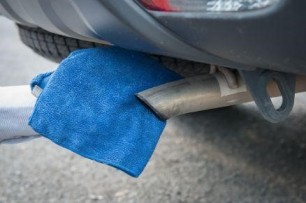
The best tips to clean the exhaust system of your car
Owning a car can be a thrilling experience, but it also comes with a lot of responsibility. Your car needs to go through frequent servicing and care to avoid unwanted breakdowns and troubles. People make great efforts to keep their vehicles in the best condition inside out. Scheduling servicing, getting car insurance, ensuring the proper tyre pressure are all things every car owner is familiar with. However, one thing that is often neglected is your car's exhaust system.
Cleaning your exhaust plays a vital role in the upkeep of your vehicle. The exhaust is responsible for expelling the harmful gases generated by your car due to combustion and reducing noise pollution. Unfortunately, during the release of these fumes, some particles are left inside the pipe as residue. This decreases the performance of the exhaust and hinders the optimum functionality of your car. Hence, it is vital to give your exhaust the extra care it deserves.
Here we'll be looking at a few ways to clean your exhaust so that you can prevent your car from troubling you in the future.
1. Water wash:
During combustion, water settles on the exhaust. This is the leading cause of corrosion. Cleaning the exhaust with water helps remove the rust. Going in again with soap and water ensures no other sediments are left but will lead to corrosion later. Use a clean, dry cloth to get rid of any moisture left on the outside of the exhaust. Next, use a brush with an extended arm to penetrate deep into the pipe's insides and ensure proper cleaning.
2. Degreasing:
Using a heavy-duty degreaser inside and outside the exhaust helps break down carbon and rust. After some time, use steel wool to remove the collected sediments.
3. Polishing:
After the preliminary cleaning of the exhaust, it is now time for some metal polish. Polish adds an extra layer between the surface of the exhaust and the atmosphere. This significantly delays the corrosion of the exhaust and helps extend its longevity.
4. Stainless steel exhaust:
The best option is to opt for a stainless steel exhaust pipe. They do not rust and also prevent carbon development.
5. Go to the service station:
While the steps mentioned above help take care of your exhaust system, sometimes your vehicle might be facing more complex problems. One such issue is a failing catalytic converter. An exhaust emission control device prevents the highly toxic fumes from getting out through the tailpipe. It converts the toxic air into less harmful fumes to reduce pollution levels.
However, cleaning a catalytic converter is much more complex than cleaning exhaust pipes. Hence, it is advised to go to your service centre to ensure safe and effective cleaning of the converter.
These are a few ways to take care of your exhaust systems. However, there might be instances where your vehicle needs more than just instant home solutions, which is why you should consider adding value to your car by investing in car insurance.
Having car insurance saves you from worrying about all the extra expenses you might encounter while getting its maintenance and servicing done regularly.
Click HERE to know more about car insurance.
Disclaimer: The information provided above is for illustrative purposes only. To get more details, please refer to policy wordings and prospectus before purchasing a policy.

Tired of ineffective air-conditioning in your car? Here’s what you can do
Imagine the frustration of driving on a deserted road and encountering a breakdown. To avoid such a situation, you should always be on the safer side and ensure proper maintenance and routine servicing.
The best way to deal with such a situation is to buy car insurance in advance and benefit from add-ons like roadside assistance. Through this, your insurer will always have your back during a crisis. However, car insurance is not a replacement for effective car servicing. Often, car owners grow careless and get negligent about repairs and maintenance activities. It can lead to significant problems with several car parts, including issues with your air conditioning.
The air conditioning can get faulty over time and be ineffective. With the rising temperatures all around, this can be an extremely uncomfortable situation. With time, it will only get worse. You need to get it fixed or opt for a solution yourself.
Read on for a quick guide through the various steps of fixing your air conditioning at home. However, if you have car insurance, it will be covered under it. Steps to getting your car AC back on track are:
● Start the car and turn on the air conditioning. Turn it to the highest value and assess its functioning. See how warm or cool it is. If it does not get as cool as it should, there may be an issue with the airflow.
● Now, check if the AC compressor is working well. You can determine the next course of action only when you know its functionality.
● Invest in a leak detection kit to help you locate the leaks in your air conditioning system. Through this, you will be able to identify leaks quickly. You can then repair it or replace it accordingly.
● The next and most crucial step would be adding the correct refrigerant. You must have a suitable refrigerant for your vehicle and add it carefully. Contact a professional to learn about the ideal car refrigerant for your vehicle.
● To maintain the best temperature in your car, you need to read the gauge. You can do that by using a thermometer.
● It is time to locate the low-side service port for further action. The low service port is where you charge your car's AC.
● It is essential to avoid clogging the area around the service port. You can wipe with a clean cloth or rag.
● You will find a charging hose with your refrigerant. Connect it to the low-service port.
● It is time to open your refrigerant now. Go on turning the valve till the seal on the can is punctured completely.
● Hold the can upright if you want the refrigerant to go into the car engine. Shake it well for a good flow.
● Once done, you need to remove the hose and store the can in a safe and cool place.
● If the problem persists, you need to contact a professional mechanic to complete the repairs.
*Tip
Periodically clean your car's AC vents to avoid clogging in the air outlet. Clean vents ensure proper passage of air throughout the vehicle.
Regular maintenance ensures the longevity of your vehicle's air conditioning system and overall upkeep. Along with periodic checks and servicing by a professional mechanic, we encourage you to invest in car insurance to protect your vehicle and your finances from the effects of an accident. Remember that your car is your responsibility, and you need to undertake its maintenance.
Click HERE to invest in the best car insurance.
Disclaimer: The information provided above is for illustrative purposes only. To get more details, please refer to policy wordings and prospectus before purchasing a policy.
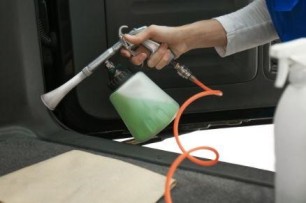
Best tips to clean the car carpets to make them shine as new
Understanding how to keep your car shiny is not only a matter of display but also a necessity to sustain your car's value. Certain parts of the car are exposed to dust and need to be cleaned regularly. The mats in your vehicle are the single most mistreated part and are often overlooked during a carwash. They are continuously battered by dirt, filth, sand, twigs, and stones brought in by your shoes. Not to mention how food and beverage spills create an excess mess on the carpet.
So, here are some of the best tips to keep your car carpets as good as new:
1. Take out all of the waste from the vehicle, including empty bottles, cans, wrappings, and pieces of paper. Gather it all up and chuck it away. Also, organise other personal things and either keep them in the glove box or remove them from the vehicle while you clean the carpets.
2. Now use a strong vacuum cleaner to clean the carpets thoroughly. Apply a stiff rug brush to scrape the fibres. Doing this will remove the dust and small bits that have been trapped between the fibres.
3. Examine the carpet for spots and areas that need further care before shampooing it. Prepare a spray bottle with hot water, vinegar, and a few drops of cleaning solution or laundry soap. Let it absorb for a moment before respraying and scrubbing it with a brush.
4. To get rid of a stubborn liquid stain, use soda and salt. Immediately after spilling something, put soda and salt on it and let it sit for a while. Then scrub it off using a paper towel or a cloth.
5. The best way to clean stains is to act quickly. To remove as much excess as possible, place a piece of paper tissue on the area. Then, sprinkle cold or sparkling water over the stain to dilute it and prevent it from hardening. After, wipe the area with additional paper towels or a cloth to absorb the liquid.
6. Finally, wash off your carpet. Then use a steam cleaner to dry it. The fabrics dry only with the pressure of hot compressed steam, which enters the material and blasts away any remaining trash.
7. Take measures to protect the fabric. Carpet and upholstery protectors come into play here. These chemicals coat the material with a flexible hydrophobic coating. To achieve complete coverage, spray the product evenly over the surface of the mat, then allow it to settle before applying another layer.
When it comes to caring for your vehicle, don't leave anything to chance. Owners diligently schedule regular maintenance of their car and take it in for expert treatment at the first hint of a problem. For those occasions when you decide to treat your vehicle yourself or in between expert treatments, the tips mentioned above will surely help keep your car carpets secured from getting dirty.
Similarly, opt for online car insurance to secure your car from the threat of physical damages during mishaps. Invest in good car insurance to aid you in paying the mechanic's required fees for repairs and servicing.
Click HERE to get online car insurance.
Disclaimer: The information provided above is for illustrative purposes only. To get more details, please refer to policy wordings and prospectus before purchasing a policy.

Here's why reading is a good habit
In a digital world where everything happens at the touch of a button, books emerge as one of the oldest and most potent resources humankind has invented. They hold great knowledge and can feel you connected. Books also help people deal with anxiety or depression by making them feel more engaged.
Whether you are an avid reader or would like to become one, here are some of the benefits that make reading an excellent habit!
1. Stimulates the brain:
Reading and mental stimulation go hand-in-hand. When you are reading something, you are focused on one task, which keeps your brain constantly active. As per various researches, the mentally stimulated brain can help prevent several diseases, including Dementia and Alzheimer.
2. Improves vocabulary:
Reading improves vocabulary, especially when you read newspapers, articles, and books every day. The more you read, the more you get exposed to new words and enhance your vocabulary. You'll be surprised at how easily you'll start inculcating the words you've read in your day-to-day life.
3. Releases stress:
Who doesn't have days when they are highly stressed? Reading your favourite books will take you to your personal leisure space, whether you are worried about work or your personal life. As you focus on reading, you will forget about the stress and uplift your mood. So, how about grabbing your favourite book to release your tension when you feel down?
4. Improves memory skills:
When reading a fictional book, you will have to remember many details about the characters to grasp where the story is going. All this directly impacts your brain's memory and plays a vital role in strengthening your short-term memory.
5. Enhances knowledge:
Since childhood, older adults have always told us that books are one of the tremendous seas of knowledge. There is no such thing as "enough" knowledge. There is always something new to know and learn about with plenty of world history and new inventions each day.
6. Keeps you open to new perspectives:
No two brains are alike. When you spend your time reading articles online, you will know how different people think, their thoughts, reactions to situations, how they view life, and much more. When you read the rights and wrongs, you will welcome new perspectives and see life differently.
7. Helps in improving writing skills:
Reading often helps you to analyse each writer's different writing styles better. As mentioned previously, it enhances your vocabulary; you will be able to write better as you open up to new words, thoughts, and more. Regular reading trains your brain to analyse information efficiently and polishes your writing skills!
8. Improves concentration:
Humans are prone to multitasking which disturbs concentration power. Spending 15-20 minutes a day reading a book or article will help you increase concentration and focus better. This is because when you are reading, you give all your attention to one thing.
After reading the points mentioned above, it is no surprise that reading provides too many benefits for you to miss out on! Isn't it amazing how reading can do wonders for your life and promote your well-being?
While reading provides various benefits, it is also vital to take care of your health by engaging yourself in different activities. Another healthy habit that can positively impact your life is having online health insurance to eliminate the financial burden in case of unexpected incidents. Nevertheless, we hope you always stay fit and healthy!
Click HERE to buy online health insurance.
Disclaimer: The information provided above is for illustrative purposes only. To get more details, please refer to policy wordings and prospectus before purchasing a policy.

Common mistakes while learning to swim and ways to fix them
With the summer season right around the corner, it is time to take out your swimming trunks and goggles. For the past two years, the pools have been closed owing to the pandemic. But the numbers have been under control in recent past months, making way for pools to open up again with specified capacity. Although it's best to take refuge inside your homes in well air-conditioned rooms, taking a swim in your nearby pool is an option that most of us might consider. Over the years, we have seen an increasing number of people enrolling in swimming classes and actively making efforts to learn various styles of swimming. This article will prove helpful if you are new to swimming or want to polish your skills.
Today, we will look at a few common mistakes that people make while learning to swim and the ways to fix them.
1. Holding your breath:
Beginners commonly believe that the most crucial thing before diving into the pool is to hold your breath. Instead of helping themselves, they refrain from breathing to maneuver the waters.
A better solution to address this is to practice holding your breath on land before attempting it in water. This will help you control your breath more systematically and in a timed manner. Try inhaling and slowly exhaling while keeping a constant momentum.
2. Head too high:
One of the most common swimming mistakes is holding your head above water for breathing. It sounds surprising. How else are you supposed to breathe? When you lift your head, it causes your hip to drop down, slowing you down and increasing your resistance. Keep your head down, and when you need to breathe, you can do so from the side of the arm when it is out of the water's surface. Rotate your head to the side so that your mouth gets air to breathe.
3. Keeping your hips straight:
In the above passage, we discussed how the lowering of the hip could affect you negatively. Sometimes instead of rotating them, people use the upper body and the legs to move through the water.
Swimmers fail to realise that the most power comes from the hip. Utilising your core muscles and rotating your trunk will help you push through the water without tiring out your legs.
4. Pointing your toes:
Having straight pointy toes while swimming tightens up your muscles and makes it difficult for you to propel yourself in water. Swimmers should have flexible and loose ankles in water to maintain pace and direction. Practice curling your toes outside the pool. Try picking coins on the floor using your toes. Transfer them from one bowl to another to familiarise your toes with curling and being able to control them. This is the best way to train your toes before diving into the pool.
These are a few common mistakes swimmers make when starting their journey. Swimming can seem like a daunting activity, but it is sure to be one of the most enjoyable experiences with time. It is, however, advised to practice swimming under the guidance of certified coaches in well maintained and clean swimming facilities to avoid any health complications.
Another mistake that you should avoid is neglecting the importance of health insurance. Health insurance will act as your safety net in case of any injuries or accidents you might face while training.
A good tip would be to look for affordable health insurance plans, secure your finances against health ailments, and contribute to a healthy lifestyle.
Click HERE to know more about affordable health insurance plans.
Disclaimer: The information provided above is for illustrative purposes only. To get more details, please refer to policy wordings and prospectus before purchasing a policy.

The 2022-23 economic survey indicates greater insurance penetration. Know more
The Ministry of Finance and Corporate Affairs of the Government of India presented the Economic Survey 2022-23 along with the budget on the 1st of February, 2023, in the parliament. It projects optimistic growth in the Indian economy in the current year because of the high private consumption, increased investment and production activity, higher capital expenditure, and strong revival of the service sector post the dull phase of Covid-19.
The insurance sector in India has also grown at a rapid pace, especially after the pandemic. The 2022-23 economic survey indicates greater insurance penetration. Let us know more about it.
Insurance penetration and its pace:
Insurance penetration is the total insurance premium ratio to a country's gross domestic product in a particular year. It is a globally accepted indicator of the growth of the insurance sector of a country.
Insurance penetration in India was a meagre 2.7% in the year 2000. The 2022-23 economic survey reveals that it rose to 4.2% in 2020 and 3.2% in 2021. It is also slightly higher than the global average, pointing to the efficient functioning of the sector in India.
While greater awareness is one of the factors that has led to such positive figures, tech advancement in insurance sectors and the facilities to buy insurance policy online are also to be credited.
Insurance density:
Insurance density is the ratio of the total premium collected to the country's total population. In other words, it is the per capita premium of a country. The insurance density in India was $11.5 in the year 2001. According to the 2022-23 economic survey, it has risen sharply to $91 by 2021.
The density for life insurance was US$69, while that for non-life insurance was US$22 in 2021. The survey also indicates that savings-linked life insurance products are the highest selling in India.
Reasons for increased penetration.
1. Digitisation of the insurance market:
Many surveys state that the digitisation of the insurance sector in recent years has fuelled its growth in India. Artificial Intelligence (AI), machine learning, and the implementation of advanced technology in the insurance sector have increased efficiency and enhanced synergy.
App-based policy sales and renewal, online premium payment, and speedy claim settlement processes have helped the sector to grow and penetrate rapidly. The permit to conduct video-based know-your-customer (KYC) documentation and rewarding low-risk behaviour has also helped boost demand and penetration.
2. Increase in FDI limits:
The survey also states that the increase in FDI limits to 74% in companies that provide insurance cover has helped bring foreign capital into the Indian insurance sector. 100% FDI has been allowed for insurance intermediaries like brokerages. This has helped the industry to snowball.
3. Post-Covid awareness:
According to the surveys, the non-life insurance sector will likely witness increased penetration due to post-covid awareness of health insurance. People have realised the importance of health insurance, due to which its demand is witnessing a steady rise.
The government also provides strong insurance support by promoting the mass health program "Ayushman Bharat." It annually provides a health cover of Rs. 5 lakhs per beneficiary family. Pradhan Mantri Suraksha Bima Yojana is another innovative non-life insurance product operational in India. It provides risk coverage up to Rs. 2 lakhs and has contributed to greater insurance penetration.
The 2022-23 economic survey has correctly stated that insurance penetration is at a record high in India. While people are becoming increasingly aware of the importance of insurance post the Covid-19 pandemic in India, the increase in digitisation and efficiency in the issue and claim settlement process has further led to greater insurance penetration.
Online insurance has been a blessing for the insurance industry and immensely contributes to increasing the demand for insurance products and boosting growth. Choose to buy insurance policy online to make the process easier and hassle-free.
Click HERE to buy insurance policy online.
Disclaimer: The information provided above is for illustrative purposes only. To get more details, please refer to policy wordings and prospectus before purchasing a policy.

2-stroke or 4-stroke bike: Which is better for you
A wide range of motorcycles is available in the market today. Every model differs in several ways. So, when purchasing a bike, it is crucial to know its specific functions like its engine, mileage, and fuel economy.
Overall, a durable engine design is crucial for a good motorcycle. Even though two-wheeler engines and their mechanisms have transformed drastically over the years, the two primary gasoline-powered combustion engine designs are — 2-stroke engine and 4-stroke engine. And while you may secure your two-wheeler by purchasing reliable bike insurance, it is essential to know which kind of engine is best suited for you.
If you have done your research, you may be familiar with these two types of motorcycle engines. Although, if you're new to the field, here are some points to help you understand!
Let's understand more about a stroke engine:
To understand the functions of the engines, you must know about their combustion cycle. The engine's combustion cycle or revolution involves the piston's continuous up and down movement.
A stroke is the piston's movement from one position closest to the valve to another, which is furthest away from it. At the end of every stroke, a spark causes the gas and air mixture to ignite, which invariably helps the bike move forward.
So, what are the significant differences between a 2-stroke and a 4-stroke engine?
You may notice absolutely no difference between a 2-stroke and a 4-stroke engine on the first look. In line with its function, 2-stroke and 4-stroke bikes follow the equal gas-powered internal-combustion standards. However, the main distinction lies within the number of strokes the two engines require to produce power. A 4-stroke motorcycle needs four piston strokes to complete the combustion cycle, while a 2-stroke motorcycle does it in two.
In a 4-stroke engine, the piston performs two strokes during a single cycle, completed by a return stroke. The power gets produced after every four strokes of the piston. The highlight of this kind of engine is that it does not need to pre-mix any fluids like oil and fuel.
Similarly, in a 2-stroke engine, the combustion cycle requires just one piston compression stroke and is completed by an explosion to generate power. The power gets produced when the piston achieves two strokes. In opposition to a 4-stroke engine, a 2-stroke engine requires the oil to be pre-mixed with the fuel.
Which engine is better?
4-stroke engines are definitely the better pick. Here are a few reasons why:
1. They offer more efficient fuel consumption and controlled usage.
2. 4-stroke engines are more durable in the long term.
3. While the 2-stroke engine is more powerful, it is highly noisy and creates a loud buzzing sound that the 4-stroke one does not.
4. Above all, 4-stroke motorcycle engines are more eco-friendly. 2-stroke engines emit far more toxic emissions.
While noting all these advantages of a 4-stroke engine, you must also remember that maintaining 4-stroke two-wheelers can be more expensive. They have many intricate parts that require more intensive upkeep. Its modified efficiency requires more investment of funds from your end.
Hopefully, this article helps you understand the functions of each engine and specifically pick which type works better for you! Don't miss out on securing your motorcycle with robust bike insurance. You may visit several policy features online and purchase the one offering the best value-to-money.
Click HERE to buy the best bike insurance to protect your bike from mishaps.
Disclaimer: The information provided above is for illustrative purposes only. To get more details, please refer to policy wordings and prospectus before purchasing a policy.
A wide range of motorcycles is available in the market today. Every model differs in several ways. So, when purchasing a bike, it is crucial to know its specific functions like its engine, mileage, and fuel economy.
Overall, a durable engine design is crucial for a good motorcycle. Even though two-wheeler engines and their mechanisms have transformed drastically over the years, the two primary gasoline-powered combustion engine designs are — 2-stroke engine and 4-stroke engine. And while you may secure your two-wheeler by purchasing reliable bike insurance, it is essential to know which kind of engine is best suited for you.
If you have done your research, you may be familiar with these two types of motorcycle engines. Although, if you're new to the field, here are some points to help you understand!
Let's understand more about a stroke engine:
To understand the functions of the engines, you must know about their combustion cycle. The engine's combustion cycle or revolution involves the piston's continuous up and down movement.
A stroke is the piston's movement from one position closest to the valve to another, which is furthest away from it. At the end of every stroke, a spark causes the gas and air mixture to ignite, which invariably helps the bike move forward.
So, what are the significant differences between a 2-stroke and a 4-stroke engine?
You may notice absolutely no difference between a 2-stroke and a 4-stroke engine on the first look. In line with its function, 2-stroke and 4-stroke bikes follow the equal gas-powered internal-combustion standards. However, the main distinction lies within the number of strokes the two engines require to produce power. A 4-stroke motorcycle needs four piston strokes to complete the combustion cycle, while a 2-stroke motorcycle does it in two.
In a 4-stroke engine, the piston performs two strokes during a single cycle, completed by a return stroke. The power gets produced after every four strokes of the piston. The highlight of this kind of engine is that it does not need to pre-mix any fluids like oil and fuel.
Similarly, in a 2-stroke engine, the combustion cycle requires just one piston compression stroke and is completed by an explosion to generate power. The power gets produced when the piston achieves two strokes. In opposition to a 4-stroke engine, a 2-stroke engine requires the oil to be pre-mixed with the fuel.
Which engine is better?
4-stroke engines are definitely the better pick. Here are a few reasons why:
1. They offer more efficient fuel consumption and controlled usage.
2. 4-stroke engines are more durable in the long term.
3. While the 2-stroke engine is more powerful, it is highly noisy and creates a loud buzzing sound that the 4-stroke one does not.
4. Above all, 4-stroke motorcycle engines are more eco-friendly. 2-stroke engines emit far more toxic emissions.
While noting all these advantages of a 4-stroke engine, you must also remember that maintaining 4-stroke two-wheelers can be more expensive. They have many intricate parts that require more intensive upkeep. Its modified efficiency requires more investment of funds from your end.
Hopefully, this article helps you understand the functions of each engine and specifically pick which type works better for you! Don't miss out on securing your motorcycle with robust bike insurance. You may visit several policy features online and purchase the one offering the best value-to-money.
Click HERE to buy the best bike insurance to protect your bike from mishaps.
Disclaimer: The information provided above is for illustrative purposes only. To get more details, please refer to policy wordings and prospectus before purchasing a policy.
Hi there! 👋 Need help with a policy, claim, or renewal? Chat with us instantly on WhatsApp.
Start chat →