


General Insurance Blogs, Articles & Updates by - Magma Insurance
Have us call you
- RENEW YOUR POLICY
- BUY NEW POLICY

GENERAL INSURANCE BLOG

Know about zero depreciation car insurance policy
Does the depreciation value of your car scare you? Do you feel that you will have to empty your pockets for your car's damages once it gets old? Now, there is a one-stop solution for these queries – a zero depreciation policy. In a zero depreciation policy, the insurance company covers the expenses of physical damage caused to the vehicle in the unfortunate event of an accident without considering any kind of depreciation.
Vehicles are naturally depreciating assets, meaning, with every new car, there will only be a devaluation in the price over time. The parts like mirrors, metal, rubber, plastic and other car accessories are subjected to depreciation.
Zero depreciation car insurance vs regular car insurance:
Let us quickly compare the benefits of zero depreciation insurance to regular insurance.
Premium: The premium cost payable for zero depreciation insurance is slightly higher than that of regular car insurance. The depreciation policy premium varies with attributes like your address, the model, and your car's age.
Claim settlement value: In zero depreciation cover, the claim settlement amount is higher since the calculation of depreciation is not done, whereas, in regular car insurance, the claim settlement amount is received with a deduction of depreciation.
Repairing amount: In zero depreciation insurance, the repairing cost of parts like rubber, glass, plastic is paid by the insurance company, whereas these costs are borne by the insurance holder in regular car insurance.
Usage duration of the car: This factor does not make a difference in zero depreciation insurance because any depreciation is considered nil. However, in regular insurance, the depreciation rate of your vehicle keeps increasing day-to-day.
Benefits of a zero depreciation insurance: Let us now understand the benefits of zero depreciation insurance.
Easy claim: It ensures the timely and straightforward settlement of all expenses providing the insured with easy claim settlement.
Covers all expenses: The insurance company gives you total coverage of the costs that are heavy on your pocket, as well as any other miscellaneous charges during the time of settlement.
Profit while claiming: Zero depreciation policy adds more value to the basic coverage at the time of claim, making your expenses amount almost nil, hence leaving you with a profit.
Assurance: Since the vehicle has a zero depreciation insurance cover, so you have the satisfaction of being safe under a protective layer of the insurance policy.
What is not a part of a zero depreciation policy? Following are the factors that will restrict your complete claim on the advantages of a zero depreciation car insurance policy.
No driver's license: If the driver or owner of the vehicle does not have a valid driver's license, they are not eligible to claim the benefits of this policy.
Drunk driving: Immediate rejection of claim benefits happens if the driver happens to be under the influence of alcohol or any other intoxication.
Maintenance of engine oil: Unfortunately, this policy does not cover your regular maintenance such as engine oil, coolants, etc.
Compulsory deductibles: Compulsory deductible is a mandatory amount set by the IRDAI depending on the engine capacity of a vehicle. This amount is not a part of the zero depreciation policy.
For cars more than five years old: If the insured vehicle is aged more than five years, it cannot opt for a zero depreciation policy.
Mechanical expenses: Occasional breakdowns and arbitrary wear and tear of the vehicle will not be covered in the policy.
To sum it up, zero depreciation benefits a wide array of car owners considering the cost-effective claim settlement and boosting their regular insurance plans in the form of a worthy add-on.
GET TO KNOW MORE ABOUT THE BEST CAR INSURANCE PLANS ONLINE BY CLICKING HERE…

How to find bike insurance details with the help of the registration number
Did you know that you only need the unique registration number of your vehicle to get the details of your bike insurance online? In this article, we'll provide you with all the information on the registration number.
When you buy a bike insurance policy, details of it get linked with your bike's registration number. Therefore, you can quickly check the information of your bike insurance through your bike's registration number.
As per the Insurance Regulatory and Development Authority of India (IRDAI), it is mandatory to carry insurance documents of the bike whenever you are on the road. If one fails to do so, there is a possibility that the claim settlement may be invalid in case of any mishap. Even though policy documents are essential papers, misplacing them is a pretty common occurrence among policyholders.
However, fret not! It is pretty simple to find the details of your insurance with the help of the registration number. Let's understand this here:
What is a Registration Number?
A bike registration number is a unique number issued by the Regional Transport Office (RTO) of your district. Every vehicle owner must obtain a registration number within 30 days of purchase of the vehicle.
The registration number is helpful to identify the owner of the vehicle in multiple scenarios. Apart from identification, the registration number is a must for a bike insurance policy, renewal of it, or insurance claim.
Your vehicle's registration number is displayed on a metal number plate and affixed at the front and back of the two-wheeler. The registration number has an accredited structure for different types of vehicles. Let's understand this further here.
Consider this, your vehicle is registered in Delhi and is granted the number DL 0X BX XXXX. The first two alphabets indicate the state code, and the next two digits are the unique district code. The following two alphabets are the current series of the RTO and the classification of vehicles. And, the last four digits are your vehicle's unique number.
How to derive two-wheeler insurance details by your vehicle's registration number?
When buying bike insurance online, the details of your policy are automatically synced with the registration number. RTO, Central, or State Government can use details for official purposes. You can enter your registration number on any of the following websites to get details on your bike insurance online:
● Official website of the Regional Transport Office RTO where the bike is registered
● Website of the state transport department
● Website of the Ministry of Road Transport and Highways (parivahan.gov.in)
● Website of the Insurance Information Bureau (ibb.gov.in) of the Insurance Regulatory and Development Authority of India (IRDAI)
Further, you can even renew your existing insurance policy using your two-wheeler's registration number. There is a facility for tracking the details of your policy online and renewing it before it expires.
The registration number links your vehicle directly to RTO's and Government's databases, so this stands out to be an advantage to maintain a record of your two-wheeler's insurance.
WANT TO KNOW ABOUT THE BEST BIKE INSURANCE ONLINE POLICY FOR YOUR VEHICLE? CLICK HERE…

Six Tips to purchase a good bike within your budget
Two-wheelers are always the easy moving, compact and sleek asset to glide through congested traffic and to move faster on the roads. Because of the ease of commuting and the low price compared to cars, they remain the first choice for the middle-income and young people.
If you are planning to buy a two-wheeler, you would say that a test drive of a few models is important. But practically, you should also read these six golden tips that help you make the right decision and save some money.
1. Purpose of purchase and requirements:
You should be clear with your objectives of buying a two-wheeler. Then, do proper research of the types, models, and other requirements, including the reviews of your shortlisted brands. Bikes are a versatile commodity, and they come in numerous shapes, sizes, types, and brands. You can use them for long rides, sports or racing, or as a day-to-day commute vehicle. Therefore, considering how and where you will use your two-wheeler is essential to finalise the model.
2. Set your budget:
Make sure that your dream two-wheeler suits your pockets too. Decide on a clear budget for your purchase and look for the bikes in that range. This helps you to narrow down the choices and the best fit. Remember that you will have to take care of maintenance, service and insurance of your bike as well.
3. Effortless handling:
Don't compromise your physical abilities and feasibility for some cool model of bike that you see. Choose the perfect height and the weight of the bike that you can handle conveniently. If you enjoy speedy rides, then you should opt for a sports bike. But if you are a family person, then sports bikes are not your category. Always give preference to high-performance and bikes with good mileage.
4. Maintenance and aftercare:
Make sure that the model or type of bike you choose has extensive and quality service centres. Wide network of service centres helps you to get your vehicle repaired easily. In addition, multiple brands offer free extended service options for a certain period that can save on maintenance cost. Also, keep in mind that regular servicing and good maintenance are necessary for the long life of your bike.
5. Customer reviews:
Customer reviews are crucial and can give you some genuine feedback about the two-wheeler you are considering. Thorough research of on-road reviews of users can further provide you with information about the two-wheeler, its attributes, real-time mileage, and many other aspects that a salesperson at the showroom might not tell you.
6. Purchasing insurance:
Your task doesn't end with just buying a bike. Bike insurance is essential and a must thing to be done. Insurance coverage for two-wheelers got mandatory after the Motor Vehicle Act in 1988. Adjust your budget according to your annual insurance premium. For safe and easy rides, secure your vehicle with bike insurance. You can also check bike insurance online for the best premium. Compare it all and choose the best fit for your bike and act smartly.
Lastly, make sure you compare across various brands and look through multiple dealers and the offers.
PURCHASING A NEW BIKE? CLICK HERE TO KNOW THE BEST ONLINE BIKE INSURANCE…
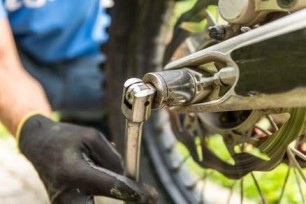
Five healthy habits that can enhance the life of your bike
Motorcycles are a motorhead's most prized belongings. While some people use them for transportation, others use them for enjoyment and sports. Owning a motorbike requires taking care of it and ensuring that it is not damaged. Even when navigating challenging terrain, a well-maintained bike will not let you down. However, ignoring your bike may result in unnecessary damages.
Keeping your motorbike in perfect condition is as significant as owning it. To help you with that, we've discussed five essential points to keep your motorbike in good working order.
1. Changing your bike’s engine oil at regular intervals:
Multiple mechanical pieces constantly move and rub against each other in your motorcycle's engine every day. To ensure their best functioning and to reduce friction, you must lubricate them with motor oil. Unfortunately, dust and particles thicken the oil with time, reducing its lubricating power. Changing your motorcycle's oil every 2500-3000 kilometres helps improve performance and safeguard the engine from harm caused by outside elements mixed in with the old oil.
2. Checking the drive chain:
The drive chain is an essential component of your motorbike, and neglecting it is a call to a shorter service span. Inspect your drive chain regularly and ensure that the chain tension is correct. Lubricate it, particularly while it's heated. This allows the oil to flow and get into all portions of the chain, making it smooth for functions.
3. Taking care of your tyres:
You simply can't get anywhere without the tyres of your bike. The big rips or cracks on the tyres can cause them to lose friction. Check if the tread depth is within the approved limit. Don't hesitate to change them if you believe they are no longer safe.
Also, check the air pressure of the tyres regularly. The proper air pressure reduces or eliminates the possibility of a puncture, enhances bike control, and extends the life of the tyres.
4. Looking after the filters:
When your bike's air filter is congested, the engine has to work harder. Experts recommend cleaning the air filter using compressed air. If you realize that cleaning the air filter is becoming tricky, it is time to replace it. You must also ensure that the gasoline filter is clean and that the fuel lines are free of corrosion and cracks. You must repair them right away if you see any damage.
5. Checking up on your brakes:
Check brake fluid levels at regular intervals to ensure your motorcycle's brakes are properly functioning. Replace the brake fluid according to the manufacturer's instructions. In addition, you should check the thickness of the brake pads and replace them when needed.
Give your time to work on the above tips to keep your bike operating smoothly. This will help your 2 wheeler survive longer while giving you a comfortable and trouble-free riding experience.
Also, don't delay taking your motorcycle for regular servicing. Although this will cost you a few bucks, if you think of a longer run, you'll only benefit from it. Insurance is another way to take care of your bike. You may purchase 2 wheeler insurance online and choose the one with an attractive premium and additional features to safeguard your vehicle against any mishaps.
Click HERE to explore all the 2 wheeler insurance online plans.
Disclaimer: The information provided above is for illustrative purposes only. To get more details, please refer to policy wordings and prospectus before purchasing a policy.
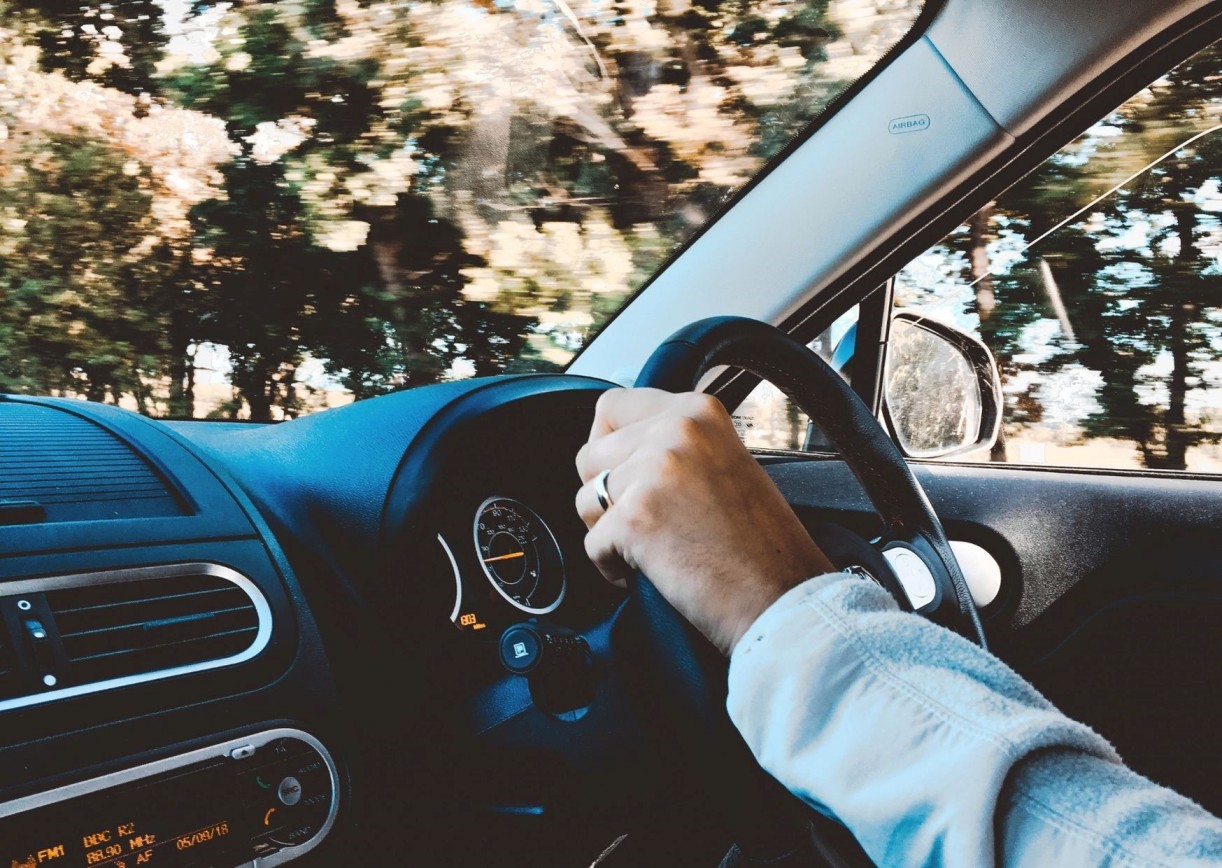
Six car driving tips for first time car buyers
Are you buying a new car? If you're a teenager, or an adult, getting a car is always a great feeling. So, excited to get behind the wheels but haven't driven a car before? Don't let the fact of being naïve hold you down because you have to begin from a lower level.
We bring some essential tips that will help boost your learning process for becoming a good driver. But, before that, don't forget to safeguard your vehicle with car insurance. We recommend you get car insurance even before you start learning how to drive.
Here are six car driving tips that every new driver should follow:
1. Get comfortable in your vehicle –
Multitasking is required while driving a car, particularly with the legs. With your feet, you must manage the clutch, brake, and accelerator. Therefore, make sure that you're positioned comfortably in the driver's seat. You should be at ease while reaching these controls. Maintain good posture, adjust your seat sliders, and place yourself in such a position where you can see all of the mirrors.
2. Hold the steering wheel in the correct manner –
This small thing is going to make a huge difference in your learning process. There's a lot you can learn about steering handling. But we'll just use the thumb rule for now. Much like a clock, grip the driving wheel with your hands at 9 and 3 o'clock for good steering control.
3. Avoid distractions –
Because most people become worried when driving, it's important to avoid anything that may lead you to lose attention and become distracted. Therefore, put your phone away because it may cause disturbance throughout the driving. The same holds true for music; we advise against playing loud music while learning how to drive.
4. Start slowly and increase progressively –
Begin your learning at a slow and steady pace. Keep a close eye on your speed and get used to it. Increase your driving speed once you're comfortable at the current speed.
5. Drive with a right mind-set –
Driving requires a lot of focus as a novice to know when to push the clutch and which way to shift the gear. Your behaviour may impact and hinder your learning process if you're uptight or in a foul mood.
6. Drive-in all situations and with different vehicles –
Get off the familiar territory and explore new routes once you've learned the basics and are comfortable with your inputs. Again, don't go all-in on a congested city trip. Take things slowly, and don't be scared to experiment with different cars. This will help you in gaining self-assurance and achieving your objective more quickly.
To sum it all, the above tips will help you in becoming a good driver, but keep in mind that the road is full of unknowns. You must safeguard your brand new vehicle with car insurance. Even if you are not at fault, a vehicle accident may be costly. Moreover, managing and paying for it can be expensive, time-consuming and hectic. A good car insurance policy beforehand comes for your car's protection.
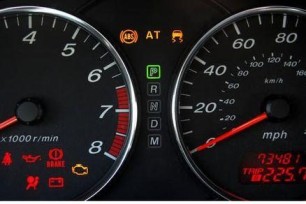
Five car dashboard warnings that you shouldn't neglect
Your vehicle’s dashboard is usually something you don't give much attention to. That's because, unless something goes wrong, it often appears the same every time you drive. Cars have thousands of moving components comprising dozens of linked systems powered by cutting-edge technology and sensors. With that much computing power on board, if any error occurs, your car will undoubtedly alert you about them.
All the warning indicators in your car are explained in detail in your car's user manual, but reading through it may seem like a chore to many. However, the warning lights are there for a reason, and knowing what they represent can prove to be the difference between a good trip and a breakdown.
Here are five warnings that appear on all vehicle dashboards that you should never ignore.
1. Engine warning indicator:
This indicator means there might be a problem with your engine's primary systems. This problem might be as minor as a faulty sensor or a damaged spark plug or as severe as a damaged fuel pump. This indicator blinks for a few seconds when you start your vehicle. If the indicator remains on or blinks continuously, it indicates a serious problem.
2. Oil pressure indicator:
This indicator means that your engine's oil pressure is low. This might also mean that you're keeping low on engine oil. If this light comes on, turn off your ignition right away. Oil's shortage can cause irreversible engine damage. Check the oil level once you've parked safely on level ground. Fill it up if it's below the required mark. If the oil level is adequate, this might indicate a problem with the oil pump.
3. Brake warning indicator:
This indicator shows that you have left the handbrake on. Still, if it continues to flash even after you release the handbrake, it might indicate a problem associated with the braking system. See a mechanic right away.
4. Battery indicator:
It signifies that the alternator responsible for charging your car battery is malfunctioning and cannot provide an adequate charge. As the cells degrade with time, it might also be an issue with the battery. With the alternator and battery functioning poorly, you should minimize its load by turning off systems like AC and LEDs. Find a mechanic at the earliest because there may come a time when your vehicle won't start at all.
5. Engine temperature indicator:
The indicator typically signifies either your engine is overheating, or your coolant level is low and needs refilling. When this indicator flashes, it’s best that you immediately come to a halt and allow your engine to cool down. Check your coolant level and search for any leaks once the car engine has cooled. If the coolant level is correct, this indicator trigger might be a sign of a more severe issue, such as a damaged water pump.
An overheated engine can distort, causing parts to fail. Avoid driving further and tow your vehicle to the mechanic to avoid further damage to your car’s engine. Your car insurance features like roadside assistance will help you get complete service in case of any mishap in the middle of the road. You can enjoy the benefits of car insurance coverage without spending money from your side.
While these indicators signal that something needs attention, there is typically no reason to be alarmed. Most warning indicators will not leave you stuck, so you can generally safely drive yourself to a service station. Remember that these indicators change across automobile manufacturers and even within the same manufacturer's models. It is best to check with your mechanic if something worrisome flashes on your vehicle dashboard before it gets you in trouble.
Click HERE to know more about different car insurance plans suited for your car.
Disclaimer: The information provided above is for illustrative purposes only. To get more details, please refer to policy wordings and prospectus before purchasing a policy.

Six benefits of exercise and good eating habits
In today’s pandemic time, wellbeing and health have become more important than ever before in our life. People have started giving serious attention to personal health like their career, entertainment and other things. Change in day-to-day habits, increase in pollution, and several other factors severely impact an individual’s health. It may lead to multiple health diseases and medical problems.
Medical bills for such diseases are high, and to protect yourself and your family from this burden, one must invest in a good health insurance plan. You can check for online health insurance policies of various companies by comparing their schemes and payable premiums.
Apart from a good health insurance plan, a regular workout and a proper diet are essential to maintain a healthy lifestyle. Following are some of the many benefits of exercising and keeping a balanced diet.
1. Prevention of disease:
Regular exercise and proper diet can prevent heart disease, high cholesterol, diabetes, high blood pressure, arthritis, and several types of cancer. Appropriate workout regimes and diet can boost your immune system to fight against all kinds of diseases.
2. Boost your mood and energy:
Diet and workouts have a significant impact on your mood. A chemical called endorphins is released due to certain exercise forms, which helps make you feel positive. A good mood and positive energy can make your day more productive at work. It also helps you to remain mentally fit.
3. Brain health and memory:
Various nuts and fruits included in your diet can help you sharpen your brain memory. Even meditation benefits you to concentrate on things quickly. The studies prove the benefits of physical exercise, especially aerobic exercise, with positive effects on brain activation on multiple fronts.
4. Relaxation and sleep:
Many of us might be concerned about our sleeping habits. A proper workout helps you to get a sound sleep. But, on the other hand, a heavy meal can turn your night into a restless one. So, both things should be in proportion, and these restless nights can turn into rich ones.
5. Help in weight loss:
Improper diet and workouts can lead to obesity, which can cause many cardiac diseases. Cardio exercises like aerobics, running, cycling, walking can help you to reduce your obesity level. Fewer intakes of calories in your diet will help your metabolism work fast and digest your food soon. Lower the fat content in your body and lessen the chances of getting ill.
6. Good for muscles and bones:
Physical activities like weight lifting and a proper amount of protein can help you build your muscles. It also helps to grow the strength of your bones and their density. Have an adequate amount of nutrition in your meal, and you'll surely see the outcome in future.
Apart from diet and proper exercise, you should have a full-body check-up once a year. An early diagnosis can help you to recover from various diseases and helps increase your lifespan. Various online health insurance companies provide complimentary full-body check-ups of the client once a year post renewal.
Your entire lifestyle wagon wheel relies on these crucial aspects, so plan your roadmap to health and fitness thoughtfully. Any negligence in this can land you up into severe trouble.
LOOKING FOR THE BEST HEALTH INSURANCE PLAN FOR YOU? CLICK HERE TO KNOW MORE…
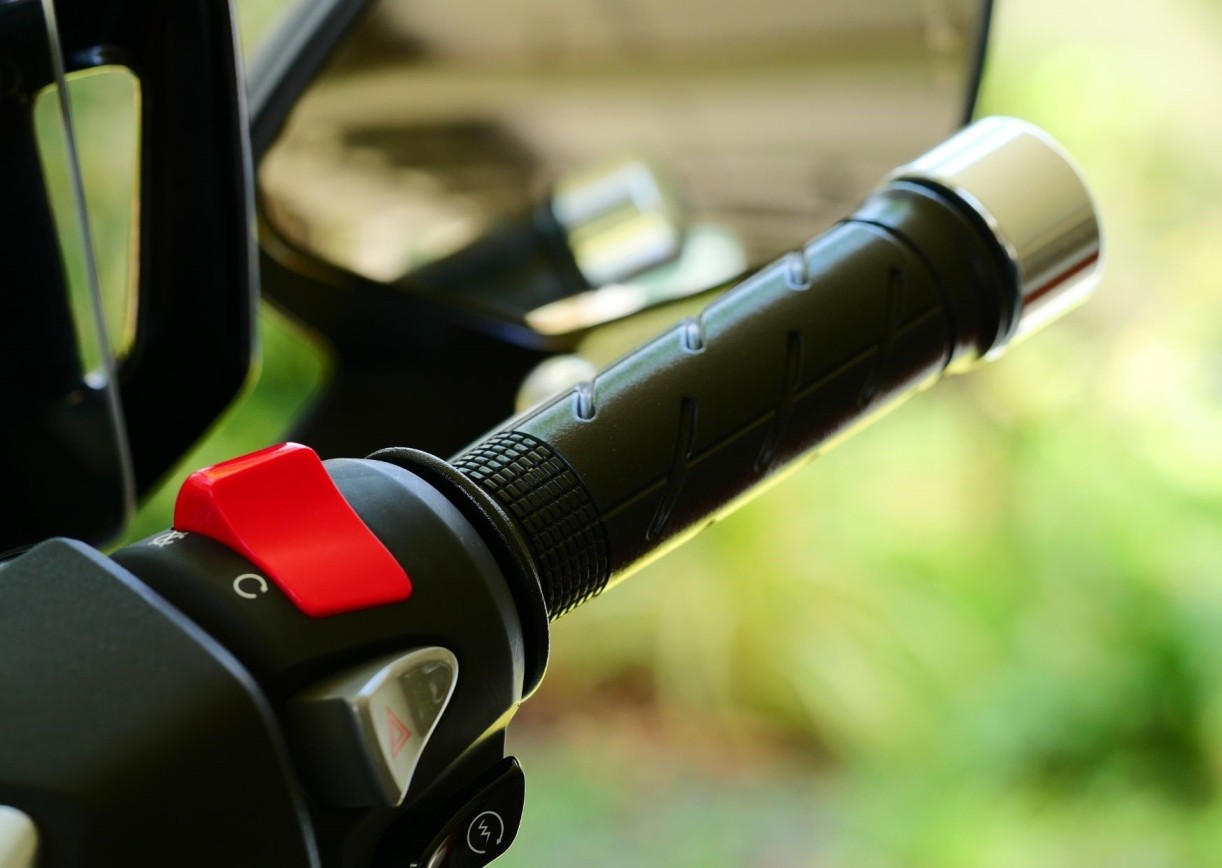
How to sell your bike at a good resale value
Your bike reminds you of road trips with friends and many other memories. But after a few years of use, there comes a time when you realize that you don't really need it now. Either you've outgrown your bike, upgrading to a four-wheeler or for any other reason, you have decided to sell your bike.
At this time, you want a good resale value for your bike and the key to a good resale value is finding a genuine buyer who can pay the highest price for it. But, before that, there is a crucial step of valuation to determine the offer you expect to get.
Read ahead to know what you should keep in mind while selling your two-wheeler at a high resale value.
Valuation: Numerous factors influence the value of a used vehicle. Several websites and tools are available online to calculate and provide you with an approximate resale price for your vehicle. You may also go to your local garage and ask for their opinion on the matter.
A few of the primary deciding factors are age, model, kilometre run, insurance record, ownership (whether it's first-hand or second-hand), overall condition of the vehicle, and engine. Always remember that getting a good value for your bike depends on the bike's physical condition and your negotiation skills.
Documentation check: To get the best valuation of your bike, ensure all the documents like the registration certificate and bike insurance policy are with you. The documents transfer process should be conducted in the new owner's name as soon as the payment is made.
Along with the RC and Bike Insurance Policy, the other required documents are Road Tax Certificate, Form 28 – Application, Grant of No Objection Certificate, Form 29 – Notice of Transfer of Ownership of a Motor Vehicle, and Form 30 – Application for Intimation and Transfer of Ownership of a Motor Vehicle.
You may visit your nearest RTO office for further details on the matter. You'll be given instructions to send certain documents and forms to the authorities, thus intimating them about the change in ownership and sale of your two-wheeler. You shall receive an acknowledgement providing that you submit the authentic documents.
Timely transfer of the mandatory third-party liability is essential. If the sold bike is involved in any accident and the insurance is not transferred, the original owner is held liable.
Finding a buyer: The most important thing for a good value is finding a buyer who is willing to pay you a good amount for your two-wheeler. There are two good options you can choose from to find the perfect buyer:
1. Local garages – It is an old-fashioned way of reselling goods, still one of the quickest to avail cash. The advantage of selling your bike at a local garage is that the finalization of the deal is often done the day you walk in. It is generally preferred to sell a thing locally to avoid processing fees.
2. Online Markets – It's becoming another popular and easy way to sell your old bike. There are multiple websites like OLX and eBay wherein you can upload a few pictures plus provide an in-depth description of your vehicle, and the interested buyers contact you.
Always be patient and wait for a few good offers while selling your bike. You might have to deal with a rookie with no knowledge, like a first-time buyer or an expert in the field who regularly deals with such negotiations. The key here is your negotiation skills. So be confident about your vehicle and your valuation, and you will surely find a good deal.
Hi there! 👋 Need help with a policy, claim, or renewal? Chat with us instantly on WhatsApp.
Start chat →