


General Insurance Blogs, Articles & Updates by - Magma Insurance
Have us call you
- RENEW YOUR POLICY
- BUY NEW POLICY

GENERAL INSURANCE BLOG

Are you downsizing to a smaller space? Here are five tips to know
Moving to a new house can be an exciting change. And downsizing to a smaller place is beneficial for many reasons, including saving money and getting rid of unused space. However, it can be a challenge to decide which things to take with you and which to give away. If you get emotionally attached to your possessions, this kind of a move may be difficult for you. It's good to have a few tips up your sleeve for an efficient and clutter-free move.
Here are a few things to keep in mind while downsizing your house.
1. Give away or throw away:
One of the effective ways to make room in your new smaller house is by giving or throwing away the items that are no longer in use. For example, if you still have your primary school books or old clothes, you could donate them to the needy. For things that you cannot give away, you can recycle or simply throw them away.
2. Avoid renting storage units:
Storage units can be a great place for storing items when you do not have enough space in your house. They allow you to keep things you no longer use or need. However, before renting one, ask yourself whether you really need it and if you are willing to pay its rent for the next ten years. Remember one rule: if you have not used the item in the last year, you do not require it anymore.
3. Measure out your new space:
It is advisable to measure the dimensions of each room and other vital spaces of your new home. Make sure to get accurate measurements to eliminate any unnecessary furniture that won't fit. Try to manage and utilize the available space smartly to avoid any issues in adjusting to the new environment.
4. Make money for your move:
If you have numerous items that you do not need but can still be used by other people, you can set up a neighbourhood garage sale or resell them online. Create advertisements to generate awareness about your shop.
5. Avoid additional costs:
When you downsize to a smaller house, it can be tempting to buy new furniture that would go with your new place. However, this can cost a hefty amount of money. Think of how you can make the best use of your current furniture, and if you must purchase new things, aim to buy used ones whenever possible.
Setting up a few rules and focusing on what you need and do not need can make your move easier. While you're at it, it might be wise to re-evaluate your home insurance policy. Investing in the best home insurance policy in India will provide you with protection and safety in your new place. If you already have an insurance plan, don't forget to inform the firm about the change in your address to ensure you continue to receive the benefits.
Click HERE to protect your new home with a layer of best home insurance policy in India.
Disclaimer: The information provided above is for illustrative purposes only. To get more details, please refer to policy wordings and prospectus before purchasing a policy.

Insurance renewal: Verify these checkboxes before your buy bike insurance
Owning a two-wheeler not only makes the commute between two places easy, it also becomes a convenient option when you want to skip the traffic.
And, as you notice the several other benefits of using a two-wheeler, you choose the best services for your bike. A well-maintained motorcycle gives the best performance and comfort. Be it the service centre or the insurance provider; you do not want to take either of these lightly. However, owing to the fast-paced life that we are leading, it can become challenging to keep note of the next bike servicing or the renewal of your bike insurance.
Choosing the best insurance provider can be a daunting task, but you can find the best options and renew bike insurance online with little research and time.
This article will look at a few things you need to keep before renewing bike insurance online.
1. No Claim Bonus:
No claim bonus or NCB is a reward that your insurer provides when you have not made any claims in the previous year. An NCB is a testimonial of responsible driving. The benefit is in the form of concessions or discounts for future renewals. Even if you switch or sell your previous bike, your NCB stays with you and is applicable on the next purchase.
2. Coverage:
You don’t need to continue with your previous policy. You can opt for insurance policies that provide better coverage at lower premiums. Over your last term, you must have realised what other services you require. Hence, choose increased coverage or make changes as per your requirements.
3. Setting the IDV:
During every renewal period, it is advisable to change your IDV. You can decrease or increase the insured declared value that the insurance provider is bound to pay you in case of a total loss of your bike. Understanding IDV is crucial to assessing the correct value for your vehicle. Opting for lower IDV means you are underinsuring your motorcycle while choosing higher IDV means a higher premium.
4. Add on covers:
While renewing your policy, you can opt for various add-ons on your insurance cover. This is an intelligent way of reaping more benefits for a slightly higher premium. These add-ons are worth the extra premium. Zero depreciation, passenger assistance, roadside assistance, NCB protection are a few options you can choose.
5. Choose in advance:
It is illegal to drive a bike without valid insurance papers. So instead of waiting for the last minute to change or renew your insurance, it is best to start looking for options before the end of the policy period. This way, you can have ample time to consider various options before you make the final decision.
These are the few things you need to keep in mind before renewing your bike insurance. Do not forget to miss out on the renewal dates, as it can affect the continuity of your policy and other benefits.
Choosing the right insurance can be a challenging task, but do not be afraid to ask questions to your insurance provider to clear your doubts. Their job is to help you figure out the best options for you. Read reviews online, as they can help you assess the credibility of the company you are opting for. You can renew bike insurance online quickly and efficiently with these things in mind.
Click HERE to renew bike insurance online.
Disclaimer: The information provided above is for illustrative purposes only. To get more details, please refer to policy wordings and prospectus before purchasing a policy.
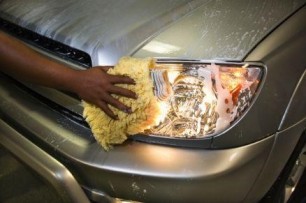
Take care of these things related to your car's headlights before setting off on a road trip
The thought of a road trip gets us all excited. It sure becomes very energetic, fun, and memorable with all our close family members and friends. As a thumb rule, you always double-check everything on your “packing list” to ensure you don't miss out on any essential item.
If you do this for yourself and your family members, how about double-checking your car before starting a road trip? Your car’s headlights also play a vital role in ensuring a safe journey during the night and avoiding any mishaps on the road.
In this blog, we will be discussing the checklist for the headlights of your vehicle that you need to take care of before starting your trip.
1. Got a fuse problem:
Check and see if you gather all information regarding the fuse blowout of your headlights. If you are sure of the damage, examine for loose wires. If you find any issues, fix them at the earliest. And if nothing works, replace the headlights (especially if there is a high beam bulb problem).
2. Do not delay replacement:
Examine the light emitted from your car’s headlights. Do you suspect that they have dimmed? If you conclude that your lights have dimmed (called burnout), you must replace the headlights with new ones to avoid risking your safety on the road, especially during the night time. Uneven terrains and night driving can be risky when you have burnt-out headlights. It poses threats of accidents and compromises the car's safety, the driver, the passengers, and other vehicles on the road.
3. Make smart changes:
Whenever you feel that there is a need to replace the light bulbs of your car's headlights, always make sure that you do so in pairs. If the light has dimmed, exchange the old bulbs for the new ones in twos. That way, it would make the headlights consistent instead of one old and one new light bulb, which would create a difference in the intensity of the light beam. It would make it difficult for other drivers to understand the indication and affect your visibility on the road.
4. Align the beams of light:
Turn on the headlights of your car and check the light beams closely. Make sure that the light is aligned and aimed at the road. If the light is directed towards the vehicle approaching your direction, it may cause an accident as the other person would find it difficult to see what is in front of them. This would result in a fatal crash endangering car occupants and other vehicles on the road.
These were some tips you could take care of related to your car’s headlights. Few other pointers include upgrading the versions of headlights compatible with your vehicle and other DIY hacks for which you wouldn’t always need a professional mechanic to help you with minor replacements, etc.
And while you ensure the checklist of your car’s headlight before heading on a trip, it is also essential to verify that your car insurance is updated. Keep track of your car insurance renewal dates to avoid interruption in the benefits and save your policy from lapsing.
Click HERE to know more about car insurance renewal.
Disclaimer: The information provided above is for illustrative purposes only. To get more details, please refer to policy wordings and prospectus before purchasing a policy.

Implement these tips to ensure the safety of truck drivers by minimizing accidents
Driving trucks is considered to be a dangerous job in many countries. It requires more strength, focus, and training to drive a massive vehicle. Most trucks have more than six tyres, whereas large trucks can have eighteen wheels and more. Truck drivers have to be very cautious operating such heavy machinery with material weighing tons. They need to be careful on a busy road with smaller-sized vehicles around.
Trucks are an integral part of the transportation and logistics teams. They help move various supplies around several industries and within different sets of factories within a single sector.
In such scenarios, the training of truck drivers becomes essential. By training them about the rules and safety measures, you protect them and avoid the risk of accidents and subsequent medical costs and insurance claims. But what are specific pointers for truck drivers that they should follow strictly?
This blog will discuss all the measures they can take. Implement these tips to ensure the safety of truck drivers by minimising accidents.
1. Stay patient:
While driving such a giant vehicle, truck drivers need to ensure that they are calm, relaxed, and attentive. Even the tiniest anger or frustration can distract drivers who can have severe accidental consequences and potentially cause heavy damage to the truck, other vehicles, and people on the road. Drivers must avoid any road rage behaviour and mindset even when cut off or honked by other drivers on the road.
2. Seatbelts are a must:
Wearing your seatbelt is a universal rule for all four-wheelers and above. Trucks bear no difference here. It is even more necessary since trucks are enormous, and maintaining balance, sudden jerks, close calls with other vehicles, and poor road conditions can be tricky for a driver. You can lose momentum and control of your body during such sudden movements and putting your driving at risk.
3. Be on the lookout for blind spots:
Blind spots can make your life challenging as a truck driver. It is often difficult to see the positioning of other cars, and the side view and rearview mirrors might not be of a huge help due to the height and captured visibility. Hence, while driving the truck, it is suggested that they leave a gap around the corners. Keep a watch manually while changing lanes to avoid the risk of blind spots.
4. Use signals correctly:
It is crucial to know what each signal means and how it would impact you and other vehicles on the road while moving. Give the proper indication so that the car around you knows which direction you might be turning. Leaving the other drivers on the road hanging and anticipating your next move can cause dangerous collisions and accidents.
Other tips include carrying a bag of spare essentials for emergencies, avoiding alcohol before and while driving, having spare parts and tools handy, not using cell phones or any other gadgets while driving, etc. These measures are quite common and essential to implement earnestly.
That’s a wrap on how you can implement these tips to ensure the safety of truck drivers by minimising accidents. It is equally important to take care of your truck since it encounters different terrains, and long distances can cause wear and tear of the tyres and damage other parts. For such sudden circumstances, motor insurance will safeguard your vehicle. You can explore your options and buy motor insurance online to provide firm protection to the big machine.
Click HERE to know more about how you can buy motor insurance online.
Disclaimer: The information provided above is for illustrative purposes only. To get more details, please refer to policy wordings and prospectus before purchasing a policy.

Let us know more about 'Act of God' insurance and their clauses
The events that are not under any human's control, cannot be predicted, and are bound to happen, are called an "act of God." The unavoidable destruction caused by natural disasters, including earthquakes, floods, cyclones, volcanic eruptions, asteroid collisions, etc., are considered "act of God". One cannot estimate these vast events, and occurrences cannot be counted at their time of happening. They happen, and humankind must bear the passive consequences of such active events.
Did you know that insurance covers damages due to “act of God” events? Let's learn more about the chronology of events and decisions taken by the government and other companies and help you become more knowledgeable about insurance and its clauses.
1. What exactly is the "Act of God" insurance?
This insurance covers damages and losses done due to incidents that come under the act of God. But if there is any harm or damage done to the property due to human ignorance and negligence, family dispute, etc., you will not be reimbursed and covered through the act of God insurance.
2. Is the "Act of God" coverage the same everywhere?
A lot of similar events are covered in the act of God insurance. The similarity is relatively high. But certain events might be an odd one out in a policy and is not included for other circumstances. You need to keep yourself up to date with the clauses, terms, conditions, prices, renewal rates, exceptions, etc.
3. Do you need to assess your insured properties and assets?
You need to evaluate your properties, assets, etc., that are insured. It is essential to assess the risks of those possessions and chart out the potential risks that can happen under God's name. This will help you clarify the dangers and negative possibilities and how you could recover from them using the liabilities that come under the act of God insurance. These risk evaluations will help you reap the benefits and help spread awareness about the act of good insurance and its pros and cons.
Another important clause is the extreme climate conditions you need to be aware of. You must purchase the act of God insurance for third-party protection and security of your properties, etc., against all unavoidable dangers. The policy is eligible for termination if the authorities observe any inconsistencies, negligence, zero remorse, and rectification of mistakes. Examine the policy in detail and watch for any hidden clause and terms and conditions that might devoid you of the "Act of God" insurance benefits. You need to present the proof of these events to claim your insurance and reap the benefits that come along with it. Also remember, insurance companies may limit the coverage for acts of God under some specific terms and conditions.
Apart from the "Act of God" events that you might or might not see coming, you need to take care of the risks which can make you liable/responsible for inevitable mishaps (e.g., a machinery accident in your factory causing injuries to the workers). You need to purchase public liability insurance in India to cover such alarming accidents. Explore your options and determine which insurance plan suits you and your business's needs.
Click HERE to know more about the best public liability insurance in India.
Disclaimer: The information provided above is for illustrative purposes only. To get more details, please refer to policy wordings and prospectus before purchasing a policy.
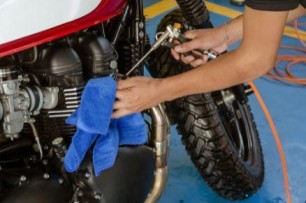
These good habits can increase the longevity of your two-wheeler
As a bike owner, you enjoy all the perks that come with it. Whether going to the nearest grocery store to get your monthly supplies or taking an impromptu long trip, one can not deny the many benefits of owning a two-wheeler. But as with great power comes great responsibility. Having a bike also means dedicated time to take care of it. So, it is your responsibility to keep your bike moving and functioning.
Irrespective of how often you drive your two-wheelers, it is susceptible to daily wear and tear. It is, however, possible to increase the longevity of bikes to some extent.
In this article, we will take a look at a few ways in which you can increase the longevity of your two-wheeler. Extending a bike’s life is not a very challenging task. You need to be slightly attentive to the signs indicating any faults and provide regular upkeep without constantly worrying about maintaining it.
1. Regular servicing:
Regular servicing ensures that the bike performs optimally. Your service cycle depends on how old your bike is. Speak to an expert and understand the servicing cycle for your two-wheelers. Things such as changing engine oil, ensuring proper functionality of brakes, checking for corrosion are a few things to note during the next servicing.
2. Riding habits:
The lack of coordination between the clutch and gear affects the bike’s performance in the long run. This puts an unnecessary load on the engine if done constantly. Giving ample time to yourself to understand gear shift and the bike's speed will help you perform better on the road.
3. Manage the load:
Overburdening the bike during long road trips can have dire effects on the vehicle. You must balance out excessive workload with regular maintenance. However, if you overload the bike with minimal aftercare, the bike is bound to break down eventually.
4. Keep it clean:
Maintaining your bike through regular cleaning can help you increase the functionality of your two-wheeler. Use soaps specifically meant for your bikes to wash with water and a cloth. Always wipe the bike thoroughly after every wash. After driving through rains or dirty tracks, wipe down your bike to avoid dust and dirt accumulation to avoid corrosion.
Dust and dirt can affect the engine’s functionality and spoil the paint job on the vehicle. A dirty bike is more susceptible to various problems such as rusting that can impact its overall performance.
5. Take note of minor changes and problems:
Usually, vehicles produce different sounds or low-performance levels as an indicator for various problems that are likely to arise. Do not neglect the problems, immediately take your two-wheeler to the service centre and get it checked thoroughly.
These were a few things to keep in mind if you want to ensure a long life for your two-wheelers. Sometimes no matter what you do, your bikes can still cause troubles and might need extensive servicing and change in parts. All changes said and done can come out to be pretty expensive.
It is a wise option to invest in 2 wheeler insurance to cover the damages, cost involved in repairs, and replacement of parts. Buying an ideal 2 wheeler insurance is also a good habit of increasing the longevity of your two-wheeler and can be beneficial for it to cover more distances.
Click HERE to know more about 2 wheeler insurance.
Disclaimer: The information provided above is for illustrative purposes only. To get more details, please refer to policy wordings and prospectus before purchasing a policy.

These can be the probable reasons for your bike failing to start
It can be highly frustrating for any rider to turn the key in the ignition, and the vehicle fails to start. There are several reasons for your bike giving way and facing trouble starting smoothly. While a motorcycle's design is simple to understand, it can be challenging to point out the reasons for these ignition issues. However, knowing about the possible reasons causing these issues is essential in maintaining your vehicle and fixing these problems.
You may consider the extreme winter season to be the main reason your bike fails to start, but there are several more. While you can always rely on bike insurance for critical problems, you can read the points below to learn the probable reasons for the two-wheeler failing to start.
1. The battery is weak or dead:
Some two-wheelers are designed to start using an electric self-start. Their motor is dependent on the battery. If this motorcycle does not start when you press the self-start button, it could be because the battery did not transfer a sufficient charge to kickstart the motor.
A weak or dead battery cannot provide this high voltage to the engine, and therefore, the electric self-start won't be operational. In this case, you may have to call a mechanic to either recharge or replace your bike's battery.
2. Too cold:
This frozen state of the bike is caused mainly due to extreme cold weather conditions. Combustion doesn't occur correctly as the gasoline in the vehicle doesn't evaporate when mixed with air. There might be ice build-up that is causing the malfunction. You can use a space heater directly on the engine for 15-20 mins to get your motor running.
3. The fuel tank vent is clogged:
Since the fuel tank vent in most motorcycles is too narrow, it becomes inconvenient to supply fuel to the intake system consistently. The vent can get clogged due to no regular maintenance and cleaning, and the fuel supply gets restricted. If you find yourself stuck in this mess, try to unclog the duct with a thin pin or get it cleaned.
4. Blocking intake or exhaust:
A blocked airbox or a blocked muffler exit may be another significant reason your bike won’t start easily. The motorcycle’s mechanism is dependent on the intake and exhaust system, and your bike will give away if it is restricted or clogged for some reason. Get it checked by a professional as soon as possible to avoid further damage.
5. The clutch does not engage properly:
The clutch lever needs to be correctly pulled to start your bike successfully. Often, problems can occur in the ignition when the clutch does not engage correctly. Try again by bringing your transmission into neutral and then starting the bike. Sometimes, riders turn off their bike while in gear and forget to put it back into neutral. You must set your bike into neutral and start again.
6. Problems with the spark plug wire:
A loose or cracked spark plug wire can also cause your bike to fail to start. Constant heating of the engine will eventually deteriorate the material of the wires in the motorcycle over time. Places with extreme weather conditions can be a catalyst in the cracking of the spark plug wire. If you find any cracks or slits in your bike's wires, replace them to avoid any issues.
These are a few likely reasons why your bike may fail to start. While investing in a reliable bike insurance plan can secure your vehicle by covering the expenses involved in the garage repairs, it is essential to know about the issues that could arise with your two-wheeler. Being aware and getting to the root of every problem can avoid future losses.
Click HERE to buy a comprehensive bike insurance plan for your new bike.
Disclaimer: The information provided above is for illustrative purposes only. To get more details, please refer to policy wordings and prospectus before purchasing a policy.

Here's why windshield wipers are important
What are the primary things that come to your mind when you think of car maintenance? Oil changes and engine inspections. But what most of us forget are windshield wipers. These underrated blades are just as crucial as the engine of your vehicle. We do not need them often, and wipers don't seem to do much in our daily driving. So, it's assumed that they don't require much attention. However, during unexpected changes in the weather, wipers are an integral part of your vehicle maintenance to ensure safe driving.
Why are car wipers important?
The first pair of wipers for cars were made back in 1903, and since then, their use has advanced significantly. These key technologies improved car safety and allowed drivers to travel in adverse weather conditions. Latest windshield wipers come with a variety of enhanced functions and settings. Modern devices have been built to be simple to use, effective, and maintain clarity while driving.
Importance of maintaining wipers:
It is common knowledge that clear vision is the most critical driving component. Appropriately functioning wipers are a way to ensure complete visibility for the driver.
If you don't repair your windshield wipers on time, the blade may tear and break away from the wiper. As a result, the bare metal or plastic wiper arm can scratch the windscreen as it scrapes over it. Damaged windshield wipers can also produce scratches on your glass, resulting in higher repair costs. It's far easier to examine and change your wipers regularly than paying for windshield repairs.
Windshield wipers' care varies from place to place, depending on the region you live in and their frequent use in the vehicle. However, the wiper blades are supposed to be replaced every six months.
How to clean / replace your wiper blades:
Regular cleaning of the wiper blades should be done to increase their efficiency. You may begin by wiping the wipers down with clean towels and mild detergent. Then clean the edge of the blade with a towel soaked in alcohol to get rid of any leftover grime and dirt.
Replacing wiper blades regularly is a low-cost investment in your driving security. To begin, measure the durability of your wiper blades or consult your car's owner's handbook for the correct information. After that, you may buy and install fresh blades. Next, lift the arm of the windshield, press on the little button under the wiper, and slide the blade off downhill to remove the old blades. To swap the blade, tighten the new blade onto the arm. When done, a clicking sound should be heard.
Safe driving requires total visibility of the front view while you are in the driving seat. When rain or snowfall strikes, be sure you're ready with a clean windscreen. Therefore, ensure to inspect your wiper blades regularly and replace them when required. Also, add washer fluid and make sure to maintain the right combination. Maintaining your wipers and washer system is a simple and inexpensive method to keep you and your family safe while driving. Also, do not forget to invest in a reliable motor insurance India policy to keep your vehicle insured and obtain the benefits that it has to offer.
Get the best motor insurance India policies HERE .
Disclaimer: The information provided above is for illustrative purposes only. To get more details, please refer to policy wordings and prospectus before purchasing a policy.

These important tips can make riding in the bright sunlight easy for new riders
We often hear people talk about the beautiful roads and the impeccable views that are part of road trips. Especially during winters, we listen to riders talk about taking their bikes out to enjoy the sun's warmth above them. And, summer brings exciting travel plans to exotic destinations.
However, before setting for a bike ride on a sunny day and making your trip experiential and worthwhile, consider the following tips.
1. Sunglasses or tinted visors:
If the sun is glaring right at you from the opposite direction, it becomes challenging for the riders to see the road ahead and the fellow drivers on the road. Getting a pair of sunglasses ensures that your vision is not tempered and you have a clear view of everything on the road.
If you are someone who does not fancy wearing a sunglass, opting for a tinted visor is a great alternative. Tinted visors can double up as sunglasses and a face shield to prevent your skin from burning directly under the sun.
2. Wear appropriate gear:
If you are traversing through long stretches of roads, it is best to wear a bright-coloured vest. This will ensure that the person coming from the opposite side notices you, thus preventing a collision.
Another thing to note is that driving through harsh conditions will require you to wear anti-abrasion and impact-resistant gears. Opt for gears with mesh panelling to help you remain cool but protected against extreme heat.
3. Carry water:
Driving under the sun can cause dehydration and exhaustion. Take pit stops in the middle to drink water and rest. It is extremely important to maintain your body’s water levels. As you start sweating, your body will lose water. This can lead to heat-related illnesses. Do not forget to carry electrolytes for added benefits.
4. Vent the helmet:
Venting the helmet can help in cooling down immensely in hot weather. While riding, keep the vents open to dissipate the heat and allow air to sleek in for freshness.
5. Wear gloves:
The gloves will act as a barrier between your palm and the accelerator to avoid sweating and reduce the risk of accidents. They even protect your skin from direct sunlight, preventing the palm skin's tanning.
6. Apply sunscreen:
Ensure to lather your skin with enough sunscreen to protect the exposed body parts. Use sweat and water-resistant ones with at least SPF 30 rating.
7. The 12-3 rule:
Unless absolutely necessary, skip the riding in the peak hours between 12:00 noon and 3:00 pm. As this is the hottest period of the day, it is best to take a break. You could use this time to grab your lunch and restock your energy and water supplies.
These are a few tips that you can follow to make your drives easy and less tiring. However, if you feel dizzy or lightheaded, your body could be overheating. This could lead to heat strokes and can be fatal. Under such circumstances, it is best to pull over and rest under the shade or in an airconditioned restaurant or supermarket.
Long road trips can be exhausting for you and your bike. Take a day off to relax and drop your bike off at the nearest service station for a quick check-up before you set out on your next trip. Add value to the whole experience by investing in bike insurance to sit back and not worry about the expenses you might face later.
Click HERE to know more about bike insurance.
Disclaimer: The information provided above is for illustrative purposes only. To get more details, please refer to policy wordings and prospectus before purchasing a policy.

Try these six remedies to treat food poisoning at home and get instant relief
Trying various foods is always tempting but can also cause food poisoning or other stomach related problems. We experiment with new foods and cuisines but often overlook the consequences.
Food poisoning is mainly caused by bacteria, viruses, and parasites in food. Symptoms include vomiting, diarrhoea, nausea, abdominal discomfort, fever, etc. Food poisoning is accompanied by a stomach infection that makes your body lose more water than usual. Drinking plenty of fluids and avoiding solid foods is the first line of defence. As innocuous as it may appear, food poisoning can become life-threatening if not handled promptly.
However, you can treat minor cases of food poisoning at home with a few common everyday items. Read more to know about these magic ingredients from your kitchen that will soothe your food poisoning.
1. Garlic cloves:
While the idea of gulping raw garlic may be unsettling, garlic is famous for its antibacterial, antiviral, and antimicrobial properties. These characteristics make it an excellent home remedy to combat food poisoning. Take a couple of cloves of garlic and chew on them. Afterwards, drink some warm water.
2. Ginger:
Ginger helps decrease the symptoms of food poisoning. Its anti-inflammatory properties soothe your stomach lining. Boil a cup of water with one scoop of grated ginger in it. Alternatively, you can directly eat ginger slices.
3. Cumin:
Cumin seeds, also known as jeera, provide immediate relief. Boiling one teaspoon of cumin seeds in water can cleanse your system. You can also combine it with one teaspoon of coriander juice and a pinch of salt. It stimulates the activity of digestive enzymes in your body, thereby improving digestion.
4. Lemon:
Lemons have anti-inflammatory, antiviral, and antibacterial qualities that fight the microorganisms causing food poisoning. Drink warm lemon juice and stay hydrated to reduce the pressure on your stomach.
5. Curd with fenugreek:
Curd contains beneficial bacteria that aid in the fight against other harmful bacteria in the body. Fenugreek seeds also have a high amount of soluble fibre, which absorb water and act as a lubricant, aiding in treating gastrointestinal discomfort. Consume one teaspoon of curd with one teaspoon of fenugreek seeds to ease your stomach.
6. Holy basil:
The best herb against food poisoning is holy basil or tulsi. This plant has many antibacterial characteristics that can help lessen the impact of food-borne diseases. For immediate relief from the symptoms of food poisoning, chew on a few fresh leaves that can be easily spotted in all Indian homes.
These are some tried and tested home cures that have proven to be effective through time. While some may notice a significant improvement in symptoms, others may not. In such circumstances, you must act quickly and seek medical assistance at the nearest health care facility.
It's always wise to plan for such unforeseen concerns by investing in health insurance. While you're taking these steps to cure food poisoning, your health insurance covers your medical bills in case of an emergency. Get one immediately from online health insurance companies and be secured by comprehensive coverage that can act as a strong safety net.
Click HERE to learn more about health insurance policy for you.
Disclaimer: The information provided above is for illustrative purposes only. To get more details, please refer to policy wordings and prospectus before purchasing a policy.
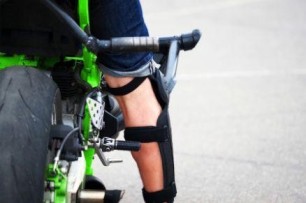
These are a few mistakes done by riders with short height
There is no denying that riding bikes is a dangerous sport. It requires a lot of focus, physical work, mental stability, and risk-taking ability. It is an expensive hobby or passion to take up. Professional riding bikes are costly, and the riding gears demand a heavy investment.
While no sport is supposed to discriminate between different attributes of the sportspersons, the short-heightened riders need to be a little careful while riding their bikes. It can be a bit difficult for them to control their bikes due to their short height. Short riders can make a few mistakes out of no will of their own but due to their physical features.
How would you identify the errors these riders are making? This blog will discuss those discrepancies caused by the riders.
1. Not paying attention to the gear:
It is alright if you do not want to purchase the most expensive biking gear available. But skipping out on paying attention to the gear, quality gloves, and boots could negatively affect your riding. Boots keep your feet in position, and the heels give you a certain height which would help you gain control of the handlebar and the bike in a better manner. Premium quality gloves would help you handle the control of your bike and avoid any slips of the gears, throttle, steering, and clutch, even on tricky and rocky terrains.
The gloves and the boots solve your height issues and give you better control of the bike. They help you avoid any accidents or compromise your safety. You would be more efficient and capable of managing the bike better and have a comfortable journey.
2. Not working on your driving skills:
Several riders with short height pay way too much attention to the hardware of the bikes. While it is essential to learn and have a detailed understanding of the features and the hardware that goes into building the bike and making it function properly, it is equally important to work on your driving skills.
Honing your skills would help you achieve better control in stressful situations and increase your response skills which would come in handy when you have a sudden decision to make while riding. You can focus on specific skills that would help you maximize your bike's output, not put your safety at risk and gain better access and control of the motorcycle, thus nullifying the issues that might come with having a short height.
3. Position your bike correctly:
Learn how to change your motorcycle positioning. If you have plans to lower it, think again. You will reduce the ground clearance, which will affect your ability to lean your bike correctly. This might also increase your chances of sudden falls and possibility of disbalance putting your safety and bike performance at risk.
Some other things you can take care of are leaning left while stopping, practicing with a good bike on which you can put your feet flat on the ground, etc.
That’s a wrap on the few mistakes made by short-height riders. While we discussed the specific type of riders here, such mishaps are not only limited to short-height riders. A bike can get severely damaged in all these scenarios, and the rider’s safety can be compromised. Get your bike insured to avoid such risks and cover the damages involved in sudden circumstances. You can explore your options, purchase two wheeler insurance online India, get the best premium with plethora of benefits, and stay financially stress-free.
Click HERE to know more about buying two wheeler insurance online India.
Disclaimer: The information provided above is for illustrative purposes only. To get more details, please refer to policy wordings and prospectus before purchasing a policy.
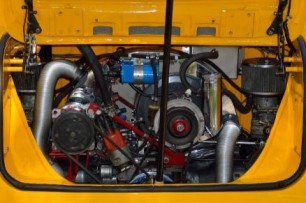
Which is a better option for buses: rear-engine or front-engine
We often see new models and designs of the buses plying in the neighbourhood. These buses with new technologies are not only designed to look aesthetically pleasing but also to support aerodynamic needs and the vehicle’s functionality.
Bus engines and their placements play a crucial role in the handling of the bus, its performance, and impacts the passenger experience. It is difficult to make a call as to which engine is better suited for the bus. Various characteristics factor into what kind is better, and we will look at them.
In this article today, we will discuss the pros and cons of rear and front engine buses so that you can have a detailed understanding of both options.
Benefits of the rear engine:
1. The rear engine does not block the centre or the front of the bus, thus making it easier for passengers to walk and aiding in the free flow of traffic.
2. Rear engine buses are comparatively lighter than front-engine buses.
3. The rear-engine buses have a quieter cabin due to the location of the engine at the rear. This gives a better driving experience for the drivers with less disturbance from the engine noise.
4. It aids in better visibility and comfort for the driver.
Disadvantages of the rear engine:
1. The engine takes up space in the back, thus providing lesser luggage space.
2. Rear engine buses are more expensive as compared to front engine buses.
3. Since the vehicle’s entire weight upon an uphill journey is concentrated on the back, it becomes difficult to traverse hilly roads.
Now, let's look at the merits and demerits of the front engine.
Benefits of front engine:
1. The weight of the bus is well balanced on all wheels.
2. The different parts of the bus, such as the engine, clutch, etc., are easily accessed for any repair or maintenance.
3. Better cooling since the radiator is attached to the front, and it gets a natural draft of air due to the forward movement of the bus.
4. There is more luggage space at the back of the bus.
Disadvantages of front engine:
1. Since the engine is in the front and amidst passengers, it can be loud for everyone.
2. Heat emanating from the engine makes driving inconvenient.
3. The horizontal steering becomes challenging to maneuver for drivers.
4. Reduced cabin space due to the presence of an engine in the cabin.
These are some of the benefits and disadvantages of each of these buses and their engine types. It is difficult to say which is better simply based on the positioning of the engines. Various other factors, such as fuel efficiency, driving comfort, the safety of people on-board, etc., are to be considered when investing in heavy-duty vehicles. This article solely focussed on the engine type to help you understand the different functionalities of said buses.
Even when investing in the best option available, you have to take care of your vehicle’s regular maintenance and upkeep. Keeping a tab of service cycles, investing in good motor insurance, and timely online motor insurance renewal is crucial for your vehicle’s longevity and efficient functionality. Hence, do not skip on these essential aspects of vehicle care.
Regular maintenance can help you extend the lifetime of your big machines. At the same time, motor insurance acts as a safety net to guard you against any expense that you might incur due to accidents, thefts, or other forms of damage.
Click HERE to know more about online motor insurance renewal.
Disclaimer: The information provided above is for illustrative purposes only. To get more details, please refer to policy wordings and prospectus before purchasing a policy.

Wondering how to keep your car cool during summers? Here are the best ways to do so
Summers in India are pretty difficult to handle as the temperature can exceed over 45 degrees celsius, making it arid and humid. Humans can quickly get affected due to such hot weather, and it becomes unbearable to travel anywhere. While you can take care of yourself by drinking sufficient fluids and staying hydrated, your car needs an equal amount of maintenance,
especially in the summers. You must have seen how difficult it gets to drive anywhere during the hot season. Due to the temperature rise, the car becomes too hot to sit in and drive during a peak summer day.
Are you wondering how to keep your car cool during summers? Read this blog till the end to understand the tips to get the best results and protect your car from high temperatures.
1. Support solar technology by getting a solar-powered fan:
You can get a solar-powered fan for your car to cool down car interiors. It's better to use the sun's energy and heat instead of getting roasted. The solar fan helps balance the air inside the vehicle by extracting the hot air from the cabin. Regulating the process of constant circulation prevents overheating and avoids the stuffing of hot air.
2. Cross ventilation is a solution:
We all know how cross-ventilation works in our homes, kitchens, etc. Similarly, whenever your car is parked in the summers, especially if it is parked under the sun, it would be an intelligent solution to open the car's windows just enough to let the air pass from one window to another and circulate inside the cabin. Thus, a single temperature will not be maintained, and the car would be more comfortable to drive.
3. Park at the right place:
Look for some shade and park your vehicle under it to maintain a relatively low temperature for the car's body. A shade will protect the car's body from getting overheated due to the extreme temperatures and exposure to the direct sun, thus making the cabin bearable to sit and travel in. You can also cover your car to safeguard it against the hot weather, but it is a little more hassle than finding fully covered spots which provide shade to your vehicle.
4. Think about your steering wheel:
Summers spare nothing, not even the steering wheel of your car. Due to the hot climate, your car cabin temperature rises and affects the steering wheel, making it too hot to hold. You can cover your steering wheel with a light cloth to counter this. Avoid darker steering covers as they tend to absorb heat from the sun, making it unbearable for you to touch the steering wheel.
As we discussed protecting your car against high temperatures and how you can keep it cool, it is also essential to safeguard your vehicle against other damages that you may or may not see coming. Purchasing car insurance is an intelligent choice to cover your priceless possession under the safety net of financial benefits. But you need to make sure that you are aware of all the terms and conditions, including the new car insurance rates, before you make your final decision.
Click HERE to know more about the new car insurance rates.
Disclaimer: The information provided above is for illustrative purposes only. To get more details, please refer to policy wordings and prospectus before purchasing a policy.
Is it good to ride your bike on reserve all the time
Fuel is one of the essential things needed for your bike to function efficiently. It generates power in your bike and makes it operable. You cannot risk being low on fuel or having no fuel in the tank. But there are times when you forget to fill up the fuel tank, and get stuck in an area with no petrol pumps around, or the fuel starts leaking, and you don't notice until the very end. What are you supposed to do then?
For such situations, bike manufacturing companies brought in the concept of reserve fuel. The reserve tank permits you to drive your bike till you find the nearest petrol pump and refill your tank. It is a fail-safe option in your main tank whenever you are stuck in a no-fuel situation.
However, this raises questions. Is it appropriate to ride your bike on reserve? What will happen to the bike's performance and efficiency? Let's address these.
1. No warning:
You can run your motorcycle on reserve all the time, but you might use up all the fuel without any warning signs that your tank is empty. This means that your bike can stop suddenly due to zero fuel, and you would have to push it to the nearest gas station.
2. Less power:
Driving on low fuel puts pressure on your bike's engine. As a result, the engine's power deteriorates over time and hampers your bike's performance significantly.
3. Practice occasionally:
The two reasons mentioned earlier are why you should not run your bike on reserve all the time. But it is advised that running your motorcycle on reserve from time to time is a good practice as it is essential to occasionally use the fuel in the lower part of the fuel tank. But, ensure that this is carried out periodically and doesn't become a habit.
4. Dirt collection:
In the previous point, we discussed that it is necessary to use the fuel in the lower part of your fuel tank. Why is it essential to do so? The lower part of your fuel tank is where a lot of dirt, dust, water, etc. is collected. And when you avoid riding your bike in reserve mode, all dirt and moisture can accumulate and fill up the reserve tank. This might end up clogging the main tank.
This accumulation can be challenging to deal with. It will involve a lot more tank maintenance, and frequent visits to the mechanic to get the tank cleaned, fixed, or even replaced, none of which is quick and easy to manage.
So, all in all, is it good to ride your bike on reserve all the time? It sure does not cause any severe harm as long as you are careful. Switching your motorcycle to the reserve mode means that the fuel will flow from the reserve tank instead of the main tank to the carburetor.
While riding in reserve is one of the many questions about motorcycles and their maintenance, other factors contribute to your bike's proper and efficient functioning. It is wise to insure your bike to protect it against any sudden problems with the parts or severe damages, which might involve a lot of repair expenses. Try investing in reliable motor insurance India and assure your bike a long life.
Click HERE to know more about motor insurance India.
Disclaimer: The information provided above is for illustrative purposes only. To get more details, please refer to policy wordings and prospectus before purchasing a policy.

Know about these ten tips to deal with hand numbness while riding
Hand numbness affects all bikers, from beginners to professionals. A few hours into riding a bike, you may begin to feel tingling in your palms and fingers. The stinging sensation is caused by compressed nerves in the shoulder, elbow, or wrist and might last several hours.
You shake it off in the hopes of alleviating the dull ache, but it doesn't seem to work. So, what is the solution? Even if these techniques do not eliminate the condition, they can at least assist in easing or lessening the numbness while riding.
1. Wear protective gloves:
Vibration stresses the nerves and forces you to hold more tightly than usual. Wearing padded gloves might assist but make sure they're not too tight since this can complicate the issue.
2. Alter your arm position:
Keep changing your grip on the handlebar throughout the journey to prevent exerting the same persistent strain on your wrists.
3. Loosen up the elbows:
Relaxing your elbows engages your torso muscles, relieving strain from your hands. Let your elbows rest in all situations to allow you to soak vibrations from the road.
4. Maintain body balance:
Don't forget about your core. Maintaining your body's balance while riding may dramatically reduce the amount of pressure on your hands.
5. Tune-up your bike:
Ensure that the bike's suspension is correctly tuned and the tyre pressure is perfect before every ride. Decreasing the vibration is crucial to experience a smooth ride.
6. Get your bike altered to fit:
Bike fitting suggests moving the seat rearward, lowering it, adjusting the tilt, and elevating the bar. This will distribute your weight back and away from your hands.
7. Have a hold:
Consider adopting thicker, softer, and sticky grips so you don't have to grasp the handlebars as tightly. Another alternative is to use ergonomic grips. They're designed to assist you in positioning your hands correctly and relieving pressure spots.
8. Utilize your core:
Take note of your general position and the amount of involvement of your back and core muscles when riding. By focusing your conscious attention on your body's mechanics, you'll be able to make real-time modifications to ease the pressure on your arms and hands.
9. Physiotherapy:
If the numbness in your hands worsens or persists, you should seek medical advice from a physical therapist. They will determine the treatment by assessing the problem's root cause.
10. Stretching:
A few minutes of full body stretching before each trip will also reduce your muscles' numbness and strain. Basic stretching and strengthening exercises for your hands, wrists, and forearms will help prevent hand numbness.
It's common to exert strain on your arms and shoulders while biking. This usually happens unintentionally when you are in an unwanted environment, such as a traffic jam. Even if we take it easy and try to let go of the pressure, our hands and shoulders still tense up. As a result, discomfort and continuing difficulties in the muscles of the upper back result from this circumstance.
It's not just you who faces problems due to excessive riding, your bike also suffers through wear and tear and may eventually get damaged. Be prepared for this by looking up appropriate 2 wheeler insurance online that offers you the best-suited benefits for your needs and ensures the safety of your possession.
To get 2 wheeler insurance online, click HERE .
Disclaimer: The information provided above is for illustrative purposes only. To get more details, please refer to policy wordings and prospectus before purchasing a policy.

Here are a few anti-theft devices and how they can impact your motor insurance
Automobile theft instances have increased drastically throughout the country. In older times, thieves used to steal a less guarded motor vehicle using standard keys. To counteract this, automobile manufacturers designed the keyless remote system, prompting thieves to become more tech-savvy. As a result, thieves began stealing automobiles by employing black market gadgets that could delete data and even replicate the signalling of the keyless remote.
As a result of all this, owners have started installing anti-theft devices in their motor vehicles. These gadgets serve as an alert system and help save money on auto insurance rates.
How exactly do these devices affect the insurance premium?
Your insurer is responsible for compensation if your automobile is stolen. Automobile insurance providers recommend anti-theft systems to prevent criminals from taking your vehicle and, as a result, avoid paying the expense of your loss. If your car has a lower chance of getting stolen, the insurer will also benefit from it. Thus, every motor insurance company in India will provide discounts on the amount you pay to insure your vehicle.
Now, let us talk about some anti-theft devices that you might want to check for your motor vehicle too.
1. Alarms:
When the alarm system detects an unwelcome touch, it makes a loud noise. A burglar is likely to ignore your automobile if you have an alarm system because it attracts attention.
2. G.P.S. trackers:
You can track your automobile while it's moving when the G.P.S. technology is installed. Some versions even allow you to get warnings by push notifications and text messages on your phone.
3. Remote Disabling System:
These are some of the latest developments in anti-theft technologies. These gadgets link to your smartphone and allow you to brake, downshift, or decelerate. A con about these devices is that they are a bit expensive and hence seen less in passenger vehicles.
4. Kill Switches:
It's a switch attached to one of the automobile's critical starting components to inhibit the electric flow to that component when it is turned on. When the switch is toggled off, the connection to the component is restored, allowing the automobile to start normally.
You must conceal the switch in an unnoticeable location so that no one who accesses your vehicle knows its location.
5. Mechanical Immobilizers:
These are the most affordable anti-theft solutions in the market. These include steering locks, tire locks, bonnet locks, gear locks. While they prevent a vehicle from moving, there is a possibility that thieves can carry your vehicle away by towing it and later remove the immobilizers forcefully. Therefore, it's better to pair these devices with additional anti-theft devices.
A vehicle is like a partner, and buying one comes with specific responsibilities. Besides maintaining and servicing your automobile, you also need to prioritize its security. Always install anti-theft devices and give your vehicle the benefits of a double layer of protection with full motor insurance. Remember, your insurer evaluates the safety standards maintained by your vehicle. Therefore, installing security gadgets in the car can reduce the premiums offered by your motor insurance company in India.
Click HERE to learn more about our motor insurance plans.
Disclaimer: The information provided above is for illustrative purposes only. To get more details, please refer to policy wordings and prospectus before purchasing a policy.

Following are a few best places to go off-roading in India
Travel adventure always has its benefits for your quality of life and overall well-being. Getting your family and friends into one car and driving to different locations to explore the culture, people, wildlife, food, heritage sites, etc., is a thrilling experience.
But let's talk about off-roading? It's an activity pursued on unconventional terrains that don't have a proper paved way. It's carried out on rugged tracks like deserts, mountains, dirt tracks, river beds, etc. There are variations of off-roading, including rock racing, cross country trails, dune bashing, etc.
Sounds intriguing? Certainly, but since off-roading needs unique locations and uneven terrains, you might wonder which places offer these experiences. This blog will discuss some of India's best places to go off-roading.
1. Gir forest national park, Gujarat:
Route 2-6 through the Gir forest national park offers an off-roading experience (35 kilometres) where you can enjoy the beauty of wildlife and see asiatic lions, spotted deer, nilgai, sambar, and numerous other flora and fauna that will make your journey mesmerising.
2. Rann of Kutch, Gujarat:
Divided into two parts called the Great Rann and the Little Rann, Rann of Kutch is one of the greatest wonders of India. It has dry and dusty terrains but hides a few marshy surprises beneath the sand. The clay mud retained makes driving through these areas challenging but exciting at the same time!
3. Zoji La Pass, J&K:
Zoji La pass is a challenging and tricky trail in Jammu and Kashmir. It is located at a great height, and specific points in the course do not allow more than one vehicle to pass. You can enjoy the view of the snow-covered mountains and the beautiful sceneries the state has to offer. This place is worth all the efforts and challenges.
4. Kanha national park, Madhya Pradesh:
Situated in the districts of Mandla and Balaghat in Madhya Pradesh, Kanha national park is a tiger reserve. The national park's safari is listed amongst India's most popular off-roading trails. It occupies an area of 940 sq kms.
5. Bisle ghat, Karnataka:
This beautiful trail in Karnataka takes you along a route consisting of almost fifteen waterfalls. The trail is narrow and challenging, but the scenic views of the panoramic ghats make it worth trying.
While off-roading may seem enticing, especially for people who love adventure, it can be risky too. You need to understand all the dangers and be a skilled driver to go off-roading in rugged terrains. Ensure that you have enough food, water and first aid kits in case of an emergency. Never underestimate the safety aspects of off-roading.
You will also need some equipment for ease and precautions. These include GPS+maps, spare tyres, shovel, rope, and ensure that you have a tank full of fuel.
From our discussion above, you can gather that it is a challenging activity and requires your vehicle to function efficiently. The dangers associated with it indicate that there are possibilities of damage to the car. These extreme roads will test your car's performance to its core. To ensure that your vehicle is protected against any severe damages, you need to get it insured. And keep up with the car insurance renewal dates to enjoy your trip wholeheartedly without any stress.
Click HERE to know more about car insurance renewal.
Disclaimer: The information provided above is for illustrative purposes only. To get more details, please refer to policy wordings and prospectus before purchasing a policy.

Follow these steps to protect your two-wheeler from rusting
Maintaining your two-wheeler can sometimes be challenging. Most of us surf the internet for hours, looking for the best service center or 2 wheeler insurance online for best results and bike protection. However, even the best servicing will be wasteful if you are not giving your bike the proper care it deserves.
Today we will talk about rust, which is responsible for eating up the metal, leading to the hollowing of your vehicle's body in no time. As the chassis is affected by the hollowing of the metal, your bike can become unfit for travel and be a danger to you and others.
Let's discuss a few ways in which you can protect your bikes from premature rusting and discolouration.
1. Preventing moisture:
Moisture is metal's enemy. Moisture on the surface or in the atmosphere can lead to rusting. It is essential to keep your bike as dry as possible. In case of rain, keep the vehicle in a cool and dark place and dry out any moisture on the bike's body. You can either blow-dry or use a clean cloth to wipe away water droplets. Focus on areas that are hard to reach, especially along with the bolting points, as they are most susceptible to water locking and rusting.
2. Cover your bike:
Park your bike in a garage or sheltered area. If you can't find such a spot, invest in a good-quality motorcycle cover. Motorcycle covers can protect the vehicle from rain, frost, dew, extreme sunlight, and other harmful climatic conditions.
3. Wash and Wax:
Washing your bike ensures that you are getting rid of any chemicals or corrosive materials that might have accumulated on the surface. Use soaps specifically meant for your motorcycle to ensure that the paint is not affected.
Apply a coat of wax to the fuel tanks, fenders, and side covers. Moisture is capable of travelling down to the tiniest scratch or pore. Wax will act as a moisture repellant and prevent water from sticking to your vehicle's body.
4. Use anti-corrosion products:
Coating metal parts and other surfaces with anti-corrosion products is essential if your bike gets wet every now and then. These products can help remove rust and prevent the development of rust particles, thus saving your bike from severe corrosion.
5. Fill up the fuel tank:
Metal tanks tend to develop rust on the inside. If you don't plan on riding your motorcycle for an extended period of time, then filling the fuel tank to the maximum capacity is an excellent way to avoid rust. This acts as a barrier for the air to get into the tank and develop rust.
These are the few ways to avoid rusting of your bike. Taking proper care of your motorcycle ensures that it lasts longer and performs its best. Sometimes focusing on removing the rust from an already corroded body can lead to further deterioration.
Take your vehicle to a mechanic who can make specific changes and bring it back to its best condition. Look for 2 wheeler insurance online to financially protect your bike against these expenses. Do your research and select the policy with the best premium and maximum benefits to satisfy your requirements.
Click HERE to know more about 2 wheeler insurance online.
Disclaimer: The information provided above is for illustrative purposes only. To get more details, please refer to policy wordings and prospectus before purchasing a policy.

Here are a few lesser-known bike insurance add-ons you must know about
If you own a 2-wheeler, you might know that it is compulsory to possess bike insurance. Having standard bike insurance on your side forms a layer of protection against all the unanticipated damages. But, there are still some aspects that your standard bike insurance does not cover. So, here are some add-ons you need for your bike to enjoy additional benefits.
1. Roadside assistance:
The roadside assistance cover ensures that you get technical help if your bike faces a mechanical breakdown. You can call for this service whenever and wherever you need it. This add-on insurance can be beneficial for riders who do not carry any mechanical tools or those who drive in remote areas with little to no mechanical support.
Moreover, along with this insurance, there are other benefits that you can avail too. These include facilities such as on-spot repairing, gasoline delivery, towing your bike to the nearest service garage, and even alternate travel allowances.
2. Return-to-invoice (RTI) cover:
Besides getting caught in an accident, there is also a probability of your bike being stolen. In this scenario, if you possess bike insurance and return-to-invoice insurance, you would be entitled to get an insured value of the vehicle if the police fail to find it. The cops would then issue an RTI to get the total compensation for your stolen bike.
Furthermore, if your motorcycle is involved in a crash and is destroyed over and above repair, insurance carriers will reimburse the total value shown on the vehicle's bill. Just remember that certain companies offer return-to-invoice coverage in the comprehensive package.
3. Engine and Gear cover:
This is just another hidden gem that many people tend to miss. The engine is the heart of your bike, and if anything happens to it, your bike will not even move an inch from its initial position. Unfortunately, as you might have noticed, the insurance claim does not include any damage protection against the engine and gearbox whenever you sign up for bike insurance. So to get protection for your bike's engine and gearbox, this add-on is required.
4. Consumable items cover:
The consumable items may include nuts, bolts, extensions, wires, motor oils, brakes fluids, etc. Usually, conventional insurance will never compensate for all of these bills. These things add up to your final bill making it a big one. However, you can save some extra bucks by getting the cost of a consumable add-on with your bike insurance.
All the 2-wheeler owners get conventional bike insurance and believe it will care for all the damages and protect their vehicle. But in reality, it is not the case. It would be best to get these add-ons and make your bike insurance have an actual vehicle coverage claim. Give your bike the advantage of receiving complete security, thereby adding value to its life.
Click HERE to understand more about bike insurance benefits.
Disclaimer: The information provided above is for illustrative purposes only. To get more details, please refer to policy wordings and prospectus before purchasing a policy.

Eat the following food to treat an upset stomach and feel better
Food is an integral part of our culture. It indicates the preference of the local people, the staple ingredients, and the cooking style belonging to different cultures. It has also become a source of happiness for many people who are passionate about cooking and exploring various cuisines and taste palettes from around the globe.
However, unfortunately, being a foodie comes with the risk of stomach issues. The most common reasons are consuming stale food, overeating, acidity, allergies, etc. These can lead to an upset stomach, derailing your daily schedule, and cause you to rush to the doctor if it turns severe. So how can you treat an upset stomach?
This blog will discuss food items you can consume to treat an upset stomach and feel better.
1. Liquids:
One cannot stress the importance of consuming liquids, especially when facing stomach-related problems. Drinks like lemon water, buttermilk, light fruits juices, etc., can provide the required nutrients and minerals to your body without carrying out the digestive process. Liquids get digested easily and usually do not have any side effects. They will make you feel light and refreshed.
2. Bananas:
Bananas are highly recommended when suffering from an upset stomach. They nourish your body with potassium which you might lose due to diarrhoea or excessive vomiting. Bananas are bland and are easily chewable and digestible, thus improving your gut health.
3. Broths and soups:
Plain broths or soups have high salt content. Thus, the combination of liquid and salt keeps your body hydrated in case of excessive loss of water and nutrients. They are digested quickly, and there is no chance of nausea or acidic reflux.
4. Coconut water:
Coconut water is miraculous in making you feel better. It replenishes the water content in the body and refreshes you from within. It is rich in vitamin C and contains potassium (electrolytes) and natural sugar. Gastroenterologists prescribe coconut water to their patients for a healthy stomach and gut.
5. Toast:
Toast eliminates the chances of acid reflux. Its blandness makes it easy to digest and get energy. Avoid applying butter, jam, or any other spread, and eat fresh toast.
6. Rice:
Rice is known to have a soothing effect on your stomach. Apart from that, it is also easily digestible and rich in carbohydrates, which provide a lot of energy when broken down during digestion. Rice doesn’t induce or trigger acid reflux, making it easy for your gut to digest it. Eating curd rice is one of the best ways to deal with stomach pain or infection. It is easily digestible plus dials down any inflammation or burning.
Other foods to consume when dealing with an upset stomach are:
• Ginger tea
• Chamomile tea
• Bland crackers
• Applesauce
• Oats
• Squashes
• Unsweetened yoghurt
Always avoid food items that are oily, fat-rich, or contain insoluble fibres like lentils, seeds, nuts, dairy products like milk, cheese, butter, etc.
That’s a wrap on how you can treat stomach issues. Health hazards always come with a risk of severity. The consequences can sometimes get stressful and take a turn for the worse. It is wise to get insurance to protect yourself from such unforeseeable circumstances. You can explore your options and purchase online health insurance to avoid the hassle of extensive formalities.
Click HERE to know more about how you can buy online health insurance.
Disclaimer: The information provided above is for illustrative purposes only. To get more details, please refer to policy wordings and prospectus before purchasing a policy

Here are a few best remedies for reducing back pain in senior citizens
Back pain can result from various factors such as strained muscle, exhaustion, or simply because of age. While most back-related issues can be solved using medications and proper postural alignment, the age-related issues might need extra care.
Often back pain is an indicator of various ailments in the body. Keeping track of these indicators and taking immediate action before they lead to severe health conditions can save you money and time. It is advisable for adults above the age of 50 to undergo regular check-ups to eliminate the risks of underlying health conditions. Also, you must invest in a reliable health insurance policy for family to minimise the financial burden related to hospital and medical expenses.
But before that, here are a few ways you can help elderly family members reduce back pain.
1. Being physically active:
Being physically active is the first step to improving your immunity and overall strength. The more active you are, the better you feel. Walking and yoga are the best forms of physical activity for older people. Regular walking has remarkable benefits, and you will start noticing the change in barely a month.
2. Physiotherapy:
Physicians and chiropractors are professionals who know the causes of back pain. They can prescribe healthy exercises to help you attain strength and flexibility. Chiropractors can help you regain postural alignment.
3. Quit smoking:
If you are somebody who smokes, you are more likely to undergo severe degenerative spine problems. Nicotine can weaken your spine and take away vital nutrients from your disc. A healthy spine keeps you flexible and prevents the muscles from getting stiff.
4. Apply heat:
Heat can be applied using various methods such as heat pads, warm baths, or lying under a heat lamp. This helps relax your back muscles and stimulates blood flow. However, excessive heat can cause burns and lead to other problems. After the heat treatment, stretch your muscles to avoid heat spasms.
5. Rest:
Sometimes exerting your body can be the leading cause of back pains. If you are used to lifting heavy things at home or office, you should consider reducing the load or taking some help. Gentle stretching can also help you with relieving the pain.
6. Take note of supplements:
Although the best way to get your nutrients and minerals is from food sources, it is advisable to consult your doctor and check for deficiencies. Calcium, vitamin D, magnesium are a few common deficiencies. If you have one, the doctor will prescribe supplements to combat the lack of vitamins. Hence getting timely medication is an excellent way to ensure better health.
7. Medicated creams:
Creams and ointments can be a quick solution for extreme pain. Ingredients such as menthol camphor cool or numb the area and provide temporary relief.
8. Maintain a healthy weight:
Extra body weight has a direct effect on your spine and knees. Weight loss reduces the amount of mechanical force that the spine experiences. Your doctor can help you chart out the perfect diet that suits your body and lifestyle.
These are some ways to soothe muscles and keep you back in the best shape. However, it is best to visit your doctor if the pain persists. Sometimes surgeries are the only option to combat severe back pain. Invest in a health insurance policy for your family to ensure the best services without worrying about the cost incurred.
Click HERE to know more about the best health insurance policy for family.
Disclaimer: The information provided above is for illustrative purposes only. To get more details, please refer to policy wordings and prospectus before purchasing a policy.

Here are a few safety measures that parents should ensure when sending their kids back to school
With the COVID-19 situation getting relaxed, the world is returning to the way it used to be. As per the recent orders from several State Governments, schools have been granted permission to reopen and function regularly. It means your child’s back-to-school days are here again after a long pause. But things are not the same as they were before COVID-19. Here we have compiled a quick list of important safety measures to ensure when you are sending your kids back to school.
1. Make sure school staff are fully vaccinated:
Before sending your child to school, ensure that the school follows the COVID-19 protocols and that all the school staff are fully vaccinated. If not done, we recommend that you avoid sending your child to school. As a parent, you should ensure that the school staff and the authorities are vaccinated and show no flu or cold symptoms. Always check this with the authorities before sending your kid to school.
2. Educate your child about the safety norms:
Before you send your child out in any public space, give them enough information about the hygiene and safety measures they must follow. Sit with your child and explain the infection and how it affects health. Teach your children how to maintain the appropriate Covid behaviour in school. For example, they should know how to wash their hands properly with soap, responsibly use sanitisers, and maintain a safe physical distance from others.
3. Prepare a kit for your child:
With the pandemic situation being so uncertain, it is suggested that you are ready for what is to come. So, for this, make sure that you provide your child with all the safe belongings they will need while going to school. Prepare a kit for them, including a sanitiser, 3-4 disposable masks, an antiseptic soap bar, a spray sanitiser for benches and tables, and a pair of surgical gloves. While preparing a safety kit, make them aware of how and when to use it and dispose of the used masks or gloves.
4. Get in touch with school authorities:
Before you start planning to send your child to school, you must first ensure that the school authorities have taken strict cleanliness drives and only call the fully vaccinated staff. As a parent, you have to confirm that they have proper standard operating procedures for sanitation purposes and the campus is clean and hygienic. After questioning the school authorities, if you find that they do not have these guidelines in place, you should consider not sending your child to the school until they do so.
As a parent, sending your kid back to school after the pandemic brings a lot of fear. You never know where your kid is touching, sitting, or who they are getting in contact with. Therefore, take adequate safety measures to ensure your child stays healthy. Moreover, to secure your children’s health during the crucial pandemic, you must have reliable health insurance. Investing in online health insurance provides you with premium benefits to cover the medical bills. As the saying goes, precaution is always better than cure. Take the precaution today!
Click HERE to get the best deals on online health insurance.
Disclaimer: The information provided above is for illustrative purposes only. To get more details, please refer to policy wordings and prospectus before purchasing a policy.

Top seven scenic driving routes of India to experience a memorable road trip
With the huge influence of Bollywood films, the idea of road trips has prompted strongly among India's youth. Air and train travel just cannot justify the excitement and adventure of road travel. They are a fantastic way to treasure the journey over the destination.
We all saw our share of the unpredictability of life during this pandemic time. Now that the economies have finally opened and the nation breathes, a road trip is an excellent idea to heal your soul. A road trip allows you to tailor your itinerary as per your preferences.
India has numerous picturesque highways where you can roll down the windows, blast the speakers and sing your favourite songs with your friends and family. We’ve put down seven handpicked routes in India to take your four-wheeled companion on an adventure of a lifetime.
1. Bangalore to Ooty:
An escape from Bangalore to Ooty will surely lift your spirits if you are a nature lover who enjoys long drives. The trip is both adventurous and scenically pleasing. You'll come across misty waterfalls, quiet creeks, and rolling green hills as you travel through this route.
2. Chennai to Munnar:
From woodlands brimming with exotic biodiversity, tea and rice plantations to villages and towns bursting with all the hues of life. And the magnificent temples give an excellent example of India's rich architectural past that has been there for many centuries. Chennai to Munnar is a route to look forward to.
3. Manali to Leh:
Famously referred to as Mecca of bikers. This route is also great for driving. It takes you through the beautiful valleys of Himachal Pradesh. You’ll come across a lot of lakes and monasteries along the way as well.
4. Delhi to Nainital:
From the capital of India to the valley of lakes! The treasures of beauty on this route are many and varied. You name anything, and you'll find it here, from exquisite natural beauty to ancient relics. This road trip will surely feed the adventurer inside you.
5. Mumbai to Goa:
The ‘Dil Chahta Hai’ route! Nothing compares to travelling from Mumbai to Goa via the Western Ghats if you enjoy driving. Within a few hundred kilometres, the scenery changes from skyscrapers to shades of green. This route is a visual treat, with blankets of verdant and countless rivers, creeks, dams, and waterfalls dotting the landscape. Coconut trees will start multiplying as you draw close to the state of Goa once you're there. And, you know what to do because what happens in Goa stays in Goa!
6. Darjeeling to Pelling:
On this route, rich tea plantations, beautiful mountains, and gorgeous views on all sides are a treat to the eyes. Visit a tea garden and drink a fresh brew for an instant caffeine boost. The highway is well maintained, providing a pleasant ride altogether, and is lined with various eateries that serve delicious food.
7. Chennai to Pondicherry:
This route, also known as the East Coast Road, is another mesmerising road that should be on your bucket list. This route is one of the finest road journeys in India and is worth checking out for its beaches and lakes. It has 14 hairpin bends, each named after a famous Tamil poet. The track is made even more beautiful by the superb road upkeep and the stunning surroundings.
Give yourself a break from the daily hustle and discover the joy of hidden pleasures through travelling. Through these different routes, we get a chance to explore the best of our nation, right from vibrant culture to the variety of food. But, it is essential to have an ideal car insurance plan and check for your car insurance renewal before heading off on any road trip. Car insurance renewal is a financial duty, and keeping it up-to-date can provide several benefits to you and your valuable possession.
Click HERE to get the best deals on car insurance.
Disclaimer: The information provided above is for illustrative purposes only. To get more details, please refer to policy wordings and prospectus before purchasing a policy.

Here are a few benefits of using biker jackets while riding
Bike riding is one of the most popular activities, especially among the younger and enthusiastic generation. But, riding can be enjoyable only if it is practiced safely. Safety is paramount, and while riding a bike, there must be no compromise. Even if you are travelling short-distance, you need to have all the riding gear to keep you safe.
One such crucial riding essential is the biker jacket. They come in different price ranges, with various features, sizes, and materials from multiple brands that have created their value in the world of bikes and motorsport. But why is a biker jacket important? Here are a few benefits of using biker jackets while riding. This blog will make it easier to understand its importance. Read it till the end.
Advantages of using biker jackets are.
1. Safety is the top priority:
Biker jackets protect your body from various temperatures you might be riding in. They can safeguard you against skin damage or sunburns due to excessive heat and driving under the sun. They can even save you against the cold weather as they are pretty thick, and the material helps you withstand the winds.
Some biker jackets are waterproof, protecting you against the rain. The jackets have extra padding (especially in the shoulder and elbow region), which cushion your body against any injury in case of an accident.
2. Comfort is everything:
Biker jackets are easy to wear, and you don’t have to worry about discomfort when you put them on. And since you get them in various sizes and materials, you can choose according to your comfort and requirements.
3. Style is a factor:
Biker jackets have a certain sense of style. They complete the ensemble of a rider and give you a feel of professionalism and passion. As the outfits are important, they give you the confidence to accomplish a job. And biker jackets provide you with a feeling of an experienced rider and increase your style quotient. Consider purchasing a nice biker jacket as an investment in a statement piece that you can pull off for years to come.
4. Easy maintenance:
Biker jackets are usually made of materials that don’t need high maintenance or frequent exterior washing. They are generally waterproof and can easily wipe clean. You don’t need to wash it every time, but you can also opt for dry cleaning services to remove dirt and sweat.
These are a few benefits of using biker jackets while riding. Other riding gears that you need to include are motorcycle helmets, boots, pants, and gloves. These accessories keep you safe, protect your body against injuries in unfortunate situations and complete the rider ensemble.
Travelling on your bike can only be possible when you maintain it properly and protect it against damages in unprecedented circumstances. If not, it can put you and your bike at risk. Therefore, purchase bike insurance that provides you financial protection in the best way possible, and covers the expenses on your bike under challenging times.
Click HERE to know more about buying bike insurance.
Disclaimer: The information provided above is for illustrative purposes only. To get more details, please refer to policy wordings and prospectus before purchasing a policy.

Following are the ways to avoid the breakdown of trucks
Vehicles breaking down during a journey can be highly frustrating for any driver. It can be even more stressful when you're driving a heavy-duty truck loaded with precious cargo and having a deadline to meet. The vehicle breaking down midway is the worst nightmare for any truck driver. Repairing the truck and replacing damaged parts can also be a huge stress. And additional costs like towing and customer service can send you over the edge.
The truck's maintenance and expenses towards the breakdown and accidents can be hectic unless you have reliable online motor insurance that secures your vehicle's engine and overall functioning.
Following are the preventative measures that will take your maintenance game to the next level and help reduce or avoid the chances of a breakdown.
1. Check the tyres:
Tyre problems account for a large number of truck breakdowns. You must inspect the air pressure of your tyres regularly. Underinflated tyres are more susceptible to blowouts which can be tremendously risky. Inappropriate tyre pressure can wear away fuel economy and the tyre's longevity. The tyre pressure must also be regulated as per seasonal changes and the terrain the truck is going to drive on.
2. Check your brakes:
The daily heat, pressure, and friction that the truck undergoes can cause several parts to wear down. Brake failure is one of the prime reasons for road accidents. Before and after every assignment, the truck must be inspected for any damage caused to the brakes.
Moisture and contamination in the air supply and control system, leakage of air pressure, imbalance in the pressure and timing of the brake system, and external corrosion are some of the primary causes of brake failure.
3. Maintain the engine oil and coolant levels:
While it is best to stick to the manufacturer's recommended maintenance schedule, the driver must check if the engine requires it from time to time. The oil and coolant are integral in the smooth functioning of the truck's motor. While you can secure your vehicle by purchasing online motor insurance, getting these fluids serviced regularly is imperative.
4. Inspect the electrical system:
A failing electrical system can easily backfire and result in several costly repairs. You must regularly check the truck's battery, wires, and cables. Ensure that the battery is charged and is in good condition, as a malfunctioning battery can harm other vital parts of the vehicle. Get the wires and cables reviewed by a mechanic as the everyday heat and friction can wear them out.
5. Keep your truck up-to-date:
Over time, even a maintained truck becomes unreliable due to intensive wear and tear to its mechanism, parts, and engine. It is vital to replace your vehicles and upgrade to substantial models to avoid future breakdown expenses.
These are the few key things to keep in mind when inspecting your truck. Ensure you examine all these points before taking your truck on the road. While it is impossible to completely evade your truck from breakdowns every once in a while, following the above steps can go a long way as a preventive measure.
Lastly, invest in reliable online motor insurance to provide an additional layer of safety to your truck and efficiently manage the expenses required in its repair and maintenance.
Click HERE to buy online motor insurance.
Disclaimer: The information provided above is for illustrative purposes only. To get more details, please refer to policy wordings and prospectus before purchasing a policy.

Know about these useful ways to minimize jet lag
Your luggage, along with clothes and other travel items, brings a lot of excitement for the trip. But one baggage that comes with flying long distances is “jet lag”, also called desynchronosis or circadian dysrhythmia.
People travelling across several time zones have observed that the different environmental conditions drive their internal clocks out of order. As a result, they face issues while sleeping, which causes dullness and irritation. Other indications of jet lag include fatigue, headache, stomach problems, and lack of concentration.
Your body is naturally synchronized to a 24-hour cycle-the circadian rhythm, and the body’s biological functioning, hormones, and temperature rise and fall according to this alignment. However, jet lag disrupts this clock. On an average, it usually takes a day to adapt to the different time zones. But, the older you get, the longer your body takes to adapt to the change.
Now that we know how jet lag affects your body, here are some ways to minimize it.
1. Rest on the plane:
If you are travelling east and into a brand-new day, try to get quality sleep on the plane. Why? Because eastward travel cuts short your arrival day compared to travelling west which gives you additional hours to adjust to the new time zone. Consider carrying eye masks and earplugs to reduce the light and noise and have a sound sleep during your flight.
2. Night time arrival? Try to stay awake:
You catch up on your sleep upon arrival so that you can wake up the following day naturally, therefore easing into the new time zone.
3. Choosing flights strategically:
Selecting early evening arrival flights helps you stay awake until bedtime in your new location. This will smoothen your adjustment into the time zone. Plan your journey in advance to avoid the last-moment hustle to get the desired flight ticket.
4. Power naps are a big yes:
Sleepy but worried about jet lag? Fret not. Take a power nap for 20-30 minutes and give yourself the rest you need. This can do wonders, especially when travelling to different time zones.
5. Plan ahead:
If you have an important meeting or function to attend, schedule your trip a little early to adjust to the new time zone to avoid any jet lag-induced inconveniences on the D-day.
6. Say no to coffee:
Avoid consuming alcohol or caffeine a day before and on the day of your flight. These beverages can hinder your body clock and affect your sleep cycle. They might make the symptoms of jet lag dreadful for you.
As a traveller, unforeseeable circumstances can interfere with your travel arrangements. You could plan everything in order, yet some last-minute changes are bound to occur. To avoid getting caught up in such a hectic situation and losing money and peace of mind, make sure to purchase general insurance to protect your travel against cancellations, delays of flights, or baggage loss. Purchase your insurance from the best general insurance company to secure your travel dreams and make unforgettable memories.
Click HERE to know more about the general insurance company where you can find an insurance plan for your family.
Disclaimer: The information provided above is for illustrative purposes only. To get more details, please refer to policy wordings and prospectus before purchasing a policy.

Let's understand the merits and demerits of cloud storage for businesses
Cloud storage has revolutionised data management for businesses. Instead of storing vast amounts of data on hard disk drives, cloud storage makes it easier, more secure, and accessible for people to retrieve and work with the data. Several businesses today use cloud services extensively for storage purposes. With more advancements in cloud storage systems, more individuals and organisations will connect to these services.
Are you wondering if using cloud storage is the right choice for your business? Don’t worry. Let’s understand the merits and demerits of cloud storage for businesses through this blog.
Let’s have a look at the merits first.
1. Dependable:
Cloud storage is a reliable option for storing and upgrading data. You promptly get updates and other relevant notifications.
2. Centralization of data:
Keeping all the data in one location makes it easier to access. According to the requirements, you can access the files and the projects anytime remotely.
3. Secure:
Cloud storage is a better, more secure, and dependable option than computing and storing data in hard disk drives, which possess the threat of virus attacks and can corrupt your desktop, laptop or network without any warning.
4. Capacity:
Cloud storage has a massive storage capacity. And if you need more storage, you can purchase the up-gradation plan according to your requirements at very affordable prices.
5. Accessible:
Data is always accessible to the people within the enterprise through the cloud storage exclusive access option. Easy access helps achieve top-notch productivity and efficiency due to the ease of contact and approach.
Other advantages of cloud storage include ease of backup, smooth and quick deployment and functioning, secure communication channels, etc.
Now that we have looked at some advantages, some disadvantages would help put the facts and features of cloud storage in perspective.
Some demerits of cloud storage are.
1. Connectivity:
Since everything on the cloud functions using the internet, a lag in the speed or other network issues can restrict your access and affect your work and productivity.
2. Support:
Customer support and services provided by the providers are often inefficient and insufficient. Frequently asked questions and online help don’t always address issues businesses might have.
3. Breaches:
Third-party cloud service providers could access confidential information about the business. Hackers have malicious intent and can quickly access this data and cause damages if you haven’t chosen a reliable service provider.
4. Agreement:
When switching between cloud platforms, an organisation can face severe problems due to incompatibility between two providers.
5. Authority:
Cloud services run on remote servers owned and operated by service providers. You have very little say over the service provider’s decisions regarding executing new features or addressing current issues.
Other disadvantages of cloud storage for businesses include reliance on various platforms, cost variation, diverse performance, instability, technical issues, etc.
That’s a wrap on the merits and demerits of cloud storage for businesses. Hopefully, this will help you make a decision. Always keep the benefits and drawbacks in mind while evaluating the consequences and effects.
It is essential to get your business insured against damages. Companies and individuals can explore various options and purchase a public liability insurance policy to protect the business or provide compensation in case of any damage to the information stored on the cloud server.
Click HERE to know more about public liability insurance policy.
Disclaimer: The information provided above is for illustrative purposes only. To get more details, please refer to policy wordings and prospectus before purchasing a policy.

Here are a few best tips for ladies to drive a car during pregnancy
Pregnancy is a challenging time. Many nurturing, care and precautions ensure that the baby and the mother stay healthy. A lot of support is required from the family during the pregnancy. And it is essential to keep the mother happy as these things can eventually affect her mood, hormones and safeguards the baby’s health and wellbeing.
You cannot risk the slightest ounce of things. Women take care of many things and go through multiple challenges while carrying the baby. They have to curb many activities, food, drinks, etc., to ensure that the baby’s health doesn’t get affected. A lot of sacrifices come across on the journey of a to-be-mother.
But, you also need to bust the stereotypes and myths that pregnant women cannot drive. They just need to be extra careful to ensure they don’t cause any harm to themselves and the baby or end up over-exerting themselves by driving around for the chores.
Are you looking for some pointers on how you need to be careful about driving a car during pregnancy? Here are a few best tips for ladies to get started.
1. Avoid jerks:
You might be driving through a road that is in poor condition or under construction, and there is a lot of debris lying around. Make sure not to panic or speed up. You need to minimise the risk of jerks and bumps. Be calm and steady. Jerks and high speeds can trigger nausea in pregnant women since they are highly prone to motion sickness.
2. Comfortable position:
Your back needs to be well-rested. Do not force yourself to sit upright as it might put a physical load on your belly, affecting the baby and posture. Lean back your seat to a convenient position that makes it easy to drive and causes no stress on your back, belly, or chest.
3. Breaks are important:
You cannot run the risk of clots or swelling in your feet and palms. You can get out of the car, stand, and stretch as much as possible. Consult with a doctor about postures. Avoid experimentation during this crucial time.
4. Comfort essentials:
You can use a seat pillow, back support, or a neck pillow according to your choice and convenience to support your body and stay comfortable during driving. These handy and supportive equipment help your body retain the posture without putting too much stress on your body. This would eliminate the chances of discomfort or putting any physical pressure on the baby.
5. Artificial fragrances are a no go:
You should eliminate any weird and stale-smelling gases before you start driving the car. Roll down the windows or blast the a/c to ensure there is no hint of stale smells. Staying in the presence of such gases can cause detrimental effects on the baby. Avoid using artificial car fragrances too. They contain toxins and chemicals which can have adverse effects on the health of the pregnant lady and the unborn child.
That’s a wrap on a few best tips for ladies to drive a car during pregnancy. Also, make sure that you carry a complete kit with pregnancy and delivery essentials for an emergency. You also need to ensure that your car is well maintained to avoid any troubles while the ladies drive the vehicle during pregnancy.
Purchasing car insurance would help you protect your vehicle against financial damages. Do your research and browse multiple options and buy the one which provides you with the best car insurance price in India and caters to your needs.
Click HERE to know more about where you can find the best car insurance price in India.
Disclaimer: The information provided above is for illustrative purposes only. To get more details, please refer to policy wordings and prospectus before purchasing a policy.
Learn about the appropriate ways of disposing the automotive fluids and chemicals
Toxic waste should not be thrown in the trash, flushed down the drain, or dumped in the yard. Instead, you must dispose of these liquid wastes to avoid damaging the environment, groundwater contamination and save yourself and others from the polluted surroundings.
In this post, we have provided ways to dispose of automotive fluids and chemicals safely.
1. Used engine oils:
These fluids can contaminate millions of gallons of groundwater and disturb pedogenesis. So, for the appropriate disposal of these oils and recycling them, you must follow these simple methods.
• Store all the used oils: If you change engine oils frequently, you must have a separate container that holds all the used oil. Most retailers sell their oils in a reusable container, making separating and storing the used oil easier. Once you have sorted the oil, you can return it to the dealer after labelling it as "WASTE OIL." Your retailer will then recycle the oil for the petroleum industry or use it in furnaces for burning purposes.
• Recycling the waste: Once you have drained the used oil from your vehicle, you can use it for oiling your cycle chains, motor chains, or you can use it for other minor household purposes.
NOTE: Do not use waste oil in any vehicle. This will damage your engine and lower the performance of the car.
2. Antifreeze or Coolant:
Initially, you have to drain out all the coolant in a clean pan from your radiator without spilling a single drop of it. Once you have done that, store the coolant in a tightly sealed bottle at a place away from children. To recycle used coolant, you can give it to a mechanic or a car utility shop.
Many shops have machines that recycle the used coolants by filtering out the glycol from the previously used coolant. They add specific additive packages and solvents that turn it into a new coolant. After this process, all that is left is a teaspoon of sludge that can be disposed of with the other insoluble particles.
But there is a catch here: you will have to ensure that no other fluid is mixed with the coolant while transferring it. Even a single drop of oil or other substance will make it nearly impossible to conduct the recycling process.
3. Brake fluids:
Disposing brake fluids is easy and does not require much effort. All you need to do is collect all the brake fluid in a container and keep it in the open air. As the brake fluid is alcohol-based, it will evaporate in two days. As a precautionary measure, make sure that you keep the container away from the reach of pets, children or a source of fire or ignition.
The chemical fluid used in cars can be fatal for the environment. Once these chemicals are mixed into the atmosphere, they can disturb many living organisms' and adversely affect the ecosystem. Not just this, if these fluids make their way into any other part of your vehicle, they can cause severe damage. The repairing of the damaged parts can drain your pockets significantly. However, you can avoid this by investing in a car insurance plan that will cover the expenses of the repair work and servicing. Get online car insurance to avail the benefits of policy add-ons for financial freedom.
Learn more about the benefits of online car insurance HERE .
Disclaimer: The information provided above is for illustrative purposes only. To get more details, please refer to policy wordings and prospectus before purchasing a policy.
Let's understand the terms wet clutch and dry clutch
Petrol engines do not create much power at low rpm; they must rotate quickly before delivering enough power to the wheel. The clutch is a device used to gradually and smoothly introduce power into the engine.
Motorcycle companies provide two types of clutches in their bikes- a wet-type and a dry-type. Today's blog will give you all the information on both types.
How does a clutch work?
Before we get into the types, let's understand how a typical clutch works. Consider two plates, one attached to the engine and the other to the gearbox. There is no contact between the engine and the gearbox. When they come into contact, the friction allows a transfer of power. When the force is increased, the amount of power transferred increases correspondingly.
Now that you know the functioning let's get into the types.
Dry Clutch:
A dry-type clutch is not immersed in liquid and engages by the principle of friction. The clutch plate is located outside of the engine housing. This implies it is in direct contact with the air and receives no lubrication. Since the plate gets heated due to friction, the dry-type clutch is usually bigger to increase the surface area of the clutch plate for effective cooling via air.
Essential things to know about a dry clutch:
• The torque transmission of Dry Clutch is better due to the absence of oil.
• Dry clutches are typically single-plated.
• The noise in a dry clutch is greater and lasts longer as wear and tear increases.
• Dust particles can gather in the clutch's casing.
• The life cycle of a dry clutch is typically shorter.
• A dry clutch has a high repair demand and expense.
Wet Clutch:
Wet clutches, as opposed to their dry counterpart, are coated with engine oil, allowing the clutch plates to cool. As a result, wet clutches withstand more significant damage. They are quieter at rest, making them ideal for stop-and-go traffic.
The presence of lubricant lowers the torque transmitting capacity due to a lower coefficient of friction between the clutch plates.
Essential things to know about a wet clutch:
• A wet clutch plate(s) is found within the engine housing.
• Wet clutches are employed in high torque circumstances where friction levels are high.
• Wet clutches have substantially less wear and tear.
• The oil filter in the wet clutch casing removes dust particles.
• The life cycle of a wet clutch is often longer.
• A wet clutch has very minimal maintenance needs and costs.
Here is all you need to know about clutches. Most bikers prefer a wet clutch since it is ideal for most on-the-road sports bikes.
However, if you want all the horsepower that you get from an engine, as in the case of an all-out racing bike, you should opt for dry clutches. While you decide on the clutch type, opt for bike insurance online to protect clutches from unforeseen wear and tear in the long run. Reliable bike insurance will cover the expenses required for the repair work of your bike.
Click HERE to buy bike insurance online.
Disclaimer: The information provided above is for illustrative purposes only. To get more details, please refer to policy wordings and prospectus before purchasing a policy.

Best tips to make your home warmer during the winter season
From Christmas to New Year, winter is welcomed as the joyful season. Despite the temperature falling, this season spreads its charm throughout the world, and the reasons to celebrate don't end. Nonetheless, for all of the delight that the season brings, it also bears bitterly cold weather, as well as a burlap sack full of mist, wind, and snow. Pretty knitwear, beautiful sunsets, countless cups of hot chocolate, and crisp evenings indoors are all things to look forward to.
However, it is no pleasure to have the wind blowing through your house, leaving you with chattering teeth and ice-cold feet. Following is a list of the best ways to keep your house warm during these days of inevitable coldness.
1. Use thermostatic radiator valves:
These valves function by letting you schedule the heating to turn on at predetermined intervals, helping you save energy by only using it when required. In addition, the new smart thermostats let you operate remotely via your smartphone.
2. Make use of curtains:
Sunlight is free, hence take advantage of it. Open your curtains during the daytime for abundant free heat. Close your windows as it becomes darker to provide another insulating layer and preserve the heat in your rooms. You can also opt for heavy curtains to obstruct the cool breezes from getting in.
3. Make the most of your ceiling fan:
Consider placing a fan at the top of your stairway to drive warm air rising through the floors back down to you. If you reverse the flow direction of your fan, warm air will be blown back into the room. Set the fan speed to low for optimum efficiency.
4. Reorganize your furnishings:
Be tactical with your furniture arrangement and check whether the sofa or bed is blocking the radiator and preventing it from heating the entire room. Place frequently used furniture around any heat source to get enough warmth.
5. Use rugs to cover the flooring:
Having rugs and carpets in your home will naturally help in improving insulation. In addition, it is stylish to layer rugs, so you won't have to go for a single enormous pattern to cover a wider area, and your house will seem instantly warmer.
6. Replace your boiler:
If your current boiler is more than a decade old, it's probably time to upgrade to a newer, more efficient type. An old, outdated boiler may consume more power, increasing your electricity bill significantly. However, a brand new one is less likely to have any problems and will consume less energy to generate the same amount of heat.
Winters are challenging, especially if you live in the frigid regions of our country. These are some ideas to keep your home warm and safe during the cold season. However, apart from these tips, insurance is crucial to protect your home throughout the year and add value to it. Purchase the best house insurance India plans that meet your requirements and look for the best deals available to get maximum return on your investment.
To browse through our house insurance India plans, click HERE .
Disclaimer: The information provided above is for illustrative purposes only. To get more details, please refer to policy wordings and prospectus before purchasing a policy.

Merits and Demerits of consuming additional food supplements
Dietary supplements can be an easy option to provide your body with enough nutrients. Supplements fulfil your nutritional requirements, but they come along with their pros and cons. For example, many supplements have active ingredients that can adversely affect the body.
Here is a post that guides you about the different food supplements. To understand the merits and demerits, we will categorize the commonly used supplements in the market.
1. Dietary protein food supplements:
Protein is a macronutrient and the fundamental building block required to build muscles, maintain tissue, and boost the immune system. According to scientific research, every human need 0.8 to 2.2 grams of protein per body weight in kilograms.
Merits:
• You can carry these supplements anywhere. They are readily available in shakes, bars, cereals to provide on-the-go energy.
• Moreover, protein food supplements consist of certain micronutrients not often found in our daily food like EAA's, creatine, glutamine, etc.
• These supplements can help you reach your protein goal faster.
Demerits
• The downside of these supplements is that many people depend on them rather than whole food to fulfil their daily body's protein needs.
• Secondly, these supplements are promoted majorly for fitness industries, hence are expensive.
2. Vitamins and minerals food supplements:
Vitamins and minerals are crucial for our body's functioning. According to the body structure, every person has different needs for vitamins and minerals.
Merits:
• These supplements can be helpful if you have difficulties having wholesome food or consuming a calorie deficit diet.
• Suppose that you don't like eating food that is rich in nutrients. In this case, vitamins and mineral food supplements can work best for you.
Demerits:
• Consuming specific vitamins and minerals for a prolonged period can accumulate them in the body and later result in severe toxicity symptoms such as kidney stones and heart rhythm issues.
• Excess amounts of minerals like zinc, magnesium, iron can also have adverse effects on your health.
3. Calorie food supplements:
Calorie food supplements come in handy when suffering from a health condition. They will help you fulfil the daily calorie intake that you cannot take from the whole food.
Merits:
• These supplements are beneficial for individuals dealing with busy schedules, eating disorders, or suffering from any diseases. Here, calorie food supplements play a significant role when the nutritional intake changes.
• Fitness enthusiasts, children, picky eaters are highly benefited from calorie food supplements. Certain supplements like mass gainers provide you approximately 500-600 calories per 45 gm serving. This calorie intake is very accessible if you cannot reach your calorie goal.
Demerits:
• Having this form of food additive may add additional calories to your diet, culminating in the buildup of belly fat.
You might have understood the overview of food supplements. But, as we know, that excess of anything is harmful. Even excessive use of these supplements is not good. Before you start consuming any food supplements, it is always suggested to consult your doctor or physician to get the best possible advice.
Along with this information, it is crucial to safeguard your health against the possibility of any issues. Magma HDI's online health insurance plan is designed to meet your and your family's requirements by providing complete coverage against health-related concerns.
Click HERE to know more about the different types of online health insurance coverage.
Disclaimer: The information provided above is for illustrative purposes only. To get more details, please refer to policy wordings and prospectus before purchasing a policy.

Visit these most challenging biking destinations of India
A famous saying amongst bikers goes, "A bad day on a bike always beats a good day in the office." Whoever said that was surely familiar with the thrill and adventure of biking through treacherous roads and the satisfaction of conquering them. For bike lovers, nothing beats the anticipation and excitement of exploring new and challenging terrains.
In this article, we will take a look at some of the most popular biking routes in India.
1. Chandigarh-Manali-Leh:
This route is known as one of the most challenging biking routes in the world. The Chandigarh-Manali-Leh route is filled with picturesque views and difficult terrains. The road to Leh makes riders work hard for every kilometre. Extreme altitude and motion sickness will test your endurance and willpower. But the gift of the clear blue skies and the magnificent roads ahead make the struggle totally worth it.
2. Shimla-Spiti Valley:
This beautiful stretch of 430 kms is a mix of rugged tracks and broken roads, making it extremely difficult to travel. The roads are comparatively narrow, making the commute all the more challenging. It is extremely difficult for bikers to manoeuvre uneven terrains filled with rocks and gravel. However, the beautiful apple orchards, impeccable valley views, and peaceful monasteries are just a few of the many rewards you will find on the way.
3. Siliguri-Yuksom:
A relatively smaller commute, this unconventional route is often discussed among travellers for its under-maintained roads and uneven terrains. Adding to that are the many waterfalls that make it all the more difficult for bikers to navigate. What makes this journey remarkable is the unparalleled beauty of the landscape. The view of the mighty Himalayas is sure to give you the much-needed motivation while traversing through these roads.
4. Bomdila to Tawang:
Riding through the lush green hills, flowing rivers, and snow-capped mountains make it difficult to focus on the road. What makes it challenging is the extreme inclination of the hill. And the constant fog leaves the roads moist and can be dangerous to the riders. The upward climb is about 170 kms long and scales an altitude of about 4000 metres above sea level.
5. Guwahati-Khasi Hills:
The road between Guwahati and Khasi promises stunning views of lush green forests and red sand. On the way, you will come across beautiful waterfalls and living root bridges that are sure to be a memory you will cherish. The damp weather makes the road slippery and wet, and manoeuvring the sharp turns is crucial to steer safely through the hills.
These are some of the routes that promise a challenging bike trip with an excellent reward. Before setting out on your next trip to these places, don't forget to get your bike serviced. Riding through challenging roads can put extra load on your vehicle and cause extreme wear and tear. A thorough bike check-up before and after the trip can prove beneficial in the long run. Another tip to follow is to keep a checklist of all things needed for the journey, such as fuel, food, first aid, emergency lights etc.
To ensure the protection of your vehicle, invest in 2 wheeler insurance. Always remember that a 2 wheeler insurance is a safety net for all the expenses you will incur for the aftercare of your bike.
Click HERE to know more about 2 wheeler insurance.
Disclaimer: The information provided above is for illustrative purposes only. To get more details, please refer to policy wordings and prospectus before purchasing a policy.
Seven benefits of waxing your vehicle to keep it in a good shape
For some, vehicles are simply a method of commuting. But for passionate motor-heads, their vehicle reflects their personality. If you belong to the latter category, you'll always want your vehicle to look shiny. One of the best methods to achieve this is by keeping your vehicle waxed.
Even if you fall in the first category, the benefits of waxing are not something you should oversee. Merits of waxing range from preserving the paint to maintaining the car's value at its maximum potential.
Waxing is not very popular, and most of us are not familiar with the concept. But, keeping its advantages in mind, we have listed all the necessary information about it for your reference.
What is car wax exactly?
Car wax is a specifically designed combination of beeswax, carnauba wax, natural oils, and numerous petroleum refined products. It forms a protective layer atop the vehicle's body when applied.
How does it differ from car polish?
Car polish helps you remove scratches and swirl marks from the vehicles' body. Unlike wax, it does not prevent these scratches and swirls from happening in the first place. If the polish is the cure, then wax is the precaution.
Advantages of waxing.
1. Shields against scratches:
Waxing protects the vehicle's paint from unavoidable attacks such as slamming gravels and even microscopic scratches that are caused due to improper washing methods.
2. Shields from the wrath of the sun:
Ultraviolet rays from the sun interact with oxygen in the atmosphere to disintegrate the vehicle's paint at the molecular level. The wax coating slows down this process by acting as a barrier between the UV rays and the paint.
3. Shields from dust and bird droppings:
The coat of wax makes settling of dust and dirt difficult. It also blocks tree sap, bird droppings, and other impurities from adhering to the vehicle's paint. Bird's dropping may be an excellent fertilizer for farming, but your car's paint doesn't like it at all.
4. Protects your car's paint from rain:
Rainwater collects everything in the atmosphere on its way down. It is full of minerals that may wreak havoc on your car paint. As wax is an oil, it repels water. Rain (or any other type of water droplet) will bounce up and fall off your vehicle, leaving the paint unaffected.
5. Gives the vehicle the shine it deserves:
The oils in auto wax provide an incredible sheen to the paint, making it seem incredibly gorgeous! Furthermore, the wax covers the tiny defects on the clear coat making the vehicle's exterior appear newly painted.
6. Makes cleaning easier:
The protective coating of wax over the paint prevents anything from settling on the body. This smooth layer also helps clean as wiping and washing become more manageable.
7. Get a higher resale value:
Wax can lessen the amount of damage on a vehicle's body and help it look brand new for a prolonged time. You can get a higher resale figure than a vehicle that was not waxed at all.
Now that you're aware of all the advantages of waxing your vehicle, the drawbacks of not doing it should be obvious. If you don't wax your vehicle, you're merely allowing microscopic scratches to accumulate and perhaps compromising the paint to degrade over time. Furthermore, don't you want your car to be a head-turner when you take it out for a drive? We're sure you do.
However, while waxing adds a layer of protection to your vehicle, another excellent layer of protection to add is comprehensive motor insurance, which is not an option but a mandate. Buy your online motor insurance today and get the best benefits for your vehicle.
Click HERE to know more about online motor insurance.
Disclaimer: The information provided above is for illustrative purposes only. To get more details, please refer to policy wordings and prospectus before purchasing a policy.

Seven best activities to help the elderly stay active and fit
If you are someone with an older adult in your house, you are always concerned about ensuring they live an active and healthy life. Sometimes, being available for them at all times can be difficult. No one wants to put their parents, grandparents, or in-laws in trouble because of their busy work-life, and we understand that.
If you are looking for fun activities for the elderly in your house or for yourself, we have hand-picked the best seven activities that will keep older people active and fit to avoid health complications. With that, let's dive in!
1. Reading:
Reading is a popular hobby among adults. It helps them to spend their time by keeping their brain occupied. Reading magazines, short storybooks, comics, or poetry will improve their memory, sleep disorder, and knowledge. One can also indulge in reading workshops and events that bring plenty of socialization and enjoyment!
2. Gardening:
For those who enjoy outdoor activities, gardening at home is an excellent opportunity for promoting physical and mental stimulation. Keeping the elderly involved in gardening is the perfect opportunity to spend time outside and feel connected to nature. They can even try basic tasks such as watering, seeding, or raking.
3. Yoga and exercise:
Yoga is an excellent practice to keep your body healthy and mind at peace. It is the best exercise to maintain your muscles in good shape, especially for those who face issues with their bones and joints due to ageing.
In addition, exercising will keep the senses refreshed and improve strength and flexibility. Community groups and classes conduct regular yoga clubs or workout sessions to revitalize older adults. So, grab your mat and take a step closer towards a healthy life!
4. Games and puzzles:
Playing games or puzzles is a fun way to improve memory and focus. Playing games with family and friends can refresh the mind and give the elderly an opportunity to bond with their children and grandchildren. In addition, games like snakes and ladders, cards, jigsaw puzzles, etc., can keep the elderly engaged and improve their hand-eye coordination.
5. Creative activities:
Activities like singing, painting, sketching, basic knitting, etc., can help older people lift their mood and cheer their spirit. These activities will save them from boredom and let them discover their favourite pastime activity.
6. Passing time outdoors:
Travel has no age limit. You can go on a trip with your family members or friends to explore new places, cities, or even different countries for a change. Additionally, you can also look out for a travel group of older adults who are passionate about exploring places!
7. Pet therapy:
Older people share a great bond with animals and can get attached quickly. This will keep them involved in the daily chores such as taking pets to the walk, feeding, bathing, or playing around with them. Furthermore, a pet will be their all-time companion even when no one is around and help them reduce boredom and loneliness.
Seeing your parents grow into their old age is one of the most challenging things. But that's a part of life, and there's nothing we can do to reverse their age. Older adults need extra care. As a child, you can involve them in multiple activities that will boost their mood, health and keep their warm smile alive.
Increasing age invites diseases that can take a toll on the happiness of older people. If you do not have a good insurance plan for them, make sure to search for the best health insurance in India for parents. This will keep their health and well-being secured, so they focus just on enjoying their lives. Life is like a drink. Enjoy it one sip at a time!
Click HERE to buy the best health insurance in India for parents.
Disclaimer: The information provided above is for illustrative purposes only. To get more details, please refer to policy wordings and prospectus before purchasing a policy.
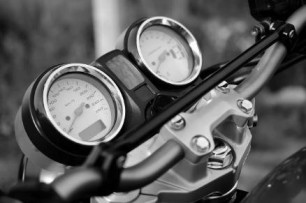
What do the motorcycle warning lights indicate, and how should you address them
We all know about the various traffic rules to abide by the motorcycle riders. As essential as following the traffic signals, learning and understanding all the warning signals that your vehicle gives you is equally important.
If you own a two-wheeler, you must be familiar with its parts and how every element contributes to the overall working of your vehicle. However, people often ignore maintaining or paying attention to the motorcycle's needs. Being too occupied with the hustle of daily life, you may neglect your motorcycle's deteriorating condition and continue using it in that state. This negligence can result in unfortunate occurrences.
What are the warning signs in a motorcycle?
Your motorcycle is designed to alert you of its needs and requirements. Every two-wheeler has a dashboard equipped with warning lights that flash as coloured symbols when a problem arises. While every two-wheeler differs, its dashboard typically consists of the speedometer, RPM meter, and fuel gauge. Next to these numbered dials are a bunch of warning lights that flash in various colours.
These warning lights in a motorcycle mostly follow the same system as the traffic lights to display the severity of the warning.
Blue or Green: the motorcycle's system is active and functioning correctly.
Orange: Something is malfunctioning and must be looked into as soon as possible.
Red: A defect has been detected in your motorcycle's system, and you must stop driving as quickly as possible.
Here are the few commonly found warning lights.
1. Engine temperature:
Regular usage of the motorcycle can overheat the engine. In this case, the engine's temperature rises, and the surrounding components are prone to damage. The dashboard will flash a red warning light in the shape of a thermometer to warn the rider about this overheating.
When this warning light is displayed, the best thing to do is stop riding the vehicle. It is essential to rest and let the engine cool down. Riding an overheated two-wheeler can be risky.
2. Oil pressure warning:
Oil is used as a lubricant in every motorcycle to reduce friction between its moving parts and gears. The oil pressure warning light will flash on the dashboard to alert the rider of low oil levels. Low oil pressure can damage your vehicle's engine and severely affect the bike's performance.
3. Engine management warning:
This orange warning sign is responsible for alerting you about a broad set of features that may be malfunctioning either collectively or single handedly. While the signal usually stops flashing after a few seconds of ignition, the vehicle could have issues involving its emissions, air intake, fuel, etc. Although you may have purchased reliable 2 wheeler insurance online, you must remember that riding the motorcycle, despite this warning, can be destructive for the bike and your safety.
4. The indicators:
These are green warning signs on the dashboard that blink when the rider clicks on the indicator while turning.
5. Neutral indication:
A green warning sign simply indicates that the bike's gearbox is in neutral gear.
It is important that you remember these warning lights are installed to protect you. You might have opted for 2 wheeler insurance online to protect your vehicle, but understanding the functioning of your bike and regularly maintaining it is your responsibility.
Click HERE to buy 2 wheeler insurance online.
Disclaimer: The information provided above is for illustrative purposes only. To get more details, please refer to policy wordings and prospectus before purchasing a policy.

Six effective ways to overcome the fear of driving
The same activity that brings joy to many can be a stressful experience for others. In several cases, the responsibility of controlling the wheel can be overwhelming to the drivers. Several people develop a freeway phobia every year due to accidents, which they find difficult to overcome.
Even though many drivers wish to get over their anxiety and feel optimistic about getting behind the wheel, they often feel lost about where to start. Here are a few practical tips that may help those that want to get back on the road and take charge of the vehicle.
1. Start driving around with a companion:
Having a trusted companion in a scary situation can help calm your nerves. The companion, be it a friend, spouse, or family member, can create a sense of safety and help you feel more confident while driving. Support from loved ones goes a long way while facing phobias.
2. Go for drives during the day:
Several individuals feel much safer outdoors during the daytime. Most road accidents are believed to happen during the night, which can be a nightmare for people who fear driving! In addition, driving during the day provides enough visibility that is sure to make you feel much more secure.
3. Make it a regular habit:
It takes time and effort to tackle the fear of driving. Improve your driving by practicing at regular intervals to strengthen your fundamentals. It is essential that you remain consistent in your efforts.
4. Inculcate relaxing techniques:
It can be difficult to relax your mind while facing your fears. However, relaxation techniques like breathing exercises and meditation right before getting behind the wheel can help control anxious feelings while driving.
5. Listen to calming music:
Music is known to influence our moods highly. While most of us are told that music can distract us while driving, it may be a rather soothing element. Listening to relaxing tunes at a low volume while driving can help take your mind off the fearful thoughts that may cloud you.
6. Keep a positive mindset:
Many individuals go through traumatic car accidents and suffer heavy losses, often even financial ones, as they lack auto or motor insurance. Having a positive mindset may not come naturally after such stressful incidents. We must train ourselves to alter a negative thought process with a positive one in such cases. Saying positive affirmations can drastically help develop a mindset that will help you overcome driving-related anxiety.
To sum it up, these tips may not dismiss away your fear of driving instantly, but they will help you build your confidence to a great start! To eliminate the fear of accidents and financial consequences, rely on an ideal motor insurance company to make your driving experience stress-free. Motor insurance will cover the expenses involved in the garage repair works of your vehicle. With consistent and regular efforts, you are sure to overcome your driving phobia. Practice hard until you ace it!
Click HERE to get the details about the motor insurance policy.
Disclaimer: The information provided above is for illustrative purposes only. To get more details, please refer to policy wordings and prospectus before purchasing a policy.

Visit these top destinations to enjoy the best ziplining in India
Ziplining is one of the most exhilarating experiences you can enjoy. Many zip lines can attain speeds of up to 100km/hr, depending on your body mass, slope, etc. If you are just starting out with adventure sports, ziplining is a safe and comfortable option.
India hosts various ziplining spots across the country. Being home to multiple landscapes, it also allows you to experience panoramic scenic views from each of these spots. Be it the lush green forests, vast golden desert, or the mighty rivers, ziplining in India has something for everyone.
In this article, we will look at a few of these places for your next ziplining adventure.
1. Rishikesh, Uttarakhand:
Rishikesh hosts various adventure activities, and ziplining is one of the most explored ones. You can experience this sport at the Shivpuri base. Surrounded by forests, the experience here is sure to be a memorable one. The place is open throughout the year, but it is advisable to skip the monsoon season.
2. Neemrana Fort, Rajasthan:
Neemrana is located close to Delhi, making it a favourite spot for tourists for weekend getaways. Gliding through Aravali hills and the rich history, the landscapes keep changing between magnificent forts and the mountains. Neemrana also hosts Tandem zipping for children aged 4-5.
3. Mussoorie, Uttarakhand:
Mussoorie is an adventurous retreat with an exclusive range of activities. The place hosts the highest zipline in the country at 600 feet above sea level. The birds-eye view of this hill station and the array of valleys and forests will be a novel experience while you glide down the line. The best time to visit is during the autumn or spring season for a pleasant experience.
4. Munnar, Kerala:
One of the most beautiful hill stations in the country and the hub of tea estates, Munnar is a famous ziplining spot amongst travellers. Amidst the green canopy and fresh air, you can zip over beautiful valleys and through different parts of the town. Enjoy the feel of the local life and nature all at once with Munnar's affordable ziplining spots throughout the year.
5. Kerwa Dam, Madhya Pradesh:
Kerwa Dam has earned its recognition as the longest and one of India's most scenic twin zip. You will start from a hill and travel above the mesmerising Kerwa lake. As you zip down from the hill, you will experience the winds gently kissing your cheeks, making it all the more thrilling.
These are just a few of the many spots that promise an excellent ziplining experience in the country. Consider taking a brief detour and enjoy these activities during your next vacation. Remember to wear comfortable clothes and shoes while ziplining and listen to the instructions carefully.
And most importantly, while you immerse yourself with the most liberating experiences of your life, consider looking into personal accident insurance plans that will financially safeguard you against any injury. It is always advisable to prioritize your safety over all else.
Click HERE to know more about personal accident insurance plans.
Disclaimer: The information provided above is for illustrative purposes only. To get more details, please refer to policy wordings and prospectus before purchasing a policy.

Hair Fall: Try these five methods to avoid unnecessary loss of hair
As per several studies and research, hair loss is one of the leading causes of stress in youth and adults. And vice versa, the stress of work and life is one of the primary reasons for excessive hair loss.
Unfavourable environmental conditions are another factor contributing to hair loss. The air pollution and hard minerals in water tend to ruin hair and skin quality, but there is no escaping these conditions.
Some hair loss issues can be due to hormonal changes. Mental or physical situations like childbirth (in women) can lead to hair loss too. Other causes include dietary problems, vitamins and nutritional deficiencies, underlying diseases, side effects of medications, alopecia, scalp infections, etc. Experiencing little hair fall in daily life is normal. But if it increases and is persistent for some time, you need to see a doctor.
But what can you do to avoid losing hair? This blog will discuss methods that can help you out. Try these five prevention methods to control unnecessary loss of hair.
1. Vitamins are essential:
Your diet should include supplements and food rich in vitamin A, vitamin D, vitamin C, vitamin B, iron, and zinc. These add nutritional values and increase the strength and retention capacity of your hair. They also help in the formation of hair cells and boost their growth.
2. Include protein:
Keratin is the hair protein and makes up most of the hair follicles. People having amino acid deficiencies usually suffer from hair loss. Ensure to consume a protein-rich diet. Foods like eggs, chicken, fish, milk products with low-fat content, etc., are rich in protein.
3. You must have heard about Biotin:
Vitamin H or Biotin processes the fatty acids in our body and is an essential component for maintaining the stages of hair formation. It is advised to consume three to five milligrams of Biotin. However, first, consult a doctor about the dosage and whether you require it.
4. Timely oiling:
Using coconut or castor oil for deep massages can help in increasing the blood flow and circulation in your scalp. This helps activate the pores and promote the growth of hair follicles. Oiling also helps strengthen the roots of your hair to prevent uprooting.
5. Using the right products:
Many shampoos and hair care products contain harmful toxins and chemicals that ruin your hair's health and quality. It is essential to use mild shampoos and conditioners in the right amount and wash your hair at equal intervals to remove all the dirt from your scalp and hair.
Also, remember that leaving your hair dry can lead to hair fall. Assess the nature of your scalp and hair while considering products and treatments. It is recommended to do a patch test before using a product. In case of irritation or dryness, stop using it immediately.
Some other hair fall prevention methods are:
• Use a wooden or steel comb.
• Avoid brushing your hair when it is wet.
• Minimise the use of heat on hair.
• Use safe and organic dyes.
• Take blood tests at equal intervals to check your nutritional levels.
These techniques will help you manage your hair care routine in an organised manner. Like hair loss issues, there can be other issues that may drive stress. Excessive stress can impact your health and cause unnecessary health problems. It is wise to invest in ideal health insurance to protect yourself against ailments. Stay up-to-date, and don't forget your health insurance policy renewal to avoid the policy lapsing.
Click HERE to learn more about health insurance policy renewal.
Disclaimer: The information provided above is for illustrative purposes only. To get more details, please refer to policy wordings and prospectus before purchasing a policy.

Six ways to reduce your lower back pain while riding a bike
Whether you ride as a passionate biker or for daily commuting purposes, it can be hard on your back. Riding for extended periods can make a rider's body stiff and affect their stance. If you don't maintain your riding position correctly, you might suffer severe back discomfort.
Little things, such as workouts to strengthen your back, taking breaks during long rides, and practicing proper posture, can help motorcycle riders with back pain conditions. Here are some ways to secure your back from suffering and reduce pain while riding a bike.
1. Fix your posture:
One way of avoiding back discomfort during riding is to be more observant of how you're seated and take a few additional steps to prevent backaches. For example, try to keep your back straight and avoid a hunching posture by lining up your shoulders over your waist and making a conscious effort to arch your shoulders a little backward.
2. Exercise to strengthen back and core:
Maintain your core muscle strength and lessen the pressure on your spine by doing back strengthening exercises regularly. A simple set of home exercises such as knee-to-chest stretch, lower back rotational stretch, shoulder blade squeeze, and sitting lower back rotational stretch, as well as yoga asanas like the Bridge Pose or Cat Pose, can help significantly.
3. Take stretching breaks:
Do some easy stretches at long traffic lights or in heavy jams during your ride. Or pull over for a rest and stretch if you're on a long journey. Basic stretches like rotating your neck and shoulders, arching your back front and backward, bending down to touch your toes, counter stretching, and relaxing your torso sideways will help to get relief from backaches.
4. Switch positions often:
A cause of chronic injury, such as back discomfort, is repeated, cumulative stress that causes tissue damage. Sitting in the same posture for extended hours raises the chance of developing risk. Give your body rest from time to time.
5. Pay attention to the amount of riding:
Back discomfort can sometimes be caused by doing too much too quickly. Since biking requires minimal effort, it's tempting to get carried away and ride longer than our supporting muscles are trained to handle. Take it easy on yourself and avoid impulsive travels.
6. Examine your riding style:
At last, your riding technique might induce an ache in the lower back. The tension on your back varies depending on the angle of your back while riding. Bikers who use giant gears, especially while ascending, may have lower back pain.
Regardless of our daily activities, looking after our spine is critical for everyone. As fun as riding is, it can also be exhausting with severe back pain conditions if not done correctly. Follow the above tips religiously to keep your back fit and avoid unwanted aches and pains. Just like your body needs attention, so does your bike. Before hopping on your bike, ensure that you have protected your two-wheeler with proper bike insurance.
To get the best bike insurance, click HERE .
Disclaimer: The information provided above is for illustrative purposes only. To get more details, please refer to policy wordings and prospectus before purchasing a policy.

These simple tips can make your house hunt easy and carefree
First of all, Congratulations! If you're reading this article, we assume that you're taking your first step towards buying a home. You already know the stress of finding an ideal place to call home, and with so much to consider, it's not an easy task for sure.
Delays can be exceedingly expensive in a growing infrastructure industry like India's. One cannot help but wonder, can we spend so much time hunting for a home? So, to help make your house-hunting process a bit easier and quicker, we've come up with some tips that will surely assist you in making a clear decision. Let's understand them one by one.
1. Identify your needs:
Question yourself; what do you expect and require from your property? Do you prefer a well-kept contemporary home, or would you settle for a renovator? Do you want an east-facing flat or one with a sunset view? The more you uncover early on, the sooner you'll be able to zero down on houses that fit your requirements.
2. Find an ideal budget and adhere to it:
Before going online to look at properties, examine your income and spending. What are you able to comfortably afford at this stage of your life? Set a price range that is compatible with your budget, and start exploring!
3. Figure out the location:
You already know that locations will undoubtedly affect the budgets. But, it will also affect your lifestyle as you'll be spending a majority of your time there. Figure out the commute from workplaces and schools and ensure that all the essential services are close by or near enough to reach in emergencies. Scout the neighbourhood and try to visit the shortlisted places at all times of the day. The idea is to learn all about the site and its surrounding area.
4. Take the help of the internet:
Okay, citizens of Digital India, it's time to put your gadgets to use. Look for properties online. Reading online reviews will help you compare many different properties at once and get a deeper insight into them. With a few clicks, you can even measure the distance from a property to any location, such as workplaces, hospitals, and schools.
5. Make a checklist:
When you begin visiting houses with an agent, the process can become frantic. You'll visit so many places that you might find it tough to keep track of them, add to that, the pressure from brokers and sellers for an offer. A checklist consisting of all criteria of properties visited, along with additional notes of your observations, will be helpful when you review all the properties at the end of the week or day.
6. Enjoy the process:
Purchasing a home is a significant milestone. Don't forget to take a few deep breaths and let things unfold slowly. Everything may not go as planned, but if you're determined to purchase a property and interact with a trustworthy broker, you'll soon find yourself in your new dream home! Remember, as stressful as the process can be, you can still enjoy yourself.
We hope that these tips will assist you in having a successful house hunt and that you will locate an ideal property for yourself! Once you've purchased a home, be sure that it's adequately insured with the best home insurance in India. Your home is your responsibility, and ensuring its safety should be your priority. The best home insurance plan can harbour your home with the benefits of additional protection at times of unfortunate events.
Click HERE to know more about the best home insurance in India.
Disclaimer: The information provided above is for illustrative purposes only. To get more details, please refer to policy wordings and prospectus before purchasing a policy.

Ten best tips to reduce high cholesterol levels
Increased cholesterol levels are a cause of concern as it brings multiple health issues, including the risk of a stroke and other heart diseases. Irrespective of age, maintaining cholesterol levels is the first step towards living a healthy lifestyle.
Supposing you are looking for ways to lower your cholesterol without medication, read this post to learn how to keep those numbers down naturally.
1. Add monounsaturated fats to your diet:
Monounsaturated fats can be found in food substances like olive oil, canola oil, tree nuts such as almonds, pecans, and cashews. These fats do a great job decreasing LDL (bad cholesterol) and increasing HDL (good cholesterol). They even work to stop the oxidation of the cholesterol that contributes to clogging the arteries.
2. Add polyunsaturated fatty acids:
Consider including polyunsaturated fatty acids as they have shown tremendous results in decreasing LDL cholesterol and reducing the risk of heart disease and type 2 diabetes. These are principally your omega-3 fatty acids. You see these in oily fish like salmon, mackerel, and shellfish like shrimps. You may also find them in tree nuts and flax seeds.
3. Avoid trans fats:
This is the next thing you should eliminate from your diet. You will find these in pastries, butter spreads, cookies, etc. The major con with trans fats is increasing your total cholesterol, including your LDL, and decreasing your HDL by 20%.
4. Add more soluble fibre:
Soluble fibre is derived from plants, and it works on the bacteria present in your guts. The digestion of the fibre by the bacteria helps lower your cholesterol. Beans, lentils, fruits, and whole-grain oats are a few fibre rich foods.
5. Workout:
Working out not only decreases your harmful LDL but also increases your good HDL. More extensive studies have shown that 30-45 minutes of activity five days a week can enhance your cholesterol and decrease the risk of heart disease.
6. Stop smoking:
In smokers, the immune cells cannot return cholesterol from the vessel walls to the blood where it should be and contribute to plaque formation that leads to clogged arteries. So, do your body a favour and quit smoking.
7. Focus on shedding some weight:
Plenty of studies have shown that you can positively impact your cholesterol by losing weight. Pick a good eating plan, stick to it, and be healthier to shed some pounds.
8. Add more vegetables and lean meat to your diet:
The closer you get to your vegetables, the easier it becomes to reduce cholesterol levels. Non-vegetarians can choose leaner meats like fish and skinless chicken to cut off the extra fats.
9. Plants, sterols, and stanols:
These are plant-based versions of cholesterols, but they do not elevate your body’s cholesterol level. Instead, these versions compete with its destructive forms, avert absorption, and reduce LDL.
10. Supplements:
The last thing you can do is look at different supplements required to control cholesterol. There are several supplements out there, but most work on improving the amount of Omega-3 fatty acids in our diet. Things like fish oil and flaxseed oil help improve your HDL.
Cholesterol diseases are linked directly to the heart, and the treatment for most of them is taxing for your pockets. Aged parents and people with irregular eating and sleeping habits commonly face this issue. Follow these healthy tips and check out some of the best health insurance in India for parents to add an extra layer of protection.
Click HERE to get the best health insurance in India for parents.
Disclaimer: The information provided above is for illustrative purposes only. To get more details, please refer to policy wordings and prospectus before purchasing a policy.

Caught in traffic? Here are five innovative ways to keep your mood high
Getting stuck in traffic has become a usual thing in rush hours, and it is the most unpleasant scenario of every city these days. These long queues of snail pacing moving vehicles can be frustrating and sickening. However, the time taken in your commute does not have to go to waste. You can do some productive things than just hanging in your car or cursing drivers who try to cut the queue.
If you desire to overcome the problem by finding solutions, it won’t be a problem anymore. There are numerous methods to help you with your morning and evening commutes and increase productivity. Here’s how you can make the most of your time while stuck in traffic.
1. Listen to your favorite music or podcast:
There is nothing better than a good dose of lively music to get your day started. Your commute time does not always have to be productive; you can take this time to simply enjoy the things you like, such as listening to music, your wishlist audiobooks, or podcasts of your favourite speakers.
2. Get in touch with friends:
Again, caught in epic congestion! While you are on the way to your destination, take advantage of the extra time to respond to calls, and catch up with your friends. It lightens up your mood for the day. But be cautious; talking to friends is a good idea only if traffic is not moving. Otherwise, keep your mind on driving and avoid any distractions.
3. Make notes of your thoughts:
You can utilize your drive time to develop ideas or plan out a company strategy. And to get hold of these ideas, make sure you note them down somewhere. Writing down things while driving is not what we would suggest; instead, make use of voice assistant from your mobile phone.
4. Perform a daily review:
It’s the ideal moment to make sure the most critical tasks on your to-do list are towards the top. Put the phone down, gaze out the window, and simply let your mind roam to prioritize your work. Take advantage of your free time and pay attention to your urgent tasks and the best solutions for them. You never know; you might come up with an excellent solution to a minor but irritating issue at work.
5. Take a moment to study yourself:
Everyone must take the time to align and analyze their situation. The time you get while being caught in traffic can be an excellent opportunity to reflect critically on your well-being.
Acknowledge any tension in your life and identify possible changes that could be taken to improve your mental and physical well-being.
Getting caught up in traffic is always a moment of annoyance, whether for a few minutes or hours. We end up criticizing everybody around us, like fellow drivers, pedestrians, animals, vehicles, and even ourselves. The frustration caused during this period can have an extremely detrimental effect on your mood. Hence, to avoid letting our mind wander in angry thoughts, one should take up the above activities and indulge in them.
Everybody tries to make their way out of the traffic, which sometimes results in crashes. It may or may not be your fault; either way, you are to face the damages caused. In such situations, having car insurance proves to be helpful.
To get the best car insurance deals, click HERE.
Disclaimer: The information provided above is for illustrative purposes only. To get more details, please refer to policy wordings and prospectus before purchasing a policy.

Best Tips: Choosing the right colour for your car
Getting your new car is one of the significant milestones you may think of. When choosing the best model for you, various factors such as price, functionality, car insurance, etc. are considered.
However, another crucial factor is the colour of your car. The colour reflects your personality. Before you go ahead and make your big purchase, here are few tips to consider when picking the right colour for your car.
1. The resale value of your car: You will be surprised to know, but the colour of your vehicle affects the resale value. White and silver usually get a higher resale value than other colours.
2. Model: Another parameter is checking the variant. Not every colour you pick will suit the model of your car.
3. Red is not expensive: One of the common myths is red has a higher car insurance premium. This is entirely not true.
Always consider your car's purpose before finalizing the colour. Every colour might not fit your personality. For example, a politician or bureaucrat having a bright colour car seems bizarre to many eyes. Now let us look at the trendy colours, including those that’d look best on you and are perfect for your requirements.
1. Metallic: Metallic colour cars tend to be beneficial in the long run and make your car valuable. The colour is mainly known for its dependability and value to help get higher resale value and save you substantially.
2. Blue: Usually, blue refers to the "common man's car," but the new metallic options available in the market look excellent for working professionals. It is recently the number one choice for female drivers who need a cool look. As they say, "Blue is cool".
3. Throw off your attitude with the perfect black finish: Black is one of the most popular colours for any car. Known for its elegance and rich look, the black colour gives the vehicle a perfect attitude when you are on the road.
4. Get Sporty with orange and other bright colours: Bright colours, including yellow, green, or orange, always look super cool on your sports car. However, choosing it for your commercial vehicle can always not be a good idea.
5. Chic and Sleek with white: White is yet another safest colour for cars. It is a neutral colour and suits the best on commercial vehicles. Also added to a sport or luxurious vehicle with the perfect tinted glasses and chrome finishing, white makes your car classy!
6. Romantic with Red: Red is a popular and influential choice with a bit of romantic touch. However, keep in mind that red does not fit every model.
There is no such colour as "perfect". Instead, based on your personality and preference, you can pick one that looks the best for your car. When choosing the perfect colour, remember that scratches and dirt appear higher on specific colours and may end up ruining the overall look of your car. Also, reconsider the darker colours for your vehicle if you live in a hot weather city, as it results in heating up your car quickly.
To know more about the car insurance deals available, click HERE.
Disclaimer: The information provided above is for illustrative purposes only. To get more details, please refer to policy wordings and prospectus before purchasing a policy.

Are you a lone wolf? Use these ideas to manage your luggage on your bike
Do you like motorbike road trips but always struggle with what to pack and how to pack? Then, you've come to the right place. Allow us to provide you with some of the most practical suggestions for reducing clutter and enjoying your trip rather than constantly worrying about your bags.
Compulsive overpacking might be an issue when travelling alone and having little luggage space on a motorcycle. Unfortunately, when it comes to preparing for a motorbike journey, many riders make several basic mistakes. They tend to overload their bikes with luggage that later affects them in their journey. We've compiled a list of a few practical tips to manage your luggage correctly.
1. Motorcycle travel packs are a good investment:
Bundling your luggage and tying it down with bungee cords may be cost-effective, but it leaves your luggage fully exposed to external conditions. If the weather suddenly turns bad, everything will become moist and wet. You can mount the motorcycle luggage boxes on the side of the motorcycle, but what about transporting heavy items? Heavy items are challenging to handle alone; in this case, you may consider purchasing a motorcycle top box. These are ideal for transporting bulky items like motorbike riding boots and photographic gear.
2. Make a list of your requirements:
The most crucial step in decreasing suitcase clutter is to prioritize your travel needs and prepare accordingly. Recognize that a road trip aims to discover and enjoy the destination rather than be oblivious to day-to-day conveniences.
3. Don't pack everything:
Don't bring everything you need because most of the items you'd need are already available at the local places. Rather than stuffing your baggage with unwanted items, buy some on the way. Disposable batteries, paper napkins, and paper plates for eating are just a few examples that come to mind. Unless you are picky about your food, make purchases to eat and drink on the road to save room.
4. Carry multipurpose stuff:
Rather than bringing specialist stuff, seek objects that may be used in various settings when packing your baggage. Carrying multipurpose products without taking up a lot of room is an excellent strategy to eliminate clutter. For example, you can keep a phone case with a pocket, which you can use to keep some essential documents or cash.
5. Organize at every step of the route:
Most people arrange their belongings at the onset of their journey, but things start to go crazy as the trip goes! Keep things organized at all times. Instead of dumping everything in the bag, properly roll and tuck it. Keep dirty clothes apart from clean clothes and separate large items from small items, especially those susceptible to damage due to excessive dampness or heat.
These tips are proven of great help when it comes to packing for your solo trip. However, packing and riding lessons are not enough to keep you secure. Hence, we also recommend having updated bike insurance for your bike while it is on the road. Compare with hundreds of bike insurance online and get the best suited as per your requirements. Safety while travelling is something you shouldn't skip.
Looking for bike insurance online, click HERE.
Disclaimer: The information provided above is for illustrative purposes only. To get more details, please refer to policy wordings and prospectus before purchasing a policy.
Stinky car interiors? Here's how to get rid of the foul odour
Everyone wants the shiny look of their cars. But what about the smelly interiors? Stinky car interiors can negatively affect your mood and make you feel awful. So, to get rid of foul odours, in this post, we have mentioned some quick tips to help you have a refreshed car and a happy mood while commuting.
1. Vacuum the fabrics:
Most of the time, solid particles tend to get trapped in the car's interior and removing them can be a daunting task. These particles get deep into the fabric. Even after cleaning your car, you still wonder where the smell is coming from.
To get rid of the foul smell, use a vacuum cleaner to clean all the seats and the fabric of your car. This will suck all the gunk and dust particles from your vehicle, leaving your car clean and fresh.
2. Avoid smoking in the car:
If you smoke in your car, you might know how unpleasant the smell is. Smoking leaves behind tar which can stick to the interiors. The smoke can even get in the vent ducts of your air conditioner and become nearly impossible to remove.
To get rid of this, you can wipe off your car with a solution of water and vinegar in a 1:1 ratio with a few drops of liquid detergent added to it. This will remove all of the gunky substance and leave the surface of your car clean. In addition, you can spray some air freshener in the air ducts of your air conditioner to combat the odour.
3. Use baking soda for unpleasant food spills:
Sometimes, you tend to drop something on the carpet or your car's fabric, and the spills being left for a long time start to stink. Even after wiping it, the pungent smell may remain.
To remove the smell of the leftover spill, you should mix a tablespoon of baking soda and three tablespoons of vinegar and use this mixture to rub the mat or car fabric. This mixture will clean your fabric and remove all the unpleasant smells coming from it.
4. Use car deodorants and air cleaners:
This is one of the simplest and quickest ways to keep your car smelling fresh. All you need to do is pick your favourite car perfume and spray it in your vehicle. The air spray molecules will trap the pungent smell and give your car a fresh aroma. There are other similar products that you can explore, like odour patches, air- filters, etc.
5. Get your car a spa:
This will be your last resort if any of the ways mentioned above are not working for you or if the smell is very foul. Next, you should take your vehicle to a professional car cleaning service. The cleaners will clean your car from inside to the outside by washing your seats, mats, air ducts, food trays, etc., making your vehicle look and feel brand new.
We all know how bothersome stinky cars can be. You can follow the tips mentioned above to get rid of the bad odour in your vehicle. But it is not always the dirt that causes the smell. Sometimes these smells can be from leakages. If not addressed correctly, these issues can cause severe damage. So, we would suggest you have car insurance by your side to cover all repairing costs at the garage. Reliable car insurance will keep the stress off your pockets and give your possession the benefits to have a long life.
Click HERE to buy the best car insurance plan.
Disclaimer: The information provided above is for illustrative purposes only. To get more details, please refer to policy wordings and prospectus before purchasing a policy.
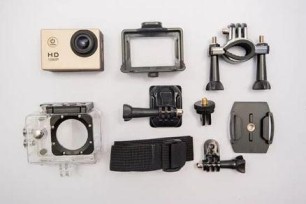
Action camera for your bike travel: Nine tips to film the best videos
Action cameras have become a new trend among bikers. You must have seen the riders with one fastened to their helmets or handlebars. One reason being, India is adapting well to the vlogging, thanks to all the biker communities and influencers. With the evolution of action cameras, millennials are interested in capturing their bike rides and sharing the content on social networking websites.
There are some easy steps for you to produce the best-looking shots from an action camera, regardless of riding ability. Read these nine best tips to film better videos through your action camera.
• Choose a suitable device; you may not require an expensive camera and instead need something easier to transport and manage and friendly with all weather conditions.
• Plan out your videos; consider the video's objective, surroundings, the route you'll take, and how you'll film it. Take into account the lighting, the weather, and even the background music.
• The mainstream camera technology can record at 24 FPS (frames per second) for regular speed and at least 60 FPS for slow motion. However, extra-slow motion does not kick in until at least 120 frames per second, and filming at greater frames per second may lower the resolution.
• Set the white balance to auto, although you may set it to specific numbers corresponding to different lighting circumstances (for example, 5500K = daytime). We find that letting the camera make such adjustments for you is always the best option for shooting true colours on a motorcycle.
• With the voice command feature, you can start recording at any time throughout the ride and stop whenever you choose. Even better, you can snap 'Still Photos' while moving.
• 4K recording requires more memory, drains the battery faster, and can be difficult to edit or playback on a computer.
• An SD card in your action camera is always not sufficient. You should keep at least two or more if you're going on a long journey or simply want to capture more films.
• The typical rule of shutter speed is that it should be twice as fast as the frame rate. A shutter speed of 1/60-1/96, on the other hand, is more helpful because it avoids the sickening amount of 'Motion Blur' that might occur when riding a bike.
• To avoid water drops damaging your footage, use a water-repellent glass treatment spray like Rain-X.
Motorcycling has forever changed as a result of action cams. With the rising trend of sharing content on social media platforms, people use action cameras for incredible filming. However, driving bikes on roads brings the great responsibility of getting the proper protection for you and your bike. You can replace your cameras but not your life, so invest in good 2 wheeler insurance.
These tips for getting better footage are only a starting point; if you have something else that works for you, go for it. Beyond any camera setting, position, or attachment, the most important thing to remember is that the one who presses the record button is the real star.
To get the best 2 wheeler insurance, click HERE.
Disclaimer: The information provided above is for illustrative purposes only. To get more details, please refer to policy wordings and prospectus before purchasing a policy.

The complete guide to start learning carpentry
Often people think they need to invest years in mastering the art of carpentry. However, that's not entirely true. With the right mindset and tips, you will learn carpentry in no time! This specialized craft, believed to be one of the world's oldest professions, is commonly employed even today.
Here we have composed a detailed guide for you that will help you in your lessons while you are learning carpentry.
1. Learn about different types of carpentry:
When it comes to carpentry, the only thing that comes to an individual's mind is furniture. But that's not the real deal. There are different types of carpentry, and you can study each one and then pick the one suited for you.
• Formwork: Formwork in carpentry is designed to construct the structure of the object. It comprises the mould in which the concrete is poured while making stairs, walls, pillars, etc. Formwork, made with wood and steel, can be temporary or permanent.
• Framers: Framers work upon repairing and restructuring wood or wood-derived products. The task that you are to do as a framer is to measure, cut, and assemble the wood for industrial or household purposes.
• Cabinet designers:
This form of carpentry requires proficiency with woods and mastery of tools. The job of a cabinet maker is to build, repair and modify wooden structures and furniture.
• Joiners: Joiners, also popularly known as 'finish carpenters,' are more inclined towards wooden ornaments, fine woodworks, and fitting of doors and windows.
2. Take safety precautions:
While working with tools and woodwork, you must learn safety measures like first aid training and have all the safety accessories like gloves, glasses, helmets etc.
3. Measure like a pro:
Measurement is one of the essential skills you need to learn while practising carpentry. You will be cutting several wooden blocks and pieces most of the time. Therefore, double-check your measurement before doing anything.
4. Learn to use carpentry tools:
Tools make a carpenter's work easier, but only if they know how to use them. Carpenters use various tools like handsaws, chisels, mallets, etc. Therefore, it would be best to learn to use them rightly and understand which woodworking activity necessitates what type of equipment.
5. Get trained:
There are plenty of paths to carpentry, and some of these do not even require any qualifications, only skills.
6. Get working experience:
Working on-site on a live project can be one of the best ways to get into the carpentry industry. You can gain plenty of knowledge and skills while you are at work. Apart from that, you can even get into different roles like general construction operations and work with professional carpenters.
7. Take up courses:
There is an abundance of specialized courses you can sign up for learning carpentry. These courses typically provide you with hands-on and theoretical training to make you a better carpenter.
Carpentry is an excellent skill to learn and practice, and you can excel at it if you choose to continue with passion. Although being a skill, it still poses a threat while working. You may get hurt while using a tool or working with heavy objects. So, it is suggested to have the best personal accident policy in India to safeguard your wellbeing and put less stress on your pockets.
Click HERE to find the best personal accident policy in India.
Disclaimer: The information provided above is for illustrative purposes only. To get more details, please refer to policy wordings and prospectus before purchasing a policy.
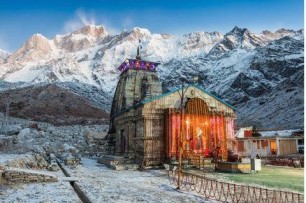
Ten best holy places to visit with your family
Inhabited by some of the most highly religious communities and cultures, India is the world's largest multi-ethnic and religiously diverse republic. The air in the land carries the essence of Dharma and Karma to welcome your spiritually thirsty souls.
Here, we've compiled a list of India's most exquisite holy sites to visit with your family or by yourself to find serenity, knowledge, and peace.
1. Shirdi:
Practitioners of several religions visit the Shirdi Temple in Maharashtra - home of the famous guru Shri Sai Baba. The devotees believe that Sai Baba's 'Dwarkamai' is the place that will solve all their problems.
2. Golden temple:
One of the most significant pilgrimage sites for Sikhs is the Harmandir Sahib Gurudwara in Amritsar. One distinct feature of this Gurudwara is its Langar (meal service), which bagged the honour of being one of the most extensive operating kitchen services. The Langar is open all day for the devotees to enjoy delicious prasad and make their visit more memorable.
3. Kedarnath:
The Hindu temple of Kedarnath in Uttarakhand praises Lord Shiva. It is one of India's Char Dhams. According to the mythology of Skanda Purana, Kedarnath is considered the abode of Lord Shiva.
4. Amarnath:
The sacred Amarnath shrine is located in Jammu & Kashmir. Devotees can only access it after a few days of strenuous hiking. This temple does not contain an idol. Instead, a Shivling forms when water flowing from the cave's top solidifies and rises upwards. This natural phenomenon is the highlight of this holy place. Amarnath is also known as one of the 18 Mahashakti Peethas.
5. Vaishno Devi:
Located in Jammu and Kashmir's Trikuta mountains lies the temple of Vaishno Maa. It is a Shakti Peetha and one of India's most prominent religious sites. Moreover, it is associated with a thrilling story highlighting the victory of good over evil. After visiting the Vaishno Devi, visiting the Bhairavnath temple is a must.
6. Badrinath:
As famous as Kedarnath, Badrinath is one of the Char Dhams for Hindus in the state of Uttarakhand. Lord Vishnu was believed to have come here to meditate and call this location home.
7. Temple of Jagannath:
According to Hinduism, the Jagannath temple in Odisha's Puri is an important pilgrimage site as it conducts the annual Rath Yatra here. Many devotees of Vishnu and Krishna participate in the yatra and celebrate the event like a festival. In addition, this temple is famous worldwide for its architectural magnificence.
8. St. Francis church:
Situated in Goa, it is acknowledged as India's first minor basilica. It houses the bones of St. Francis Xavier in a coffin and is only opened to the public once every ten years. It is also renowned for its gothic architecture.
9. Dargah of Haji Ali:
Dargah of Haji Ali is one of India's most famous Islamic holy sites. Situated in southern Mumbai, it consists of a mosque and Pir Haji Ali Shah Bukhari's grave. The Mughal style architecture influences the dargah, with beautiful white domes and minarets.
10. Bodh Gaya:
Located in Bihar's Gaya district, Bodh Gaya is one of the significant pilgrimage locations for Buddhists. It features three monasteries and several organizations that offer classes on Buddhist philosophy and an 80-foot-tall Buddha statue. It is also home to the Mahabodhi tree, where Gautam Buddha attained enlightenment.
When planning your next vacation, consider a couple of these religious sites in your itinerary. Set off on a spiritual pilgrimage with your family and feel inspired. While you uplift spiritually, it is also vital to ensure your family's safety while travelling. Before making travel plans to these holy places, count on Magma HDI's general insurance policies and have a safety net for you and your loved ones.
Click HERE Browse general insurance policies
Disclaimer: The information provided above is for illustrative purposes only. To get more details, please refer to policy wordings and prospectus before purchasing a policy.

Planning a reunion? Consider these five tourists spots you should go to
It's been a long and challenging time of social isolation, lockdowns, quarantines, and cancelled gatherings. But, finally, the series of missed opportunities have ended as more vaccines reach the arms, and the limitations imposed by the Covid-19 national lockdowns have progressively eased. Now, we have been allowed to socialise with our loved ones in ways we haven't been able to for a long time.
So, what better time to plan a reunion than now? It's time to take your travel bags out of your closet and put an end to these slumber times.
Below, we've talked about five great reunion spots for you and your loved ones to call home for a few days.
1. Goa, where vibes match your energy: If the most desired vacation in India had a name, it would most likely be Goa. Goa is as near a fantasy paradise as you can get and is a perfect blend of modern and traditional culture. You think of clean water beaches, enthralling water-sports activities, and crazy pubs and disco parties whenever you hear about Goa. But, wait, Goa is much more than that. The best Goan seafood, a historical Portuguese colony with a distinct charm and the Goan culture has no parallel. Since the proclamation of a nationwide lockdown in March, Goa has been one of the most eagerly awaited tourist destinations. It's the right time to plan a trip and make a vibe – Goa is ON!
2. Darjeeling, a paradise for tea lovers: Located in the Kanchenjunga range of the mighty Himalayas, Darjeeling is a picturesque hill station in the Northern region of West Bengal, which has earned itself the moniker of 'Queen of Hills.'
Rightly so, Darjeeling works wonders to cater to the magnificent Himalayan scenery, offering a blend of splendid tea plantations on steep mountain slopes, toy train trips through the beautiful city, and exquisite traditional Tibetan food. So if you want to cool off and spend time in the arms of mother nature, Darjeeling is the place to be.
3. Rishikesh, discover adventure with spirituality: Commonly known as the 'Yoga Capital of the World’, Rishikesh is part of India's beautiful state of Uttarakhand. Rishikesh is a place that truly epitomises the word serenity since there are several ghats and ashrams for you to rediscover yourself amid the world's craziness.
Go river rafting in the river Ganga or thrilling treks in the Himalayas; there's something for everyone. Rishikesh is catching the attention of travellers massively after the ease of lockdown restrictions. It will help you wake your spiritual side and enlighten your mood in peaceful surroundings.
4. Coorg, mountains calling: Coorg is part of the scenic state of Karnataka. Located halfway between Mysore and Mangalore, it appears to be a sliver of heaven that has strayed from God's realm. Coorg is a land of rolling hills, evergreen jungles, spices, and coffee farms. Fall in love with soothing sunrises, pristine air and heart-throbbing views of mighty elephants while sipping on a cup of famous Coorg coffee.
5. Munnar, surrender to serenity: Part of God's Own Country, Munnar is one of India's most famous hill stations. It is a destination with an abundance of natural beauty to see, experience, and enjoy. It is a land of virgin woods, beautiful hills, Savannahs, gorgeous valleys, countless streams, magnificent waterfalls, extensive tea plantations, and winding walks that are sufficient to calm your exhausted minds. Reside in the abode of greenery with your loved ones by visiting Munnar.
Have you decided on a destination for your reunions yet? If not, plan it soon, but remember that the pandemic has not ended yet, so you must abide by all Covid protocols. Also, don't skip the most crucial part of your trip: being safe and keeping others around you safe. Have reliable car insurance, and if you have one, check for your car insurance renewal before you pack your bags and set out for an adventure.
Click HERE to know about the best car insurance renewal deals that you can get.
Disclaimer: The information provided above is for illustrative purposes only. To get more details, please refer to policy wordings and prospectus before purchasing a policy.

Eight best tips to be a good pet parent
Having a fluffy and tiny pet with you is similar to raising a small kid. But, as their parents, you also have a responsibility to make sure they do not face any problems. Additionally, having a pet in your home brings a lot of challenges. You have to ensure that you take adequate care of your pet to get them a cosy and safe habitat.
We help you with some tips to become a good pet parent and shower your pet with some extra love and care.
1. Make your pet get a safe environment:
Since your pet will spend most of the time inside the house, ensure that you create a healthy environment. Perform all the primary duties such as ensuring that their water bowl is complete, having food whenever they are hungry, litter box, and bed to snuggle when they want to relax. Keep chemicals out of reach and make sure they are also away from areas that can put them at risk, such as electric wires, electric cords, and strings.
2. Take your pet to the vet regularly:
Like humans, pets also fall sick, and it often goes unrecognized. To ensure your pet is away from sickness, take them to the vet for a regular visit.
3. Keep them active and provide enough socialization:
Similar to how kids need to play outside, pets are equally active and playful. Take your pet to outings, for a walk, run, or take them out for fun activities. You could also take them to pet events where they have plenty of socialization with other pets.
4. Set a daily routine for your pets:
You can create timelines for bathroom breaks, mealtimes, playtime, and outings. This way, your pet sticks to a daily routine, making everything easier.
5. Groom them regularly:
Hygiene is crucial, whether it’s for humans or pets. To avoid infection and diseases, keeping your pets groomed is essential. Regular baths and cleaning will help in keeping them fresh. Additionally, trim their nails so you or other family members do not get injured while playing with them.
6. Invest in training your pet:
Training your pet is an essential aspect of being a good parent. While many pets change and adjust to new behaviours as they grow, training is necessary. You can start by training them from the initial stage, developing them into habits. However, you can also invest in professional pet trainers to save time.
7. Understand that your pet may suffer from separation anxiety:
Like humans, pets such as dogs and cats suffer from separation anxiety. Your pet will become anxious and follow aggressive behaviours as you leave home. An easy way to reduce separation anxiety is by leaving something with your scent on, such as a blanket or sheets, so they feel close to you even if you are not home.
8. Create a playful environment:
Your pets may become bored after a while. Although you cannot ensure that you will entertain them all the time, creating a playful environment by filling their area with toys and other products designed for pets will keep them joyful all the time.
Being a pet parent can be challenging and fun at the same time. Some people feel more connected to their pets than humans, and it’s no harm in that. However, as a pet parent, you must take proper measures to ensure your pet feels loved all the time.
Entrust your bond with your beloved pet with insurance benefits to avoid the worries of injuries and focus just on spending quality time with your animal buddies. Invest in a robust online general insurance plan and get the advantages of its features for your complete family.
Click HERE to know more about online general insurance plans.
Disclaimer: The information provided above is for illustrative purposes only. To get more details, please refer to policy wordings and prospectus before purchasing a policy.

How rock climbing can help you boost your leadership skills?
There was a time when only those with unbelievable daring and high tolerance levels could enjoy rock climbing. But today, time is changing; with modern gears and professional instructors, anyone with passion and some training can exercise the sport of climbing.
Mountain climbing is the sport of climbing rocky surfaces with the aid of ropes and equipment. The goal is to reach an endpoint or a summit of a structure.
It is a physically demanding sport that combines fitness and agility with mental strength. It forces you to push your body's ability further to conquer an ascend or traverse. It may be difficult for some, but that is just another positive aspect of the adventure. The activity gives you a mental and physical boost with an immense sense of accomplishment.
One of the significant benefits is boosting your leadership qualities. As rock climbing is a preferred group activity, it becomes the ultimate classroom with lessons applicable to all aspects of life, including business, management, and leadership.
So, here are some of the important lessons you learn during your way up that eventually make a big difference in your leadership skills.
Trust – important of all! Trust and confidence within the team of climbers is a quintessential skill required during mountain climbing. You may enter situations where your life depends upon your teammate's abilities, and for this, their capability and competence must convince you. Trust cannot be earned or given in a moment. It requires several sub qualities like confidence, proficiency, transparency, and patience. You need to be familiar with each other's strengths and weaknesses and to be confident about relying on someone in the future.
Everyone has their fortes in climbing. For example, some are proficient in rock climbing, whereas others secure the rope while your partner climbs, so we must trust each other to lead when necessary. These are qualities of a good leader that he acts as a team player and not a commander.
Decision making – a remarkable ability! The adventure compels you to make many pivotal and critical decisions during your climb. Your one wrong decision can lead to a consequential mission termination, delay conquering the rock or even a mishap. It requires clarity of mind to work through solving problems. Being able to prioritise and understand the bigger picture is critical to navigating through obstacles.
A great way of decision-making in such environmental conditions is the OODA loop used by the US military. OODA stands for observe, orient, decide and act. OODA is a four-step loop approach that focuses on decision making by filtering available information, putting it in context, and making the most appropriate decision while understanding that alterations should be made (if necessary) when more data is gathered. It is helpful in scenarios where the ability to react to changing circumstances is vital.
Another leadership quality is 'care and concern'. No doubt on the hike, you look out for each other, but that is not enough. Ensure that everyone has a personal accident insurance policy, as it is a necessity that many may overlook.
Is a good leader enough for a successful trek trip? Absolutely not! Every individual requires a skill set for this sport. Skills of navigation, communications, survival, and climbing are all necessary. In addition, rock climbing requires courage and determination. The hard work of ascending is worth the peace at the top.
Click HERE to know more about our personal accident insurance policy.
Disclaimer: The information provided above is for illustrative purposes only. To get more details, please refer to policy wordings and prospectus before purchasing a policy.

Here are the six best ways to combat work fatigue and get back your energy
We have all been in a situation where we've felt completely drained of energy but have no clue what to do to get it back. Work fatigue results in higher unproductivity and even leads to draining mental health. Therefore, to help you combat it, we have compiled a list of the best six ways you can regain your energy.
1. Stay hydrated:
When you don't drink enough water, your heart pumps at a lower rate than usual, resulting in a decrease in the supply of blood and oxygen to the organs. It is recommended to drink at least 3-4 litres of water per day. To get this amount of water, you can keep a bottle of water on your desk while working and take regular sips as you get your job done.
2. Have a clean diet:
It is necessary to ensure that your diet is balanced and contains the appropriate amount of nutrients required by your body. Your meals should include the right portion of protein, fibre, and, most importantly, green leafy vegetables. In addition, you must limit simple carbs and avoid sugar. Overeating can also be one reason why you feel lethargic all the time. Have a balanced diet that covers all your micro and macronutrients.
3. Use Pomodoro Technique:
Studies have proven that the human brain works more efficiently when given rest after any activity. If you work without taking breaks, you will feel low and unproductive. To avoid this, you must try the Pomodoro technique. Using this technique, you break your work into 25-minute chunks and take a 5-minute break every 25 minutes. This will help you manage your time efficiently and help you feel more productive and active.
4. Get yourself moving:
Studies have proven that individuals who work out daily have better cardiovascular activity and a better mood than those who do not. When you are physically active, your body releases endorphins in your bloodstream that give you a feeling of excitement and joy. Exercising for at least 20-25 minutes every day will help you be more active and physically fit.
5. Practice yoga and meditation:
To improve your focus and feel more energetic, you must try yoga and meditation. Many businesses and corporates have adopted meditation as a part of their culture. Practicing yoga and meditation every day may help improve your focus and achieve mental peace that will indirectly help you be more active throughout your day.
6. Consult your doctor:
This is your final resort if you have tried all of the aforementioned tips. There could be other causes why you feel tired and awful all the time. It is recommended to consult your doctor if you continue to feel fatigued even after a considerable amount of time. If you have health insurance, your insurance company can cover your medical expenses. Therefore, you will not have to worry about the cost of medical bills and pressure on your finances.
It can be extremely stressful to be unable to complete a given task even as the clock ticks closer to the deadline, especially when you are struggling with work fatigue. Fortunately, with the help of these tips, you will have a much easier time regaining your energy and feeling more productive!
Click HERE to understand the merits of health insurance.
Disclaimer: The information provided above is for illustrative purposes only. To get more details, please refer to policy wordings and prospectus before purchasing a policy.

How to raise low self-esteem and boost confidence for an improved living
Suffering from low self-esteem is something that most people deal with in silence. Some only have to encounter it for a short time, when they are sad about something or feel a bit low. But, if you continue to dislike yourself, your appearance, or your performance, it can lead to severe mental health issues.
Low self-esteem is often a product of unpleasant life experiences. A psychologist may help you figure out the root cause of your problem. The good news is you can improve your self-esteem at any age by making a few lifestyle changes.
Here we bring some advice for raising self-esteem and boosting confidence for an improved living.
1. Pay attention to your thoughts:
Keep a caution about what you are thinking. For example, avoid thinking negatively, such as if your friends do not hang out with you. Instead, note down the thought and start thinking about positive evidence that contradicts these statements. Finding even one piece of evidence will instantly make you feel better.
2. Identify your triggers:
We all have specific situations that lower our self-esteem. Note down all the things that make you feel insecure. Hanging out with negative people can often bring down your self-confidence because of their behaviour towards you. Avoid the company of such people as they always nudge you in an unpleasant situation.
3. Be kind to yourself:
We often care about what others think of us but rarely consider our thoughts. For example, you have put on an outfit you love, but you have started questioning yourself because someone else has told you that it does not look good on you. Do not do that. The voice in your head saying, “You look good today!” is way more important than other opinions.
4. Build a positive friend circle:
You might find yourself smiling more with specific friends and being a little less self-conscious with them. While not everyone has to make you feel good about yourself all the time, no one should be allowed to make you feel bad either. Enrich your circle of positive friends.
5. Do not fight your thoughts:
Believe it or not, every person in the world thinks that there is someone better than them, even your favourite movie stars, sportsperson, or other celebrities. You cannot control the thoughts that occur naturally to you. Instead of fighting them, allow yourself to feel them and try to lessen their influence on your behaviour and personality.
6. Nobody is perfect:
The ultimate mantra to a good and happy life is remembering that nobody in the world is perfect. Even the people who judge you are self-conscious about themselves, but they try to hide it by reflecting their insecurity on you. Therefore, do not compare yourself to them or pay heed to their opinion. Instead, focus on your goals and aim to be the best version of yourself.
Self-doubting can not only ruin your mental health but also invite unnecessary health problems that can cost you a fortune. These situations will only add to your worries and make you feel emotionally drained out. Hence, doing what makes you genuinely happy is essential for a healthier lifestyle. Having insurance for your aid is also a crucial parameter for improved living. Invest in Magma HDI’s affordable health insurance plans to boost your confidence, add value to your life and make you happy from within.
Click HERE to know more about affordable health insurance plans ideal for all your needs.
Disclaimer: The information provided above is for illustrative purposes only. To get more details, please refer to policy wordings and prospectus before purchasing a policy.

Make your next bike trip more eco-friendly with these travel accessories
After working hard throughout the week and surviving hectic schedules, a break is exactly what you need. A bike trip is the perfect way to unwind from the bustling noises of the city.
Travelling to places with greenery and mountains sounds like a fantastic way to spend your weekend. However, we must keep the beauty of these places alive. You can support the environment and contribute to sustainable travel by including eco-friendly travel products in your journey.
Check out some of these environment-friendly products that are worth the investment.
1. Reusable water bottles:
Single-use plastic bottles are one of the most significant contributors to environmental degradation. Most of these plastics go to the oceans and harms aquatic life. You can reduce plastic consumption by carrying your reusable bottle instead of buying a new one at every stop.
2. Cloth bags:
Plastic has made its way into our daily lives and refuses to exit. From packing to discarding, we use plastic for everything. For an eco-friendly choice, consider canvas or cloth bags. If you wish to shop on the go, you can bring your cotton bag rather than using plastic ones.
3. Biodegradable toothbrushes:
You may think toothbrushes do not need to be made eco-friendly, but the handle and bristles are made of plastic. Nowadays, many brands have started producing toothbrushes made of natural materials.
4. Refillable coffee mug:
If you can carry a travel bottle, why not a mug for your coffee? There are many varieties and designs of reusable coffee mugs available in the market. So instead of buying coffee and leaving a trail of cups behind, you can simply refill your reusable cup.
5. Solar charger:
You may not always find a charging slot when you are on a bike trip. Solar chargers make sure your devices stay charged on the go, not only for collecting as many memories of your trip as possible but also for staying in touch with your family and friends back home. Solar chargers help you stay functional while simultaneously helping the environment.
6. Eco-friendly food containers:
Everybody gets hungry on the road. When packing your food, make sure to avoid plastic or styrofoam containers. It's also advisable to avoid using plastic ziplock bags. Instead, carry eco-friendly containers for your food.
7. Travel towel:
Always carry your own towels when travelling. You can use a microfiber towel that dries fast. This will reduce the need for new towels at hotels, thus reducing laundry and saving water.
Travelling to new places on your bike is a mesmerizing feeling. However, what’s even more amazing is preserving our environment to sustain the beauty of these destinations. By doing this, you'd be playing a crucial role as an environment safety volunteer by promoting a cleaner nature for future generations.
Also, you can only enjoy a trip to the fullest when you know you are protected under the hood of insurance coverage. Therefore, investing in 2 wheeler insurance is also an invaluable practice to follow to eliminate the stress of losing your bike and help you enjoy your trip more.
Browse through the best available 2 wheeler insurance plans for your bike HERE .
Disclaimer: The information provided above is for illustrative purposes only. To get more details, please refer to policy wordings and prospectus before purchasing a policy.

Eight things to know about when travelling with a big group
Visiting new places and destinations is one of the most fulfilling life pleasures you can have. It brings a wave of fresh thoughts and experiences that you’d never receive at home. While some individuals prefer to travel alone, there are several advantages to travelling with companions.
But the downside of a large group journey is that it can often be a trip of regrets if you don't plan it correctly. In this post, we’ve talked about eight great tips for you to follow if you seek an excellent group travel experience.
1. Assign a trip leader:
Having a leader makes so many things so much easier. From planning the itinerary to the hotel bookings, having a single voice for the whole group avoids miscommunications and helps the planning process a lot easier.
2. Distribute the work:
One person can be in charge of logistics, while the other can coordinate for itinerary and other activities among group members. Make the final decision unanimously. This way, everything will be structured, and no one person will bear all the load. After all, it’s a group thing, right!
3. Figure out your finances:
We aren’t talking about tracking expenses; we’ll get to that later. Firstly, figure out the group’s budget for stays, transportation, and meals. By doing this, you can explore many options and packages within your budget.
4. Look for group discounts:
You can unlock a plethora of deals if you're travelling in groups. It’s a winning situation for both the service provider and you. Looking for a stay? Call up the hotel or homestay and ask for group discounts. Booking air tickets? Book for the whole group at once and avail cashback and discounts.
5. Split the expenses the correct way:
The inability to share expenditures can transform an incredible vacation into a tax audit in no time. Nowadays, applications are available on smartphones that allow you to manage the splits and contributions smartly.
6. Schedule some YOU Time:
Remember, you're not obliged to do everything with the group just because you're travelling together. Get out and explore what matters to you the most. Encourage others to practice it as well; it will release you from the tension of being together always and make up for an exciting dinner talk when everyone gets back together.
7. Communicate:
Make sure that everyone in the pact is aware of the entire itinerary. Ascertain that everyone is aware of the stay's location and name. Set up a group text or some other method of assuring that the group can communicate with each other at all times.
8. Not everyone can be happy:
With numerous personalities, there will always be some people who aren't entirely agreeing with others, no matter how hard you try. It’s okay. This is part of group travel and going through it is also an experience of its kind. Find a way to tackle the inconvenience unanimously.
Additional Tips:
• Get in touch with a travel agent to make arrangements easier.
• Try including the people in your group who make life better and not challenging.
• Keep your general insurance plans (travel) updated. Encourage other group members to have a general insurance plan which provides financial protection during the trip.
• Opt-out of the group activities that you don't like.
• It’s a vacation, not a group project. Ease out and relax.
You'll be able to appreciate that quality time together even more now that you know how to arrange a trip for the pact. Those unbroken moments of connection are priceless in today's close yet so far digital environment. Go out and Live!
Know more about the general insurance plans before you plan your next trip. Click HERE .
Disclaimer: The information provided above is for illustrative purposes only. To get more details, please refer to policy wordings and prospectus before purchasing a policy.

Ways to educate your employees about cyber security
The recent surge in cyber-attacks on businesses indicates that no organization is exempted from the online threat. Even the IT industry, which is supposed to help other sectors be safe, is on the radar. No matter how top-notch your company's security software may be. The end-user of it is the employee, and their negligence could jeopardize the entire organization.
Recent studies have proven that more than 80% of cyber-attacks are caused by human errors and not the inefficiency of the security measure. As a result, the significance of cyber security training has grown exponentially. In this space, we will be discussing a few ways to educate your employees to be smart when it comes to online security.
1. Enlighten employees about the impact of cyber exploitation:
When educating employees, explaining the impact of a cyber-attack on the organization is the best move to start with. This includes shedding light on economic damage and loss of trust among consumers. Most workers are unaware of the risks of exposing the company's digital assets while being involved in activities like viewing work-related documents when connected to a public WiFi, discussing the security systems with people not associated with the organization, etc.
2. Make training mandatory for all the new employees:
Ensure that all critical aspects of cyber security are communicated to new employees to prevent potential cyber-attacks. Including data protection and internet usage guidelines in the employee handbook is advisable.
Demonstrating that your company values cybersecurity just as it does job functions and goals will establish a feeling of responsibility in them, and they will be cautious about the cyber threat from the beginning. Educating them over these matters is crucial.
3. Teaching them about password safety:
Passwords are required for accessing devices, authenticating accounts, and using any job software, platform, or tool. Because there is so much to memorize, many employees may choose general passwords that the hackers can readily decipher. Cybersecurity training should educate employees to grasp the significance of passwords. The company must promote encrypted passwords, and employees should be given proper training on the concepts of encryption and decryption.
4. Take advantage of cyber security training courses:
There are a lot of courses available online about cyber security. They take you through all the important Dos and Don'ts while using the internet. Encourage your employees to enrol in such programs and ask them to present the certificate of completion. You may even conduct in-house workshops and seminars regarding the same.
5. Update the training module and repeat the process:
Provide cyber security training regularly. Continuous training will enable you to include regulatory changes and knowledge about the most recent frauds into the training module. Staying up to date can make the difference between keeping your business safe and compromising it to fraudulent attacks.
Additional Tips:
• Organize seminars from cyber security professionals.
• Reward employees for their achievements and wise decisions regarding cyber security.
• Teach ethics to practice while working off-site.
• Teach the employees how to spot online scams.
• Secure your company against cyber-attacks by having public liability insurance as a protective cover for your data and information.
Employees having proper knowledge about cyber safety is a business's first line of defence because, as we said earlier, your company may have the most robust IT solutions. Still, your staff are the ones that operate and maintain those resources. Therefore, educating them with the proper understanding will improve what is frequently seen as the weak point in any security chain: people.
Click HERE to know more about how public liability insurance can protect your organization from cyber threats.
Disclaimer: The information provided above is for illustrative purposes only. To get more details, please refer to policy wordings and prospectus before purchasing a policy.

Understand these tips to drive safely in the ghat region
Although you might have overlooked common errors and mistakes while driving on the city roads, you cannot be as careless in the ghat region. You might think it's cool to speed up and make drifts on your car at the bends, but this can be extremely dangerous.
No matter how experienced you are, you have to be extra cautious about driving in the ghat section. The driving conditions in the ghats are challenging due to steep bends and the poor visibility ahead that aggravate the situation differently in different seasons.
Following are some safety tips that might help driving in the ghats feel easier.
1. Don't overtake unnecessarily:
It is typical for an average driver to overtake slow vehicles (especially trucks and buses). However, unlike familiar roads, the front view from a driver's perspective is often restricted in the ghats, and the driver cannot see if there is an available space for them to overtake. Hence, it is suggested to wait till the vehicle in front moves ahead or gives you a signal to overtake it.
2. Stop only at a safe spot:
You might want to click photographs of the pleasant views of the ghats. It is not a good idea to stop on narrow turns and block the way for other vehicles. Hence, if you plan to halt, ensure that you pull over at a safe spot only. Keep your parking lights on when you are stopping. This will alarm the vehicles behind you and reduce the risks of accidents.
3. Use hand brakes if necessary:
Hand brakes are efficient during ghat journeys, where multiple halts may occur due to elevated roads and bends in the way. They are the best support you can get from your vehicle to prevent accidents due to the inefficiency of the standard braking. You will have to set a balanced rhythm between the acceleration and braking of your car.
4. Gear shifting around bends:
It is better to shift down to the second or third gear so that you can take turns at the ghat section with ease. Usually, drivers do not realize that they are in the fourth or fifth gear until they reach the bends, which brings their cars to a jerky halt. Therefore, it is better to change gears and drive slowly in advance so that you do not find a problem in making the turns.
With these tips in hand, you need not worry about driving at the ghat sections now. Although it can be tricky for new drivers, following standard road protocols and safety measures can prevent unfortunate events and heavy losses.
Another important safety tip to follow is getting personal accident insurance for you and your family. Get appropriate personal accident insurance to add an extra layer of protection. Once you follow these tips, you are all set to drive in the hills in peace.
Click HERE to know more about the best deals on personal accident insurance.
Disclaimer: The information provided above is for illustrative purposes only. To get more details, please refer to policy wordings and prospectus before purchasing a policy.

Ten things to take care of before starting with your martial art lessons
We assume that you're about to have your first martial arts lesson soon if you are reading this post. From physical fitness to mental toughness, martial arts require a few prerequisites before you start kicking those sandbags. So, here we have compiled a list of things you must know before your first class.
1. Learn about the various forms of martial arts:
Some of the most common ones are Taijutsu, Kung Fu, Taekwondo, Karate and Brazilian Jutsu. Before starting your martial arts lesson, decide which form you want to learn and train in.
2. Get a standard set by your coach:
Once you decide on your martial arts form, consult your coach, and get a training routine in place. This will help in ensuring consistency and improvement.
3. Get the required equipment:
You need to gear up before beginning your martial arts lessons. Each combat art requires a particular set of equipment necessary to protect you and your opponent throughout.
4. Get your nutrition on point:
Martial art is not an easy sport. It demands a dedicated diet plan and an intense workout regime. While you are training, you will be burning a massive amount of calories. You will also be putting an excessive amount of strain on your muscles, which will result in them getting damaged. So, to repair and strengthen them, it is essential to have a balanced diet with the optimum amount of protein.
5. Understand the art rather than just learning it:
Martial art is not just a form of fighting. It is about understanding your body and its limits. Moreover, it is about achieving inner peace and gaining insight into your true potential.
6. Be ready to bear the blows:
While learning how to defend yourself, you must also be prepared for some blows. There will be instances where you will get bruises, body aches, or even severe injuries. It is recommended to get an individual health insurance plan to safeguard yourself against medical worries.
7. Be there with an open mind:
While learning martial arts, do not compare it to other art forms. Instead, respect each art and understand that each form has its significance.
8. Learn to have self-control:
With learning martial arts, you will learn a great deal about fighting skills, and you will gain a more profound knowledge of the human body. However, you cannot use these powers on an average person. You must be responsible because this can be fatal for the other person.
9. Be a part of the community:
One of the best things you can do is build your connections with the coach and your fellow mates. Your coach and co-trainees will understand you better than anyone else and will support and motivate you throughout your learning journey.
10. Start your martial art class with a NEVER GIVE UP ATTITUDE:
The process can be challenging, but the results will always be worth it. Always keep a high spirit and move ahead to achieve your desired results.
Martial arts is a fantastic sport to play. Not only will it keep you fit, but it will also be a means for your self- defence. Make sure that you are consistent with your training and focus on one particular martial arts form. However, injuries will be a part of the progress. Therefore, we recommend you schedule regular health check-ups and sign-up for individual health insurance plans if you're aiming to excel in fierce sport-like martial arts. And most importantly, remember, the process will always be challenging, but the results will be worth every sweat and tear you wash away!
Get the best deals on health insurance HERE .
Disclaimer: The information provided above is for illustrative purposes only. To get more details, please refer to policy wordings and prospectus before purchasing a policy.

Storing your motorcycle for a short term? Follow these tips to keep it safe
Are you going for a long holiday break? Or the winters are around the corner, and it’s just not your season to ride. Whatever the reason might be, there comes a time in every biker’s life where he has to store his two-wheeler for a while. The duration can be long or short, depending on the reason.
Bike storage might sound like just parking your bike in your garage and putting a cover over it until you use it. You can simply do that, but it can cost you a hefty price if certain factors are not considered. Properly storing your bike is crucial if you’re not operating it for a considerable duration. Here are a few tips that you can imply to keep your two-wheeled companion safe.
1. Give it a good wash:
The dust and dirt sitting on your bike’s body can ruin the metal over time. Make sure you wash it properly using an automobile shampoo and a sponge. After the wash, don't forget to dry it manually as soon as possible. If the water rests on the surface of your bike, that can be a problem too.
2. Lubricate the components:
Because of ever-changing atmospheric conditions, components like chains, cables, springs are susceptible to corrosion, especially when the bike is left motionless for an extended period. You can prevent rusting by lubricating the components with anti-corrosion solutions.
3. Let’s come to the battery:
If you are going to be around, you can start the bike at periodic intervals to retain the charge. If not, then removing the battery is the best option. And if you decide to remove it, keep it in a place where the temperature does not fluctuate.
4. Don't drain the fuel tank:
A full tank is required to keep moisture from accumulating on the tank walls. There are a lot of posts suggesting you need to drain off the tank before storage. But if you drain the tank, you need to layer the tank walls with fogging oil to prevent rust. So it is better to fill the tank up and add a fuel stabilizer to it.
5. Change the oil and replace the filter:
Old oil sitting in storage can damage engine components, making it unsuitable for vehicles that will be stored for more than a month. Change the oil and replace the filter after you've given the bike one last ride and filled up the petrol.
6. Check on your insurance:
Apart from physical preparation, it would be best to double-check your bike insurance. Check the expiration details and ensure it doesn't expire while in storage. Because you still want to be insured in case of theft or fire, it's not a good idea to cancel or let your motorbike insurance expire while it's not in use. Renew your bike insurance online even when you are away with just a few clicks. It’s quicker than topping up your fuel tank.
Additional Tips:
• Park the bike on the center stand.
• Use a good quality cover.
• Empty all the storage compartments.
• Choose a well-ventilated storage place.
• Ensure pest control of the parking area.
• Keep the tyre pressure in check. Ideally, fill the tyres up to 80%.
Whatever your motivation for storing your motorbike might be, how you prepare it for storage will significantly influence its performance in the future. If you're unsure of the duration of storing, it is preferable to over-prepare for storage. Also, consult with your mechanic to guide you in the right direction with more handy tips.
Click HERE to get the latest updates about the deals on bike insurance online.
Disclaimer: The information provided above is for illustrative purposes only. To get more details, please refer to policy wordings and prospectus before purchasing a policy.
Hi there! 👋 Need help with a policy, claim, or renewal? Chat with us instantly on WhatsApp.
Start chat →