


General Insurance Blogs, Articles & Updates by - Magma Insurance
Have us call you
- RENEW YOUR POLICY
- BUY NEW POLICY

GENERAL INSURANCE BLOG

Following are the ways to avoid the breakdown of trucks
Vehicles breaking down during a journey can be highly frustrating for any driver. It can be even more stressful when you're driving a heavy-duty truck loaded with precious cargo and having a deadline to meet. The vehicle breaking down midway is the worst nightmare for any truck driver. Repairing the truck and replacing damaged parts can also be a huge stress. And additional costs like towing and customer service can send you over the edge.
The truck's maintenance and expenses towards the breakdown and accidents can be hectic unless you have reliable online motor insurance that secures your vehicle's engine and overall functioning.
Following are the preventative measures that will take your maintenance game to the next level and help reduce or avoid the chances of a breakdown.
1. Check the tyres:
Tyre problems account for a large number of truck breakdowns. You must inspect the air pressure of your tyres regularly. Underinflated tyres are more susceptible to blowouts which can be tremendously risky. Inappropriate tyre pressure can wear away fuel economy and the tyre's longevity. The tyre pressure must also be regulated as per seasonal changes and the terrain the truck is going to drive on.
2. Check your brakes:
The daily heat, pressure, and friction that the truck undergoes can cause several parts to wear down. Brake failure is one of the prime reasons for road accidents. Before and after every assignment, the truck must be inspected for any damage caused to the brakes.
Moisture and contamination in the air supply and control system, leakage of air pressure, imbalance in the pressure and timing of the brake system, and external corrosion are some of the primary causes of brake failure.
3. Maintain the engine oil and coolant levels:
While it is best to stick to the manufacturer's recommended maintenance schedule, the driver must check if the engine requires it from time to time. The oil and coolant are integral in the smooth functioning of the truck's motor. While you can secure your vehicle by purchasing online motor insurance, getting these fluids serviced regularly is imperative.
4. Inspect the electrical system:
A failing electrical system can easily backfire and result in several costly repairs. You must regularly check the truck's battery, wires, and cables. Ensure that the battery is charged and is in good condition, as a malfunctioning battery can harm other vital parts of the vehicle. Get the wires and cables reviewed by a mechanic as the everyday heat and friction can wear them out.
5. Keep your truck up-to-date:
Over time, even a maintained truck becomes unreliable due to intensive wear and tear to its mechanism, parts, and engine. It is vital to replace your vehicles and upgrade to substantial models to avoid future breakdown expenses.
These are the few key things to keep in mind when inspecting your truck. Ensure you examine all these points before taking your truck on the road. While it is impossible to completely evade your truck from breakdowns every once in a while, following the above steps can go a long way as a preventive measure.
Lastly, invest in reliable online motor insurance to provide an additional layer of safety to your truck and efficiently manage the expenses required in its repair and maintenance.
Click HERE to buy online motor insurance.
Disclaimer: The information provided above is for illustrative purposes only. To get more details, please refer to policy wordings and prospectus before purchasing a policy.

Know about these useful ways to minimize jet lag
Your luggage, along with clothes and other travel items, brings a lot of excitement for the trip. But one baggage that comes with flying long distances is “jet lag”, also called desynchronosis or circadian dysrhythmia.
People travelling across several time zones have observed that the different environmental conditions drive their internal clocks out of order. As a result, they face issues while sleeping, which causes dullness and irritation. Other indications of jet lag include fatigue, headache, stomach problems, and lack of concentration.
Your body is naturally synchronized to a 24-hour cycle-the circadian rhythm, and the body’s biological functioning, hormones, and temperature rise and fall according to this alignment. However, jet lag disrupts this clock. On an average, it usually takes a day to adapt to the different time zones. But, the older you get, the longer your body takes to adapt to the change.
Now that we know how jet lag affects your body, here are some ways to minimize it.
1. Rest on the plane:
If you are travelling east and into a brand-new day, try to get quality sleep on the plane. Why? Because eastward travel cuts short your arrival day compared to travelling west which gives you additional hours to adjust to the new time zone. Consider carrying eye masks and earplugs to reduce the light and noise and have a sound sleep during your flight.
2. Night time arrival? Try to stay awake:
You catch up on your sleep upon arrival so that you can wake up the following day naturally, therefore easing into the new time zone.
3. Choosing flights strategically:
Selecting early evening arrival flights helps you stay awake until bedtime in your new location. This will smoothen your adjustment into the time zone. Plan your journey in advance to avoid the last-moment hustle to get the desired flight ticket.
4. Power naps are a big yes:
Sleepy but worried about jet lag? Fret not. Take a power nap for 20-30 minutes and give yourself the rest you need. This can do wonders, especially when travelling to different time zones.
5. Plan ahead:
If you have an important meeting or function to attend, schedule your trip a little early to adjust to the new time zone to avoid any jet lag-induced inconveniences on the D-day.
6. Say no to coffee:
Avoid consuming alcohol or caffeine a day before and on the day of your flight. These beverages can hinder your body clock and affect your sleep cycle. They might make the symptoms of jet lag dreadful for you.
As a traveller, unforeseeable circumstances can interfere with your travel arrangements. You could plan everything in order, yet some last-minute changes are bound to occur. To avoid getting caught up in such a hectic situation and losing money and peace of mind, make sure to purchase general insurance to protect your travel against cancellations, delays of flights, or baggage loss. Purchase your insurance from the best general insurance company to secure your travel dreams and make unforgettable memories.
Click HERE to know more about the general insurance company where you can find an insurance plan for your family.
Disclaimer: The information provided above is for illustrative purposes only. To get more details, please refer to policy wordings and prospectus before purchasing a policy.

Let's understand the merits and demerits of cloud storage for businesses
Cloud storage has revolutionised data management for businesses. Instead of storing vast amounts of data on hard disk drives, cloud storage makes it easier, more secure, and accessible for people to retrieve and work with the data. Several businesses today use cloud services extensively for storage purposes. With more advancements in cloud storage systems, more individuals and organisations will connect to these services.
Are you wondering if using cloud storage is the right choice for your business? Don’t worry. Let’s understand the merits and demerits of cloud storage for businesses through this blog.
Let’s have a look at the merits first.
1. Dependable:
Cloud storage is a reliable option for storing and upgrading data. You promptly get updates and other relevant notifications.
2. Centralization of data:
Keeping all the data in one location makes it easier to access. According to the requirements, you can access the files and the projects anytime remotely.
3. Secure:
Cloud storage is a better, more secure, and dependable option than computing and storing data in hard disk drives, which possess the threat of virus attacks and can corrupt your desktop, laptop or network without any warning.
4. Capacity:
Cloud storage has a massive storage capacity. And if you need more storage, you can purchase the up-gradation plan according to your requirements at very affordable prices.
5. Accessible:
Data is always accessible to the people within the enterprise through the cloud storage exclusive access option. Easy access helps achieve top-notch productivity and efficiency due to the ease of contact and approach.
Other advantages of cloud storage include ease of backup, smooth and quick deployment and functioning, secure communication channels, etc.
Now that we have looked at some advantages, some disadvantages would help put the facts and features of cloud storage in perspective.
Some demerits of cloud storage are.
1. Connectivity:
Since everything on the cloud functions using the internet, a lag in the speed or other network issues can restrict your access and affect your work and productivity.
2. Support:
Customer support and services provided by the providers are often inefficient and insufficient. Frequently asked questions and online help don’t always address issues businesses might have.
3. Breaches:
Third-party cloud service providers could access confidential information about the business. Hackers have malicious intent and can quickly access this data and cause damages if you haven’t chosen a reliable service provider.
4. Agreement:
When switching between cloud platforms, an organisation can face severe problems due to incompatibility between two providers.
5. Authority:
Cloud services run on remote servers owned and operated by service providers. You have very little say over the service provider’s decisions regarding executing new features or addressing current issues.
Other disadvantages of cloud storage for businesses include reliance on various platforms, cost variation, diverse performance, instability, technical issues, etc.
That’s a wrap on the merits and demerits of cloud storage for businesses. Hopefully, this will help you make a decision. Always keep the benefits and drawbacks in mind while evaluating the consequences and effects.
It is essential to get your business insured against damages. Companies and individuals can explore various options and purchase a public liability insurance policy to protect the business or provide compensation in case of any damage to the information stored on the cloud server.
Click HERE to know more about public liability insurance policy.
Disclaimer: The information provided above is for illustrative purposes only. To get more details, please refer to policy wordings and prospectus before purchasing a policy.

Here are a few best tips for ladies to drive a car during pregnancy
Pregnancy is a challenging time. Many nurturing, care and precautions ensure that the baby and the mother stay healthy. A lot of support is required from the family during the pregnancy. And it is essential to keep the mother happy as these things can eventually affect her mood, hormones and safeguards the baby’s health and wellbeing.
You cannot risk the slightest ounce of things. Women take care of many things and go through multiple challenges while carrying the baby. They have to curb many activities, food, drinks, etc., to ensure that the baby’s health doesn’t get affected. A lot of sacrifices come across on the journey of a to-be-mother.
But, you also need to bust the stereotypes and myths that pregnant women cannot drive. They just need to be extra careful to ensure they don’t cause any harm to themselves and the baby or end up over-exerting themselves by driving around for the chores.
Are you looking for some pointers on how you need to be careful about driving a car during pregnancy? Here are a few best tips for ladies to get started.
1. Avoid jerks:
You might be driving through a road that is in poor condition or under construction, and there is a lot of debris lying around. Make sure not to panic or speed up. You need to minimise the risk of jerks and bumps. Be calm and steady. Jerks and high speeds can trigger nausea in pregnant women since they are highly prone to motion sickness.
2. Comfortable position:
Your back needs to be well-rested. Do not force yourself to sit upright as it might put a physical load on your belly, affecting the baby and posture. Lean back your seat to a convenient position that makes it easy to drive and causes no stress on your back, belly, or chest.
3. Breaks are important:
You cannot run the risk of clots or swelling in your feet and palms. You can get out of the car, stand, and stretch as much as possible. Consult with a doctor about postures. Avoid experimentation during this crucial time.
4. Comfort essentials:
You can use a seat pillow, back support, or a neck pillow according to your choice and convenience to support your body and stay comfortable during driving. These handy and supportive equipment help your body retain the posture without putting too much stress on your body. This would eliminate the chances of discomfort or putting any physical pressure on the baby.
5. Artificial fragrances are a no go:
You should eliminate any weird and stale-smelling gases before you start driving the car. Roll down the windows or blast the a/c to ensure there is no hint of stale smells. Staying in the presence of such gases can cause detrimental effects on the baby. Avoid using artificial car fragrances too. They contain toxins and chemicals which can have adverse effects on the health of the pregnant lady and the unborn child.
That’s a wrap on a few best tips for ladies to drive a car during pregnancy. Also, make sure that you carry a complete kit with pregnancy and delivery essentials for an emergency. You also need to ensure that your car is well maintained to avoid any troubles while the ladies drive the vehicle during pregnancy.
Purchasing car insurance would help you protect your vehicle against financial damages. Do your research and browse multiple options and buy the one which provides you with the best car insurance price in India and caters to your needs.
Click HERE to know more about where you can find the best car insurance price in India.
Disclaimer: The information provided above is for illustrative purposes only. To get more details, please refer to policy wordings and prospectus before purchasing a policy.

Learn about the appropriate ways of disposing the automotive fluids and chemicals
Toxic waste should not be thrown in the trash, flushed down the drain, or dumped in the yard. Instead, you must dispose of these liquid wastes to avoid damaging the environment, groundwater contamination and save yourself and others from the polluted surroundings.
In this post, we have provided ways to dispose of automotive fluids and chemicals safely.
1. Used engine oils:
These fluids can contaminate millions of gallons of groundwater and disturb pedogenesis. So, for the appropriate disposal of these oils and recycling them, you must follow these simple methods.
• Store all the used oils: If you change engine oils frequently, you must have a separate container that holds all the used oil. Most retailers sell their oils in a reusable container, making separating and storing the used oil easier. Once you have sorted the oil, you can return it to the dealer after labelling it as "WASTE OIL." Your retailer will then recycle the oil for the petroleum industry or use it in furnaces for burning purposes.
• Recycling the waste: Once you have drained the used oil from your vehicle, you can use it for oiling your cycle chains, motor chains, or you can use it for other minor household purposes.
NOTE: Do not use waste oil in any vehicle. This will damage your engine and lower the performance of the car.
2. Antifreeze or Coolant:
Initially, you have to drain out all the coolant in a clean pan from your radiator without spilling a single drop of it. Once you have done that, store the coolant in a tightly sealed bottle at a place away from children. To recycle used coolant, you can give it to a mechanic or a car utility shop.
Many shops have machines that recycle the used coolants by filtering out the glycol from the previously used coolant. They add specific additive packages and solvents that turn it into a new coolant. After this process, all that is left is a teaspoon of sludge that can be disposed of with the other insoluble particles.
But there is a catch here: you will have to ensure that no other fluid is mixed with the coolant while transferring it. Even a single drop of oil or other substance will make it nearly impossible to conduct the recycling process.
3. Brake fluids:
Disposing brake fluids is easy and does not require much effort. All you need to do is collect all the brake fluid in a container and keep it in the open air. As the brake fluid is alcohol-based, it will evaporate in two days. As a precautionary measure, make sure that you keep the container away from the reach of pets, children or a source of fire or ignition.
The chemical fluid used in cars can be fatal for the environment. Once these chemicals are mixed into the atmosphere, they can disturb many living organisms' and adversely affect the ecosystem. Not just this, if these fluids make their way into any other part of your vehicle, they can cause severe damage. The repairing of the damaged parts can drain your pockets significantly. However, you can avoid this by investing in a car insurance plan that will cover the expenses of the repair work and servicing. Get online car insurance to avail the benefits of policy add-ons for financial freedom.
Learn more about the benefits of online car insurance HERE .
Disclaimer: The information provided above is for illustrative purposes only. To get more details, please refer to policy wordings and prospectus before purchasing a policy.
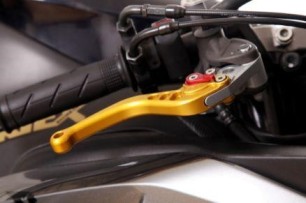
Let's understand the terms wet clutch and dry clutch
Petrol engines do not create much power at low rpm; they must rotate quickly before delivering enough power to the wheel. The clutch is a device used to gradually and smoothly introduce power into the engine.
Motorcycle companies provide two types of clutches in their bikes- a wet-type and a dry-type. Today's blog will give you all the information on both types.
How does a clutch work?
Before we get into the types, let's understand how a typical clutch works. Consider two plates, one attached to the engine and the other to the gearbox. There is no contact between the engine and the gearbox. When they come into contact, the friction allows a transfer of power. When the force is increased, the amount of power transferred increases correspondingly.
Now that you know the functioning let's get into the types.
Dry Clutch:
A dry-type clutch is not immersed in liquid and engages by the principle of friction. The clutch plate is located outside of the engine housing. This implies it is in direct contact with the air and receives no lubrication. Since the plate gets heated due to friction, the dry-type clutch is usually bigger to increase the surface area of the clutch plate for effective cooling via air.
Essential things to know about a dry clutch:
• The torque transmission of Dry Clutch is better due to the absence of oil.
• Dry clutches are typically single-plated.
• The noise in a dry clutch is greater and lasts longer as wear and tear increases.
• Dust particles can gather in the clutch's casing.
• The life cycle of a dry clutch is typically shorter.
• A dry clutch has a high repair demand and expense.
Wet Clutch:
Wet clutches, as opposed to their dry counterpart, are coated with engine oil, allowing the clutch plates to cool. As a result, wet clutches withstand more significant damage. They are quieter at rest, making them ideal for stop-and-go traffic.
The presence of lubricant lowers the torque transmitting capacity due to a lower coefficient of friction between the clutch plates.
Essential things to know about a wet clutch:
• A wet clutch plate(s) is found within the engine housing.
• Wet clutches are employed in high torque circumstances where friction levels are high.
• Wet clutches have substantially less wear and tear.
• The oil filter in the wet clutch casing removes dust particles.
• The life cycle of a wet clutch is often longer.
• A wet clutch has very minimal maintenance needs and costs.
Here is all you need to know about clutches. Most bikers prefer a wet clutch since it is ideal for most on-the-road sports bikes.
However, if you want all the horsepower that you get from an engine, as in the case of an all-out racing bike, you should opt for dry clutches. While you decide on the clutch type, opt for bike insurance online to protect clutches from unforeseen wear and tear in the long run. Reliable bike insurance will cover the expenses required for the repair work of your bike.
Click HERE to buy bike insurance online.
Disclaimer: The information provided above is for illustrative purposes only. To get more details, please refer to policy wordings and prospectus before purchasing a policy.

Best tips to make your home warmer during the winter season
From Christmas to New Year, winter is welcomed as the joyful season. Despite the temperature falling, this season spreads its charm throughout the world, and the reasons to celebrate don't end. Nonetheless, for all of the delight that the season brings, it also bears bitterly cold weather, as well as a burlap sack full of mist, wind, and snow. Pretty knitwear, beautiful sunsets, countless cups of hot chocolate, and crisp evenings indoors are all things to look forward to.
However, it is no pleasure to have the wind blowing through your house, leaving you with chattering teeth and ice-cold feet. Following is a list of the best ways to keep your house warm during these days of inevitable coldness.
1. Use thermostatic radiator valves:
These valves function by letting you schedule the heating to turn on at predetermined intervals, helping you save energy by only using it when required. In addition, the new smart thermostats let you operate remotely via your smartphone.
2. Make use of curtains:
Sunlight is free, hence take advantage of it. Open your curtains during the daytime for abundant free heat. Close your windows as it becomes darker to provide another insulating layer and preserve the heat in your rooms. You can also opt for heavy curtains to obstruct the cool breezes from getting in.
3. Make the most of your ceiling fan:
Consider placing a fan at the top of your stairway to drive warm air rising through the floors back down to you. If you reverse the flow direction of your fan, warm air will be blown back into the room. Set the fan speed to low for optimum efficiency.
4. Reorganize your furnishings:
Be tactical with your furniture arrangement and check whether the sofa or bed is blocking the radiator and preventing it from heating the entire room. Place frequently used furniture around any heat source to get enough warmth.
5. Use rugs to cover the flooring:
Having rugs and carpets in your home will naturally help in improving insulation. In addition, it is stylish to layer rugs, so you won't have to go for a single enormous pattern to cover a wider area, and your house will seem instantly warmer.
6. Replace your boiler:
If your current boiler is more than a decade old, it's probably time to upgrade to a newer, more efficient type. An old, outdated boiler may consume more power, increasing your electricity bill significantly. However, a brand new one is less likely to have any problems and will consume less energy to generate the same amount of heat.
Winters are challenging, especially if you live in the frigid regions of our country. These are some ideas to keep your home warm and safe during the cold season. However, apart from these tips, insurance is crucial to protect your home throughout the year and add value to it. Purchase the best house insurance India plans that meet your requirements and look for the best deals available to get maximum return on your investment.
To browse through our house insurance India plans, click HERE .
Disclaimer: The information provided above is for illustrative purposes only. To get more details, please refer to policy wordings and prospectus before purchasing a policy.

Merits and Demerits of consuming additional food supplements
Dietary supplements can be an easy option to provide your body with enough nutrients. Supplements fulfil your nutritional requirements, but they come along with their pros and cons. For example, many supplements have active ingredients that can adversely affect the body.
Here is a post that guides you about the different food supplements. To understand the merits and demerits, we will categorize the commonly used supplements in the market.
1. Dietary protein food supplements:
Protein is a macronutrient and the fundamental building block required to build muscles, maintain tissue, and boost the immune system. According to scientific research, every human need 0.8 to 2.2 grams of protein per body weight in kilograms.
Merits:
• You can carry these supplements anywhere. They are readily available in shakes, bars, cereals to provide on-the-go energy.
• Moreover, protein food supplements consist of certain micronutrients not often found in our daily food like EAA's, creatine, glutamine, etc.
• These supplements can help you reach your protein goal faster.
Demerits
• The downside of these supplements is that many people depend on them rather than whole food to fulfil their daily body's protein needs.
• Secondly, these supplements are promoted majorly for fitness industries, hence are expensive.
2. Vitamins and minerals food supplements:
Vitamins and minerals are crucial for our body's functioning. According to the body structure, every person has different needs for vitamins and minerals.
Merits:
• These supplements can be helpful if you have difficulties having wholesome food or consuming a calorie deficit diet.
• Suppose that you don't like eating food that is rich in nutrients. In this case, vitamins and mineral food supplements can work best for you.
Demerits:
• Consuming specific vitamins and minerals for a prolonged period can accumulate them in the body and later result in severe toxicity symptoms such as kidney stones and heart rhythm issues.
• Excess amounts of minerals like zinc, magnesium, iron can also have adverse effects on your health.
3. Calorie food supplements:
Calorie food supplements come in handy when suffering from a health condition. They will help you fulfil the daily calorie intake that you cannot take from the whole food.
Merits:
• These supplements are beneficial for individuals dealing with busy schedules, eating disorders, or suffering from any diseases. Here, calorie food supplements play a significant role when the nutritional intake changes.
• Fitness enthusiasts, children, picky eaters are highly benefited from calorie food supplements. Certain supplements like mass gainers provide you approximately 500-600 calories per 45 gm serving. This calorie intake is very accessible if you cannot reach your calorie goal.
Demerits:
• Having this form of food additive may add additional calories to your diet, culminating in the buildup of belly fat.
You might have understood the overview of food supplements. But, as we know, that excess of anything is harmful. Even excessive use of these supplements is not good. Before you start consuming any food supplements, it is always suggested to consult your doctor or physician to get the best possible advice.
Along with this information, it is crucial to safeguard your health against the possibility of any issues. Magma HDI's online health insurance plan is designed to meet your and your family's requirements by providing complete coverage against health-related concerns.
Click HERE to know more about the different types of online health insurance coverage.
Disclaimer: The information provided above is for illustrative purposes only. To get more details, please refer to policy wordings and prospectus before purchasing a policy.
Hi there! 👋 Need help with a policy, claim, or renewal? Chat with us instantly on WhatsApp.
Start chat →