


General Insurance Blogs, Articles & Updates by - Magma Insurance
Have us call you
- RENEW YOUR POLICY
- BUY NEW POLICY

GENERAL INSURANCE BLOG

Why home insurance is a must for your house in today's time
All of us are extremely lucky to stay in a nation as diverse as India, which has a plethora of climatic changes to offer and support its citizens. However, the past few years have been quite a difficult journey for all, as a series of natural disasters that occurred in and around the nation. From the cyclone in Andhra Pradesh to the floods in Jammu and Kashmir, Uttarakhand and Chennai, to the more shaky issues like the earthquakes in Nepal and North East India, all have caused considerable losses to lives and properties. Instances like these are a colossal knock for people who haven't yet browsed through the Best Home Insurance In India since they can provide adequate cover for various physical properties and homes.
A considerable mark of an effective home insurance plan is that it has all the required components to reduce the financial stress that you may face at points of distress in your life. It ensures that, no matter what the mishap is, you can protect your home against the most brutal natural disasters like typhoons, floods, earthquakes, and landslides, to name a few. Home insurance also plays a vital role in covering against explosions and dire consequences.
Not just natural, but there are some manmade issues like theft, robbery, and terrorism against which home insurances are useful in protection and here is what the best home insurance in India will protect you from, and aid you in: -
- Personal assets Articles such as furniture and clothes, household equipment, among other things are all covered even if natural forces like floods and earthquakes have destroyed them. Any home insurance policy will cover these items. More valuable products like jewellery and art, along with some silverware and collectables, are only covered within a specific set limit. The best home insurance in India is usually a complete package that takes care of your home against fires, natural disasters, and human damages like thefts, a burglary that may have caused a loss of household goods. It also covers personal accidents that may have occurred due to their negligence.
- Infrastructural needs Home insurance policies cover all expenses that are associated with repairing or rebuilding the home if it gets damaged or destroyed due to an excruciating circumstance. This helps you ensure that the damage caused to your infrastructure can be repaired without exerting any additional pressure on your finances.
- Premium Any premium of home insurance depends upon the selected sum, which has been insured of the structure and content. Usually, the structuring of the house depends upon multiplying the area of the structure in question with the total cost of creation. The values of the contents are calculated following the market value. All the benefits that you expect, along with various features, are all provided according to the home insurance policy taken by you.
These are some of the most important benefits which can be enjoyed by all those who take a home insurance policy. There are varieties of options available out in the market which provide the customer with adequate freedom to choose the open of their choice, from the diverse options provided with a plethora of features.
5 Effective Tips to Deal with Stress and Anxiety amid the Global Pandemic
The global pandemic has hit everyone hard, in terms of health and economy. But, more importantly, it harmed our mental health severely. Completely locked and confined to home for several months has led to some kind of depression to a large number of people. In these ongoing months, there are many reported cases of anxiety among various age groups. To overcome, we must focus on and prioritize our mental health first. This is also advised by the best health insurance company in India.
Below are some of the useful tips that will help you to avoid mental health issues:
- Focus on your diet
A balanced and nutritious diet is the need of the hour. To fight the deadly COVID-19, it is advised that you boost your immune system. One can boost their immune system by consuming essential vitamins and other macronutrients.
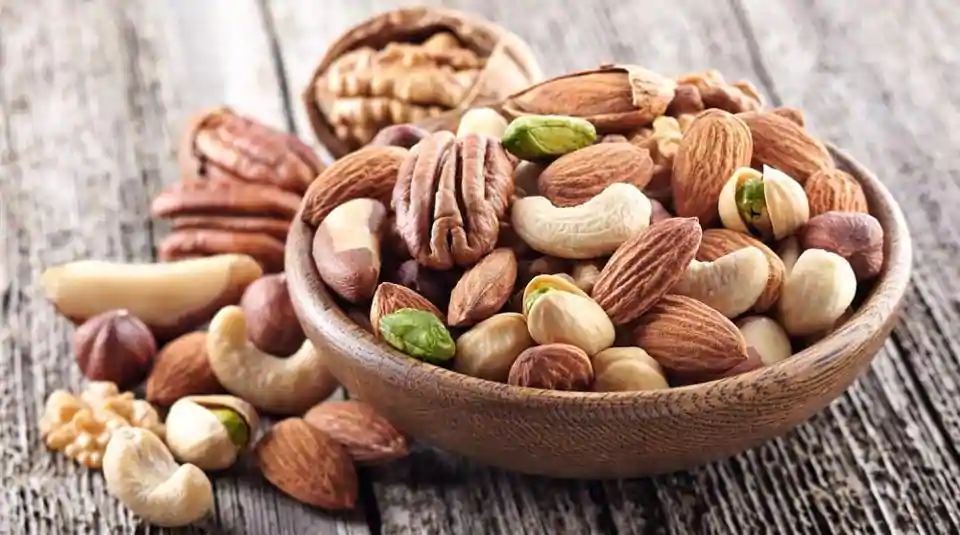
From various studies, it is concluded that complex carbohydrate-rich food like pulses and nuts can make you relieve from unnecessary stress. The inclusion of fruits daily in your diet is advised by the best health insurance company in India.
- Be Creative
You have now got all the time you always craved for. So, why waste it? Focus on your hobby now. It is important to engage yourself on something as it will help you divert your mind from reality. The whole day long, being confined to your home is not easy. But if you make a habit of doing what you like, then it will make you feel relaxed.
- Stay Fit
Fitness is essential, not only to control obesity but also to boost your immunity as prescribed by the Best Health Insurance Company In India . Since you cannot go out for a walk or gym, then you need to work out at your home. Go for some practical freehand exercises. But, do perform them if you feel suitable and do not overstrain yourself. 40 minutes of exercise once a day can be a stress buster and help you concentrate on the functional aspects, ignoring the negativity
- Maintain your Sleeping Cycle
It is hard to maintain the sleeping cycle when we don’t have the rush to wake up in the morning. Either we watch movies all night long or overthink, which is stressful and can also lead to severe anxiety issues. To overcome this problem, it is better to sleep at a proper and fixed time.
It is always advised to sleep before midnight and wake before 8 am. It will help you to have a better metabolism and grow your immunity. The significant impact of it will be to reduce overthinking and soothe your mental health. Proper sleep, at least 8 hours, will make you much more productive.
- Socialize Online, Not Offline
It is advised that you socialize with your friends and other acquaintances often. Socializing is an essential factor that will make you open your heart and relax. Stay connected and always help them out. Also, ask for help in any matter, whether you want to talk out or need something.
Also, do cut off toxicity around you. Avoid them merely by cutting them off from your contact. To keep your mental peace, you must avoid some people.
Conclusion
So here are the critical five tips that will keep you satisfied and happy in the long term. Buying insurance for your health needs from the best insurance companies in India is important as they pay very much attention to mental health. This year is getting worse, but do remember every cloud has a silver lining. It will pass soon, so hold yourself up.

How to port your health insurance to Magma HDI?
The Insurance Regulatory and Development Authority of India (IRDAI) has extended the privilege of porting health insurance to all policyholders since 2011. What this means for you is that at the time of renewing your policy, you have the option to change your insurance provider.
Wondering how that works? Keep reading to find answers to the most common concerns about porting insurance in India.
Can you port your policy without losing benefits?
Some of the advantages of porting your health insurance policy is finding affordable premiums or better policy features without compromising on the continuity benefits of your policy. In other words, it helps you in your journey to find the best health insurance policy in india .
For instance, say a medical condition wasn’t included in your health insurance policy for the first two years due to a waiting period of 3 years. In this case, the two years from the earlier policy will be reduced, and you’ll get the waiting period of one year on the new policy.
How much time do you need for porting?
Typically, you can port a health insurance policy within 45-60 days of the date of expiry. However, it may change from insurer to insurer. The rules of porting not only apply to the policyholder but the insurer as well. Hence, the new insurer should respond within 15 days of receiving your portability request.
What documents do you need for porting your health insurance?
If you do decide to switch your insurance provider, you will need the following documents:
1. The policy documents issued by your existing insurer
2. Information specific to the renewal of the policy
3. A self-declaration if no claims were made in the previous policy
4. For claim settlements, send discharge summary, investigation report, and other related documents as a proof
Why should you port your health insurance to Magma HDI?
The OneHealth insurance plan from Magma HDI is a comprehensive policy that offers you protection from the financial liabilities of healthcare, offers discount options for your premium and gives you the options of add-ons such as a critical illness cover to leave you completely worry-free!
Here are some other features offered by the policy:
1. 24x7 claim assistance
2. Cashless hospitalization across 4100+ hospitals
3. It also offers as many as 16 key benefits such as loss of income cover, maternity cover etc.
Process for porting your health insurance policy to Magma HDI
If you want to port your existing health insurance plan to Magma HDI, you should do it within 45 days before your policy's date of renewal. Given below is the process behind successfully porting your insurance-
1. Ask for a portability form from Magma HDI or fill the form online. Provide accurate details in this form. The company’s team of underwriters will cross check your details with your current insurer within 7 days from submission.
2. This information goes to IRDAI where your existing insurer will also give the details about your coverage and claims in a prescribed format.
3. With these details, the underwriting team at Magma HDI will have access to the history of your plan. They will make a proposal according to the company’s underwriting norms.
4. The team at Magma HDI will then send across the proposal to your existing insurer within 15 days. The last step is the acceptance of the proposal by your existing insurer.
So, this is how you can easily port your health insurance policy to Magma HDI. Check out their website for more information on their OneHealth policy.

6 Ways to Reduce Risk of Contracting COVID-19 While Commuting to Work
The end of 2019 had brought forward a deadly virus that is still haunting the world, the COVID-19. Since we are still lagging in getting a proper vaccine for this virus, the situation is causing more and more adverse effects, even fatality.
In the case of treatment of COVID-19, best health insurance in India covers pre and post hospitalization expenses, including in-patient and out-patient expenses. Yet it is best if we could prevent it from the first occurrence just keeping ourselves well protected.
COVID-19 might have paused our regular daily routine for a few days, but we are getting back on track with our professional commitments. In such cases, getting proper protection has become inevitable to keep ourselves safe.
So here are 6 ways to reduce the risk of contracting COVID-19 while commuting to work:
1. Using Personal Protective Equipment (PPE)
Whenever you step out of our house, you must gear up with proper personal protective equipment, like masks and a pair of gloves. This protects us from getting in direct contact with the virus by shielding our most prone parts of our body, like hands and mouth.
You should also carry an extra pair of disposable gloves and mask for an emergency. Try not to open PPE at all while you are outside. It would be best if you washed the mask properly in case it is reusable. This ensures our safety.
2. Using Sanitizer
The use of sanitizer is one of the essential precautionary measures. It would be best if you always carried a sanitizer while going out and use it whenever you contact any other substance or any other person. Sanitizers kill the virus before it starts harming our body. It is better to use sanitizer just before and after a meal is a must.
3. Eating Safe
Eating unpacked, and street food increases the chance of coming in contact with the virus. So, it is safe to either carry your food or any packed items. Food prepared in the house must be washed well before cooking.
You should only purchase foods from outlets that follow the proper protocols of WHO. Some of the best insurances of India encourage its policyholder to eat safe and eat healthily.
4. Maintaining Social Distance
Whenever you travel, you must maintain social distance. Keeping a safe distance from other persons reduces the chance of getting in direct contact with the virus. It would be best if you avoided public transports that are too crowded. Instead, travelling in private vehicles minimizes the chance of infection.
It would be best if you also kept a decent distance from people who are continually sneezing or coughing. Crowded places are always the den for spreading the virus. The Best Health Insurance In India insists its policyholders on maintaining social distancing.
5. Avoiding Any Physical Contact
Public places are prone to contamination by the virus. Please do not touch any unmanned items, walls or railings as that can increase the chance of coming in contact with the virus. So, before you get in contact with such places, it is a must first to disinfect the surface properly.
6. Spread Awareness
While travelling, if you find a person without wearing a mask, make him/her aware of the same. We must stand in a safe distance and insist others to maintain distance too. Being a responsible citizen, you must always spread awareness about the current situation. Not wearing a mask outdoors might result in legal charges and consequences.
Summing up
While travelling to your workplaces, you must always maintain the above steps. These will keep you away from coming in direct contact with the virus. Social distancing, using personal protective equipment and sanitizers are some of the crucial things you should practice regularly.The best health insurances in India always promotes all of the above steps for the betterment of their customers.
15 Simple Health Tips For Monsoon!
The monsoon is a welcome change for many from the scorching summer heat. It brings promises of new life with itself. Thus humans often greet this season with open arms.
But sadly the bacteria and viruses enjoy this season as well. So we need to keep an eye on our health and take the necessary precautions to stay safe. But with the growing number of diseases due to various viruses in this period, one should also consider health insurance plans in India to keep their family protected.
Here are a few simple health tips for the monsoon that every person must take up to stay fit and healthy.
1. Increased intake of Vitamin C as it fights against any deadly virus:
- Monsoon is the time where viruses and bacteria thrive the most.
- A rich vitamin C diet, including oranges and green vegetables, can help increase the immunity against such diseases.
2. Avoiding junk food:
- The streets are filled with puddles and potholes. These are home to a vast number of microorganisms.
- Street foods, which are sold openly on the streets, are often exposed to these harmful microorganisms.
3. Not storing stagnant water:
- Mosquitoes are born in stagnant water. They are carriers of a vast number of diseases.
- One must also ensure that drains are not clogged, and rainwater is not stored in any part of the house.
4. Adding disinfectants in bathwater:
- Most people like to walk in the rain. But bathing at least twice a day can do away with any health problems.
- Use of disinfectants in the water can protect from the various microorganisms and keep one fit.
5. Using ironed clothes:
- Clothes stored in wardrobes often get cool with the damp from rain and lack of sunlight. Wet moisture causes molds
- Ironing the clothes before wearing makes them free from these fungi besides giving a stylish look.
6. Having well-cooked vegetables and fruits:
- Fruits and vegetables skins are home to several germs.
- They need to be adequately washed in running water before cooking them to stay safe from water-borne diseases.
7. Enough sleep and exercise:
- 7-8 hours of sleep is mandatory for an individual to create immunity and prevent various diseases.
- Regular exercise can keep the body in perfect shape and build immunity against various diseases.
8. Avoiding touching the eye:
- Eye infections like conjunctivitis, dry eyes and corneal ulcers are common during these times.
- In case of any irritations, doctors should be consulted. There are some health insurance plans in India which can cover the cost if required.
9. Maintaining hand hygiene:
- Washing or sanitizing hands properly before having food is a must. It kills all the germs.
10. Precautions against mosquitoes:
- In-home, mosquito coils or tents should be used to stay safe from mosquitoes.
- Several health insurance plans in India now deal with diseases caused due to mosquitoes. Hence these should be considered.
11. Clipping nails:
- Bacteria and germs often accumulate underneath nails. So they should be clipped at regular intervals.
12. Protection against allergens:
- Allergies can become severe during this season.
- Wearing masks while going out and carrying anti-allergy medicines are a must.
13. Not using wet shoes:
- One should not be wearing wet socks and shoes as pathogens may grow.
- Keeping an extra pair of shoes might be beneficial.
14. Staying clear of damp indoors:
- Damp walls are home to the growth of fungi.
- People having asthma or breathing problems should stay away.
15. Keeping distance from sick people:
- Many people catch the flu or cold during this time. So it's better to keep a distance from them.
The monsoon usually lifts the spirits of many but often makes the health vulnerable. With some essential precautions, one can stay fit. One can even take the help of Health Insurance Plans In India so that even when you fall ill, you can deal with the situation effectively.

Family Health Insurance or Individual Health Plans – What to Choose?
Establishing life goals entail insurance plans, but that’s not a holistic confirmation to your investments. The next question would be - whether to settle for an individual or a family floater plan.
Insurers provide these variant coverages for their health insurance services. But what are the key differences? What should you choose? What are the benefits? All of which will be answered in the following paragraphs.
Know the difference
The literal meaning automates a difference which understandably leads you to think of the package claims.
- Individual health insurance is issued against a single person. So, if you were to propose insurance coverage for your entire family, you’d have to buy insurance respectively for each member. That’d provide an allotted sum dedicated to each individual under the insurance policy.
- But if you are looking into family insurance, all the members will be covered under one single insurance package. Unlike the former variant, family insurance has an allotment dedicated to the entire family, which is to be shared. So, if your family has two other members with an insured sum of 4 lacs INR, the cluster would be sharing the same amount. Thus, a health insurance policy for the family will only dispatch the stipulated amount irrespective of the individual requiring healthcare assistance.
How does it work?
A family insurance plan relies on the hypothesis or rather, the possibility of all members requiring medical assistance at the same time. So, if a family of three buys an individual plan of 3 lakhs for each member, a family floater plan of 8 lakhs can equally justify the needs.
How are the premiums determined?
The premium for family health insurance is determined based on the age of the oldest member. However, for individual plans, the only determining factor is the age of the member insured. The family plans tilt towards your affordability, especially for younger families. But if the oldest member suffers from a terminal or any immediate ailments, individual plans are recommended.
Comparative Analysis of Family vs Individual Health Insurance
- Individual health insurance is issued against a single person. So, if you were to propose insurance coverage for your entire family, you’d have to buy insurance respectively for each member. That’d provide an allotted sum dedicated to each individual under the insurance policy.
- But if you are looking into family insurance, all the members will be covered under one single insurance package. Unlike the former variant, family insurance has an allotment dedicated to the entire family, which is to be shared. So, if your family has two other members with an insured sum of 4 lacs INR, the cluster would be sharing the same amount. Thus, a health insurance policy for the family will only dispatch the stipulated amount irrespective of the individual requiring healthcare assistance.
- But if you are looking into family insurance, all the members will be covered under one single insurance package. Unlike the former variant, family insurance has an allotment dedicated to the entire family, which is to be shared. So, if your family has two other members with an insured sum of 4 lacs INR, the cluster would be sharing the same amount. Thus, a health insurance policy for the family will only dispatch the stipulated amount irrespective of the individual requiring healthcare assistance.
- Family insurance plans offer age-restricted renewals. So, if the oldest member were to breach the maximum threshold, the presiding members won’t be able to forward any amount prescribed by the policy.
- If a child migrates to an individual plan, eventually, the credit for their waiting period is lost.
- For a family plan, any member issuing a claim can nullify the No Claim Bonus or NCB for that fiscal year.
- Generally, kids and immediate dependents are covered in a family plan. But for cases where you’d want to include your in-laws or grandparents, individual plans remain their only plausible option.
Verdict
This is more of a strategy than a choice since you can opt a heterogenous plan, here’s what you can do:
- If your family consists of younger members,Family Health Insurance Policy will fare better for apparent reasons until the members cross their age threshold for the policy.
- For families without any history of chronic illnesses, the family plan suits them best. Moreover, they remain under a certain price bracket that provides financial convenience.
- But if you are someone at a higher risk of any significant illness, subscribe to individual insurance covers so that the entire family can rely on the sum insured in the family plan.
- If you have parents in the older age bracket, purchase individual insurance covers. This step will ensure you protect the NCB from being nullified in case your parents require serious medical expenses.
So, to sum it all up, younger families are recommended to buy a family cover while buying individual covers for members who are at a higher risk of requiring serious medical attention.

Top 9 Foods To Be Included In Your Diet For A Safe Monsoon
Monsoon often arrives as a welcome relief to many. The scorching summer heat and humid tiring days are replaced by new hope and joy as the rain comes with new promises of life.
But monsoon also brings with itself a large number of diseases like dengue, malaria, cold and flu. Unhealthy eating habits can make people vulnerable to such ailments. One should also look towards health insurance policy renewal to keep their family safe in case of emergencies.
Health insurance policy renewals are increasing day by day. So immunity is the key to successfully prevent such diseases, which one can only attain following a healthy diet. Some such items are given below.
1. Turmeric:
- It can be used as an antiseptic, antiviral, antifungal and antimicrobial.
- It contains curcumin which helps in providing immunity and taking care of the health
- It is often called the golden spice of the kitchen. One can drink it as Haldi-doodh during bedtime or mixed with food as turmeric powder or freshly grated with other items.
1. Fermented food:
- Probiotics are good bacteria which, when intaken can live in the human intestinal tract and can help in fighting against the harmful germs entering the body.
- Fermented foods like yoghurt, buttermilk, pickled veggies are a must in the diet.
1. Lemons:
- Lemons have Vitamin C, which is very important during this period.
- It helps in building immunity against infections and helps in digesting quickly. It also provides nutrition to the flesh.
1. Masala Tea:
- Cardamom and cloves are essential to guard against infections and fight against diseases like cold and flu.
- Cinnamon has a lot of ethical medicinal values.
- Mixing these along with spices like ginger, black pepper and tulsi leaves with tea can be a natural immunity-booster
1. Garlic:
- It fights against the viruses causing flu and cold and boosts the immune system.
- Having garlic regularly can increase the T cells in the blood, which helps in fighting against such viruses.
- Garlic contains allicin. Raw intake of garlic changes it to allicin, which is a crucial compound helping to boost immunity
1. Dry Fruits:
- Nuts like dates, almonds, walnuts are rich in vitamins and minerals and must be an integral part of the diet.
- They are rich in riboflavin, niacin and Vitamin E, which helps in boosting the immunity.
- Vitamin E is a powerful antioxidant which helps in keeping the body fit and healthy.
1. Spinach:
- Spinach is a good source of Vitamins A, C and E. It also contains beta carotene, folic acid and fibre.
- These nutrients and antioxidants help the body to build up a robust immune system and be fit and healthy.
- They should be washed thoroughly before cooking.
1. Bitter gourd:
- This is not an item that is liked by many but is exceptionally crucial for the diet.
- They are rich in Vitamin C and help in fighting against many harmful viruses.
- One can have them boiled, fried or stewed with other vegetables.
1. Ginger:
- It is a herb having antiseptic, antibiotic and antimicrobial properties. It is also rich in antioxidants.
- It is instrumental in boosting immunity and fighting against diseases like cough and cold, sore throat, and body ache.
- One can have it by mixing it with tea, milk or soups.
Maintaining a healthy food habit can keep one fit and healthy, and then health insurance policy renewal will not be the primary concern.
One should avoid having street foods and carbonated beverages during this period. The drinks lower the minerals’ levels and enzyme activity of the body. Street foods are often left open to many harmful microorganisms. Sea fishes breed during this time. So these should be avoided as much as possible. Besides, one should also look for Health Insurance Policy Renewal to cover the expenses if needed.
Road Safety Tips for Two-wheelers
The majority of road accidents in India are those driving two-wheelers, taking the lives of thousands of people every year. It is a common sight to notice a two-wheeler rider cutting past the traffic, riding on the pavements, or finding a way even in small lanes.
We know that people with two-wheelers love speed and want to reach anywhere faster by avoiding traffic. At the same time, you need to take care of your safety when on the road. Apart from following the below-mentioned tips you can follow to ensure your safety on the road, invest in the best Two-Wheeler Insurance In India . Buying two-wheeler insurance will help you cover the damages in case of any mishap in the future.
Here are some safety tips you must follow:
Tip 1: Wear a helmet
- Invest money in buying a good quality helmet for your protection. It will help in preventing head injuries and will keep you safe in case of an accident.
- Don’t just wear the helmet to prevent yourself from being fined; wear it for your safety. Don’t forget to fasten the straps to keep it in its place.
- Buy helmets with a plastic sheet. This will help you in protecting your eyes while driving.
Tip 2: Control your speed
- The speed of your two-wheeler should not exceed what you can control.
- It is often seen that road accidents occur when the rider couldn’t control the vehicle’s speed on time. Hence, don’t ride too fast to control.
- Maintain a safe distance from other vehicles to avoid accidents. Buy a good two-wheeler insurance policy to protect yourself.
Tip 3: Check your vehicle before riding
- It is a thumb-rule to check your vehicle before you take it on the road.
- Check that the breaks, headlights, indicators, and horn are all in working condition.
- Make it a point to ensure regular servicing of your two-wheeler from an authorized service centre.
Tip 4: Avoid riding in adverse weather conditions
- Try to avoid riding your two-wheeler in lousy weather conditions. Until and unless it is necessary, avoid being on roads in harsh weather conditions.
- An accident’s chances are high in adverse weather conditions like during heavy rains and foggy weather in winters.
- Use anti-reflective stickers on your vehicle or helmet to make yourself visible to other riders.
Tip 5: Look for hazards and obstacles on the road
- Be attentive while riding your two-wheeler.
- Look for garbage piles, pot-holes, speed breakers, oil spills, and stray animals while driving.
- These obstacles or on-road hazards can pose a significant threat to your safety if not paid attention.
Tip 6: Obey Traffic Rules
- Do not try to break the traffic rules. They are designed for your safety and hence should be obeyed.
- Don’t drive when you are under the influence of alcohol.
- Don’t try to over-speed or overtake. Avoid so, especially in case of heavy vehicles.
Tip 7: Invest in two-wheeler insurance
- Investing in two-wheeler insurance is always the right decision.
- In case of any damage or loss during an accident, it will come to your rescue and will secure you against any monetary cost incurred.
- Buy the best two-wheeler insurance in India after comparing different policies and choosing the best for you.
- Also, note that third party two-wheeler insurance is mandatory in India.
By following some simple safety measures, you can avoid accidents and injuries that can be life-threatening. These tips will ensure the safety of you and your loved ones. Buy the best two-wheeler insurance for increased security.
Hi there! 👋 Need help with a policy, claim, or renewal? Chat with us instantly on WhatsApp.
Start chat →