


General Insurance Blogs, Articles & Updates by - Magma Insurance
Have us call you
- RENEW YOUR POLICY
- BUY NEW POLICY

GENERAL INSURANCE BLOG

Why Home Insurance against Natural Calamities is Essential
One of the most expensive assets that an average earning Indian buys in his/her life is a house. A good part of our earnings is spent on buying and furnishing our dream home. Though we pay a lot of attention when purchasing and setting up our house, we often neglect to get it insured from the best home insurance company in India.
Due to a lack of awareness among buyers, many people don’t consider buying a home insurance policy to protect their homes against natural calamities. There is a misconception among insurance buyers that home insurance is costly. However, the fact is that home insurance against natural disasters in India is inexpensive. It is being offered by the best home insurance company in India at a price that doesn’t burn a hole in your pocket.
Why buy Home Insurance against natural calamities?
Despite knowing that home insurance against natural calamities is not as expensive as it is perceived, only 1% of people buy the insurance cover.
It is essential to buy home insurance against natural calamity because India is a disaster-prone country. Many regions are prone to experience earthquakes with severe intensity. Also, there are many areas, approximately 12% of India, which is likely to floods. The areas on the Indian coastline are prone to experiencing tsunamis.
The frequency of natural disasters in India has increased in the past few years. According to the World Bank’s estimate, approximately 600 districts in India are calamity-prone. This places a large number of people and their property at a higher risk.
It is thus essential for Indians to buy a home insurance policy against natural calamities from one of the best home insurance companies in India. Moreover, a home insurance policy covers not only the building of your home but also the components in it from damages.
Here is a detailed analysis of why you need to buy a home insurance policy.
It not only protects your home:
- A home insurance policy provides protection not only by covering your home but also the components within.
- You can easily opt for add-ons to protect various components of your house like furniture, valuables, electronics, etc.
Replacement of loss
- A home insurance plan not only provides financial safety but also provides for the replacement of the insured subjects.
- You can opt for replacement cost instead of depreciation value when buying a home insurance plan.
- The structure of the building and the various components are insured for their replacement cost.
Home Insurance is inexpensive
- Home insurance plans to protect your home against natural calamities are available at affordable premium costs.
- You can easily buy home insurance from the best home insurance company in India without pinching your pocket.
Protect yourself from lawsuits
- A comprehensive home insurance policy offers you the required peace of mind by protecting you from property-related lawsuits.
- Some insurance plans also cover the medical expenses of a guest who is injured on the premises of your residence.
It offers flexibility
- If you are willing to buy a home insurance plan to protect your property from natural calamities, you can choose between insuring the structure of your home or only it’s content. This offers flexibility in buying a home insurance plan.
Natural calamities cannot be controlled, but you can protect your home. If you still don’t have home insurance, buy one soon from the best home insurance company in India to protect your dream home.

Family Health Insurance or Individual Health Plans – What to Choose?
Establishing life goals entail insurance plans, but that’s not a holistic confirmation to your investments. The next question would be - whether to settle for an individual or a family floater plan.
Insurers provide these variant coverages for their health insurance services. But what are the key differences? What should you choose? What are the benefits? All of which will be answered in the following paragraphs.
Know the difference
The literal meaning automates a difference which understandably leads you to think of the package claims.
- Individual health insurance is issued against a single person. So, if you were to propose insurance coverage for your entire family, you’d have to buy insurance respectively for each member. That’d provide an allotted sum dedicated to each individual under the insurance policy.
- But if you are looking into family insurance, all the members will be covered under one single insurance package. Unlike the former variant, family insurance has an allotment dedicated to the entire family, which is to be shared. So, if your family has two other members with an insured sum of 4 lacs INR, the cluster would be sharing the same amount. Thus, a health insurance policy for the family will only dispatch the stipulated amount irrespective of the individual requiring healthcare assistance.
How does it work?
A family insurance plan relies on the hypothesis or rather, the possibility of all members requiring medical assistance at the same time. So, if a family of three buys an individual plan of 3 lakhs for each member, a family floater plan of 8 lakhs can equally justify the needs.
How are the premiums determined?
The premium for family health insurance is determined based on the age of the oldest member. However, for individual plans, the only determining factor is the age of the member insured. The family plans tilt towards your affordability, especially for younger families. But if the oldest member suffers from a terminal or any immediate ailments, individual plans are recommended.
Comparative Analysis of Family vs Individual Health Insurance
- Individual health insurance is issued against a single person. So, if you were to propose insurance coverage for your entire family, you’d have to buy insurance respectively for each member. That’d provide an allotted sum dedicated to each individual under the insurance policy.
- But if you are looking into family insurance, all the members will be covered under one single insurance package. Unlike the former variant, family insurance has an allotment dedicated to the entire family, which is to be shared. So, if your family has two other members with an insured sum of 4 lacs INR, the cluster would be sharing the same amount. Thus, a health insurance policy for the family will only dispatch the stipulated amount irrespective of the individual requiring healthcare assistance.
- But if you are looking into family insurance, all the members will be covered under one single insurance package. Unlike the former variant, family insurance has an allotment dedicated to the entire family, which is to be shared. So, if your family has two other members with an insured sum of 4 lacs INR, the cluster would be sharing the same amount. Thus, a health insurance policy for the family will only dispatch the stipulated amount irrespective of the individual requiring healthcare assistance.
- Family insurance plans offer age-restricted renewals. So, if the oldest member were to breach the maximum threshold, the presiding members won’t be able to forward any amount prescribed by the policy.
- If a child migrates to an individual plan, eventually, the credit for their waiting period is lost.
- For a family plan, any member issuing a claim can nullify the No Claim Bonus or NCB for that fiscal year.
- Generally, kids and immediate dependents are covered in a family plan. But for cases where you’d want to include your in-laws or grandparents, individual plans remain their only plausible option.
Verdict
This is more of a strategy than a choice since you can opt a heterogenous plan, here’s what you can do:
- If your family consists of younger members,Family Health Insurance Policy will fare better for apparent reasons until the members cross their age threshold for the policy.
- For families without any history of chronic illnesses, the family plan suits them best. Moreover, they remain under a certain price bracket that provides financial convenience.
- But if you are someone at a higher risk of any significant illness, subscribe to individual insurance covers so that the entire family can rely on the sum insured in the family plan.
- If you have parents in the older age bracket, purchase individual insurance covers. This step will ensure you protect the NCB from being nullified in case your parents require serious medical expenses.
So, to sum it all up, younger families are recommended to buy a family cover while buying individual covers for members who are at a higher risk of requiring serious medical attention.
Eating during COVID-19: How nutrition can protect people's health during COVID-19
Started from the province of Wuhan in China, COVID-19 has spread all around the world, leaving behind the massacres. First reported on 30th January 2020, India has recorded a total of 1.44 million active cases and more than 32 thousand people have lost their lives as reported till 27th July 2020. Yet, till the current date, no verified vaccines have been launched in the market leaving behind a massive matter of concern for the common masses. In incurring medical care, what comes up to our mind first, does health insurance in India cover the COVID-19 or not?
What expenses does the health insurance cover?
Current Coronavirus health insurance in India covers hospitalization expenses including in-patient hospitalization, pre-hospitalization and post-hospitalization expenses. But it's always better to get our immunity system to act as the main barrier to trust, and for that, we need a stone-hard immunity.
What do you need for better immunity?
To get better immunity, we must focus on our nutritional well being and good food habits. To boost your immune system, you need the essential macro and micronutrients like proteins, good fats, carbohydrates, inorganic elements, and essential vitamins, apart from looking at the health insurance in India.
Some foods that you must include in your diet
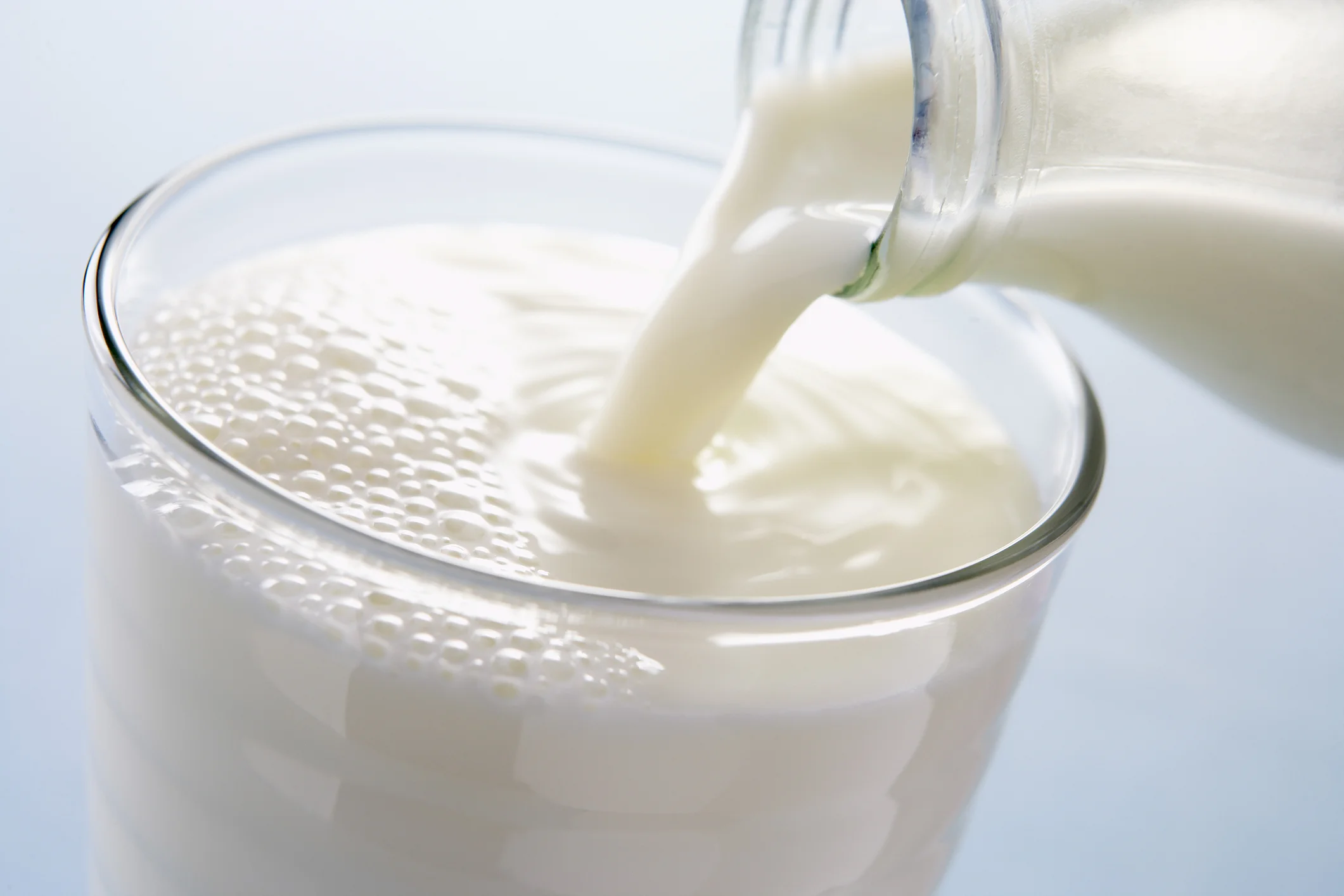
1. Milk: One of the most common and cheap nutrition-rich liquid food is milk. A cup of dairy milk contains almost 8 grams of protein, 12 grams of carbohydrates, and 2.4 grams of fats along with Vitamin A, Vitamin D, and Vitamin B12. It is also a good source of Calcium(Ca) and Potassium(K). Due to the high complete protein content, it helps in lean muscle building and keeps bones healthy too. Having one cup of milk a day could help us keep us on track with the daily macros and micro required to boost up our immunity.
2. Egg: A whole egg contains approximately 13 grams of protein, 1.1 gram of carbohydrates, 11g of good fats along with Vitamin A, VItamin B2, B5, B6, B12, Vitamin D, Vitamin E, and Vitamin K. The high-quality proteins and Essential Amino Acids in egg make it a complete source of protein. It is also a great source of Calcium, Zinc, and Iron. It raises HDL, which reduces the risks of heart disease.
3. Chicken: With a protein content of 27g, good fats of 14 grams, chicken is one of the best low-fat protein sources. It maintains muscle mass, strengthens bones, and reduces appetite. Though fried chickens might not be too good for our health, preferably grilled or boiled chicken, should be consumed for better outcomes.
4. Fruits: A variety of foods must be consumed regularly. Different fruits have different useful nutrient facts.
I. Banana: It has a high source of good carbohydrates. It also contains the right amount of Iron, Potassium, and Vitamin C. It is also a good source of fibres that keep our intestine healthy.
II. Lemons: The most famous citrus fruit, Lemons are highly rich in Vitamin C, Potassium, and fibres. Vitamin C helps in reducing heart disease risk, and the citric acid in lemons reduces kidney stones.
III. Grapes: Grapes packed with nutrients, especially Vitamin C and K are an excellent antioxidant that may prevent chronic diseases. It may reduce cholesterol and also might decrease blood sugar levels.
A balanced and well nutritious diet can help you increase your immunity to combat COVID-19 effectively. With healthy food, a bit of proper exercise will enhance your metabolism. Different health insurance in India promotes self-awareness so that the policyholders stay away from medical help.

How to take care of your car during Monsoon?
All of us are preparing for the rainy season with our umbrellas and raincoats in place. While we are getting ready for the heavy rains, let us not forget to prepare our cars for the same.
Wondering why your car needs a bit extra care? It’s because the heavy rains have a terrible effect on your vehicle’s body. The dirt, mud, waterlogging, and massive jams are all bad for your car’s health. The water during the rain sticks to your vehicle resulting in rusting and electrical issues and has a corrosive effect on the car in the long run.
Many car owners miss out on essential tips necessary to take care of their vehicles during the monsoon weather.
Here are some useful tips for maintaining the good health of your car during the monsoon.
Tip 1:
- Make sure that you have perfectly running tyres on the road to have a safe ride.
- The right amount of tread is crucial for your care during monsoon.
- Shallow tread in tyres during monsoon can be risky and can lead to road accidents. Get your car insured from the best car insurance company in India for your safety.
- Also, keep a check on the tyres’ inflation regularly as low pressure will make it difficult for you to drive your car.
Tip 2:
- Get the brakes of your vehicle checked.
- Their proper functioning during monsoon is much more essential due to slippery roads and waterlogged streets.
- To maintain the excellent condition of brakes, make sure you regularly clean and, if required, replace the brake pads.
- Make sure they have required friction material, especially during the rainy season.
Tip 3:
- Maintenance of wipers and washers during monsoon season is of prime importance.
- Check and make sure that the wiper blades of your car do not leave behind any lines or smudges.
- Wiper blades tend to wear out fast. Get them checked before the monsoon season sets in.
- The rubber blades tend to crack during the summer season, making them ineffective during the monsoon season.
- Check the washer’s reservoir level and top it when the level is low or as and when required.
Tip 4:
- Water and electricity don’t go together, and we all are well aware of this fact.
- Patch up any exposed wiring beforehand to ensure that your car’s electrical is in good working condition.
- The life of your car’s battery too tends to decline if you are living in an area that receives heavy or regular rains. Get the battery replaced if required so that all the electrical components like headlights, wipers, etc., function properly.
Tip 5:
- Working headlights, tail-lamps, and indicators or turn signals are vital regardless of the weather.
- During monsoon, visibility is hampered, which requires your car’s lights to function well, making it easier for you to notice other road users.
- Test your vehicle’s lights by running them together. If you notice that they are getting dimmer or are inconsistent, get them replaced with new bulbs.
- Make sure they have required friction material, especially during the rainy season.
- Note that flickering lights are also an indication of a weak battery.
Tip 6:
- Do not allow water to sit on the body of your car, as this can harm its paint.
- You can use a thin layer of wax polish to prevent the body of your car. Alternatively, you can also use anti-corrosion sprays.
Make sure to keep these tips in mind to have a safe ride. Chances of accidents during monsoon are high due to slippery roads and reduced visibility. Get car insurance from the Best Car Insurance Company In India at the best possible price and enjoy your ride with your loved ones.
Hi there! 👋 Need help with a policy, claim, or renewal? Chat with us instantly on WhatsApp.
Start chat →