


General Insurance Blogs, Articles & Updates by - Magma Insurance
Have us call you
- RENEW YOUR POLICY
- BUY NEW POLICY

GENERAL INSURANCE BLOG
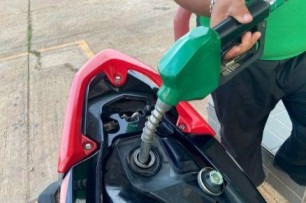
Here are the top three parts that can make your bike more fuel-efficient
With fuel prices skyrocketing now more than ever, it has become a rule of thumb to ensure that the vehicles you purchase or use, are fuel-efficient. Consumption of a limited amount of fuel can be an escape from burning a hole in your pocket. Plus, fuel-efficient vehicles help to reduce pollution and smog. So, making your vehicle fuel efficient can cause significant changes in your lifestyle, and you can contribute your part towards the biggest concerns of climate change.
Are you looking for suggestions for reducing your carbon footprint through less fuel consumption? Or do you wish to make your vehicle more fuel-efficient so you don’t burn through your savings?
This blog will discuss how you can achieve a more fuel-efficient vehicle using various techniques. Here are the top three parts that can make your bike more fuel-efficient. Let’s get started.
1. Give a rest to those breaks:
Your bike will consume less fuel and give you a better mileage if you unnecessarily avoid using brakes. Also, by preventing rash and aggressive driving, you save substantial fuel. Accelerating out of bounds and then hastily using the brakes will cause your vehicle to consume more fuel and power, thus diminishing the whole purpose of making your vehicle more fuel-efficient.
Always ensure you drive within the specified speed limit and abide by the traffic rules. This will not only help your bike stay in good condition but also prevent any accidents.
2. Be careful about the frequent gear change:
Along with the brakes, you must also ensure that you avoid changing the gears frequently and hastily. Driving at a constant speed will not only help you be safe on the road but will also consume less fuel, thus raising the fuel efficiency of your bike.
If you continuously operate your bike in the highest gears even when you don’t need it, it will lead to unnecessary fuel usage. Instead, always ensure that the operating gears are suitable for the road conditions you are driving in.
3. Take care of the tyres:
You must take care of the tyres to ensure that your two-wheeler consumes less fuel and maintains a good grip on the road. To take care of it, check if they are not underinflated. In the case of underinflated tyres, drag is created, increasing the friction, thus requiring more power and fuel to move the bike forward.
This unwanted drag can make it difficult for you to drive your vehicle. Properly inflated tyres reduce the drag, thus requiring a low power supply from the engine. This results in lesser fuel consumption.
Now, you need to keep an eye on the pressure and the amount of air-filled in the tyres. They must be inflated according to the default prescribed levels set by the bike manufacturer. Anything more or less than the mentioned limits can cause damage to the tyres and, in turn, the bikes.
Some other ways to make your bike more fuel-efficient include:
● proper maintenance of the bike and all its parts, using authentic and manufacturer-recommended spare parts in case of any damage
● driving safely and calmly
● purchasing the best fuel for your motorcycle
● check the air filters, and in case of any clogging, clean them
● regularly cleaning up your engine
We hope this blog provided valuable insights on making your bike fuel-efficient. Saving on fuel and spending extra during damages is not a wise thing to do. The best solution can be to purchase bike insurance to protect your bike against any damages, some of which might be sudden. Therefore, you must explore different options and buy the best bike insurance online to cater to your needs.
Click HERE to know more about purchasing bike insurance online.
Disclaimer: The information provided above is for illustrative purposes only. To get more details, please refer to policy wordings and prospectus before purchasing a policy.

Benefits of wearing orthopaedic shoes and quick tips for choosing the right ones
Just like any other part of your body, you must take care of your feet. Any ignorance can land you into severe issues such as extreme pain and discomfort while walking, hip problems, back problems, posture issues, hammertoe (pain issues in the joint of the middle toe), etc. The other common problem among women is metatarsalgia, a condition when the ball of your foot starts having pain and gets inflamed. This happens due to the constant use of high and tight heels.
Did you know there is a magical solution for all your feet problems? Orthopaedic shoes are one of the best options out there in terms of footwear. Orthopaedic shoes are made according to the doctor's advice and are accurate against foot problems. Foot troubles and conditions take quite a long time to heal; some might become critical if not taken care of initially. And orthotics are the best treatment that lasts longer and helps to heal. They act as a catalyst in your daily movement without any side effects.
Are you someone looking for more information on orthopaedic shoes? This blog will discuss the benefits of wearing orthopaedic shoes and quick tips for choosing the right ones. So, let's get started!
1. Boosts circulation:
Orthopaedic shoes are designed to improve circulation in the foot area instead of restricting the blood flow. The shoes help you adjust your feet, provide comfort, allow flexible movement, and improve the restricted blood flow. These shoes also provide immense relief from the pain in the nerves.
2. Improved support:
Suppose your shoes create discomfort while wearing or moving around. In that case, there is a considerable risk of severe foot problems like flat feet, metatarsalgia, and plantar fasciitis (pain in the heels due to flattening up of tissues that link the heel to the toes), etc.
These problems, if ignored, can go on to intensely affect your mobility and cause unbearable pain and discomfort. To avoid such grave health issues, wearing orthopaedic shoes provides an arch of support, proper padding, and cushioning for your heels.
3. Pain relaxers:
People who walk around ten thousand steps daily feel numbness and pain after a tiring day. Wearing orthopaedic shoes can help them ease into their routine and carry out their daily tasks effectively. It also prevents any redness and skin issues in the feet.
4. Say goodbye to the foot problems:
Orthopaedic shoes are your go-to solution against all kinds of foot problems like foot alignment, pain in the foot's arch, arch-related damages, etc. These problems can, over time, be corrected by the constant use of the right orthopaedic shoes. These shoes provide the best comfort, support, and cushioning to help your feet regain shape, alignment, and health.
While choosing the right orthopaedic shoes for your feet, do consult your doctors for the prioritising factors and dimensions required. Make sure to walk around in the shoes to analyse how the dynamics feel and be careful about the size. Buying the right size is very important. From formal to casual and stylish, there are multiple options of orthopaedic shoes.
That's a wrap on the benefits of wearing orthopaedic shoes and quick tips for choosing the right ones. As we talk about orthopaedic shoes and how they help keep your legs and feet in good health, it is wise to discuss health insurance for yourself and your parents. Specific problems come with age, and you must purchase the best health insurance in India for parents to ensure that they suffer no financial trouble as they grow older.
Click HERE to know more about purchasing the best health insurance in India for parents.
Disclaimer: The information provided above is for illustrative purposes only. To get more details, please refer to policy wordings and prospectus before purchasing a policy.
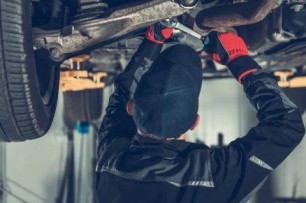
Best tips to check and maintain your car's suspension
The comfort and the ease of driving your new car are something that you always remember. However, with time, you start noticing small changes and don't feel the same comfort anymore. There could be many reasons for that. Wear and tear in the car seats, engine load, worn-out tyres, etc.
A car’s poor suspension could also be the reason for the growing discomfort. A fully functional suspension system ensures a smooth driving experience and keeps the vehicle under control. Over time the suspension system in the car experiences wear and tear and can take away from you a wholesome driving experience.
A suspension system comprises components such as wheels, tyres, springs, steering, etc. Different driving conditions govern these parts' longevity and wear off over time. To ensure that your car is working in proper condition, it is crucial to recognise any faults in the system and address them immediately to ensure safety while driving.
In this article, we discuss a few ways to check and maintain your car’s suspension.
1. Check air pressure:
Properly inflated tyres ensure that the chassis is protected from any damage. If they are not fully inflated, they can affect the vehicle's handling and performance. This can also be extremely dangerous when driving. To ensure that your tyre pressure is optimum, check it after driving every two thousand kilometres.
2. Wheel alignment:
Wheel alignment is another vital activity that ensures proper and risk-free driving conditions. The more challenging roads you take, the more likely your tyres are misaligned. Wheel alignment should be checked every two years or less, depending upon the kind of tracks you drive on. If you face difficulty while handling the steering or manoeuvring your vehicle, this indicates misaligned wheels.
3. Check power steering fluid:
If you enjoy the comfort of power steering or the hydraulic steering system, then maintaining and changing the fluids is part of your car’s regular maintenance. Check the level at least once a couple of months and replace it every three years. It is best to talk to a mechanic or refer to an owner’s guide to understand your car’s needs better.
4. Inspect shock absorbers:
If your car shudders or bounces abnormally when you drive, then these are indications of flawed shock absorbers. Make a visit to your nearest service centre to have the inspection of the shock absorbers. Ensure to get the shock absorbers checked after the first ten thousand kilometres and then annually. More challenging tracks and changing climates can cause wear and tear faster in the shock absorbers and might need to be changed sooner than mentioned above.
5. Accidents:
Slight irregularities can also affect the working of the chassis. If you have met an accident, hit a huge bump, or ran across a pothole, the chances are that some nuts and bolts could have disoriented from their original position. An inspection by a mechanic will help you rest assured and will not give you any trouble in the middle of the highway.
These are some ways to ensure that your car’s suspension works correctly. To avoid extra expenses or a complete breakdown, it is best to undergo regular servicing and check-ups for your vehicle. These services are a way of ensuring that every part of your vehicle is functioning effortlessly and efficiently.
Ignoring problems can lead to several damaged parts, which can be extremely dangerous when driving. Buy private car insurance India to ensure maximum safety and an amazing driving experience for your car. The right insurance boosts the longevity of your vehicle and undertakes expenses that might cost you a huge amount.
Click HERE to know more about private car insurance India.
Disclaimer: The information provided above is for illustrative purposes only. To get more details, please refer to policy wordings and prospectus before purchasing a policy.
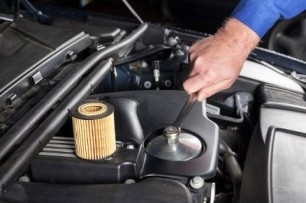
Complete guide on when to change car filters
The most commonly overlooked part of car servicing is changing the filters regularly. This task is a big mystery for many as to when is the right time to change a car filter and how to do it.
Timely change and maintenance of your car filters help optimise the motor parts' functionality and allow them to function efficiently. However, you need not be a mechanical whiz to notice the signs of when to change your car filters. This blog aims to help you understand the signs or hints your car gives indicating an immediate filter change.
1. Cabin filter:
A cabin filter is used to clean the inside of your car. This is done using air conditioning or heating vents. Clean air inside the vehicle is imperative for personal health and for preventing allergies and other respiratory problems. Unclean or damaged filters can block the airflow and cause visibility issues when defogging the windows.
Cabin filters must be changed every fifty thousand kilometres. Still, it is best to talk to an expert mechanic or consult the manual for recommended vehicle maintenance. If the air from the vents blows with less force or contains an unpleasant odour, your filters likely need to be changed.
2. Fuel filter:
The fuel filter helps keep dust, rust, and other impurities at bay. By removing the contaminants, this filter ensures the efficiency and performance of the engine. A clogged fuel filter can experience difficulty in the free flow of fuel, so the engine pumps harder than it needs to. It can lead to poor acceleration or a troubled start every time.
It is suggested that the fuel filters must be changed after fifty thousand kilometres. But these criteria often keep changing according to your vehicle's build and brand. If you start noticing decreased power, stalling, difficulty accelerating while going uphill, shuddering movements, and difficulty starting the engine, these are signs of a clogged fuel filter.
3. Air filter:
An air filter in the car is used to prevent insects, sand, debris, and other minute particles from entering the engine. Air filters ensure a good mixture of air and fuel to enhance the engine's performance. The cleaner the air in the engine, the more power the engine has. Good air filters also ensure better combustion, thus reducing fuel consumption. A clogged air filter leads to incomplete combustion and releases impure black smoke from the exhaust.
Air filters can be changed every twenty thousand kilometres. The interval can vary depending on the tracks you choose daily. You should reduce this interval if you drive on dirty or dusty tracks. Decreased mileage, strange noises, less power, black smoke, or strong fuel smell are symptoms of clogged air filters. You should rectify these issues immediately upon notice.
4. Oil filter:
The oil filter ensures continuous oil flow and removes dirt, impure oils, and metal particles in motor oil without hindering lubrication. All moving parts, such as the rods, shaft, etc., are protected from damage if the oil filter functions well. Change the oil filters between ten thousand kilometres to fifteen thousand kilometres.
Poor performance, metallic noises, and low oil pressure are some signs indicating a damaged oil filter.
We have discussed everything you need to know about the various car filters and their purpose. Proper maintenance and servicing are essential to keep your car in good condition. To ensure the financial coverage for your vehicle's care, always look for insurance options provided by the best car insurance company in India.
Click HERE to know more about the best car insurance company in India.
Disclaimer: The information provided above is for illustrative purposes only. To get more details, please refer to policy wordings and prospectus before purchasing a policy.

Here is the special diet to keep you fit this monsoon
India is a country of diversity. Be its languages, cultures, traditions, customs, food, beverages, clothes, etc., the country provides you with a wide range of flavours linking back to the history and development of the region over time. The food palette in our country changes every hundred kilometres. And adding to the list are seasons. For every season, there are particular dos and don’ts regarding food.
The onset of the monsoon season creates a soothing vibe. The luring downpour, clouds, gentle winds, and food make the monsoon a season of endless cheerful moments. Cravings for fritters and tea are synonymous with monsoons. While oily and fried food gets our taste buds, it is also essential to be mindful about what you eat, especially during the monsoons.
This blog will discuss the dietary restrictions you must maintain to ensure you don’t fall sick. Here is the special diet to keep you fit this monsoon.
1. Oily food is a strict no:
While we all enjoy pakoras with tea in the lovely monsoon drizzles, it is not suitable for your heart and digestive system. Consuming too much oil can make it difficult for your digestive system to break down into energy-providing carbohydrates.
The excess fat can eventually be deposited in your body and, over time, cause pressure on your nerves which helps in circulating the blood. This makes it difficult for your heart to supply blood to the whole body. It can lead to severe health and heart risks.
2. Say no to spicy food:
Just like oily food, spicy food is not very gut-friendly either. It can cause indigestion due to excessive spice consumption and lead to problems like acidity, stomach ache, burns, diarrhoea, etc. Spicy food can severely impact your metabolism, slowing down the stomach’s ability to absorb all the nutrients from the food you eat.
3. Confused about leafy vegetables:
Doctors, nutritionists, and dieticians spend their entire lifetime advising their patients and clients to consume leafy greens. But you should avoid them during the monsoons. Why? The leaf moisture can cause it to go wrong, and the humidity makes germ infestation much more convenient and accessible.
If consumed in such a state, it can have severe health consequences. Apart from this, all the pesticides and insecticides might also cause some trouble due to the rain. So, to sum up, avoid eating leafy greens in the rainy season. If you still wish to consume them, ensure to wash and boil them thoroughly before cooking.
4. Be watchful about water:
If you or someone in your family consume water directly from the tap or the borewell, STOP. It would be best if you were careful about the water you drink. And stay even more watchful during the rainy season as the water might get contaminated and become unfit for consumption.
Drinking contaminated water poses high chances of diarrhoea, stomach aches, typhoid, cholera, stomach infections, and much more. Install a proper and home-friendly water treatment plant to ensure that the water you and your loved ones consume is safe to drink.
Other dietary tips include consuming tons of fluids and tea with special spices and herbs to help with sweating and the enormous humidity levels, which can cause dehydration and loss of nutrients. Consume spices like cardamom, ginger, turmeric, and cinnamon to help boost your immunity levels and combat any health issues (for example, cold and flu). Eating freshly cooked foods is another way to ensure that your diet contains all the nutrition you need during the monsoons.
Follow these tips and keep a check on your health without falling sick or suffering from any health conditions. Younger individuals tend to recover quickly due to a high metabolism rate compared to the elderly. So, it would be wise for you to purchase the best health insurance in India for parents after browsing through all the available options in the market. Find the one which caters to your needs in the best ways. Keep your parents’ health a priority.
Click HERE to know more about the best health insurance in India for parents.
Disclaimer: The information provided above is for illustrative purposes only. To get more details, please refer to policy wordings and prospectus before purchasing a policy.

Here are a few top magazines you can follow if you're a sports car enthusiast
Who doesn't love cars? We all do. But then there is a different set of people who especially love the sporty and stylish category. What is so special about these sports cars apart from the speed and looks? Only sports car enthusiasts can describe their passion for this!
Are you someone who is looking to read more about sports cars? If yes, we've got you. In this blog, we have curated a list of magazines which would give you all the information about the world of elite sports cars, their history, latest developments, upcoming launches and their features and technology. Let's get started.
1. Autocar India:
Autocar India magazine is one of the oldest circulated car magazines in the world. The magazine talks all about cars, headlines of the world of cars, their new features, road tests and their results, used cars, new launches, upcoming models, and much more. The Autocar India magazine is the Indian edition of the British magazine about automobiles published by the Haymarket Media Group.
2. Car India:
Known as one of the most informative car magazines, Car India has everything a car lover needs to satisfy their curiosities. This magazine explores every nook and corner of the car manufacturing industry.
It brings you the details and the latest trends and developments in newer and older car models, information about cutting-edge technologies, innovation taking place in the automobile sector and much more. Get a subscription as soon as possible and quench your inner car fanatic's thirst with this great piece of content!
3. Auto Today:
Looking to choose between two cars but are confused? Don't worry. Auto Today magazine is going to solve all your problems. You've got all the information you need in this magazine- car reviews, comparisons in features, user reviews, testimonials, statements from car manufacturers and companies, advice, pointers to be careful about before buying your new car and a lot more.
You do not need to sit and browse through everything and strain your eyes. Get clear and compact information through the Auto Today magazine to help you make an informed decision.
4. Autocar Professional:
This magazine gets delivered fortnightly. The leading Indian Business to Business (B2B) magazine, Autocar Professional, talks about heavy and intricate details about cars. The magazine's content is calculated and compiled after extensive research in the automobile sector. If you enjoy learning about the minutest of details and are interested in the field of car analysis and study, Autocar Professional is the magazine you should opt for.
It identifies the patterns in manufacturing and other processes, making it a crucial resource for people keen on learning about automobiles. The magazine also contains insightful and crisp interviews, direct vehicle sales and accurate data regarding production and technologies. Want to see what goes on in the deeper end of the automobile sector? Subscribe to Autocar Professional magazine and get your brain motor churning.
Evo India, Overdrive magazine, Motoring World magazine, TransREporter, and Commercial Vehicle magazine are other renowned names sports enthusiasts can look into. These magazines give you quality information and the current developments, insights and analyses of different trends, performances, sales, etc.
Now that we have your attention and know that you love cars, it would be best to talk about taking care of your vehicle and safeguarding it against any damages in unprecedented circumstances. Just reading about cars, their models and features are not enough. If you own a car, invest your time and money in exploring various insurance options and purchase the best car insurance in India. Car insurance provides the perks of ensuring the safety of your vehicle and being assured of the expenses involved in its maintenance and repair.
Click HERE to know more about the benefits of the best car insurance in India.
Disclaimer: The information provided above is for illustrative purposes only. To get more details, please refer to policy wordings and prospectus before purchasing a policy.

Beginners guide to writing a fitness blog
Content marketing is at its peak with the fast-paced development and boom in the social media industry. Big and small businesses have invested a lot of capital in content creation and marketing. And one of the essential parts of the whole content and creative game is blogs. You will observe that every brand has a blog page on its website. These blogs are carefully curated and optimised to reach the target audience better. The content is about its brand, what it stands for, its products, the consumer benefits, the causes they support, etc.
The health and fitness sector has also seen immense growth in the number of people reading about different trends, health issues, diets and exercise. Health-focused brands ensure that their website stays flooded with content that enriches the customer experience and brings them the needed traffic. But what if you are just getting started in the health industry? Don't worry. We've got you.
This blog is a beginner's guide to writing a fitness blog. We will discuss the crucial factors you need to pay attention to and cover as you go ahead with your content. Let's get started.
1. Ambitions lead the way:
Before starting your fitness blog, you must determine what you want to achieve through your blog journey. There are several things one can achieve in the health and fitness industry. But it is vital to determine the value and impact you wish to create in your audience's life. Why and how your work will be different from others and what your mission and ultimate vision are some questions you need to analyse before you proceed.
2. Narrowing it down:
It is crucial to find your niche before getting started with your blog. Narrowing it down to what you want to solve through your content helps you find your niche. You can start with writing about important stuff your audience should know and would appreciate reading. But as you progress, you can circle it down to specific topics about fitness you would love to enlighten your readers on. This will help you in mastering that particular niche.
3. What's in a name:
If you think your blog name does not matter, you are wrong. In the infinity pool of current content, blog names matter a lot. If they are quirky and easy enough to catch someone's eye, they could interest your target audience in exploring your blogs. And, if they find your blogs interesting and valuable, they might suggest it to their contacts which would benefit you in bringing organic traffic to your website.
4. A domain is the main:
Now that you have figured out the starters for your blog, it is time to set up your website. But, you will require a domain before working on your website. You can either purchase a domain or use hosted sites on which you can pay a nominal fee and customise your websites the way you want. Self-hosting can be done through a blogging platform (for example - WordPress), and then you can pay the required fee to keep your content on the site.
5. Strategy is important:
Now that you are up and running with your website, it will be your priority to develop a content strategy to curate content for your blogs and market it according to the current trends. You will have to think and rethink your plan from time to time to keep pace with the content writing and marketing world.
That's a wrap on the beginner's guide to writing a fitness blog. While we are talking about health and fitness and how essential taking care of your body and mind is, especially in the current day and age. Your blogs can also discuss health insurance policy and spread awareness about its importance through your writing.
As many of us tend to forget how urgent and vital it is to look after health insurance policy renewal, spreading knowledge to others on crucial topics like health is a significant step in itself. Bring the above points into practice and create the best content that educates your readers with the "mantra" to a fitter lifestyle!
Click HERE to know more about health insurance policy renewal.
Disclaimer: The information provided above is for illustrative purposes only. To get more details, please refer to policy wordings and prospectus before purchasing a policy.

Ten best tips for female travellers to ensure safety while travelling
We all are aware of the saying “safety comes first”. And while travelling can provide you with the adventures and experiences of a lifetime, it is essential to ensure your safety during your trips. Having fun should not come at the cost of risking your safety. It would be best if you were watchful about several things while on the road to your destination. Always be mindful of the safety concerns and risks while planning your stay and an itinerary.
And when it comes to female travellers, there is no doubt that they need to be extra careful about their safety. Many travel groups are curated just for women so that they will feel safe and can travel without any looming fear or stress. Are you a female traveller taking your first solo trip or someone who is looking for specific safety tips and reminders?
This blog will discuss the best tips for female travellers to ensure safety while travelling. Let’s get started:
1. Be thorough with the online reviews of the hotels or homestays you might consider booking for your travel. If you find something fishy or if any review seems “too good to be true”, or if there are any “fake indications” in the study, refrain from booking a room in that particular hotel.
2. Go through the maps and existing itineraries of your travel route and destination. See what fits your budget, look for safety directions, and search for how people felt about that particular experience. And then make a decision.
3. Always keep your emergency contacts informed. Let them be aware of your location and stay calm if you land up in an unforeseen circumstance. Call for help in case of an emergency.
4. Keep the police’s number: 100 on the speed dial so you can use it if necessary.
5. Always keep pepper spray and other legal safety equipment you can use in times of distress. You must know how to use them and avoid being casual and playful about them.
6. Avoid visiting shady places you feel are not safe during the night time. Make sure to get acquainted with people and families in your hotel, so you do not feel alone. Get their contact details so you can use them in an emergency.
7. Learning the local language and a few important words will help you communicate with the locals in case you land up in a problematic situation. You should pick up commonly used terms to help you with the interaction.
8. Packing light is essential. This will help you in better planning and easy travel. Carrying excessive weight will be difficult for you while commuting from one place to another. You can ensure the safety of your valuables by leaving them in the hotel.
9. Learning self-defence for future trips would benefit you greatly in times of distress. It will also help you gain the confidence to travel alone.
10. You can opt for all women travel groups, public transport and staying facilities to ensure you are comfortable and feel safe throughout your trip.
These were some of the best tips for female travellers. Include them in your travel checklist to ensure your safety while not compromising on the fun. And while we are already talking about female safety during travel, it would be a wise option to talk about safeguarding yourself against unprecedented mishaps you might land up in through no fault of your own.
In this case, insurance helps. Make insurance a part of your travel essential. You can explore different personal accident insurance plans and research their benefits. You can purchase personal accident insurance online and stand a chance to get discounts with lower premiums and hassle-free buying procedures.
Click HERE to know more about different personal accident insurance plans.
Disclaimer: The information provided above is for illustrative purposes only. To get more details, please refer to policy wordings and prospectus before purchasing a policy.

The ultimate theme park guide to planning a memorable family trip
Theme parks are the unrivalled choice for having an incredible time with your family. From exciting rides and fireworks to riveting stage shows and tasty treats for the little ones (and adults alike!), they are the perfect place for planning a family getaway.
While going to a theme park may seem fun and games, it can get stressful if not planned accordingly. You may end up with crying toddlers and grumpy adults. This blog will give you some tips to make this family getaway unforgettable.
1. Plan expenses:
Theme parks have a bad reputation for being expensive, but this is quickly addressed with a good strategy. Before buying the tickets directly from the official websites, doing your research is necessary. Find the perfect theme park that fits your budget and try to get coupons and promo codes that help reduce costs. Plan a budget for the day that includes everything, from rides to the food to buying small souvenirs to remember the day. Stick to the budget, and there will be no regrets.
2. Dress to impress:
Pack cameras, extra batteries, and plenty of films to capture all the unforgettable moments that you'll all laugh at years later. Have fun with it! Wear matching outfits or quirky family T-shirts to stand out from the crowd. At the same time, it is essential to wear comfortable, loose clothing to stay cool and fresh in the hot weather.
3. Food and Water:
Drink ample water to stay hydrated and active throughout the day to make the most out of the day. Even mild dehydration can cause headaches which can be worrying and may spoil your mood. It is also helpful to carry some snacks or munchies with you (if it's allowed on the premises).
4. Research rides in advance:
The worst thing about theme parks is the hour-long waits that are seemingly inevitable to go on your favourite rides. So, before the day of the trip, decide which rides interest you and your family members the most and finish those up before rush hour begins. If there are kids in your family, researching height requirements in advance is a surefire way of avoiding meltdowns.
5. Pack all essentials:
Be prepared for the sun, rain, and the wind like a true pro. Sunscreen, hats, sunglasses, raincoats, and umbrellas are necessary when braving the outdoors. Pack a first aid kit in case someone gets motion sickness or headaches. If travelling with a toddler, bring all their requirements – nappies, sippy bottles, and small toys to keep them engaged.
6. Don't overstretch yourself:
While travelling, people often forget that breaks are essential. If travelling with kids and the elderly, take plenty of timeouts and pit stops for refreshment. While entering the theme park, locate a region with shade where you can all go if someone gets tired or sick. Overstretching yourself is a recipe for disaster. You may never know what might happen. Choose a proper general insurance plan to be prepared for unforeseen circumstances.
7. Avoid peak times:
Weekends and national holidays are theme parks' busiest times of the year. These are the least suitable times to venture to these places. You won't be able to enjoy the most iconic rides and eat their famed pretzels. Mondays are the least crowded, so consider planning the trip then, getting there early, and enjoying all the rides before the rush hour.
The most important thing is to enjoy your time in these parks. But these parks are also places that are prone to accidents. From getting a phone stolen to having a medical emergency, one should be prepared for everything. General insurance can be your secret ticket to stay happy and relaxed while on vacation. Invest your time and do good research to buy insurance from the best general insurance companies in India.
Click HERE to know more about general insurance companies in India.
Disclaimer: The information provided above is for illustrative purposes only. To get more details, please refer to policy wordings and prospectus before purchasing a policy.

The best tips for driving with a baby on board
Travelling as an adult can be a tedious process in itself. Figuring out the roads, the map, arranging for a vehicle, finalising the itinerary, making a list of the things you might need, medical emergencies, and packing your luggage are a few important things one has to do in the process of starting on a trip.
Can you imagine doing all of this while having a baby on board? It's challenging and hectic for parents and families to be travelling with young kids and babies, especially on long-distance road journeys. Things can go south in a matter of seconds, so you must ensure that you are prepared for whatever is to come beforehand.
But are you a parent of a new-born? We know you are seeking the best tips to organise a trip around the baby's comfort. Because let's face it- the higher chances of the baby being safe and comfortable, the better possibilities for the adults to enjoy the trip and claiming it a memorable journey.
This blog will discuss the top five tips that will make your driving experience less chaotic.
1. Car seat for babies:
It is uncomfortable for the parents and other people in your company to carry the baby throughout the trip. But it might also get annoying and cause discomfort for the babies. Using a car seat can do wonders in this situation. This way, the baby can sit comfortably, all buckled up hence no negative points for being careless about their safety. It also gives the baby a certain posture without hurting their head and neck muscles.
2. Backseat for the young ones:
Sitting in front has a higher chance of severe injuries. Hence, it is advised that you install your baby's car seat in the back where there is a comparatively lesser possibility of any impact of an accident. Also, fully functional airbags in your car can help lessen the aftermath of any dangerous mishap which can endanger your baby's life or health. Also, if you have two babies on board your vehicle, it would be wise to buckle them up individually instead of buckling them up together.
3. Let them sleep peacefully:
A child's sleep is more important than the parents'. And we are pretty sure that the young or new parents can vouch for this. Because as long as the baby sleeps, you can have some moments to yourself in peace. Similarly, it would be a good idea to put your baby to sleep during a trip to help them with the newness of a road trip and the discomfort they might feel along the way.
Staying in one position buckled up the entire time can make them irritable. If a baby feels uneasy, the situation can quickly become chaotic. To avoid this, ensure that you create convenient and familiar conditions for the babies to induce sleep.
4. Stops throughout the way:
If you are attempting to feed your baby whilst driving, STOP. You are endangering everyone's lives and creating a huge ruckus.
And if there's a tiniest event which causes inconvenience for your baby, the whole travelling situation could go downhill, real fast. Therefore, make stops throughout the way so that all co-passengers can take a breather after exhausting rounds of babysitting and travelling.
We hope the blog helped you with the preemptive insights to make your journey less daunting by keeping your baby happy! For additional security, you must ensure that your vehicle stays in the best possible condition. Be on your toes while undertaking your car's maintenance, especially while having a baby. One of the many other ways is purchasing car insurance. Browse through several available options and check the best car insurance price in India to see the ones which would fit your budget and cater to your needs.
Click HERE to find the best car insurance price in India.
Disclaimer: The information provided above is for illustrative purposes only. To get more details, please refer to policy wordings and prospectus before purchasing a policy.

Things to know before planning a trip with family group on a bike
Riding a motorcycle provides the exciting feeling of being out in the open air and experiencing the beauty of the landscape. While riding alone is sometimes the goal, hanging out with family is one of the most enjoyable motorcycle experiences.
There's no doubt that motorbike road trips can be fun. However, road travel is more than just filling up the tank and driving to your destination. There's a considerable difference between riding a motorcycle down a local street on a Sunday afternoon and travelling hundreds of kilometres across a state.
A bike trip with the whole family is a great way to have fun and gather unforgettable memories. However, the happiest adventures typically begin with meticulous planning, so remember these four tips before your next family ride. Also, make sure you have a valid two-wheeler insurance policy before going on a trip. Now that insurance firms have gone digital, you may quickly purchase bike insurance online and protect yourself from unexpected costs.
1. Pre-ride meeting:
The group can plan the itinerary and route to the destination or any halting spot along the road. The primary goal is to travel safely. Therefore, determining who would lead the group is crucial to the family's safety. The leader should be aware of the group's path and identify any unique communication signals required to keep safe and connected.
2. Hand signals:
Hand signals to aid in group organisation and coordination while on the road. Knowing how to use hand signals is essential for people in charge of the group, as these signals alert the rest of the group to upcoming circumstances. As a result, ensure your partner knows how to signal a fuel stop or a road danger and how to slow down, accelerate up, or overtake other vehicles.
3. Staggered formation:
When riding in a group, ensure adequate room between two riders within their lane. Maintaining tight formation allows you and other riders a clear view. So, stagger yourself within a lane and avoid side-by-side formations.
4. Know the group:
Each member of the family will have a different level of riding experience. The goal is to keep each rider comfortable and safe; thus, keeping the least experienced members in the middle of the group is essential. This stance will provide them with a visual guide from riders in front of them, indicating upcoming items to be aware of, like traffic.
The riders in the lead and tail should have the most experience because they can best adjust to traffic and shield the others from traffic and road debris. Your most inexperienced bikers should also figure out when and where to rest.
A family trip on a bike is all about cooperation and communication, so follow the rules, and everyone will have a good time. As you prepare for the next family ride, keep these practical suggestions in mind to keep you and your company safe. Another valuable tip for motorcycle riders is regularly reviewing their bike insurance policy. If you require a review, get in touch with an insurance agent or visit the company's website for a quote as soon as possible.
Click HERE to find out more about bike insurance!
Disclaimer: The information provided above is for illustrative purposes only. To get more details, please refer to policy wordings and prospectus before purchasing a policy.

What are dry-type and wet-type clutches used in motorcycles
A clutch is one of the most integral parts of your bike, and without a properly functioning clutch, your bike won’t be operational. This mechanical device is used to engage and disengage power from the engine to transmission for the change of gears. It facilitates energy flow to the rear wheels to change the gears.
Changing the gear without engaging the clutch while the vehicle is static can be dangerous and cause friction. Over time this can affect the gearbox and even break it under stress.
When talking about clutches, there are two kinds: the wet type and the dry type. This article will look at both of them and how they work.
What are dry-type clutches?
The main difference between wet and dry type clutches is the build and the lubrication. Dry-type clutches are not covered in oil. Without lubrication, dry-type clutches fail to stay cool and cause the dry clutches to be louder. Dry-type clutches also undergo wear and tear rather quickly compared to wet-type clutches. They are not easily found on regular bikes for the reasons mentioned above. However, racing bikes tend to use these clutches as fewer drag results in enhanced speeds.
Why did bike manufacturers start using the dry clutch? Since the clutch is connected to the gearbox, it was meant to be located inside the engine. But this would hinder the lubricants in the machine, which the manufacturers didn’t want. Hence, they put the clutch outside, making the entire assembly smooth and lightweight.
Dry clutches are easy to operate and can be repaired quickly. Since it is placed outside the engine, it does not degrade the engine oil and aids in the longevity of the oil. It also gives higher power to the rear wheel for high-performance bikes.
However, because of lack of lubrication, dry clutches heat up quickly and can be susceptible to cracks and other wear and tear. Dry clutches have less life than wet clutches and require frequent cleaning.
What are wet-type clutches?
Wet clutches have been the more popular choice when it comes to clutches in recent years. Since the wet clutches are placed inside the engine, it is covered in engine oil, thus allowing it to cool down quickly.
With a higher degree of lubrication, these clutches can endure mishandling and perform better. As it is located within the engine, so any noise inside the engine translates to nothing outside the main body. If your bike runs on wet-type clutches, you can rest assured that your bike will experience a smooth ride and long life.
Wet-type clutches typically face fewer maintenance issues since it is well lubricated. But if the need is, service is challenging and time-consuming as the engine, and the casing needs to be dismantled to reach the clutch.
This article gives you a good idea about the advantages and disadvantages of different clutch types. Remember that no matter the kind of clutch, it is essential for your bike to undergo regular maintenance and services. Proper operational habits and servicing are vital to extending your bike’s life. Do not forget to look for bike insurance online to protect it in case of accidents, repairs, or general maintenance.
Click HERE to buy bike insurance online.
Disclaimer: The information provided above is for illustrative purposes only. To get more details, please refer to policy wordings and prospectus before purchasing a policy.

Using lenses and spectacles and determining which is the right choice for you
Your eyes provide the vision to see the world in its truest form and help you interpret and control every tiny movement in your body, whether it is a reflex or voluntary action. But in this era of fast-paced technological development, spending long hours with gadgets can significantly affect your eyesight.
Staying on the screens also comes with disadvantages; the major one is eyesight issues. This phenomenon can be easily seen in the younger generation. There are mainly two ways you can protect your eyes or rectify your vision problems- spectacles and contact lenses.
Are you someone who’s looking for some more information about the difference between using lenses and spectacles? This blog discusses the differences to help you make an informed decision. So, let’s get started.
How does using contact lenses or glasses help you?
They help with multiple vision problems like hypermetropia (farsightedness), myopia
(nearsightedness), distorted vision issues or astigmatism, age-related vision disorders
(presbyopia), and protection against blue rays emitted from screens, and much more.
Now let’s discuss the differences between using lenses and spectacles:
1. Time duration:
Wearing contact lenses for extended periods without removing and cleaning them can put your eyes at a high risk of infections. But if you clean them regularly, contact lenses can be used for comparatively longer durations and help you see clearly without discomfort.
On the other hand, glasses stay on your nose but tend to cause less discomfort and difficulties while you put them on. They are easier to clean and maintain. Glasses run a very low risk of infections.
2. Customisation:
The lenses can be customised according to your priorities and needs, for example, protection against the sun and UV rays. Some lenses also provide UV ray protection, but they cannot be considered as a replacement for using sunglasses built for the said purposes.
3. Safety:
Glasses can help you in avoiding severe eye injuries. They act as a barrier between external objects and your eye, thus preventing any substances or particles from impairing your vision. Lenses are put in place inside the eye, so protection against injuries and vision loss is at a lower grade when compared to glasses.
4. Risks during activities:
If you have to wear glasses constantly, it can be difficult for you in heavy activities such as workouts. You might end up breaking your glasses or experience significant discomfort as the glasses would run the risk of falling or slipping on your nose. Using lenses in such cases is a lot more convenient and low maintenance. The sweat would cause uneasiness in the case of glasses compared to the ease and comfort that the lenses provide.
Apart from the factors discussed above, other deciding factors between lenses and spectacles could be the price, replacement, availability, prescriptions by your doctors, peripheral vision, etc. You need to check all these points before arriving at a final decision.
While we spoke about taking care of your eyes against various issues and injuries, let’s not forget to consider your and your loved ones’ overall health. Due to some unprecedented circumstances, things can worsen the situation. In such cases, health insurance provides significant relief from all the financial stress of the moment. You can explore all the insurance options offered by online health insurance companies and choose the one which caters to your needs in the best ways.
Click HERE to learn more about purchasing insurance from online health insurance companies.
Disclaimer: The information provided above is for illustrative purposes only. To get more details, please refer to policy wordings and prospectus before purchasing a policy.

Traditional vs. modern kitchen equipment: which is better for your health
A kitchen is called the heart of a home for a reason. It is nothing less than a laboratory for enthusiastic food lovers. These kitchen stars love to experiment with new recipes, but they hunt for clues when it comes to kitchen remodelling.
The battle between traditional and modern kitchen equipment has been a close one. Modern technology has given us reliable, highly accurate equipment with timers that help save time. So, they are our first choice while buying utensils.
However, studies have shown that various metals used in modern kitchen utensils are detrimental to health. For example, stainless steel cookware has nickel and chromium leaching from it to cause long-term harm to an individual's health.
The revival of the traditional vs. modern kitchen equipment debate has started from the new wave of awareness about the carcinogenic properties of these everyday utensils. It has shifted the paradigm in favour of traditional equipment.
This blog strives to give you an insight into why traditional kitchen equipment is the healthier choice between the two.
1. Brass utensils:
While modern living has made us turn to the more convenient steel and glass, utensils made of old-school metals have been noted to contain many benefits. Experts have found that food stored in brass utensils preserves about 93% of nutrients.
Brass is still used abundantly in small towns and villages across the country. According to Ayurveda, it increases haemoglobin count, improves skin conditions, and pacifies pitta (aggression). Additionally, water stored in brass vessels increases strength and immunity.
2. Copper utensils:
The modern Teflon and non-stick cookware are easy to use and look great, but they may lead to health issues. The chemical that comes from the non-stick cookware is highly detrimental to your skin and may also cause liver tumours, breast cancer, infertility, and kidney disorders.
Copper is a great alternative. Research has now proved that food cooked in copper vessels is rich in collagens that offer various health advantages. Water stored in copper overnight gives the maximum benefits of this metal. It detoxifies the body, helps increase haemoglobin secretion, and helps the peristaltic movement of the gut.
3. Silverware:
Silver is an unconventional choice for cutlery these days when everyone has turned to ceramic. According to Ayurvedic science, silver is good for people with dizziness and excessive thirst. It calms down inflammation and helps people with low sperm count.
Continuing the teachings of Ayurveda, if you're a pitta type, you have a higher chance of having red, sensitive skin and are quick to anger. Using silverware will reduce your irritation and calm reactive skin.
4. Clay utensils:
These utensils help in maintaining healthy nutrients while cooking. Although it takes double the time to cook in clay pots and generally doesn't look as sophisticated as modern kitchen utensils, they preserve complete nutrition in food. An Ayurvedic study proved that eating in clay utensils relieves pain in those with rheumatoid arthritis.
Modern kitchen equipment gives a level of comfort and sophistication to our homes. The traditional utensils have a charm of their own. They may look old-fashioned compared to the modern but overshadow their health benefits. You cannot compromise with quality when it comes to health.
It's always good to keep your health as the topmost priority. It is rightly quoted that "health is the greatest wealth". If health is compromised, then it can drain your wealth. Don't fall victim to unexpected health expenses. Choose the best health insurance policy for family to remain stress-free.
Click HERE to know more about health insurance policy for family.
Disclaimer: The information provided above is for illustrative purposes only. To get more details, please refer to policy wordings and prospectus before purchasing a policy.

Must visit places for deep-sea diving in India
India has about seventy-five hundred kilometres of coastline spread across the subcontinent. It has nine coastal states and four coastal union territories, two of which are islands. Surprisingly, this makes India one of the wealthiest coastal countries in the world.
Adding to the coastal delight are several fun tourist activities that keep the golden sands and the blue water buzzing throughout the year. One such fun activity is scuba diving. Scuba diving is one of the most exhilarating underwater experiences every adventurer must try. Discovering peace beneath the sea, exploring marine life, and swimming with the fishes are sure to be among the most treasured memories.
This article will look at some of India's must-visit deep-sea diving places to add a thrilling flavour to your holidays.
1. Andaman and Nicobar Island:
The pristine island of Andaman and Nicobar is home to some of the best scuba diving spots in the world. Tourists from across the globe visit this island to explore the various underwater activities.
The colourful school of different fish and endless underwater canyons will leave a mark on your memory. Andaman promises one of the densest ecosystems of coral reefs spread across hundreds of metres combined with the view of the volcanic lava hills, making it one of the unique scuba diving experiences.
2. Lakshadweep:
The Lakshadweep islands are known for their beautiful blue water offering some of the most spectacular views for diving enthusiasts. Turtles, sharks, and manta rays are some of the most common visitors during diving expeditions.
The calm waters and the diverse aquatic life makes it ideal for beginners to enjoy this activity without inhibitions. Coral reefs, shipwrecks, and caves are a few fascinating sites that one can see during underwater adventures.
3. Karnataka:
The pigeon island or Netrani Island is set off the coast of the quaint temple town of Murudeshwar. Divers seek this place out for its unique heart-shaped diving site. Since the coast is easily accessible by Goa, Maharashtra, and Karnataka, local tourists have an added fascination for this spot. The deep, blue, and beautiful water here makes the scuba diving experience a dream come true.
4. Maharashtra:
Witness the mighty opulence of the Arabian sea at Tarkarli, situated near Sindhudurg Fort. Swim alongside dolphins and other mammals and experience a state of trance as you get lost in the quiet undercurrents of the sea.
Explore exotic fish, coral reefs, underwater plants, and much more. The beautiful and quaint backdrop will keep you wanting more. Pause and relax at the beautiful beach after experiencing the crystal-clear waters of Tarkarli.
5. Diu:
The mesmerising beaches of Diu boast of quiet and serene white beaches. Many of the diving spots here are unexplored and untouched by tourists. They are known to be safe and filled with abundant varieties of fishes that will leave you stumped and wanting more. Add Diu to your list for exploring the unexplored and making memories of a lifetime.
6. Kerala:
The queen of the Arabian sea, Kochi, and the coastal town of Kovalam host some of the country's most breathtaking deep diving sites. You can experience diving with a diverse marine life on the panoramic beaches of Kovalam.
These are a list of some of the most beautiful and serene deep-sea diving experiences in India. Explore these fun spots with loved ones and family for your next vacation. Always explore the underwater with professionals equipped with expertise in diving and top-quality equipment.
A quick internet search can help you determine the best service provider in the area. While you do not compromise on the safety while trying deep-sea diving in India, it is important to check once with your insurance. No trip is complete without investing in a good insurance plan for your family and yourself. Opt for personal accident insurance online plans to ensure that you and your loved ones are safeguarded against unexpected expenses.
Click HERE to know more about personal accident insurance online plans.
Disclaimer: The information provided above is for illustrative purposes only. To get more details, please refer to policy wordings and prospectus before purchasing a policy.

How menstrual cups can transform menstrual hygiene routine
Menstrual hygiene has been a hot topic amongst people for the last few years. Earlier it was behind closed doors, but today it’s out in the open. Women have come a long way from using leaves to clothes to pads to tampons. With the times changing constantly, people have discovered newer, cheaper and more environment-friendly alternatives. The latest in the market is a menstrual cup.
What is a menstrual cup?
A menstrual cup is an instrument woman can use during her menstrual cycles to avoid leakage and staining. After insertion, this device collects the menstrual fluid inside the vagina. Menstrual cups are typically made of flexible medical-grade silicone or latex.
Why is it a competent alternative to pads and tampons?
● Sanitary pads are made out of plastics that can cause irritation, pad rashes and chaffing. Sometimes, additional chemicals and fragrances are added to these pads, which can cause allergic reactions in women.
● If the pads are worn for long hours, it can cause bacterial infections. Changing the pad every three to four hours can be a cumbersome task for a woman who is always on the go. Limited access to public toilets makes the process all the more challenging.
● Pads tend to dislocate easily from their position, so undertaking active sports or other activities can be challenging as there is always a chance of leakage and staining.
● Tampons are invasive menstrual hygiene devices made out of cotton. This means that the tampons can sometimes leave fibres or other materials inside the body leading to health complications.
● With tampons, there is a great risk of toxic shock syndrome, which can sometimes be fatal.
● Depending on the brand, a tampon or pad can cost between 10 to 15 rupees. A woman spends about four hundred rupees a month on menstrual hygiene. This accounts for around five thousand rupees a year, which is costly.
A menstrual cup is a solution to all the problems mentioned above. The menstrual cup is a reusable device that can last up to 10 years and cost anywhere between two hundred and six hundred rupees. Since it is made of medical-grade material, there is no apprehension regarding its insertion into the human body. A menstrual cup can be worn for about 12 hours and can be reused after a single wash for the same cycle. Since it is made out of silicone, it can absorb any bacteria and not cause an imbalance in the ph balance.
How is it helping the environment?
A significant part of the sanitary napkin is made of plastics that can take up to eight hundred years to decompose. And even after that, they break into microplastics which pollute soil, water and air. Many women burn the menstrual pads after use, releasing highly toxic fumes into the environment. In India, about one lakh tonnes of menstrual waste is produced yearly. Switching the menstrual cups can bring about a considerable change for the environment.
Bringing this change can bring about a significant difference to your menstrual hygiene routine. It is cost-effective, environment friendly and most importantly, the most fuss-free tool. Starting with a menstrual cup can be a little tricky and intimidating, but there are several instructional videos on the internet to make this process easier for you.
Menstrual hygiene should never be compromised and should be taken seriously. Regular visits to your gynaecologist can help you better understand your body and its needs. Before taking a trip to your doctor, do not forget to renew your health insurance. Updating your insurance has become as easy as just a few clicks. You can renew health insurance online and save time and even get additional benefits.
Click HERE to renew health insurance online.
Disclaimer: The information provided above is for illustrative purposes only. To get more details, please refer to policy wordings and prospectus before purchasing a policy.
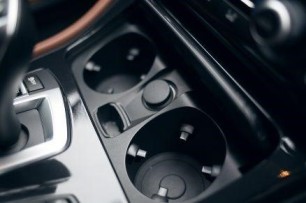
List of key console organisers for ensuring the cleanliness of your car
Ever been embarrassed to bring someone to your car? A sock here, a pen there, it's infuriating not to have enough space to organise things in your vehicle the way you want them. Often, people turn to dump stuff on the seats, which looks highly unattractive. The revolutionary solution is to install console organisers.
This blog gives you a few different ideas so you can choose how to enhance the neatness of your car.
1. Full centre console:
The full centre console is a complete replacement of the console given with the car. It replaces your factory console, either due to damages to it or to have more storage in your vehicle.
2. Drop-in centre console:
Instead of replacing the entire console, this drop-in console lets you drop things into your existing console. It generally requires minimum installation. One unique advantage this console provides is that you can pull it and take your items with you on the go.
3. Double storage centre console:
If you have too many bulky items to store, a double storage centre console might be the way to go. This provides you with an upper storage compartment and a secondary dashboard.
4. Contractor centre console organiser:
Excellent addition for a rejuvenating road trip, this console is made for people who spend significant portions of their lives on the road. These organisers have all the essential compartments you need for a busy workday as a contractor and are most compatible with trucks. These provide two cup holders and offer an armrest that can multitask as a clipboard-holder.
Some great additions that you can install in your car.
Back seat organiser:
When you have kids travelling in the car, the back seat pockets more or less function as dumpsters. Back seat organisers help keep things tidy and you sane during long drives with kids. With pockets for juices, notebooks, pens, water bottles, games, and so much more, they are an essential need for every car.
Hand sanitiser pump for cup holders:
With COVID 19 and other diseases looming over us like a dark cloud, hand sanitisers have become necessary. Instead of forgetting a hand sanitiser and being frustrated over it daily, try this gadget which fits snugly into the car's cup holder and helps protect you from germs.
Car vacuum:
Keeping your car immaculately clean can significantly improve your driving mood and serve as a badge of honour when someone else enters your car. Bring an easily portable car vacuum with strong suction power to keep your car uncluttered.
First aid kit:
If travelling with children, the elderly, or alone, keeping a first aid kit is always a good idea. Keep an emergency kit stocked with essential medicines for common problems, band-aids, ORS, and pills for motion sickness. Also, have a box of wet tissues in case someone vomits.
Silicone baking cups:
Put these adorable cups in your cup holders to catch all future crumbs, it just needs to be removed and rinsed, and you'll never have to worry about cleaning the cup holder.
Choosing the right console organiser can be a daunting task for a new car owner, but there are a few key points to remember. First, check if your desired console organiser fits the make and model of your car. Also, know what function the organiser will have in your car. If you need something with a lot of storage space, go for the dual-level console, but if you want many compartments to hold your things, get a drop-in console.
These organisers may seem all fun and games until you understand their actual functionality. A clean and organised interior helps you maintain a decluttered mind, leading to better driving and fewer accidents. While talking about convenience, it is also paramount to consider safety. Search for car insurance online in India to ensure your vehicle is safeguarded against any mishaps. Happy driving!
Click HERE to know more about car insurance online India.
Disclaimer: The information provided above is for illustrative purposes only. To get more details, please refer to policy wordings and prospectus before purchasing a policy.

Complete guide to hosting a party at your home
The world only recently started reeling from the pandemic that took almost two years of our lives. Malls, cinema halls, and amusement parks have begun functioning at full capacity. This is the perfect time to meet people and renew old friendships.
If you're excited to plan a reunion with your college gang, peer groups, or family, then why not host a party at your home. This article is just for you if you want to host a simple yet fun party at your home.
1. Sort your guest list:
Creating the guest list is challenging. With limited seating inside your house, hosting a huge crowd becomes difficult. Prioritise the people that you want at the party. Try not to mix your personal and professional groups at the same party. Focus on choosing people who are capable of leaving their work behind.
2. Order food in:
Hosting a party can be stressful only if you decide to handle every aspect of the party. Everything can become overwhelming quickly. Ordering food is a smart way to eliminate the preparation time and effort that goes into making the food.
One thing you can do before the party is to ask the guests about their food allergies or preferences. Be creative with the starters. Most people fill up on the starters and barely try the main course. Opting for fun and unique starters is sure to set a benchmark.
3. Use paper cups and glasses:
It might not sound classy or elegant, but tons of fancy and quirky cutlery is available in the market. Opting for disposable plates and cutleries helps eliminate the whole washing and cleaning routine.
You can also rest assured that none of your bowls or plates is broken. Also, you allow yourself the time to focus on enjoying the party rather than killing the excitement under the stress of washing the utensils later.
4. Keep the bathroom clean:
We end up fussing about the decor, the cushions, the sofa, and that one corner behind the TV stand that nobody notices. But we often forget the essentials such as bathrooms and kitchen. A dirty bathroom or a kitchen is sure to leave a mark, and no matter how dolled up your living space is, a dirty bathroom will be the talk of the town.
Throw in a couple of extra towels and set up multiple tissue boxes around the house so that people have easy access. Use room fresheners and other fragrances to keep everything smelling fresh and fabulous.
5. Let others help you:
Being a good host essentially means letting everyone enjoy a party. If people offer to help you with food or decorations, accept it. This way, you are sharing the load and enjoying a mix of different ideas and options. This will help you tremendously at the last minute as you know that there are fewer things that you need to be worrying about.
6. Account for kids:
If you are hosting a party and the kids are also invited, then you might want to set up a room just for them. A few games, puzzles, or a TV running in the background can help keep the kids occupied. If possible, make a dining set up exclusively for the kids as it's not fair to expect them to hold the plates in their hands while eating.
Also, customise some of the food items for the little ones. Almost every kid loves food items such as pizza, nuggets and juices.
Follow the above tips, and you're all set to host the perfect house party. Making all the arrangements, decorating the house, and creating a positive ambiance before planning a party is fun.
We put so much thought into making our home the best place to live. Why not take some time to ensure its safety? After all, our home is our responsibility, and safeguarding it should be our priority. The best way to do this is house insurance. Magma HDI offers the best house insurance India with several benefits for the homeowners. Buy your house insurance today and be assured of comprehensive coverage against unexpected circumstances.
Click HERE to know more about house insurance India.
Disclaimer: The information provided above is for illustrative purposes only. To get more details, please refer to policy wordings and prospectus before purchasing a policy.

Useful tips to make healing and recovery of fractures fast and less painful
Of the many injuries we are familiar with, a fracture seems to be the most painful. Not only it is excruciatingly painful, but it also takes a long time to heal. A fracture can slow you down, even for basic day-to-day chores. The healing is given ample time to ensure that the bones are correctly aligned. But having said that, waiting for your fracture to heal can be tedious.
The healing of a fracture covers three main stages: Inflammatory, reparative, and remodelling. During the inflammatory stage, special cells assemble in the injured area and cause redness and swelling. This is an indication to the body to stop using the affected area. The first bridge between the broken bones is made here as a blood clot or hematoma.
During the reparative stage, a soft bone or callus takes the position of the blood clot and holds the broken bones together. This soft callus is not strong enough to handle weight and movement. Over the subsequent weeks, the callus becomes stronger and can handle movement.
During the final stage, the normal bone replaces the callus entirely, and over a few weeks, the bone is back to its original condition.
In this article, we will look at the few things we can do to accelerate the speed of recovery.
1. Restricting movement:
The more the movement, the longer it takes for the bones to heal. To heal properly and quickly, the best method is immobilisation. Castes and plasters are the most common ways of giving your bone the support it requires while also restricting any painful movement.
If the fracture is more severe, the doctors might rely on screws, plates, or wires to keep the bone fragments intact. Always remember to consult a doctor in case of pain or discomfort.
2. Improving food habits:
A weak bone can take longer to heal. Vitamins and minerals are vital components of a healthy body. The essential component for bone development is calcium. Include food items such as milk, cheese, and other dairy products that contain high amounts of calcium that your bones require. For your bones to absorb maximum calcium from these food items, your body also needs Vitamin D. Vitamin D helps the bones effectively absorb the calcium from various food sources.
Avoid smoking and alcohol consumption. People who indulge in these habits experience slower and more painful healing. Avoid food with high sugar and salt content. Excessive sodium or sugar removes calcium from your body and significantly slows down the repair of broken bones.
3. Physical therapy:
Physiotherapy can work wonders for bone repair. Blood flow is an essential part of bone healing. Therapy under the guidance of a physiotherapist can help you regain strength and a greater range of motion. There are also some exercises that you can occasionally do. This ensures that your muscles and bones do not get stiff over time while in a cast.
4. Post care:
After the cast is taken off, try not to test the broken bone. Do not put a lot of pressure on the bone to ensure if your bone has healed or not. As tempting as it may seem, give your bones time to adapt to the surroundings without having external support.
These are a few valuable tips you can follow if you want a faster recovery of broken bones. All the methods mentioned above are simple practices you can incorporate into your daily routine. Healthy eating habits, regular exercising, and timely body check-up are essential to maintaining an overall healthy lifestyle.
This article is also a reminder for you to do your health insurance policy renewal. Accidents can be expensive, with the medical bills skyrocketing. Hence timely health insurance policy renewal is non-negotiable to avoid stress due to health problems.
Click HERE for health insurance policy renewal.
Disclaimer: The information provided above is for illustrative purposes only. To get more details, please refer to policy wordings and prospectus before purchasing a policy.

Plan to enrol your kids in these exciting activities and make the monsoon season enjoyable
The onset of monsoon is a gift for humans, animals, and plants. The lush greenery, the sweet smell of moist soil and the cold winds are a much-needed respite from the scorching summer months. But with all the monsoon goodness comes a set of challenges as well.
Children end up locked inside their houses, hoping for the pouring rain to go away. If you are a parent and you notice your kids growing increasingly impatient, this article is just for you. This article will look at all the activities you can enrol your kids in for a productive and fun monsoon season.
1. Take up a painting class:
Painting is an expressive art form. It is visually stimulating and allows your child to explore different colours and expression mediums. It gives your kids the opportunities to develop creatively and imaginatively.
This gives them the freedom to visualise and metaphorically paint the picture they want. You can help your children navigate the different types of famous artworks for inspiration. Later you can encourage them to join a painting class or workshops and learn to paint their imagination with passion.
2. Sports are always a yes:
In these distressing times of fast-paced technological advancement, we all have fallen sick and are easily prone to multiple health issues. Our bodies have become glued to the smart phones, and all you want is readily available with just one touch and tap of your phone. Rain can put a damper on your kid's physical activities.
Since being outdoors is a complete no-no, kids end up glued to screens. Indoor sport is your solution. Games such as table tennis, carrom, and chess are a few sports kids can play in the comfort of being indoors. Do not let rain be the reason your kids stay away from the fun.
3. Never say no to learning music:
Music, like painting, is again an expressive art form. The sounds stimulate your brain, which can then interpret different versions of tunes and rhythms. They help your child distinguish between various moods and emotions, thus enabling them to create their music. Notice how your kids pick up different notes from the song. Understand and encourage them to pursue various music skills and may also enrol in a music class.
4. We have all heard of abacus:
Abacus and mental maths tips and tricks will always be everyone's favourites. It doesn't harm learning quick tricks to help your child academically in the future. This enables the brain to enhance its analytical and logical power. Abacus classes can help your child improve their logical reasoning and make brisk calculations.
Ask your child if these activities interest them, and let them take the lead while staying indoors during the monsoon season. Parents must always focus on planning experiences to help their children be independent and happy. Don't let the rain wash out the excitement of your children. Monsoon can be fun, too, if activities are planned rightly.
Apart from the skills development, you should consider the plans for keeping the kids protected under any unforeseen circumstances which might arise during different walks of life. One of the best gifts your child can get is insurance benefits. As a parent, you must discuss your options and purchase the best general insurance for catering to your children's needs in the best ways possible.
Refrain from taking drastic decisions while buying general insurance. Take your time, do the best research, understand your child's requirements, and accordingly select the plan that is the best!
Click HERE to learn more about how purchasing general insurance.
Disclaimer: The information provided above is for illustrative purposes only. To get more details, please refer to policy wordings and prospectus before purchasing a policy.
Hi there! 👋 Need help with a policy, claim, or renewal? Chat with us instantly on WhatsApp.
Start chat →